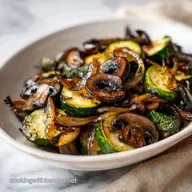
Sauteed Zucchini Mushrooms Onions: Mahogany-Charred
This fast stovetop method combines three staple vegetables in a quick sauté, making it a reliable choice when you need a fresh side on the table in minutes.
20-minute sauté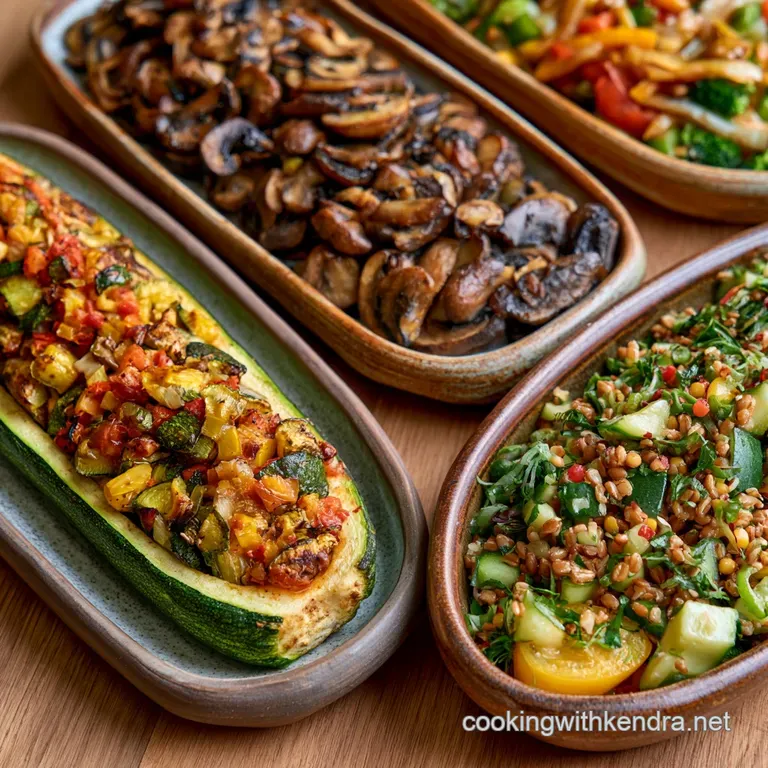
Vegetable sides often show up on the dinner table as a steamed afterthought, but they have the potential to be the most colorful and textured part of the plate. Focusing on fresh produce and simple cooking methods ensures your dinner remains balanced without sacrificing variety.
Whether you are feeding a family on a busy school night or preparing a larger weekend meal, these options provide a reliable way to get more greens onto every plate.
These dishes help bridge the gap between basic salads and complex main courses. By utilizing methods like quick roasting, stovetop sautéing, and grain-based mixing, you can create sides that are substantial enough to satisfy but light enough to complement any protein.
This collection focuses on techniques that highlight the natural sweetness and crunch of seasonal vegetables.
These recipes use high heat and fast cooking times to preserve the crunch and color of the vegetables. They are the best choice for busy evenings when you need a side dish on the table in under 30 minutes without turning on the oven.
This fast stovetop method combines three staple vegetables in a quick sauté, making it a reliable choice when you need a fresh side on the table in minutes.
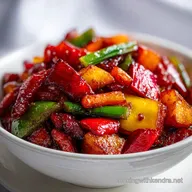
20-minute sautéA savory sauce brings these crisp vegetables together, offering a standard stir-fry format that pairs easily with rice or grilled meats for a complete meal.
crisp stir-fryRoasting brings out the deep, caramelized sugars in vegetables like peppers and squash. These dishes work well as focal points for a vegetarian meal or as substantial low carb zucchini boats served alongside grilled meats.
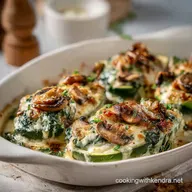
These vegetarian stuffed zucchini boats use a mix of spinach and ricotta for a filling that feels substantial yet remains light enough to serve alongside any protein.
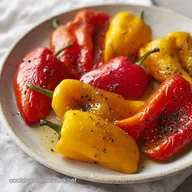
low carb zucchini boatsRoasting brings out the natural sugars in these peppers, resulting in a smooth, tender texture that works as a standalone side or a topping for toasted bread.
oven-roasted methodThese salads move beyond simple lettuce to incorporate fiber-rich grains and hearty florets. They are designed to hold up well in the fridge, making them excellent choices for meal prep or taking to a weekend gathering.
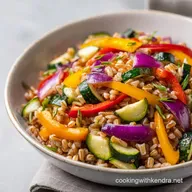
Charred vegetables provide a smoky contrast to the chewy farro grains in this salad, creating a fiber-forward dish that holds up well for several days in the fridge.
Mediterranean grain saladThis classic cold side incorporates fresh florets and salty accents, using a creamy dressing base to keep it refreshing while still providing plenty of crunch.
potluck favorite| # | Recipes | Best For | Time | Difficulty | Style | Pairs Best With |
|---|---|---|---|---|---|---|
| 1 | Sauteed Zucchini Mushrooms Onions | Fast weeknight side | 20 min | Easy | Sautéed | Grilled steak |
| 2 | Vegetable Stir Fry | Asian-inspired meals | 25 min | Beginner | Stir-fry | White rice |
| 3 | Spinach Ricotta Zucchini Boats | Low-carb dinner | 40 min | Easy | Stuffed | Roast chicken |
| 4 | Roasted Bell Peppers | Antipasto platters | 10 min active / 55 min total | Easy | Roasted | Toasted bread |
| 5 | Mediterranean Farro Salad | Healthy meal prep | 40 min | Medium | Grain Salad | Baked salmon |
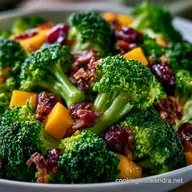
| 6 | Broccoli Salad with Bacon | Family potlucks | 45 min | Easy | Creamy Salad | BBQ ribs |
Discover more curated recipe collections
Explore more recipe collections →