The Roman Gold Standard Authentic Pasta Carbonara
- The Roman Gold Standard: Authentic Pasta Carbonara Unveiled
- Why True Carbonara Defies Creamy Imitations
- The Essential Quartet: Sourcing Premium Components
- Executing the Technique: Step-by-Step Culinary Precision
- Troubleshooting and Culinary Wisdom for Carbonara Success
- Beyond Spaghetti: Exploring Pasta Shape Pairings
- Recipe FAQs
- 📝 Recipe Card
The Roman Gold Standard: Authentic Pasta Carbonara Unveiled
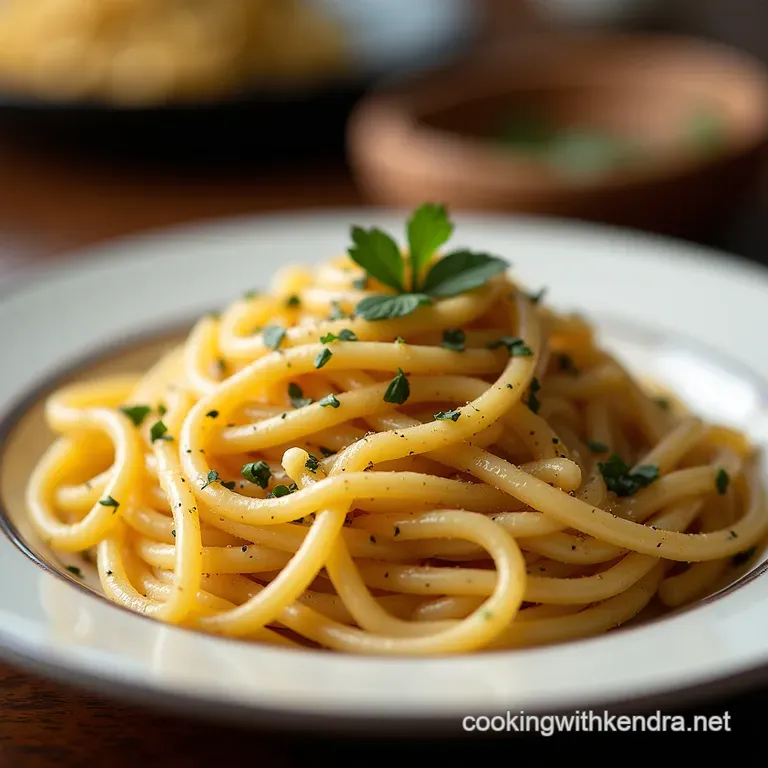
Forget everything you think you know about creamy pasta sauces. This is the true Pasta Carbonara, hailing from Rome, built on the holy trinity of cured pork (Guanciale), sharp Pecorino Romano cheese, egg yolks, and black pepper.
When executed correctly, the heat of the just drained pasta gently cooks the egg mixture into a luscious, velvety sauce without scrambling a thing. It’s rich, deeply savoury, and deceptively simple.
Achieving this culinary masterpiece requires patience and precision, positioning this dish as the benchmark for any true lover of Italian Dishes. This Classic Pasta Carbonara clocks in at a total time of just 30 minutes, making it a surprisingly swift option for Weeknight Meals , provided you have your ingredients ready.
Why True Carbonara Defies Creamy Imitations
The magic of this dish and the reason it remains revered lies entirely in its minimalist approach. Unlike many adaptations found internationally, the Traditional Pasta Carbonara Recipe relies on chemistry, not dairy additions, to create its signature coating.
We aim for that silken texture that coats the spaghetti perfectly, a texture that cream simply cannot replicate without dulling the sharp, savoury impact of the core ingredients.
Decoding the Myth: What Makes This Recipe Authentic?
Authenticity in Pasta Carbonara Ingredients is non-negotiable. We are looking for a sauce derived solely from rendered pork fat, tempered eggs, salty cheese, and starchy water.
Any addition of milk, cream, or butter compromises the integrity of the emulsion, turning a vibrant, sharp sauce into something heavy and flat. A truly Authentic Carbonara Recipe contains only the four core flavour components plus pasta and salt for the water.
The Elegance of Simplicity in Italian Cuisine
The philosophy behind this dish mirrors broader Italian cooking: take a few high-quality items and treat them with respect. When you use only a handful of components, each one must shine.
From the pungent bite of the Pecorino to the deep, savoury essence drawn from the Guanciale, simplicity demands excellence in sourcing. This elegant structure is why the Carbonara Pasta remains eternally popular.
Setting Expectations for Silken Sauce Mastery
Mastering the emulsion is the single most important hurdle when attempting this recipe. The goal is a glossy, homogenous sauce, not clumps of cooked egg. This requires careful heat management; the residual warmth from freshly cooked pasta, combined with the starch from the cooking water, must be sufficient to thicken the egg mixture without causing it to coagulate violently.
Success here elevates the dish from a simple pasta toss to a true culinary achievement.
The Essential Quartet: Sourcing Premium Components
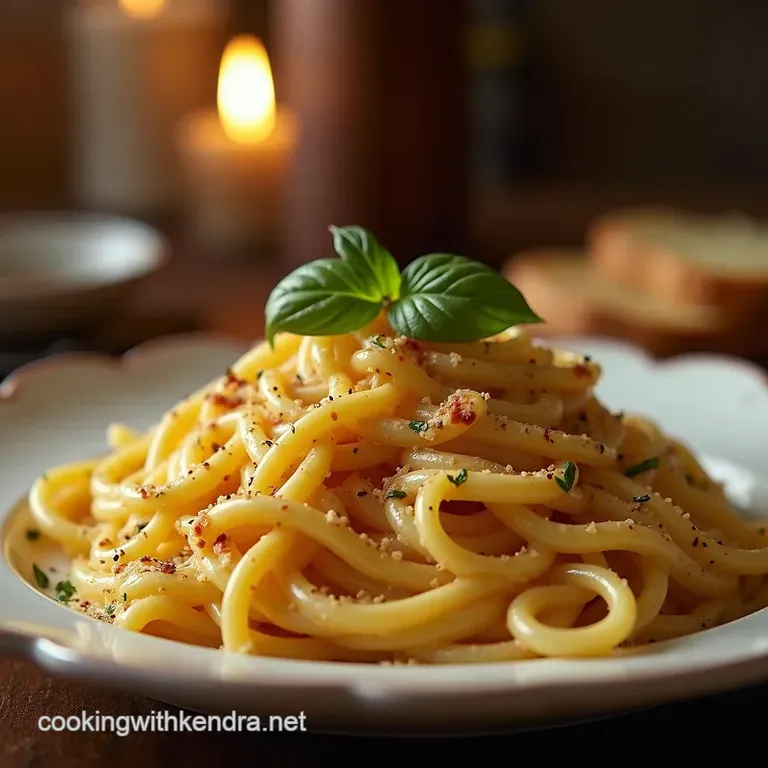
Since we are dealing with so few ingredients, quality is paramount. Think of these as the pillars holding up the entire structure of your Pasta Carbonara Recipe .
Guanciale: The Unnegotiable Cured Pork Component
You simply must use Guanciale cured pork jowl for the definitive flavour. Its fat renders down differently than bacon or even pancetta, producing a cleaner, richer, and more aromatic base fat that is essential for the sauce's foundation.
Cut the 6 ounces (about 170 grams) into uniform, small cubes before rendering. If Guanciale is unattainable, high-quality, unsmoked pancetta is the runner-up, but know that the flavour profile shifts slightly.
Pecorino Romano vs. Parmesan: The Cheese Divide
Pecorino Romano, made from sheep's milk, brings the required salinity and sharp tang that cuts through the richness of the egg yolks and pork fat. For the best results, grate 1 full cup (about 100 grams) as finely as possible ideally with a microplane to ensure it melts smoothly into the sauce.
Avoid pre-grated cheeses, as they often contain anti caking agents that hinder the emulsion process.
Calculating the Golden Ratio of Egg Yolks to Pasta
For four generous servings (using 1 pound/450g of pasta), we use a rich ratio: 5 large egg yolks plus 1 whole large egg . Using more yolks than whole eggs ensures a richer colour and creamier mouthfeel, as yolks contain more fat and emulsifying lecithin.
Crucially, ensure these eggs are at room temperature before you begin cooking.
Freshly Cracked Black Pepper: A Flavor Foundation
Do not reach for pre-ground pepper; this recipe demands the aromatic punch of freshly, coarsely cracked black peppercorns about 1 tablespoon worth. The pepper is not just a garnish; it is a defining flavour element, often providing a slight heat that balances the richness.
A pro tip is to lightly toast the cracked pepper in the rendered Guanciale fat for 30 seconds before proceeding.
Related Recipes Worth Trying
- Instant Pot Creamy Tuscan Chicken Pasta Ready in 25 Mins — Make the ultimate Instant Pot Creamy Tuscan Chicken Pasta tonight This easy Instant Pot recipe delivers rich restaurantquality comfort food fast Get the...
- Light Zesty Springtime Pasta Primavera Recipe — Ditch the heavy cream This easy Pasta Primavera recipe celebrates garden vegetables with a bright emulsified sauce Ready in 40 minutes
- Silky 30Min Creamy Garlic Parmesan Chicken Pasta Recipe — Stop ordering takeout This foolproof Creamy Garlic Parmesan Chicken Pasta delivers a rich white sauce chicken pasta faster than you think Get the recipe
Executing the Technique: step-by-step Culinary Precision
Once the ingredients are prepped, the cooking moves swiftly. This is where attention to temperature detail separates a good attempt from a phenomenal Easy Pasta Carbonara .
Rendering the Guanciale: The Flavor Base
Begin by placing the cubed Guanciale into a cold, heavy bottomed skillet . Turn the heat to medium low. This slow rendering process is vital, allowing the fat to melt out gently without burning the meat.
Once the fat is transparent and the pork pieces (ciccioli) are deeply golden and crisp, remove them with a slotted spoon and set them aside on paper towels. Keep all the beautiful, flavourful rendered fat in the pan this is your initial flavour base.
The Crucial Tempering Dance: Preventing Scrambled Eggs
While the pasta cooks, whisk together the room temperature eggs, finely grated Pecorino Romano, and black pepper vigorously in a separate bowl until smooth. This is your cream substitute. Once the pasta is almost ready, you must temper this egg mixture.
Ladle a small amount (about 1/4 cup) of the hot, starchy pasta water into the egg mixture while whisking constantly and rapidly. This gently raises the temperature of the eggs without cooking them solid.
Tossing and Coating: Introducing the Pasta Water Magic
Cook your pasta (Spaghetti, Rigatoni, or Bucatini) until it is decidedly al dente . Before draining, reserve at least 1.5 cups of the cloudy, starchy cooking liquid.
Transfer the drained pasta directly into the skillet containing the warm (but crucially, off the heat ) rendered fat. Toss to coat. Immediately pour the tempered egg mixture over the pasta, tossing continuously and quickly. Add reserved hot pasta water one tablespoon at a time while tossing.
The motion and the starch in the water will emulsify the fat and egg into that signature, clinging sauce.
Final Plating: Serving Your Masterpiece Pasta Carbonara Immediately
As the sauce thickens to a creamy sheen that beautifully coats every strand, stir in most of the crispy Guanciale pieces. Taste for final seasoning it likely won't need salt due to the cheese. Serve immediately onto warmed plates.
Top each serving with the remaining crispy pork bits, a generous dusting of extra Pecorino Romano, and one final, aggressive crack of fresh black pepper.
Troubleshooting and Culinary Wisdom for Carbonara Success
If your sauce has seized and become grainy, the pan was too hot when the eggs were added. Next time, ensure the heat under the skillet is completely off, using only the residual heat from the pasta.
If the sauce is too thin, keep tossing vigorously while adding very small amounts of extra grated cheese; the cheese will act as a thickening agent as it dissolves. Remember, this is an emulsion, not a stew; speed and temperature control are your allies.
Beyond Spaghetti: Exploring Pasta Shape Pairings
While Spaghetti is the default, this dish pairs beautifully with other shapes. Rigatoni or Bucatini are excellent alternatives because their ridges and hollow centres capture the rich sauce perfectly, ensuring every bite is balanced.
The Secret Power of Reserved Pasta Cooking Water
Never underestimate the starchy water. It is the emulsifier, the binder, and the adjuster for thickness. The starch molecules suspended in the water are what allow the fat from the pork and the protein from the egg to bind into a cohesive, non-breaking sauce. Always reserve more than you think you need.
Storage Secrets: Why Leftover Carbonara Isn't Recommended
Pasta Carbonara is built to be eaten immediately. Leftovers, when refrigerated, turn into a solid, cheesy mass as the egg proteins contract and the sauce breaks. Reheating is rarely successful; the texture is lost. It is best prepared in an amount that will be entirely consumed on the spot.
Regional Italian Nods and Acceptable Substitutions (If Necessary)
While Rome insists on Guanciale and Pecorino, variations do exist in neighbouring regions. Some recipes lightly toast the pepper first, while others might use a very small amount of high-quality olive oil alongside the rendered fat if the pork yields insufficient liquid.
However, for the purist seeking the truest taste profile, stick rigidly to the core ingredients.
Pairing Suggestions: Complementary Sides to Your Classic Dish
Because Classic Pasta Carbonara is intensely rich and savoury, it benefits from bright, acidic accompaniments. A side of thinly sliced, raw fennel salad dressed simply with lemon and salt provides a necessary textural and flavour contrast.
Alternatively, crisp, lightly dressed arugula provides the clean, peppery counterpoint needed to cleanse the palate between rich bites of this Roman treasure.
Recipe FAQs
Why does my Pasta Carbonara always end up looking like scrambled eggs instead of a smooth sauce?
This is the most common stumbling block, bless your heart! It happens when the pan or the pasta is too hot when you introduce the egg mixture. Remember, you're tempering the eggs, not scrambling them.
Always take the pan completely off the heat source before pouring in the egg and cheese mixture, relying only on the residual warmth of the pasta and the starchy water.
Can I use cream in my Pasta Carbonara? I usually find it tastes better that way.
Right, here’s the brass tacks: authentic Carbonara simply doesn't use cream. The creaminess comes entirely from the beautiful emulsion created between the rendered pork fat, the egg yolks, and the starchy pasta water. Adding cream is a shortcut that masks the true, intense flavour of the Pecorino and pepper.
What is Guanciale, and can I really use bacon instead if I can't get it?
Guanciale is cured pork jowl (cheek), and it's key because it renders out a distinctively flavourful, clean fat that forms the base of the sauce. If you absolutely cannot source it, thick cut, unsmoked Pancetta is the next best bet.
Please, avoid standard smoked bacon; the smoke flavour clashes terribly with the sharp Pecorino Romano.
How much of that starchy pasta water should I keep back, and why is it so important?
You must reserve at least 1.5 cups of the salty, starchy cooking water before draining the pasta don't be shy! This water is your magic ingredient because the starch acts as an emulsifier, helping the fat and liquid bind together into that rich, velvety sauce that clings perfectly to the spaghetti.
I made too much! How should I store leftover Pasta Carbonara?
Honestly, Carbonara is best eaten immediately it’s not a dish that ages well. If you must store leftovers, cool them rapidly and keep them in an airtight container in the fridge for up to one day.
When reheating, add a splash of fresh milk or water and warm it very gently over low heat, tossing constantly, but be prepared for the texture to be slightly different.
Is this recipe very salty, given that Pecorino Romano and Guanciale are both cured ingredients?
That’s a fair observation; it certainly packs a flavour punch! Go easy on salting the pasta water make it taste only mildly salty, unlike when you boil plain pasta. You can always add more salt later, but you can’t take it out once the salty Pecorino and Guanciale are mixed in.
Taste before you season at the end!
Authentic Pasta Carbonara Recipe
Ingredients:
Instructions:
Nutrition Facts:
| Calories | 768 kcal |
|---|---|
| Protein | 16.7 g |
| Fat | 32.5 g |
| Carbs | 18.9 g |
| Fiber | 0.8 g |
| Sodium | 738 mg |
