Rhode Island Clam Chowder: the Clear Broth Classic
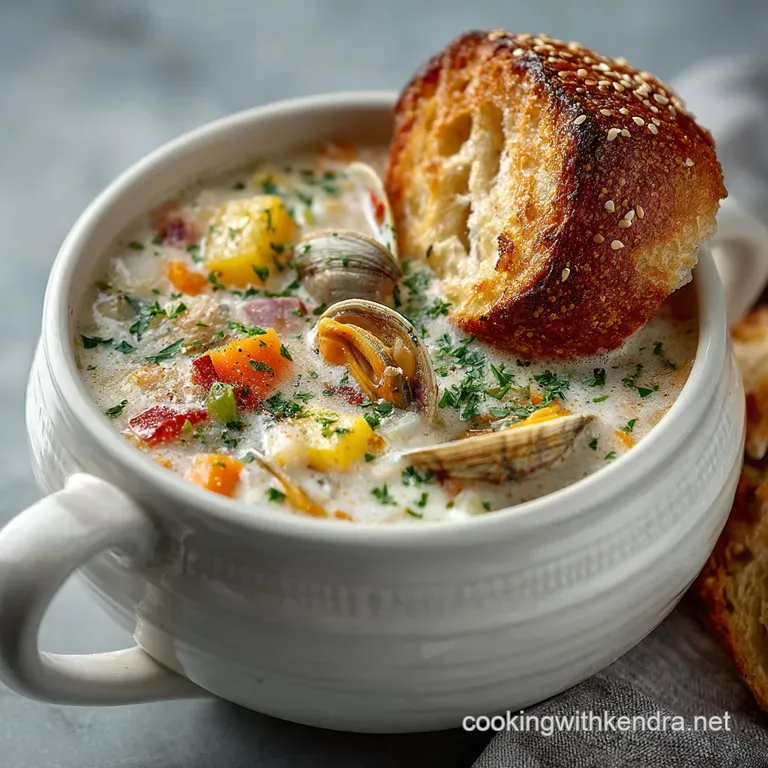
- The Ocean State's Clear Secret: Authentic Rhode Island Clam Chowder
- Essential Components and Preparation Timeline
- Simmering the Sea: Step-by-Step Clear Broth Chowder Method
- Achieving Broth Perfection: The Science Behind South County Chowder
- Mastering the Broth: Pro Tips and Troubleshooting
- Handling Leftovers: Storage, Reheating, and Freezing Guide
- Coastal Pairings: What to Serve Alongside Your Clear Chowder
- Recipe FAQs
- 📝 Recipe Card
The Ocean State's Clear Secret: Authentic Rhode Island Clam Chowder
Honestly, is there any smell better than rendered salt pork mixing with fresh thyme and the heady steam of the ocean? If you know, you know. That’s the aroma that hits you when you make true, clear broth Rhode Island Clam Chowder .
It’s savory and clean, totally unlike the heavy cream versions, and trust me, the texture is just perfectly studded with tender potatoes and plump clams.
This recipe is my secret weapon for weeknights when I’m craving deep comfort but don’t have hours to spare. It’s shockingly fast once you prep the ingredients, and since the flavour profile is so clean, it tastes ridiculously expensive for what is essentially a thrifty pantry meal.
Plus, no heavy cream coma afterwards. That's a huge win.
Ready to ditch the dairy and embrace the true flavour of the sea? This detailed guide will show you exactly how to execute the perfect Rhode Island Clam Chowder , guaranteed to make you feel like you're sitting on a dock in Narragansett, eating out of a paper cup.
Let's crack on with the best Rhode Island Clam Chowder recipe you'll ever try.
Defining the Clear Broth Difference (Vs. New England and Manhattan Styles)
When people think of clam chowder, they usually picture the thick, white, creamy soup known as New England (Boston) style. But here in Rhode Island, we prioritize the clam, not the cream. Our style uses a crystal clear, intensely flavoured broth built purely from clam liquor, water, and aromatics.
There is no cream, no milk, and definitely no heavy tomato base like the Manhattan version. This distinction is critical: the whole point of Rhode Island Clam Chowder is the pure, unadulterated taste of the clam. It’s elegant simplicity at its best, proving that less is often truly more.
A Taste of History: Originating in South County, RI
While New England chowder got the global marketing budget, the clear broth version has deep roots, particularly in the coastal towns of South County, Rhode Island. It’s the original clam shack chowder, designed to showcase the quality of freshly dug Quahog or Littleneck clams.
Historically, it was a necessity; cream and milk were expensive or hard to keep fresh in the old fishing communities. They relied on good stock and salt pork fat for richness. Making this authentic Rhode Island Clam Chowder is literally cooking history, and it deserves its moment in the culinary spotlight.
Expected Yield and Total Flavor Development Time
This specific recipe yields between 6 and 8 generous bowls of delicious chowder, perfect for a family dinner or leftovers that taste even better the next day. The best part? Despite the complex flavour, the total cook time is just over an hour.
You spend about 25 minutes actively chopping, scrubbing, and steaming, and the remaining time is purely passive simmering. You won't believe how deep the flavour of this simple Rhode Island Clam Chowder is after such a short time.
Essential Components and Preparation Timeline
Getting the ingredients right is 80% of making a fantastic chowder. If you cheap out here, the clear broth will immediately expose your shortcut.
Primary Ingredients: Littlenecks vs. Quahogs and Why It Matters
I prefer Littlenecks for this Rhode Island Clam Chowder because they are tender and sweet, but large, meatier Quahogs are the traditional choice and provide a more substantial bite. If you use Quahogs, make sure you chop them into pieces so they aren't too massive in the spoon.
The key is freshness. If they smell fishy, throw them out. No amount of seasoning can save a bad clam.
| If You Have... | Substitute With... | Why? |
|---|---|---|
| Fresh Littleneck Clams | Canned Chopped Clams (use the liquid!) | Fast, shelf stable, but lacks the fresh brine complexity. |
| Salt Pork | Good Quality Pancetta or Bacon | Renders similar flavourful fat but may require less added salt. |
| Yukon Gold Potatoes | White Rose Potatoes | Both hold their shape well, preventing a cloudy broth. |
The Essential Fat: Sourcing Quality Salt Pork
Salt pork isn't just fat; it provides essential seasoning and an incredible depth of umami. Rendered salt pork fat is the heart of this Rhode Island Clam Chowder . If you can't find it easily, use thick cut pancetta.
If you resort to bacon, make sure it’s unsmoked or very lightly smoked; we want savory, not barbecue flavour. I made the mistake once of using ultra smoky bacon, and it overwhelmed the delicate clam broth entirely. Don't be like me.
Vegetable Breakdown: Aromatic Base and Starch Selection
We are keeping the vegetable base clean and simple: onion and celery. That’s it. Too many vegetables distract from the clams. For the starch, always choose a lower starch potato like Yukon Gold.
They maintain their shape during the simmering process, which is absolutely crucial for keeping the broth in your Rhode Island Clam Chowder clear and pristine.
Hands-On Time vs. Passive Simmering Time Breakdown
The timeline is surprisingly balanced. Scrubbing clams and chopping vegetables take about 20 minutes, which is your most intense period. The cooking phase is mostly passive: 10 minutes to render the pork, 20 minutes for the potatoes to soften, and a final 5 minutes to warm the clams.
Maximum flavour development, minimum standing over-the-stove time.
Simmering the Sea: step-by-step Clear Broth Chowder Method
Follow these instructions exactly, especially the straining steps, to ensure your broth is flawlessly clear. This is the difference between good clam soup and true Rhode Island Clam Chowder .
Chef's Note: Remember, grit is the enemy of clear chowder. Always double check your straining method. I often use a coffee filter inside my sieve for ultimate clarity, especially when making the clear broth style of Rhode Island Clam Chowder .
Achieving Broth Perfection: The Science Behind South County Chowder
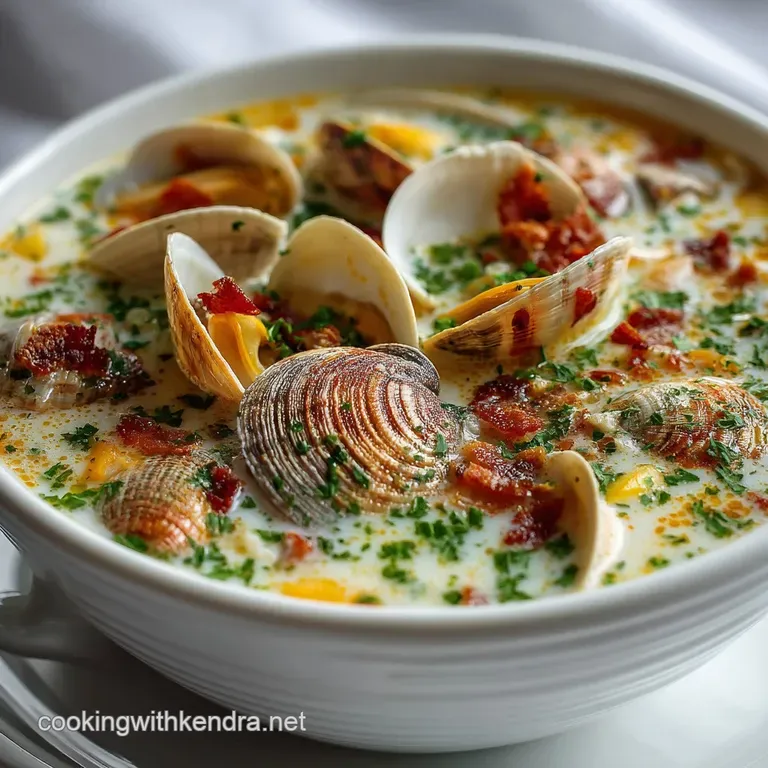
The magic in this recipe happens because we layer the fats and liquids correctly. We build a deeply savoury base before introducing the delicate clam broth.
Step 1: Rendering the Salt Pork and Building the Base
Rendering the salt pork is crucial. We cook it slow and low until the fat is completely melted and the pork bits (lardons) are crispy golden. This releases intense, fatty, savory flavour compounds into the pot that become the backbone of the broth.
You then sauté the onions and celery in this seasoned fat, ensuring every aromatic is coated and infused with that deep pork flavour before any liquid even touches the pan.
Step 2: Developing the Broth with Aromatics and Clam Liquor
Once the vegetables are soft, you build the liquid. Whisking in the flour (if using) and then the strained clam liquor allows you to deglaze the pot, capturing every bit of flavour stuck to the bottom. Adding the bottled clam juice next boosts the salinity and seafood flavour further.
Remember, the quality of your bottled clam juice dramatically affects the final Rhode Island Clam Chowder . Use low sodium where possible so you can control the final seasoning.
Step 3: Potato Incorporation and Simmering to Tenderness
The potatoes absorb the broth’s flavour as they cook, essentially seasoning themselves from the inside out. They need time to cook down completely but must not release too much starch, which is why we monitor the heat. A gentle simmer is key to a clean broth texture. If you want another great clear broth style chowder that focuses on vegetables, you might enjoy my Rich Velvety Creamy Corn Chowder Recipe Under an Hour .
The Maillard Reaction Role of Rendered Salt Pork
That beautiful golden colour and rich aroma when you render the salt pork? That's Maillard reaction magic. The rendered fat doesn't just contribute oil; the residual solids browned slightly, adding complexity and depth that simple vegetable oil just can't match.
This reaction is fundamental to building a complex clear base for your Rhode Island Clam Chowder .
Maximizing Clam Liquor Extraction for Depth
The secret to maximizing liquor is a tight lid and high heat for the steaming process. You want the clams to open quickly from the intense steam bath, releasing their liquid brine rapidly. Don't overcook them! As soon as they open, remove them.
Overcooked clams yield a cloudy, potentially bitter liquor and rubbery meat.
Mastering the Broth: Pro Tips and Troubleshooting
Even experienced cooks hit snags when trying a new regional style. Here are the fixes for common Rhode Island Clam Chowder issues.
Preventing Potato Disintegration (Managing Starch Release)
The biggest threat to a clear chowder is dissolving potatoes. The fix is simple: use low-starch varieties and never boil violently . Keep the pot at a lazy, slow simmer. If you notice the potatoes starting to break down, remove the pot from the heat immediately.
Balancing Salinity (The Clam Liquor Factor)
Clam juice and salt pork are both naturally very salty. This is why you wait until the very end to add extra salt. Taste, taste, and taste again. If it is too salty, the only save is adding a large diced, raw potato to the simmering broth for 10 minutes; it will absorb some excess salt.
If you nailed the salinity, you truly mastered the Rhode Island Clam Chowder process.
Clarifying Cloudy Broth Post Simmer
If your broth gets cloudy, it usually means your potatoes broke down or you didn't strain the clam liquor properly. If it’s just slightly cloudy, you can gently skim the top, ensuring you don't disturb the bottom.
If it's truly opaque, you can carefully strain a portion of the broth and pass it through a filter, then return it to the pot, but be gentle, or you'll crush the remaining ingredients.
Handling Leftovers: Storage, Reheating, and Freezing Guide
A properly made Rhode Island Clam Chowder is fantastic for meal prepping.
Optimal Refrigeration Methods
Store the chowder in an airtight container in the refrigerator. Because it contains no dairy, it keeps beautifully for 4 to 5 days. I usually separate the crispy salt pork bits (if I haven’t eaten them all) and store them in a small container to maintain their crunch.
They are a great topping for the next day's serving.
Can You Freeze Clear Chowder? Addressing Texture Changes
Yes, you can absolutely freeze clear chowder! Since there is no cream or roux (unless you added a lot of flour), it freezes and thaws exceptionally well without separating. Freeze in single serving containers for up to 3 months.
The only texture change you might notice is that the potatoes can become slightly mealier upon thawing, but the rich flavour of the Rhode Island Clam Chowder remains intact.
Traditional Rhode Island Accoutrements (Oyster Crackers and Peppers)
When reheating, transfer the chowder to a saucepan and gently warm over medium low heat, stirring occasionally. Do not boil. Stir in a splash of water or extra clam juice if it seems too thick.
Serve steaming hot with the essential additions: crushed oyster crackers and maybe a dash of vinegar based hot sauce, though some prefer just a simple grind of black pepper.
Coastal Pairings: What to Serve Alongside Your Clear Chowder
Since this Rhode Island Clam Chowder is so light and clean, it pairs well with other coastal fare.
Traditional Rhode Island Accoutrements (Oyster Crackers and Peppers)
You can't serve this chowder without the crunch of oyster crackers broken right over the top. It's the law. Many people in Rhode Island also serve a side of hot pepper sauce or even a tiny dish of chopped pickled jalapeños to add a vinegary, spicy kick that cuts through the richness of the salt pork.
This balance is divine.
Beverage and Side Dish Recommendations
For side dishes, keep it simple. Coleslaw, corn on the cob (if seasonal), or a light green salad would be perfect. Skip heavy garlic bread, as it competes too much. For drinks, a cold Narragansett Lager is a truly authentic choice. If you’re leaning toward comfort food, though, perhaps try one of my other recipes, like the Creamy Potato Corn Chowder Easy Comfort Food Bliss , for a contrast. But really, nothing beats the purity of this incredible Rhode Island Clam Chowder . Dig in!
Recipe FAQs
Why is my clear broth chowder cloudy or murky?
Broth often turns cloudy if the potatoes are stirred too vigorously after they begin to soften, releasing excess starch into the liquid. To maintain clarity, ensure you gently skim any impurities or foam during the initial boiling of the clam liquor, and avoid over mashing the ingredients while stirring.
Can I use canned clams instead of fresh or frozen chopped clams?
Yes, canned chopped clams are an acceptable substitute for convenience, but you must reserve and use all the accompanying liquid to maximize the necessary deep flavor base. If using canned, reduce or eliminate any added salt in the recipe, as the commercial brine is typically much higher in sodium than fresh clam liquor.
What type of potatoes works best in this clear chowder?
Waxy potatoes, such as Yukon Gold or Red Bliss, are highly recommended because they hold their shape beautifully during the necessary long simmer and resist falling apart. Avoid high starch russets, which will quickly disintegrate and undesirably thicken the clear broth, compromising the traditional structure.
How do I store leftovers, and what is the best way to reheat them?
Store any leftovers in an airtight container in the refrigerator for up to 3 days. To reheat, gently warm the chowder on the stovetop over medium low heat; avoid bringing it to a rapid, rolling boil, which can cause the clams to toughen and become rubbery.
My chowder tastes too salty. How can I balance the flavour?
The salinity often results from the combination of cured salt pork (or bacon) and the concentration of the clam juice during simmering. If it tastes too briny, you can often balance the profile by adding a splash of fresh lemon juice or incorporating a small amount of unsalted water or low-sodium vegetable broth.
Can I freeze Rhode Island Clam Chowder?
This clear broth chowder freezes relatively well due to the complete absence of dairy, unlike its New England counterpart. Ensure the soup is cooled entirely before freezing in large, shallow containers to speed up the process.
Note that upon thawing, the texture of the potatoes may be slightly softer or grainier than when freshly made.
Is it acceptable to add a little cream to the Rhode Island style?
While the authentic Rhode Island style is defined by its strict clear broth, you can certainly add a splash of heavy cream or evaporated milk at the very end if you desire a richer mouthfeel.
This creates a hybrid chowder, which is absolutely delicious but technically deviates from the revered traditional Ocean State standard.
Authentic Rhode Island Clam Chowder
Ingredients:
Instructions:
Nutrition Facts:
| Calories | 657 kcal |
|---|---|
| Protein | 16.0 g |
| Fat | 40.0 g |
| Carbs | 62.0 g |
