Beef Stir Fry with Noodles: Velvety Steak
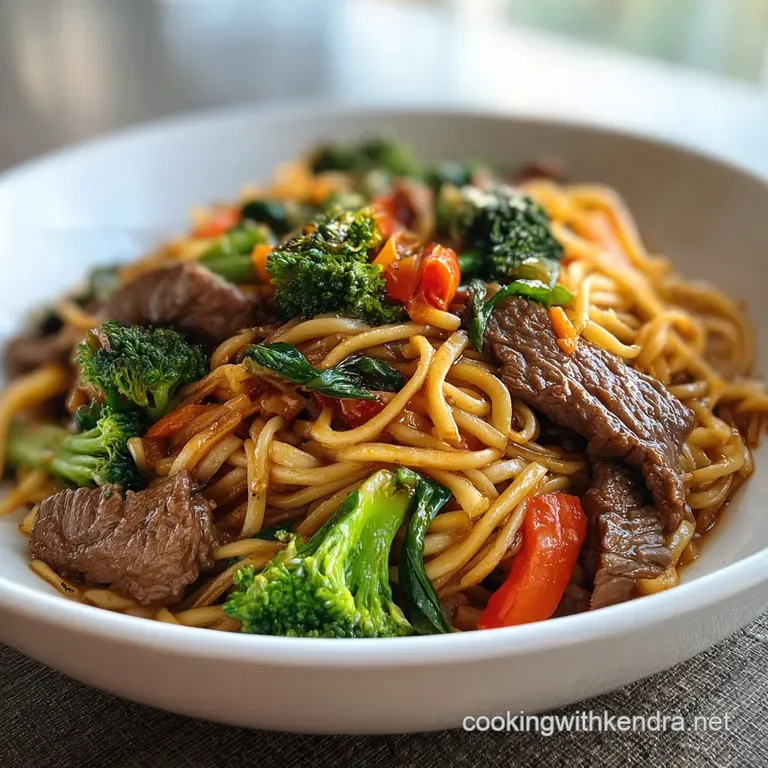
- Time: Active 15 minutes, Passive 10 minutes, Total 25 minutes
- Flavor/Texture Hook: Savory umami glaze with velvety beef and crisp tender vegetables
- Perfect for: Busy weeknights where you want a restaurant quality meal fast
- The Ultimate Weeknight Beef Stir Fry with Noodles
- Scientific Principles for Better Results
- Deep Dive into Key Components
- Essential Ingredients and Smart Substitutions
- Necessary Tools for High Heat
- Executing the Perfect Cooking Sequence
- Fixing Texture and Flavor Issues
- Customizing Your Noodle Stir Fry
- Dispelling Kitchen Myths
- Storage and Waste Reduction Tips
- Flavorful Pairings and Side Dishes
- Very High in Sodium
- Recipe FAQs
- 📝 Recipe Card
The Ultimate Weeknight Beef Stir Fry with Noodles
The smell of ginger and garlic hitting shimmering oil is my personal "dinner is ready" siren song. I remember the first time I tried making this at home, years ago, and honestly, it was a disaster. I ended up with gray, chewy meat and a puddle of soggy noodles that tasted like nothing but salt.
I was so disappointed because I just wanted that specific, glossy, tender texture you get from a great Chinese spot.
It took a lot of trial and error (and many bowls of overcooked lo mein) to realize that the secret isn't a fancy stove or a million ingredients. It's all about how you treat the beef before it ever touches the pan and how you sequence the heat.
We're going to use a little chemistry trick called velveting to make sure that 1 lb of flank steak feels like the most expensive cut in the world.
You're going to love this because it's fast, but it doesn't feel like a "compromise" meal. We aren't just tossing things in a pan and hoping for the best. We’re building layers of flavor with a dark soy and oyster sauce base that clings to every strand of noodle.
It’s vibrant, it’s fast, and it’s going to become your new favorite way to clear out the crisper drawer.
Scientific Principles for Better Results
- Alkaline Tenderization: The 0.25 tsp of baking soda breaks down the tough muscle fibers in the flank steak, preventing them from tightening up when they hit the high heat.
- Maillard Acceleration: Cornstarch in the marinade creates a thin barrier that browns rapidly, giving you a crust without overcooking the interior of the meat.
- Starch Gelatinization: The cornstarch in the sauce thickens instantly upon boiling, creating an emulsified glaze that grips the noodles rather than sliding off.
- Carryover Control: Pulling the noodles when they are just shy of al dente ensures they finish cooking in the sauce without losing their structure or becoming mushy.
| Meat Cut | Slicing Thickness | Internal Finish | Visual Cue |
|---|---|---|---|
| Flank Steak | 1/8 inch | 145°F | Pink center just disappears |
| Sirloin Strip | 1/4 inch | 140°F | Edges turn deeply bronzed |
| Ribeye | 1/4 inch | 145°F | Fat renders and edges sizzle |
When you slice the meat against the grain, you're shortening the muscle fibers, which makes it much easier to chew. If you slice with the grain, you'll be chewing forever, no matter how much you velvet it.
Deep Dive into Key Components
Understanding what each bottle in your pantry actually does will help you troubleshoot on the fly. We're using dark soy sauce specifically for that deep, mahogany color that makes the dish look like it came from a professional kitchen, while the light soy provides the seasoning.
| Ingredient | Science Role | Pro Secret |
|---|---|---|
| Baking Soda | pH Modifier | A tiny amount goes a long way: don't exceed 0.25 tsp or it tastes metallic. |
| Cornstarch | Moisture Barrier | Acts as a "shield" that prevents the beef from steaming in its own juices. |
| Oyster Sauce | Umami Anchor | Provides thickness and a savory depth that soy sauce alone cannot achieve. |
| Toasted Sesame Oil | Volatile Aroma | Use it at the very end as a finishing oil so the scent doesn't burn off. |
This balance of salty, sweet, and savory is the backbone of the best stir fry sauces. If you want to experiment with different flavor profiles, you might find that my Homemade Soyaki Sauce recipe works beautifully as a shortcut for the marinade and sauce.
Essential Ingredients and Smart Substitutions
- 1 lb flank steak: Sliced thinly against the grain. Why this? It's lean but takes to marinades perfectly for a tender result.
- Sub: Top sirloin or skirt steak.
- 8 oz dried lo mein noodles: The base of our dish. Why this? They have the right chew and surface area for sauce.
- Sub: Thick spaghetti or linguine (boil slightly less than the box says).
- 0.25 tsp baking soda: Our tenderizing hero. Why this? Essential for the "velveting" technique that makes meat tender.
- Sub: None (omit if you use a premium cut like ribeye).
- 1 tbsp dark soy sauce: For that rich, dark color. Why this? It adds more color than saltiness compared to regular soy.
- Sub: Extra regular soy sauce plus 1 tsp molasses.
- 1 tbsp oyster sauce: The secret umami boost. Why this? Adds a complex, salty sweet funk that defines the sauce.
- Sub: Vegetarian stir fry sauce (mushroom based).
- 2 cups broccoli florets: Our main vegetable crunch. Why this? The "trees" hold onto the sauce in their nooks.
- Sub: Snap peas or bok choy.
- 1 red bell pepper: For sweetness and color. Why this? Provides a bright visual contrast to the dark beef.
- Sub: Yellow or orange bell peppers.
- 3 cloves garlic & 1 tbsp ginger: The aromatic foundation. Why this? Fresh is non negotiable for that punchy, sharp flavor.
- Sub: 1 tsp garlic powder and 0.5 tsp ground ginger in a pinch.
Necessary Tools for High Heat
You don't absolutely need a carbon steel wok to make this work, though it helps with "wok hei" (the breath of the wok). A large, heavy stainless steel skillet or even a cast iron pan works brilliantly. The key is surface area; you want the meat to have room to sear, not stack.
Chef's Tip: Freeze your beef for 15-20 minutes before slicing. It firms up the fat and muscle, allowing you to get those paper thin, restaurant style ribbons that cook in seconds.
Executing the Perfect Cooking Sequence
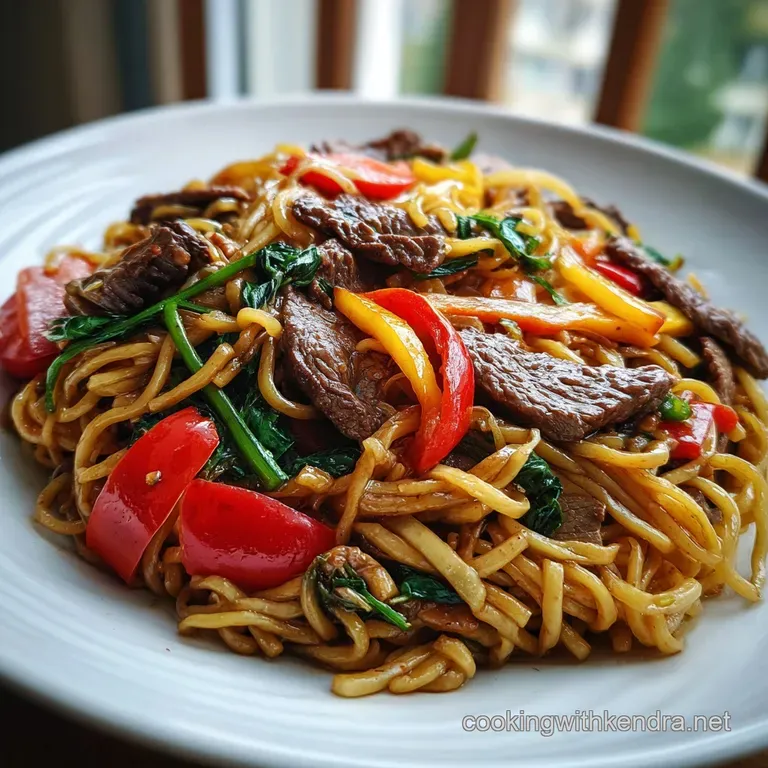
- Marinate the beef. Toss the sliced 1 lb flank steak with 1 tsp cornstarch, 1 tsp soy sauce, 0.25 tsp baking soda, and 1 tsp toasted sesame oil. Note: Let this sit for at least 10 minutes to allow the baking soda to work.
- Whisk the sauce. Combine 0.5 cup beef broth, 0.25 cup soy sauce, 1 tbsp oyster sauce, 1 tbsp dark soy sauce, 1 tbsp brown sugar, 1 tbsp cornstarch, and 1 tsp chili garlic sauce.
- Boil the noodles. Cook 8 oz dried lo mein noodles in salted water until just under al dente (usually 1-2 minutes less than the package says).
- Prep the veggies. Julienne 1 carrot, slice 1 red bell pepper, and chop 2 cups broccoli florets. Note: Having everything ready is vital because the actual cooking happens fast.
- Sear the beef. Heat 2 tbsp oil in a large pan over high heat until shimmering and slightly smoking, then add beef in a single layer.
- Brown and remove. Cook beef for 2 minutes until a dark crust forms, then flip and cook for 30 seconds before removing to a plate.
- Flash fry aromatics. Add the remaining 1 tbsp oil, then toss in 3 cloves minced garlic, 1 tbsp grated ginger, and the white parts of 3 green onions until fragrant (about 30 seconds).
- Blister the vegetables. Add broccoli, carrots, and peppers, stir frying for 2-3 minutes until colors are vibrant but still crunchy.
- Combine and glaze. Return the beef and noodles to the pan, pour over the sauce, and toss constantly until the sauce bubbles and turns glossy.
- Garnish and serve. Finish with the green parts of the onions and a drizzle of sesame oil until everything is evenly coated.
Fixing Texture and Flavor Issues
One of the most common complaints I hear is that the meat turns out gray and boiled rather than seared. This usually happens because the pan wasn't hot enough or was overcrowded. If you put too much cold meat into the pan at once, the temperature drops, and the meat releases its juices, effectively poaching it.
Why Your Beef Stir Fry with Noodles Is Salami Tough
If the meat feels like leather, you likely skipped the velveting step or sliced with the grain. If the sauce is too thin, it might be that you didn't whisk the cornstarch again before pouring it in it tends to settle at the bottom of the bowl. If you find your sauce isn't as silky as you'd like, compare the texture to a well made Beef Gravy Recipe to see how a proper starch slurry should behave.
| Problem | Root Cause | Solution |
|---|---|---|
| Gray, wet beef | Pan overcrowded or low heat | Work in batches; ensure oil is shimmering before adding meat. |
| Mushy noodles | Overboiled in water | Under cook by 2 mins; they finish in the sauce. |
| Clumpy sauce | Cornstarch wasn't whisked | Stir the sauce mix immediately before adding to the pan. |
Common Mistakes Checklist
- ✓ Never skip the baking soda in the marinade (it's the secret to tenderness).
- ✓ Pat the vegetables dry after washing to prevent steaming.
- ✓ Whisk the sauce slurry one last time before it hits the hot pan.
- ✓ Don't stir the beef for the first 60 seconds of searing to let a crust form.
- ✓ Use a neutral oil with a high smoke point (like canola or avocado), not olive oil.
Customizing Your Noodle Stir Fry
If you want to scale this down for a solo dinner, simply halve all the ingredients. For the noodles, use exactly 4 oz and use a small frying pan to keep the heat concentrated. The cook time will stay roughly the same because the heat intensity is the most important factor.
To scale up for a crowd (doubling the recipe), do not just dump everything in a double sized pot. You must cook the beef and vegetables in separate batches. If you try to do 2 lbs of beef at once, you will never get a sear.
Increase the spices and aromatics to only 1.5x the original amount, as they can become overwhelming when doubled.
| Method | Time | Texture | Best For |
|---|---|---|---|
| Stovetop Wok | 10 minutes | Maximum sear/char | Authentic texture |
| Cast Iron Skillet | 12 minutes | Even browning | Home cooks without a wok |
| Oven Sheet Pan | 20 minutes | Roasted/Softer | Hands off bulk cooking |
Dispelling Kitchen Myths
One big myth is that you need a 100,000 BTU burner to get "wok hei." While high heat is better, you can achieve a similar charred flavor by letting your skillet get screaming hot and leaving the meat untouched for a full minute to develop a deep Maillard crust.
Another misconception is that you have to use "stir fry beef" packages from the grocery store. Honestly, those are often just scraps and vary in quality. You're much better off buying a whole flank steak and slicing it yourself. You'll get more consistent results and it's usually cheaper.
Storage and Waste Reduction Tips
Store leftovers in an airtight container in the fridge for up to 3 days. When reheating, don't use the microwave if you can avoid it; it makes the noodles rubbery. Instead, toss everything back into a hot skillet with a splash of beef broth or water to loosen the sauce.
Zero Waste Tip: Don't throw away those broccoli stems! Peel the woody outer layer, julienne the tender core, and toss them in with the carrots. They have a lovely, mild sweetness and a great crunch. You can also save the ginger peels in a freezer bag to flavor stocks or teas later.
Flavorful Pairings and Side Dishes
This dish is a complete meal on its own, but if you're hosting a dinner party, it's great to have some variety. It pairs exceptionally well with a side of smashed cucumber salad for a cooling contrast to the savory heat.
- Appetizers: Crispy spring rolls or pan seared potstickers.
- Sides: For a heartier spread, you could serve this alongside a Spaghetti and meatballs recipe if you're doing a fusion style family dinner.
- Drink Pairing: A crisp, cold lager or a bright Riesling cuts right through the richness of the oyster sauce.
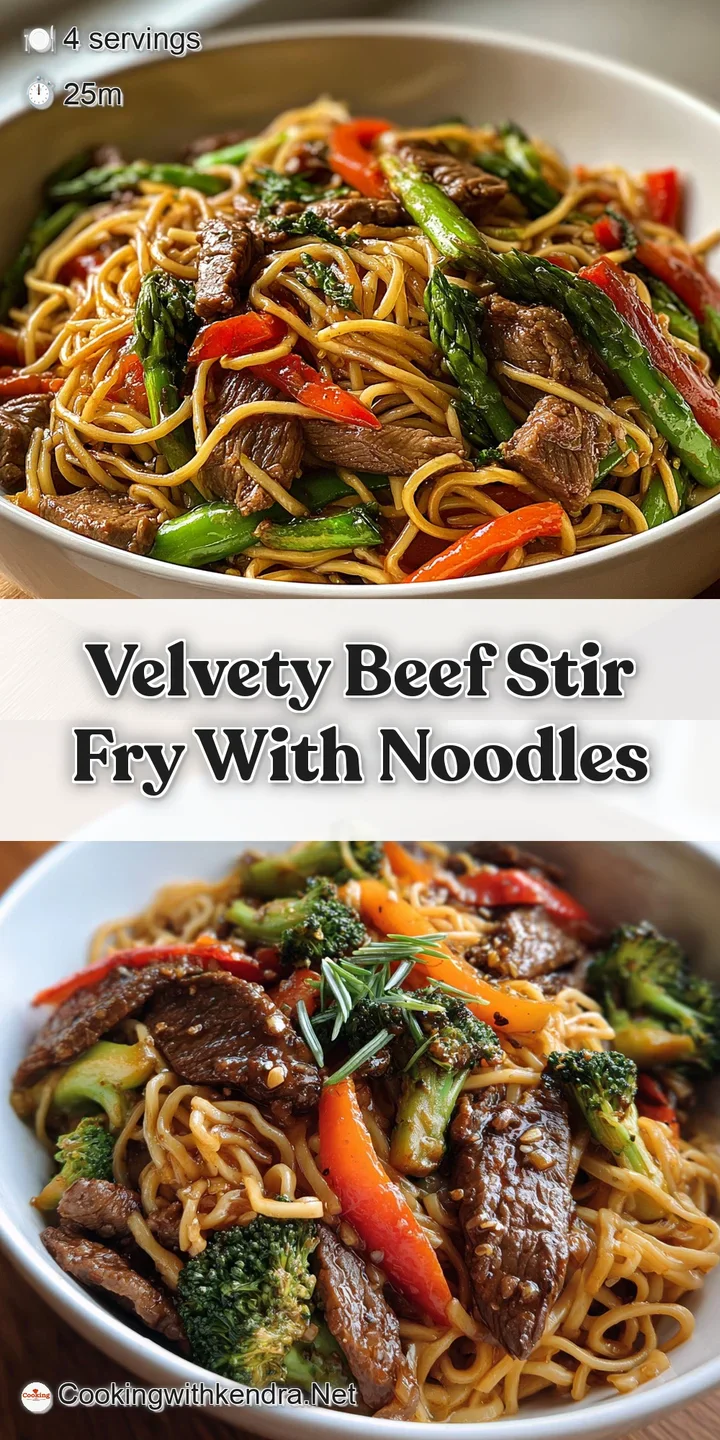
Very High in Sodium
1740 mg mg of sodium per serving (76% % of daily value)
The American Heart Association recommends limiting sodium intake to about 2,300mg per day.
Tips to Reduce Sodium in Your Lo Mein
-
Broth Swap-30%
Replace the low-sodium beef broth with homemade or truly no-sodium beef broth. This significantly cuts down on hidden sodium.
-
Soy Sauce Sub-25%
Use low-sodium soy sauce or tamari in both the marinade and the sauce. This is a major sodium contributor that can be easily addressed.
-
Oyster Sauce Control-20%
Reduce or eliminate the oyster sauce. If you keep it, use a very small amount of low-sodium oyster sauce, or substitute with a mushroom based sauce.
-
Dark Soy Dilution-15%
Use less dark soy sauce (it is VERY high in sodium) and increase the amount of low-sodium soy sauce to compensate for the color.
-
Chili Garlic Alternative-10%
Make your own chili garlic sauce using fresh chili and garlic, omitting any added salt. Pre-made versions are typically high in sodium.
-
Flavor Boost
Enhance the flavor of your dish with fresh herbs (like cilantro or basil) and spices (like ginger, garlic, and pepper) to compensate for reduced salt. They add complexity without adding sodium.
Recipe FAQs
How to stir fry beef with noodles?
Marinate the beef using baking soda, then sear it alone in a smoking hot pan until deeply browned. Remove the beef, flash fry your hard vegetables and aromatics, then return the beef and pre-cooked noodles.
Pour the prepared sauce over everything and toss quickly until the sauce bubbles and creates a glossy glaze.
Do I cook noodles before adding to stir fry?
Yes, the noodles must be cooked first. However, cook them until they are slightly under al dente about 1-2 minutes less than the package recommends. They will finish cooking and absorb the sauce flavor without becoming mushy in the final stir fry step.
What ingredients go into a beef stir fry?
Beef (flank or sirloin), noodles, soy sauce, oyster sauce, ginger, garlic, and a crunchy vegetable like broccoli or bell pepper. The key to restaurant texture is velveting the beef first with cornstarch and baking soda, which keeps it incredibly tender.
What is the best cut of beef for stir fry noodles?
Flank steak is the best economical choice, provided you slice it thinly against the grain. It takes the marinade well and sears beautifully when prepared using the velveting technique. For ultimate tenderness, you could substitute with a well marbled strip steak.
Should I use a wok or a skillet for this recipe?
A large, heavy skillet works perfectly well if you don't own a wok. The most critical factor is using high heat and cooking the beef in small batches so the pan doesn't cool down.
If you enjoyed mastering the high heat searing technique here, you'll find that same principle applies when learning How To Cook Kielbasa Pan-Seared in 20 Minutes for a great crust.
How do I prevent my beef from turning gray and chewy?
This is usually due to low pan temperature or overcrowding the pan. Ensure your cooking oil is shimmering hot before adding the meat, and cook the beef in a single layer, removing it immediately after a crust develops. This rapid searing sets the outside without overcooking the interior.
Can I make the sauce ahead of time?
Yes, the sauce mixture can be fully prepared up to 24 hours in advance. Whisk all the sauce components together, but remember to give it a vigorous whisk again right before pouring it into the hot pan, as the cornstarch will settle to the bottom.
If you like making components ahead, try our Dump And Go recipe for similar time saving benefits.
Beef Stir Fry Noodles
Ingredients:
Instructions:
Nutrition Facts:
| Calories | 542 kcal |
|---|---|
| Protein | 32.6 g |
| Fat | 21.4 g |
| Carbs | 54.8 g |
| Fiber | 4.2 g |
| Sugar | 6.5 g |
| Sodium | 1740 mg |
