Beef Tenderloin Recipe with Garlic and Herbs
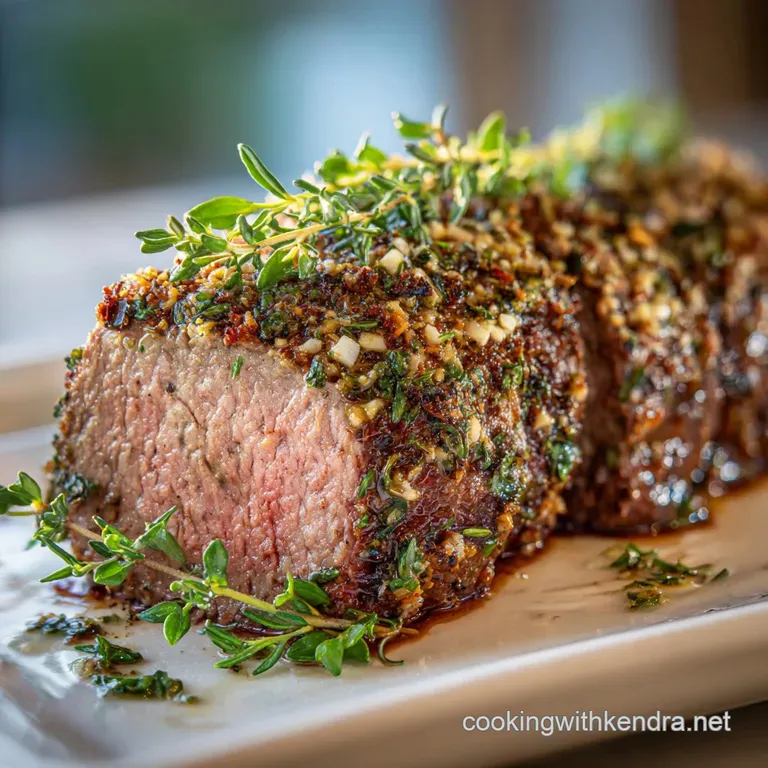
- Time: Active 45 minutes, Passive 1 hours 10 mins, Total 1 hours 55 mins
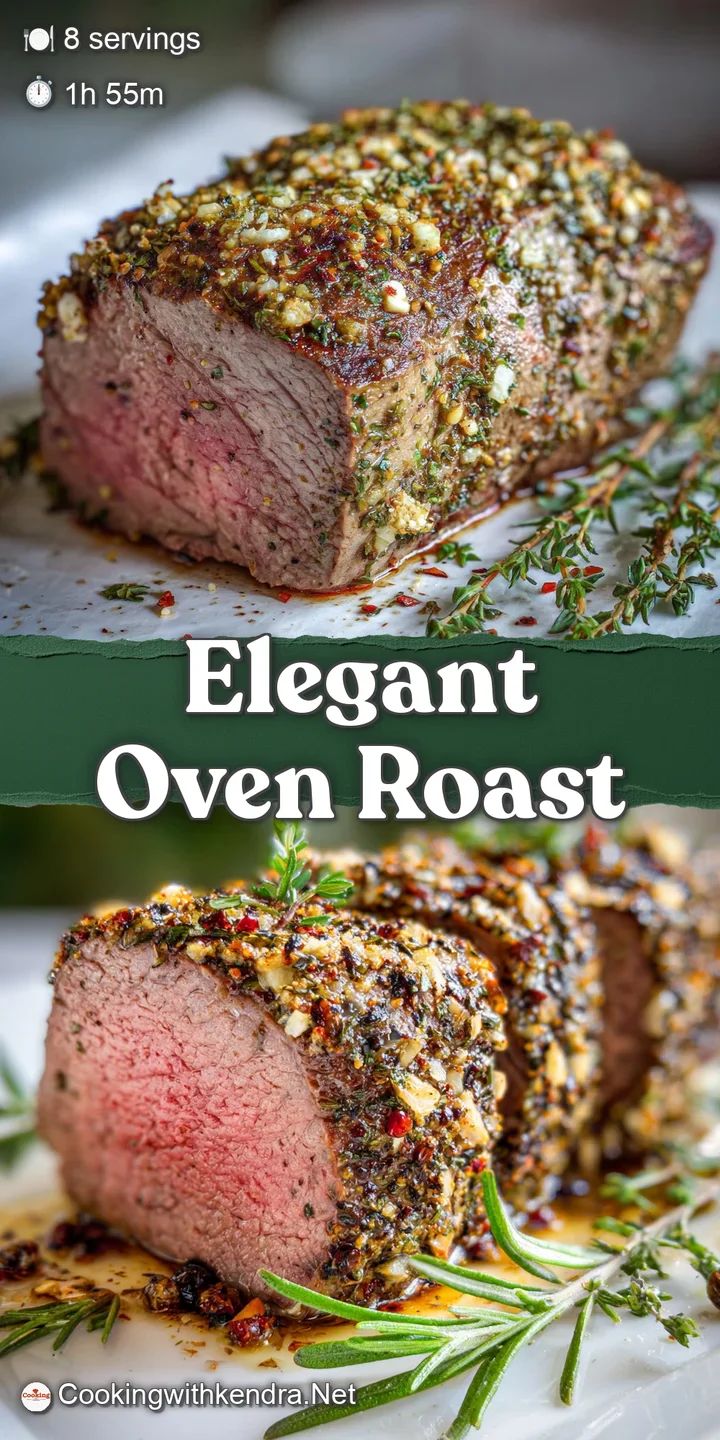
- Flavor/Texture Hook: Velvety center with a crackling, herb infused crust
- Perfect for: Holiday centerpieces or high stakes dinner parties
- The Simple Chemistry Behind This Perfectly Juicy Roast
- The Alchemy of Selecting Your Fresh Components
- The Essential Elements for Your Holiday Centerpiece
- Minimal Kitchen Tools for Maximum Success
- Step by Step Guide to a Flawless Roast
- Fixing Common Mistakes for a Perfectly Pink Center
- Easy Adjustments for Different Crowd Sizes
- Debunking Common Kitchen Misconceptions
- Managing Your Leftovers and Advance Preparation Tasks
- Presentation Ideas and Side Dishes for Your Table
- Very High in Sodium
- Recipe FAQs
- 📝 Recipe Card
Honestly, there is nothing quite like the sizzle of a 2 kg roast hitting a hot pan, followed by that intoxicating aroma of roasting rosemary and garlic hitting your nose. It is the kind of scent that makes everyone migrate toward the kitchen before you even set the table.
This Beef Tenderloin Recipe with Garlic and Herbs will become your new go to for special occasions.
We’ve all been there, staring at an expensive piece of meat in the grocery store, terrified of turning it into expensive shoe leather. I used to be so intimidated by tenderloin because it is lean and unforgiving, but after years of trial and error, I found the "reverse sear" adjacent method is actually the safest bet for home cooks.
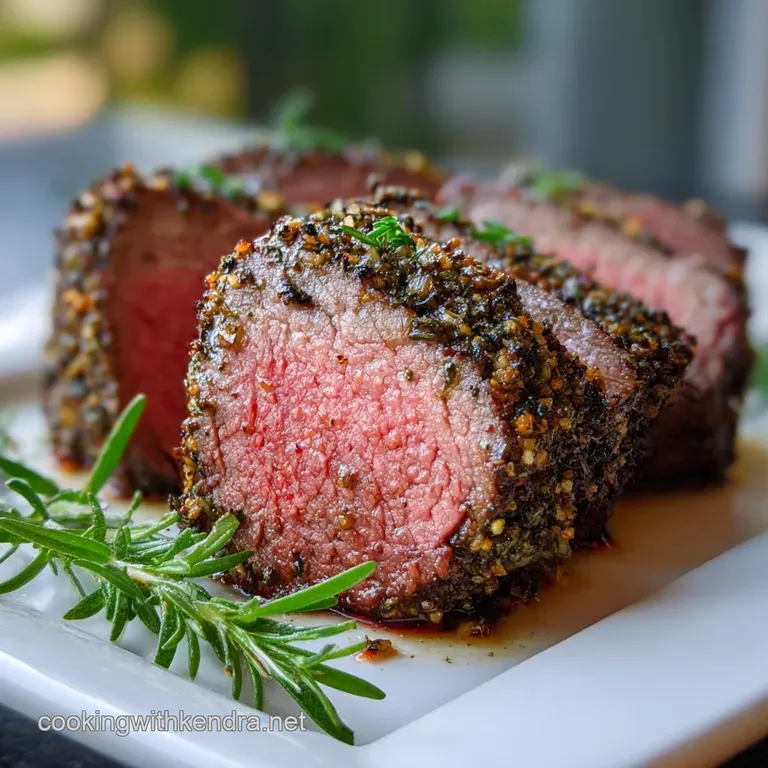
You get that beautiful pink center from edge to edge without that dreaded gray ring of overcooked meat.
Trust me on this, you don't need a culinary degree or a kitchen full of gadgets to pull this off. We’re focusing on simple steps that respect the quality of the beef while packing in a massive amount of flavor through a concentrated herb paste.
It’s elegant enough for a wedding but simple enough that you won't be stuck in the kitchen while your guests are enjoying their drinks.
The Simple Chemistry Behind This Perfectly Juicy Roast
1. The Science of Why it Works
Maillard Reaction: The initial over high heat sear creates a complex network of flavor molecules and a brown crust through the reaction of amino acids and reducing sugars.
Carryover Cooking: Internal energy continues to redistribute after the meat leaves the heat, raising the core temperature by several degrees during the rest.
- Surface Dehydration: Salting early draws moisture out, which then reabsorbs as a brine, seasoning the interior deeply.
- Fat Insulation: The softened butter acts as a vehicle for the herbs, protecting the lean meat from the direct dry heat of the oven.
- Protein Denaturation: Slower roasting prevents the muscle fibers from contracting too violently, which keeps the juices locked inside the cells.
- Enzymatic Breakdown: Letting the meat sit at room temperature (tempering) allows natural enzymes to begin softening the tissue before cooking begins.
2. Doneness and Precision Temperature Guide
| Thickness | Internal Temp (Pull) | Rest Time | Visual Cue |
|---|---|---|---|
| 3 inches | 120°F (49°C) | 15 minutes | Rare: Bright red, cool center |
| 3 inches | 130°F (54°C) | 15 minutes | Med Rare: Warm, deep pink center |
| 3 inches | 140°F (60°C) | 15 minutes | Medium: Rosy pink throughout |
Choosing the right pull temperature is vital because the heat continues to travel inward even after the roast is sitting on the counter. If you wait until the thermometer hits 135°F while it's still in the oven, you will end up with a medium well roast by the time you actually carve it.
The Alchemy of Selecting Your Fresh Components
| Component | Science Role | Pro Secret |
|---|---|---|
| Kosher Salt | Protein Denaturant | Use coarse grains for better surface area coverage and a crunchier crust. |
| Dijon Mustard | Emulsifier | It acts as "glue" for the herbs while the acidity cuts through the richness of the beef. |
| Unsalted Butter | Heat Transfer | Provides a medium for the garlic to roast without burning into bitter charcoal bits. |
While the beef is the star, the supporting cast determines if your roast is just "good" or truly unforgettable. I always reach for unsalted butter so I can control the seasoning myself, especially since we’re using a generous amount of salt on the meat itself.
The Essential Elements for Your Holiday Centerpiece
- 1 (4.5 lb) whole beef tenderloin: Trimmed and tied. Why this? Tying ensures even thickness for uniform cooking across the entire length. (Substitute: Chateaubriand cut)
- 2 tbsp neutral high smoke point oil: Like avocado or grapeseed. Why this? Prevents the pan from smoking out your kitchen during the hard sear. (Substitute: Ghee)
- 2 tbsp coarse kosher salt: For deep seasoning. (Substitute: Sea salt flakes)
- 1 tbsp freshly cracked black pepper: For a spicy bite. (Substitute: White pepper)
- 1/2 cup unsalted butter: Softened to room temp. Why this? Needs to be pliable enough to whip into a spreadable paste. (Substitute: Vegan butter block)
- 6 cloves garlic: Minced into a fine paste. (Substitute: 2 tsp garlic powder)
- 2 tbsp fresh rosemary: Finely chopped. (Substitute: 1 tbsp dried rosemary)
- 2 tbsp fresh thyme: Finely chopped. (Substitute: 1 tbsp dried thyme)
- 1 tbsp fresh parsley: Minced. (Substitute: Fresh chives)
- 1 tsp Dijon mustard: For tang and adhesion. (Substitute: Yellow mustard)
Minimal Kitchen Tools for Maximum Success
You don't need a rotisserie or a fancy roasting rack for this. I usually just use a heavy duty rimmed baking sheet and a large cast iron skillet. The heavy bottom of the cast iron is non negotiable for me because it holds heat so well, giving you that shatter crisp crust that thinner pans just can't manage.
If you have a meat thermometer, now is the time to dig it out of the drawer it is the only way to guarantee a perfect pink center every single time.
step-by-step Guide to a Flawless Roast
- Tempering the meat. Remove the 4.5 lb tenderloin from the fridge 1 hours before cooking. Note: Cold meat cooks unevenly, leaving you with a raw center and overcooked edges.
- Dry and season. Pat the beef completely dry with paper towels. Rub the 2 tbsp oil, 2 tbsp salt, and 1 tbsp pepper over the entire surface.
- The hard sear. Heat a large skillet over high heat until the oil is shimmering and slightly smoking. Sear the beef for 2-3 minutes per side until a brown crust forms.
- Create the herb butter. Mix the 1/2 cup butter, 6 cloves garlic, rosemary, thyme, parsley, and Dijon in a small bowl.
- Apply the coating. Once the beef has cooled slightly from the sear, slather the garlic herb mixture over the top and sides.
- Precision roasting. Place the beef on a wire rack over a baking sheet. Roast at 425°F (220°C) for 25-35 minutes until the internal temperature hits your desired doneness.
- The critical rest. Move the roast to a cutting board and tent loosely with foil. Let it sit for 15 minutes until the juices have redistributed throughout the muscle.
- Slice and serve. Cut the twine and slice into 1 inch thick medallions.
If you’re looking for a great side, this pairs beautifully with my Comforting Beef Barley recipe if you want a cozy winter theme, though honestly, simple mashed potatoes are the classic choice.
Fixing Common Mistakes for a Perfectly Pink Center
1. The "Soggy Bottom" Syndrome
If you roast the meat directly on the pan, the bottom will steam in its own juices instead of staying crisp. This happens when the moisture has nowhere to go. Always use a wire rack to allow hot air to circulate under the meat. If you don't have a rack, you can prop the meat up on thick slices of onion or potato.
2. Uneven Cooking in the Center
Tenderloins naturally taper at one end. If you don't tie the "tail" (the thin end) tucked under the main body, it will be gray and dry by the time the center is rare. This is why "trimmed and tied" is a mandatory step. If you bought it untied, use kitchen twine to create a uniform cylinder.
| Problem | Root Cause | Solution |
|---|---|---|
| Bitter crust | Garlic burned during sear | Only apply the garlic herb butter AFTER searing the meat. |
| Grey ring around edges | Oven was too hot | Lower the oven temp or ensure the meat was fully room temp before starting. |
| Dry, tough texture | No resting period | Rest for at least 15 minutes to allow fibers to relax and retain moisture. |
Common Mistakes Checklist:
- ✓ Never skip the paper towel pat down; moisture is the enemy of a good sear.
- ✓ Don't use "light" butter or margarine; the water content is too high and will steam the herbs.
- ✓ Avoid checking the temp every 2 minutes; you lose oven heat every time you open the door.
- ✓ Ensure your garlic is minced into a paste, not large chunks, so it integrates into the butter.
- ✓ Cut against the grain when serving to ensure the shortest muscle fibers and maximum tenderness.
Easy Adjustments for Different Crowd Sizes
If you are scaling this recipe down for a smaller family dinner, you can easily use a 2 lb (approx 1 kg) center cut roast. Reduce the roasting time by about 10-15 minutes, but keep the searing time the same.
For a smaller roast, I usually beat one egg and use half of it to help the herb crust stick if I'm reducing the butter volume significantly.
When scaling up for a big party (like two whole tenderloins), do not double the salt and spices exactly. Use about 1.5x the seasoning to avoid an overwhelming saltiness. You will likely need to sear the roasts in batches to avoid overcrowding the pan, which would drop the temperature and cause the meat to boil rather than sear. If you’re juggling multiple dishes, remember that the Italian Beef Stew recipe is a great way to use up any smaller trimmings you might have from a whole tenderloin.
Debunking Common Kitchen Misconceptions
One major myth is that searing the meat "locks in the juices." Science has proven that moisture loss happens regardless of the sear. The real reason we sear is for the flavor development of the crust. Another myth is that you should never use a thermometer and should only rely on the "finger poke" test.
Unless you’re a professional chef who touches hundreds of steaks a day, use the thermometer! It’s the only way to be 100% sure.
Managing Your Leftovers and Advance Preparation Tasks
Storage Guidelines: You can keep cooked tenderloin in the fridge for up to 4 days. Wrap it tightly in plastic wrap or foil to prevent it from drying out. For freezing, slice the meat first and wrap individual portions in parchment paper then a freezer bag; it stays good for up to 3 months.
To reheat, do it very gently in a 250°F (120°C) oven with a splash of beef broth until just warm to avoid overcooking that perfect pink center.
Zero Waste Tips: Don't throw away the fat trimmings or the "silver skin" if you trimmed the meat yourself. You can roast those scraps with some onions and carrots to make a quick beef stock or a base for a pan sauce.
If you have leftover medallions, they make the absolute best steak sandwiches the next day with a little horseradish mayo and some arugula.
Presentation Ideas and Side Dishes for Your Table
When it comes to serving, I love placing the whole roast on a large wooden board surrounded by charred lemon halves and extra sprigs of fresh rosemary. It creates a rustic, "wow" moment when you bring it to the table.
Slicing it at the table also allows people to see that perfect medium rare gradient before they dive in.
For sides, you want something that can soak up those herb butter juices. Garlic mashed potatoes or a simple risotto work beautifully. If you're looking for something a bit different, a Crockpot Recipe with potatoes and carrots can actually be prepped earlier in the day to save oven space. A bright, acidic salad with a lemon vinaigrette is also a great way to cut through the richness of the beef. Just make sure whatever you serve isn't so flavorful that it competes with the garlic and herbs on the roast!
Very High in Sodium
1485 mg mg of sodium per serving (65% of daily value)
The American Heart Association recommends limiting sodium intake to about 2,300mg per day.
Tips to Reduce Sodium in Your Beef Tenderloin
-
Reduce Coarse Salt-25%
Coarse kosher salt is a major contributor to the high sodium content. Try reducing the amount used by at least half or substituting with a low-sodium alternative.
-
Unsalted Butter is Key
You're already using unsalted butter, which is excellent! Continuing to use unsalted butter avoids adding unnecessary sodium to the garlic herb mixture.
-
Herb Power!
Continue using fresh rosemary, thyme, and parsley! Using fresh herbs intensifies the flavor allowing you to minimize or eliminate salt without sacrificing taste.
-
Spice it Up!-5%
Consider adding spices like garlic powder, onion powder (ensure no added salt), or a pinch of red pepper flakes to enhance the flavor profile, potentially reducing the need for as much salt.
-
Fresh Garlic Paste
Making your own garlic paste from fresh garlic cloves is a great choice as you're avoiding any potentially high sodium garlic purees or powders.
-
Fresh over Processed-5%
Stick to fresh herbs (rosemary, thyme, parsley) instead of dried herbs, which sometimes contain added salt as a preservative.
-
Homemade Dijon-10%
Commercially prepared Dijon mustard can be relatively high in sodium. Consider making your own from scratch or using it sparingly.
Recipe FAQs
What is the best way to ensure beef tenderloin stays moist and tender?
Sear first, then roast at a lower temperature. This initial high heat sear develops a delicious crust through the Maillard reaction, while the subsequent lower temperature roasting prevents the lean meat from drying out, similar to how we control texture in our Ultimate Roast Beef with Creamy Blue Cheese Sauce: A Dinner Delight!.
How long should beef tenderloin rest after cooking?
Rest for at least 15 minutes. This crucial step allows the juices to redistribute throughout the meat fibers, ensuring a tender and moist result when sliced.
Can I prepare the garlic herb butter ahead of time?
Yes, absolutely. The garlic herb butter can be made up to 3 days in advance and stored in the refrigerator. Just let it soften slightly at room temperature before slathering it on the seared tenderloin.
What internal temperature should I aim for when cooking beef tenderloin?
Pull the tenderloin from the oven at 120-130°F (49-54°C) for rare to medium rare. Remember that carryover cooking will continue to raise the temperature during the resting period.
Is it true that searing meat locks in juices?
No, this is a common misconception. While searing is essential for flavor development and a beautiful crust, it doesn't physically "lock in" juices; moisture loss occurs regardless. The primary benefit is the delicious Maillard reaction.
How can I prevent the bottom of the tenderloin from becoming soggy?
Use a wire rack set over a baking sheet. This allows hot air to circulate underneath the roast, preventing it from sitting in its own juices and ensuring a crisp exterior all around.
What are good side dishes to serve with beef tenderloin?
Classic pairings like mashed potatoes or risotto work wonderfully. For a heartier option, consider something like Stuffed Peppers Recipe: Classic Beef Rice Baked Perfect, or a vibrant salad to cut through the richness of the beef.
Beef Tenderloin Garlic Herb
Ingredients:
Instructions:
Nutrition Facts:
| Calories | 692 kcal |
|---|---|
| Protein | 51.3 g |
| Fat | 52.8 g |
| Carbs | 1.2 g |
| Fiber | 0.4 g |
| Sugar | 0.1 g |
| Sodium | 1485 mg |
