The Best Homemade Baked Macaroni and Cheese
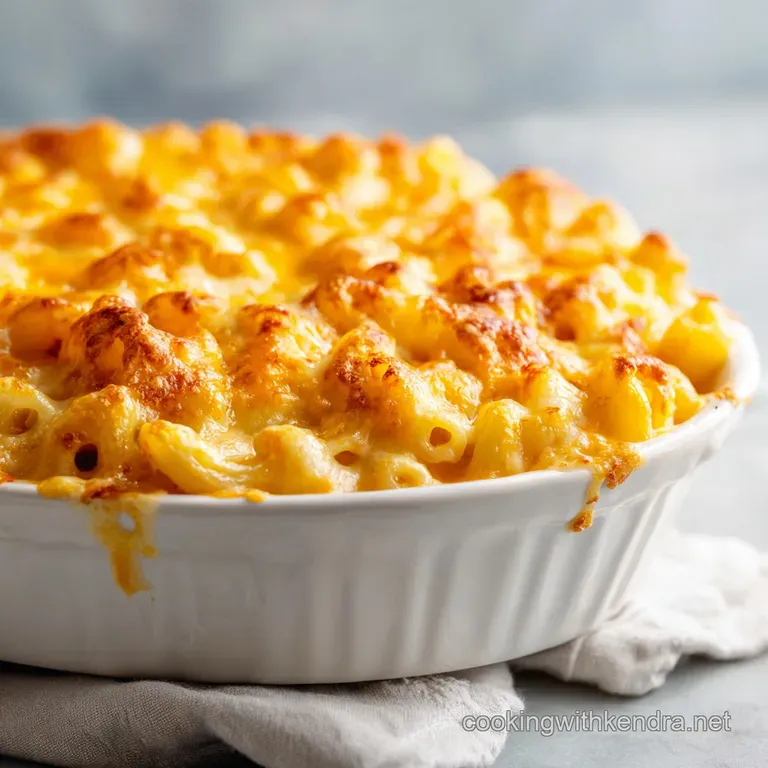
- Time: Active 20 minutes, Passive 30 minutes, Total 50 minutes
- Flavor/Texture Hook: A velvety, gold flecked sauce with a topping that offers a satisfyingly crisp shatter
- Perfect for: A crowd-pleasing Sunday dinner or a cozy holiday side dish
- Master the Art of a Velvet Macaroni and Cheese
- Essential Specs for Perfect Cooking Timing
- Selecting Quality Elements for the Best Result
- Necessary Tools for a Seamless Cooking Experience
- Step by Step Path to Golden Perfection
- Solving Common Texture and Flavor Problems
- Simple Ways to Customize Your Favorite Dish
- Tips for Storing and Reheating Your Leftovers
- Finishing Touches for the Best Presentation
- High in Sodium
- Macaroni and Cheese FAQs
- 📝 Recipe Card
Master the Art of a Velvet Macaroni and Cheese
We have all been there, standing over a pot of what should be liquid gold, only to watch it break into a gritty, oily mess. I remember my first real attempt at a "fancy" version for a family potluck years ago.
I spent a fortune on pre shredded bags of "artisan" blends, thinking I was being smart, but the result was a rubbery clump of pasta sitting in a pool of orange grease. It was embarrassing, and honestly, we just ended up ordering pizza while my expensive cheese went in the bin.
That failure sent me down a rabbit hole of sauce science. I realized that the secret isn't just about more cheese; it's about the emulsion. This recipe is the result of those messy lessons. We're going to use a specific ratio of fats and starches to create a sauce that actually grips the pasta.
No more "soup" at the bottom of the dish, and definitely no more gritty textures. This is the version your friends will actually text you for the next day.
It's all about the "squish" factor. When you stir that heavy, cheese laden sauce into the slightly undercooked noodles, the sound alone tells you you've done it right. We're aiming for a dish that feels like a warm hug but has enough backbone from the extra sharp cheddar to keep things interesting.
Trust me on this, once you understand how the roux and the cheese work together, you will never go back to a box or a basic stovetop version again.
The Physics of the Cheese Emulsion
Molecular Bonding: The dry mustard acts as a natural emulsifier, helping the fat from the heavy cream and cheese stay suspended in the liquid milk. This prevents the sauce from breaking or becoming oily during the over high heat baking process.
Chef Science Tip: Freeze your Monterey Jack for about 10 minutes before grating. It's a softer cheese, and those few minutes in the cold make it firm enough to shred without it turning into a mushy ball in your hand.
Chef Science Tip: Always add your cheese to the sauce OFF the heat. If the milk mixture is boiling when the cheese goes in, the proteins will seize and tighten, which is exactly how you end up with a grainy texture.
Essential Specs for Perfect Cooking Timing
Before we get our hands dirty, let's look at the roadmap. If you want that perfect contrast between a soft interior and a golden crust, timing is your best friend. Most people overcook their pasta in the water, forgetting that it's going to spend another half hour "steaming" inside that hot sauce in the oven.
| Cooking Phase | Target Time | Visual or Sensory Cue |
|---|---|---|
| Pasta Boiling | 6-7 minutes | Firm to the bite (chalky center is gone) |
| Sauce Simmering | 5-8 minutes | Thick enough to coat a metal spoon |
| Oven Baking | 30 minutes | Bubbling edges and a deep golden top |
If you find yourself in a rush and can't commit to the oven, you can easily pivot. While this recipe is designed for the oven, sometimes a quick stovetop fix is what the soul needs. For those faster nights, you might even consider a Cottage Cheese Alfredo recipe which hits that creamy craving in half the time. However, for the full on experience, the oven is non negotiable.
Selecting Quality Elements for the Best Result
The quality of your fats determines the silkiness of your finish. We are using a mix of whole milk and heavy cream because milk provides the volume, while the cream provides the stability. low-fat versions simply won't have the molecular structure to hold the cheese in place.
The Mac And Cheese Ingredients
- 1 lb Large Elbow Macaroni: The "large" version has a wider tunnel to trap more sauce inside. Why this? More surface area means a better ratio of cheese to pasta in every bite.
- 6 tbsp Unsalted high fat butter: High fat butter (like European style) contains less water, leading to a richer roux. Why this? It creates a more stable base for the flour to thicken.
- 1/2 cup All purpose flour: This is our thickening agent.
- 3 cups Whole milk: Essential for the base volume of the Mornay sauce.
- 1 cup Heavy cream: Adds necessary fat for a velvety, restaurant quality mouthfeel.
- 1 tsp Dry mustard: Acts as an emulsifier and cuts through the richness.
- 1/2 tsp Garlic powder: Adds a subtle savory depth without the chunks of fresh garlic.
- 1/4 tsp Smoked paprika: Provides a tiny hint of wood fired flavor and a beautiful orange hue.
- 1/4 tsp Nutmeg: This is the "secret" ingredient that makes people ask why it tastes so good.
- 12 oz Extra Sharp Yellow Cheddar: Hand grated for the best melt. Why this? Pre shredded cheese is coated in potato starch, which ruins the sauce texture.
- 8 oz Monterey Jack or Gruyere: Provides the "stretch" and a buttery flavor.
- 4 oz Low moisture Mozzarella: Gives that classic cheese pull we all love.
- Salt and freshly cracked black pepper: To taste.
Ingredient Deep Dive
| Component | Science Role | Pro Secret |
|---|---|---|
| Extra Sharp Cheddar | Flavor Profile | Use a block aged at least 9 months for maximum "bite." |
| Dry Mustard | Emulsification | It bridges the gap between water based milk and oil based cheese. |
| Whole Milk | Liquid Base | Ensure it is room temperature to prevent the roux from clumping. |
| Large Elbows | Structural Integrity | Under boil by 2 minutes so they don't turn into mush in the oven. |
Necessary Tools for a Seamless Cooking Experience
You don't need a professional kitchen, but a few specific tools make this much easier. A heavy bottomed pot, like a Dutch oven, is fantastic for the sauce because it holds heat evenly. This prevents the bottom of your roux from scorching while you're whisking in the milk.
- Large Box Grater: Do not use the pre shredded stuff. The effort of hand grating is what separates "okay" mac from "legendary" mac.
- Whisk: A sturdy balloon whisk is essential for getting those flour lumps out of the butter.
- 9x13 Baking Dish: Ceramic or glass works best for even browning.
- Large Colander: For draining the pasta immediately to stop the cooking.
If you are looking for a slightly different texture, perhaps something with a bit more crunch on top, you might want to look into a Classic Mac and recipe that utilizes a panko crust. This specific version we are making today relies on the cheese itself to form that beautiful crust, but a panko version is a great alternative for texture lovers.
step-by-step Path to Golden Perfection
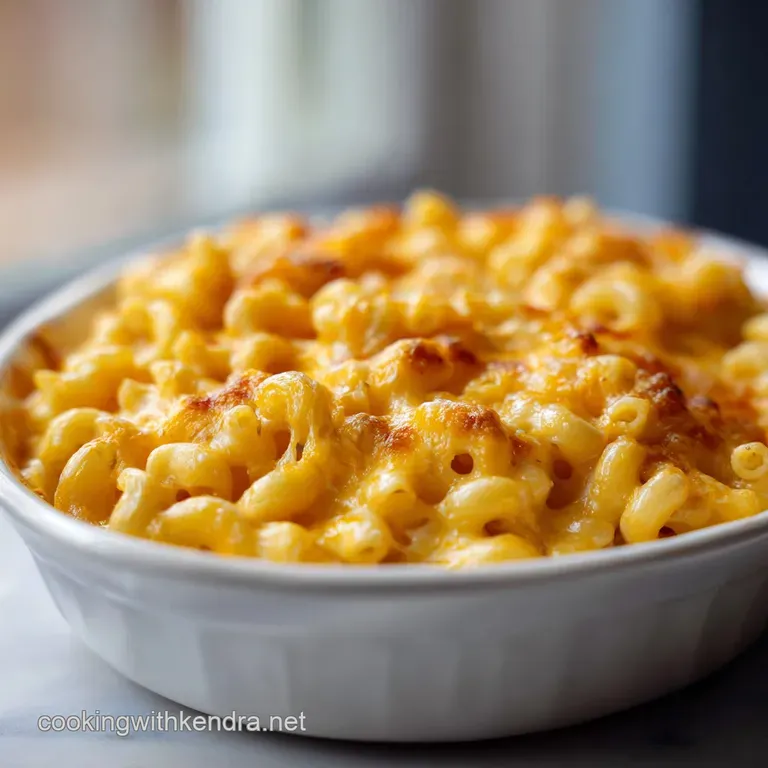
Let's get into the flow. The goal is to have your sauce ready just as the pasta finished draining. This prevents the noodles from sticking together in the colander.
1. The Par Boil Prep
Bring a large pot of heavily salted water to a boil. It should taste like the sea. Drop your 1 lb Large Elbow Macaroni and cook for exactly 6 minutes. You want them "al dente" or even slightly firmer. Drain them and set them aside.
Note: Do not rinse the pasta; the surface starch helps the sauce stick.
2. Constructing the Mornay Base
In a large Dutch oven or heavy pot, melt the 6 tbsp Unsalted high fat butter over medium heat. Once it starts to sizzle, whisk in the 1/2 cup All purpose flour. Cook this "blonde roux" for about 2 minutes, whisking constantly.
You want the raw flour smell to disappear, but don't let it turn brown.
3. The Emulsion Phase
Slowly pour in the 3 cups Whole milk and 1 cup Heavy cream while whisking like your life depends on it. Start with just a splash, whisk until smooth, then add the rest.
Add the 1 tsp Dry mustard, 1/2 tsp Garlic powder, 1/4 tsp Smoked paprika, and 1/4 tsp Nutmeg. Simmer for 5-8 minutes until the sauce is thick and velvety.
4. The Layering Logic
Turn off the heat. Stir in about 75% of your grated Extra Sharp Cheddar, Monterey Jack, and Mozzarella. Stir gently until the cheese has melted into a smooth, thick liquid. Taste it now add salt and pepper as needed.
Fold in the cooked macaroni until every tube is filled with sauce.
5. The Golden Bake
Pour half of the mixture into your baking dish. Sprinkle a layer of the remaining cheese. Pour the rest of the mac on top and finish with the last of the cheese. Bake at 350°F (180°C) for 30 minutes until the top is golden and crackling.
Let it rest for 10 minutes before serving. Note: Resting allows the sauce to set so it doesn't run all over the plate.
Solving Common Texture and Flavor Problems
Even with a plan, things can go sideways. The most common heartbreak is a sauce that looks perfect in the pot but turns grainy in the oven. This usually happens because of heat management or using "low-fat" substitutes that can't handle the temperature.
Why Your Sauce Is Grainy
If your sauce feels like fine sand on your tongue, the cheese proteins have likely clumped together. This happens if the sauce was too hot when you added the cheese, or if you used pre shredded cheese containing anti caking agents like cellulose. Cellulose doesn't melt; it just sits there, ruining your vibe.
| Problem | Root Cause | Solution |
|---|---|---|
| Oily Separation | Heat was too high | Add a splash of cold cream and whisk vigorously off heat. |
| Dry Macaroni | Pasta over absorbed sauce | Under cook pasta more or add 1/2 cup extra milk next time. |
| Bland Flavor | Not enough salt/acid | Add more dry mustard or a tiny splash of hot sauce to the cheese. |
Common Mistakes Checklist
- ✓ Grate your own cheese: I cannot stress this enough; it is the #1 reason for sauce failure.
- ✓ Don't skip the nutmeg: You won't taste "nutmeg," you'll just taste a richer, more complex cheese.
- ✓ Salt the pasta water: This is your only chance to season the actual noodle.
- ✓ Watch the roux: If it smells burnt, start over. A burnt roux will make the whole dish taste bitter.
- ✓ Let it rest: If you scoop it immediately, the sauce will be too thin. 10 minutes makes a world of difference.
If you are looking for a more traditional, soul food style finish, you might enjoy the Properly Proper Baked recipe which leans into a slightly firmer, sliceable texture that is iconic at family reunions.
Simple Ways to Customize Your Favorite Dish
Once you've mastered the base, you can start playing with the "extras." My kids love it when I throw in some crispy bacon bits, while my husband prefers a kick of chopped jalapeños.
The beauty of this Macaroni and Cheese is that the sauce is stable enough to handle a few add ins without breaking.
| Original Ingredient | Substitute | Why It Works |
|---|---|---|
| Monterey Jack | Gruyere | Adds a sophisticated, nutty flavor. Note: Gruyere is pricier but melts beautifully. |
| Large Elbows | Cavendish/Cellentani | These corkscrew shapes hold even more sauce in their spirals. |
| Smoked Paprika | Cayenne Pepper | Increases the heat. Note: A little goes a long way; start with 1/8 tsp. |
The Soul Food Heirloom Twist
To give this an "Old Fashioned" feel, some families add a beaten egg to the milk mixture before adding it to the roux. This creates a "custard style" Macaroni and Cheese that is much firmer and can be cut into neat squares.
If you go this route, temper the egg by adding a little warm milk to it first so you don't end up with breakfast in your pasta.
Tips for Storing and Reheating Your Leftovers
Leftover Macaroni and Cheese is a gift, but it can get dry. As it sits in the fridge, the pasta continues to drink up the moisture from the sauce.
Storage: Keep it in an airtight container in the fridge for up to 4 days. You can also freeze it for up to 2 months, though the texture of the sauce may change slightly upon thawing.
Reheating: To bring back that velvety texture, don't just microwave it on high. Place a portion in a bowl, add a tablespoon of milk, and cover it. Microwave at 50% power, stirring halfway through. This gently thins the sauce back out without shocking the fats into separating.
Zero Waste Tip: If you have small amounts of "scrap" cheese in the fridge a bit of gouda, a slice of provolone grate them all up and throw them into your blend! Macaroni and cheese is the ultimate "clean out the fridge" meal for those random cheese ends.
Finishing Touches for the Best Presentation
We eat with our eyes first, so don't just flop this onto a plate. A little green goes a long way. A sprinkle of fresh parsley or chives adds a pop of color and a fresh bite that cuts through the heavy dairy.
If you really want to impress, serve this in individual cast iron skillets. The iron holds the heat, keeping the cheese gooey until the very last bite, and it creates those coveted "crispy corners" that everyone fights over.
For a truly decadent experience, a drizzle of truffle oil right before serving can turn this humble comfort food into something you'd find at a high end steakhouse.
Actually, if you're looking for the ultimate crowd pleaser, I highly recommend checking out The Baked Mac recipe. It shares many of the same scientific principles we discussed today but focuses on a specific technique for getting that iconic, thick cheese layer on top.
Kitchen Myths Debunked
"Adding oil to pasta water prevents sticking." In reality, oil just floats on top and then coats the pasta as you drain it, which prevents the sauce from actually sticking to the noodles. Just use plenty of water and stir occasionally.
"Searing the flour for a long time makes a better sauce." For a Mornay sauce, you want a blonde roux. If you cook the flour until it's brown (like a gumbo roux), it loses its thickening power, and your cheese sauce will stay watery no matter how much cheese you add.
Right then, I think you're ready to tackle this! Just remember: grate that cheese by hand, don't overcook the noodles, and let that roux cook off the raw flour taste. You've got this. Let me know how that first "squish" sounds when you mix it all together it's the best part!

High in Sodium
840 mg mg of sodium per serving (37% % of daily value)
The American Heart Association recommends limiting sodium intake to no more than 2,300mg per day for most adults.
Tips to Reduce Sodium in Your Mac & Cheese
-
Reduce Cheese Sodium-15%
Use low-sodium cheddar cheese, or use 6 oz of regular cheddar instead of 12 oz to cut sodium. Adjust Monterey Jack/Gruyere and Mozzarella proportionally.
-
Omit Added Salt-15%
Eliminate added salt. Taste the mac and cheese before adding any salt, as the cheese already contributes a significant amount of sodium. You can add salt at the table, if needed.
-
Use Low-Sodium Milk-10%
Using a lower fat (2% or 1%) milk as opposed to whole milk and heavy cream can reduce sodium content without sacrificing texture significantly. Check the label for sodium content.
-
Spice it Up!
Experiment with herbs and spices to enhance flavor without adding sodium. Try a pinch of cayenne pepper or a dash of onion powder.
Macaroni and Cheese FAQs
What's the secret to perfect mac & cheese?
Emulsification stability is the secret. The sauce breaks when the fat separates from the liquid, usually due to excessive heat or using pre-shredded cheese. Control your temperature when adding cheese, and always grate it fresh.
What are the three best cheeses for mac and cheese baked?
Use Extra Sharp Cheddar, Monterey Jack, and Low-Moisture Mozzarella. The Cheddar provides the essential flavor bite, the Jack melts smoothly for creaminess, and the Mozzarella gives you the iconic stretch or "cheese pull."
How to cook the perfect mac and cheese?
Under boil the pasta by two minutes before mixing it with the hot sauce. The noodles must absorb liquid during the final baking stage; if they are fully cooked beforehand, they will turn mushy while in the oven.
What ingredients do I need for mac and cheese?
You need pasta, butter, flour, whole milk, heavy cream, dry mustard, and a blend of three cheeses. The roux (butter/flour) thickens the dairy base into a Mornay sauce, and the dry mustard helps emulsify the cheese fats.
Why does my mac and cheese sauce taste gritty after baking?
False, the sauce shouldn't be gritty. Grittiness results from the cheese proteins seizing up due to adding cheese when the milk mixture is boiling hot. Always turn the heat off before incorporating the cheese.
How do I ensure a rich flavor, not just a cheesy flavor?
Add a quarter teaspoon of nutmeg and use high fat butter in your roux. Nutmeg deepens the overall savory profile without making the sauce taste sweet, much like how acid balances flavor in a good [Italian Dish with recipe].
Is it better to use a roux or evaporated milk for the sauce base?
A roux provides superior structure and allows for better texture customization. While evaporated milk speeds up the process, a proper roux using butter and flour creates a more stable emulsion that resists breaking under baking temperatures.
Best Baked Macaroni And Cheese
Ingredients:
Instructions:
Nutrition Facts:
| Calories | 789 calories |
|---|---|
| Protein | 33g |
| Fat | 49g |
| Carbs | 55g |
| Fiber | 2g |
| Sugar | 7g |
| Sodium | 840mg |
