Best Christmas Sides: Shatter-Crisp Sprouts
- Effort/Time: 40 minutes total (Active: 15 minutes)
- Flavor Hook: Smoked-fat umami meets bright pomegranate acidity
- Perfect for: Crowd-pleasing holiday feasts and make-ahead gatherings. These christmas sides shine on any table.
- Mastering Vibrant Brussels Sprouts: The Ultimate Masterclass in Christmas Sides
- The Culinary Physics of Maillard Reactions and Glaze Adhesion
- Yield Analysis and Precision Timing for Your Holiday Menu
- The Flavor Architecture: Essential Elements for Festive Vegetable Dishes
- Thermodynamic Tools: The Best Gear for Even Heat Distribution
- Phase-Driven Execution: Achieving the Ultimate Crunch-to-Char Ratio
- Why Your Veggies Turn Mushy: Identifying and Fixing Texture Failures
- Budget-Smart Pivot: Flavor Variations and Economical Substitutions
- ⚗️ The Scaling Lab: The Physics of Quantity
- Thermal Preservation: Cooling and Reheating Protocols for Leftovers
- Texture and Color Coordination: How to Build Your Holiday Plate
- Recipe FAQs
- 📝 Recipe Card
Mastering Vibrant Brussels Sprouts: The Ultimate Masterclass in Christmas Sides
The sharp hiss of cold sprouts hitting a searing Lodge Cast Iron Skillet is the sound of a holiday saved. We have all been there: you spend $15 on organic produce only to pull a tray of grey, sulfurous mush out of the oven that nobody wants to touch. It is a waste of money, time, and valuable plate real estate.
It’s frustrating when your potential christmas sides fail so spectacularly. When I first started hosting, I crowded my pans so tightly that the vegetables steamed in their own moisture, resulting in a texture reminiscent of wet cardboard.
It was a humble pie moment that forced me to look at the physics of the pan, especially when preparing essential christmas sides.
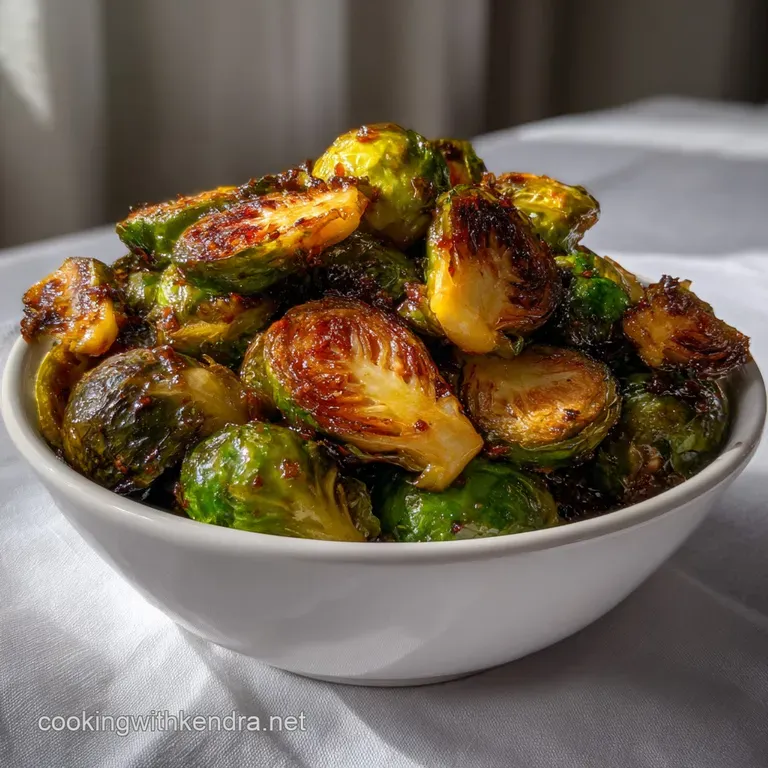
The secret to world class christmas sides isn't a complex spice rack; it is the Maillard reaction. By maximizing the surface area of the Brussels sprouts and controlling the moisture-to-fat ratio, we transform a bitter cruciferous vegetable into a mahogany colored treat with a shattering crunch.
This technique ensures that these christmas sides are highly coveted. We are moving away from boiling and moving toward high velocity heat. This approach ensures your kitchen is filled with nutty, caramelized aromas rather than the pungent scent of overcooked cabbage, a major pitfall when making traditional christmas sides.
We want a side dish that feels like part of the community, something shared with laughter over a big table. This recipe balances the heavy, savory notes of pancetta with the vibrance of fresh pomegranate arils. It is about the chemistry of contrast crunchy, soft, salty, and sweet all hitting the palate at once.
Mastering this makes for spectacular christmas sides. Let's crack on with the science that makes this happen, ensuring you have the best christmas sides available.
The Culinary Physics of Maillard Reactions and Glaze Adhesion
- Maillard Optimization: High heat (400°F) triggers a chemical reaction between amino acids and reducing sugars, creating hundreds of different flavor compounds and a brown, crispy exterior. This is key for savory christmas sides.
- Hygroscopic Balancing: Raw honey acts as a humectant, pulling moisture into the glaze to create a tacky, glass like coating that clings to the sprout's nooks and crannies.
- Acidic Brightening: Balsamic vinegar provides acetic acid, which cuts through the dense rendered fat of the pancetta, preventing the palate from feeling "greasy." A necessary balance for rich holiday fare like these christmas sides.
- Thermal Retention: Using a heavy roasting pan ensures the temperature doesn't plummet when the 2 lbs Brussels sprouts are added, preventing the dreaded "steaming" effect crucial for success with these christmas sides.
Yield Analysis and Precision Timing for Your Holiday Menu
| Metric | Value | Technical Note |
|---|---|---|
| Total Yield | 8 servings | Based on 4 oz portions per person |
| Prep Time | 15 minutes | Includes trimming and manual pomegranate extraction |
| Cook Time | 25 minutes | Variable based on oven calibration and sprout density |
| Total Time | 40 minutes | Non-linear: roasting occurs while you prep the garnish |
| Oven Temp | 400°F (204°C) | The "sweet spot" for roasting without burning sugars |
The Flavor Architecture: Essential Elements for Festive Vegetable Dishes
Ingredient Chemistry Breakdown
| Ingredient | Chemical/Physical Role (Science) | The Pro Secret (Why This Matters) |
|---|---|---|
| Brussels Sprouts | Cellulose breakdown & sulfur conversion | Halving increases surface area for 2x the Maillard reaction |
| Pancetta | Lipid rendering and salt seasoning | Animal fat has a higher smoke point and deeper umami than oil |
| Balsamic Vinegar | Acetic acid denaturation | Breaks down tough fiber while balancing sugar levels |
| Raw Honey | Viscosity and caramelization agent | Prevents the glaze from running off the vegetables during cooling |
The Selection Protocol
- 2 lbs Brussels sprouts, trimmed and halved: Look for small, tight heads. Why this? Smaller sprouts have less water content, ensuring a tighter, crispier leaf structure for these excellent christmas sides.
- 4 oz pancetta, diced small: Use Boar's Head Cured Pancetta if available. Why this? High fat-to-protein ratio provides the "liquid gold" needed for roasting.
- 3 tbsp extra virgin olive oil: Use a high-quality cold pressed oil.
- 1/4 cup balsamic vinegar: Aim for a "6 leaf" density if using Italian grading.
- 2 tbsp raw honey: Local honey adds regional pollen notes and superior thickness.
- 1/2 cup pomegranate arils: These provide "acid pops" that refresh the tongue between bites, offering bright contrast to heavier christmas sides.
- 1/4 cup toasted pecans, roughly chopped: Adds an earthy, fatty crunch to contrast the soft sprout centers.
- 1 tsp fresh thyme leaves: Essential oils in thyme are fat-soluble and bloom in the pancetta grease.
- 1 tsp sea salt & 1/2 tsp black pepper: Use Diamond Crystal Kosher Salt for better finger tip control.
Thermodynamic Tools: The Best Gear for Even Heat Distribution
- Lodge 12 inch Cast Iron Skillet: The high thermal mass prevents temperature drops when adding cold vegetables.
- Wüsthof Classic 8 inch Chef’s Knife: Sharpness is critical to avoid crushing the cell walls of the sprouts.
- Nordic Ware Half Sheet Pan: Aluminum provides the most consistent heat conductivity if not using cast iron.
- Small Stainless Steel Saucepan: For the balsamic reduction to ensure even evaporation.
- Microplane Zester: (Optional) if you want to add citrus zest to the final garnish.
Phase Driven Execution: Achieving the Ultimate Crunch-to-Char Ratio
- Preheat the oven to 400°F with your roasting pan inside. Note: This creates an immediate sear upon contact.
- Trim the 2 lbs Brussels sprouts by removing the woody stem and any yellowed leaves.
- Halve each sprout vertically through the core. Note: The core keeps the leaves from detaching during the roast.
- Toss sprouts in a large bowl with 3 tbsp olive oil, 1 tsp salt, and 1/2 tsp pepper until every crevice is glistening.
- Place sprouts cut-side down on the hot pan until you hear a persistent sizzle.
- Scatter 4 oz diced pancetta over the sprouts until the fat begins to render translucent.
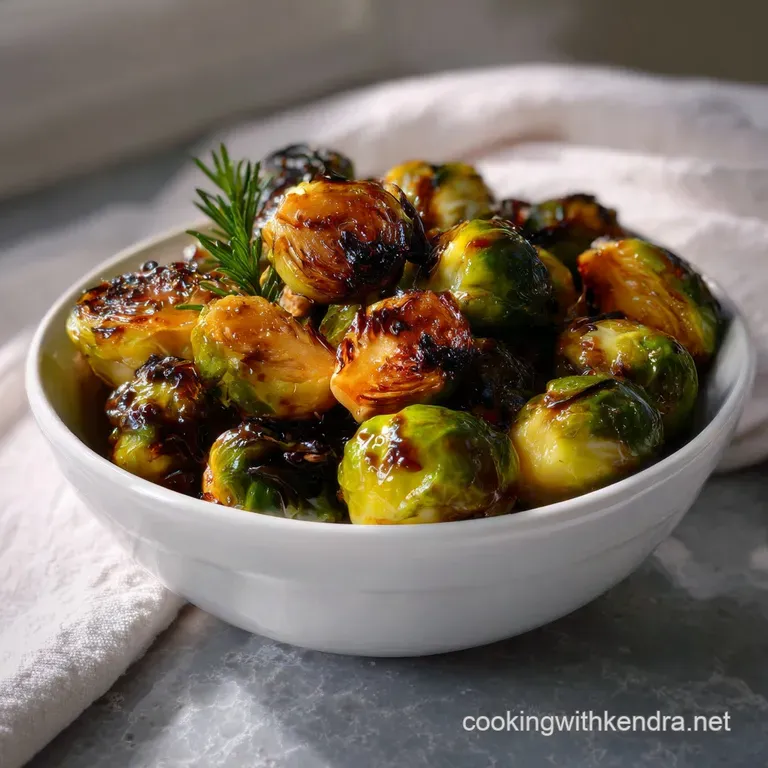
- Roast for 20 minutes until the outer leaves are dark mahogany and the bottoms are charred. These cooked beauties are ready to join your other christmas sides.
- Simmer 1/4 cup balsamic and 2 tbsp honey in a small pan for 5 minutes until it coats the back of a spoon.
- Drizzle the reduction over the hot sprouts and toss until the glaze becomes tacky and fragrant.
- Top with 1/2 cup pomegranate arils, 1/4 cup pecans, and 1 tsp thyme until the vibrant red pops against the green.
Why Your Veggies Turn Mushy: Identifying and Fixing Texture Failures
Brussels sprouts contain a high percentage of water. When heat is applied slowly, the cell walls collapse and release moisture faster than it can evaporate. This creates a steam sauna effect in the pan.
To keep your easy christmas sides crispy, you must maintain a gap of at least 1/2 inch between each sprout. If you overlap them, you are making a stew, not a roast.
| Problem | Root Cause | The Fix | Pro Protocol |
|---|---|---|---|
| Soggy Centers | Pan overcrowding | Use two pans or roast in batches | Ensure a "dry" sizzle, not a "wet" hiss |
| Bitter Aftertaste | Overcooking | Pull from oven when center is "al dente" | Shock with acid (vinegar) to neutralize bitterness |
| Burnt Glaze | Adding sugar too early | Only apply honey/balsamic in the last 5 mins | Sugars burn at 350°F; watch for black smoke |
Budget Smart Pivot: Flavor Variations and Economical Substitutions
If you are looking for more christmas side dish ideas, don't feel locked into these exact ingredients. Christmas is about the community and the spirit of the meal, not the price tag of the vinegar.
You can swap the expensive pomegranate for dried cranberries (hydrated in a little warm water) for a similar visual effect at half the cost. Serving these upgraded christmas sides is always a win.
For a different texture profile, consider how this technique mirrors the moisture control in a Classic Christmas Cut recipe, where fat-to-flour ratios dictate the final "snap." Similarly, these sprouts rely on the fat-to-fiber ratio for their crunch, making them superb christmas sides.
Substitution Table
| Original Ingredient | Substitute | Why It Works |
|---|---|---|
| Pancetta (4 oz) | Smoked Bacon (4 oz) | Provides same fat and salt. Note: Adds a heavier smoky flavor. |
| Pomegranate Arils | Dried Cranberries | Similar tartness. Note: Texture is chewy rather than "popping." |
| Pecans | Walnuts or Sunflower Seeds | Provides necessary crunch. Note: Walnuts are slightly more bitter. |
| Honey | Maple Syrup | Same viscosity. Note: Deepens the "woody" flavor profile. |
⚗️ The Scaling Lab: The Physics of Quantity
- Pan Crowding
- You MUST use two separate sheet pans. If you pile 4 lbs of sprouts on one tray, the surface area for evaporation stays the same, but the volume of water doubles. You will end up with boiled sprouts.
- Glaze Saturation
- Scale the glaze to 1.5x, not 2x. The surface area of the sprouts doesn't increase linearly with their weight, and over glazing will lead to a soggy finish, ruining your carefully planned christmas sides.
- Thermal Mass
- Your oven will work harder to recover its temp. Preheat for an extra 15 minutes before the first tray goes in.
Thermal Preservation: Cooling and Reheating Protocols for Leftovers
- Fridge
- Store in an airtight glass container for up to 3 days. The balsamic will deepen in flavor, but the pecans will soften.
- Freezing
- Not recommended. The cellular structure of the sprout will rupture upon thawing, resulting in a mushy mess.
- Reheating
- Avoid the microwave at all costs. Reheat in a 400°F oven for 8 minutes until the sizzle returns. This re-evaporates any moisture absorbed during storage. Reheating properly ensures these are still excellent christmas sides the next day.
- Zero Waste
- Don't toss the loose leaves that fall off during trimming! Transform: Toss them in oil and salt, then bake at 350°F for 10 minutes. Science: They turn into "sprout chips" the high surface area creates an instant crispy snack.
Texture and Color Coordination: How to Build Your Holiday Plate
These christmas vegetable sides are designed to be the "acid anchor" of your meal. They pair exceptionally well with heavy proteins like prime rib or roast turkey. The bright red arils and deep green sprouts provide a visual contrast that makes the whole plate look professional.
Serving beautiful christmas sides elevates the entire meal experience.
Decision Shortcut
- If you want maximum crunch: Skip the honey and use only balsamic; roast 5 mins longer.
- If you want kid-friendly: Increase honey to 3 tbsp and swap pecans for toasted almond slivers.
- If you want a smoky kick: Add 1/4 tsp of smoked paprika to the oil rub.
For those planning a full spread, these sprouts are the perfect "quick christmas sides" to balance out a more time intensive My GoTo Tasty recipe for the sauce. These flavorful christmas sides save time elsewhere.
Common Myths
- Myth: You must boil sprouts first to soften them.
- Truth: Boiling triggers the release of hydrogen sulfide (the "fart" smell). Roasting from raw bypasses this, keeping the flavor sweet and nutty, essential for popular christmas sides.
- Myth: Adding salt early makes them soggy.
- Truth: Salt helps draw out surface moisture early in the roasting process, which then evaporates, leading to a superior crust on these christmas sides.
Trust me, once you see your guests fighting over the "burnt" leaves at the bottom of the bowl, you'll know you've mastered the best christmas side dishes. Enjoy the process, enjoy the vibrant aromas, and most importantly, enjoy the company. Happy roasting!
Recipe FAQs
Is it better to roast Brussels sprouts at 375°F or 400°F for optimal charring?
- Prevents steaming effect
- Accelerates browning reaction
- Ensures crisp leaf structure
Can I substitute the pancetta with vegetarian bacon bits?
- Vegetarian substitutes lack necessary smoke point
- Rendered animal fat is crucial for crispness
- Lack of high smoke point fat leads to sticking
Should I add the balsamic glaze before or after roasting?
What is the ideal ratio of sprout halves to pan surface area?
Why do my sprouts taste sulfurous or "gassy"?
Is it necessary to use cast iron over aluminum for this side dish?
Can I prepare the glaze mixture in advance?
Best Christmas Sides Recipe
Ingredients:
Instructions:
Nutrition Facts:
| Calories | 205 kcal |
|---|---|
| Protein | 6.8 g |
| Fat | 12.2 g |
| Carbs | 19.4 g |
| Fiber | 5.1 g |
| Sugar | 11.2 g |
| Sodium | 392 mg |
