The Sunday Best Oven Pot Roast Simple Sear Slow Cook Perfection
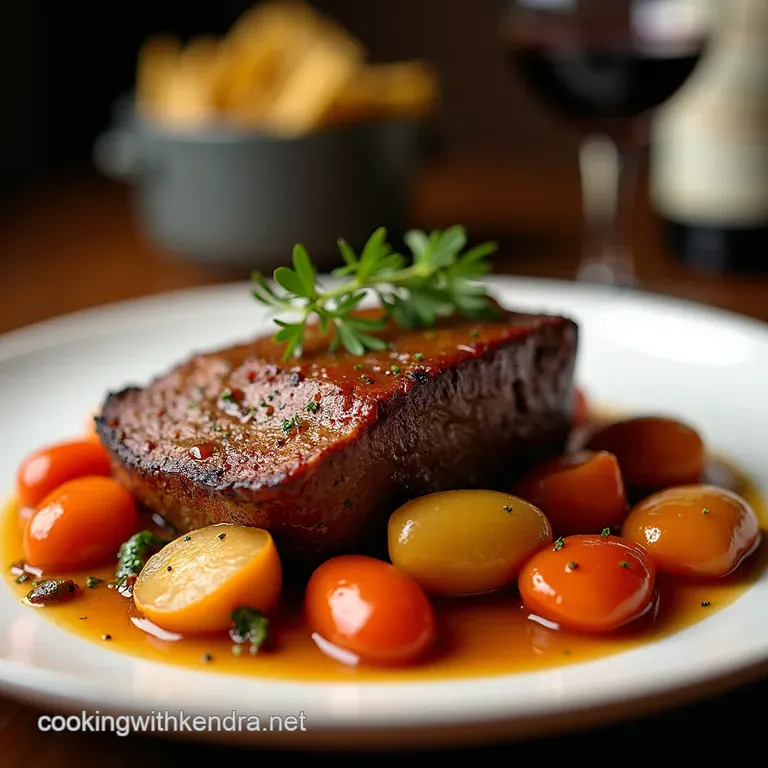
- The Allure of the Classic Comfort: Why This Oven Pot Roast Stands Apart
- Setting the Stage: What Makes This Roast Recipe Special
- Assembling the Components for Deep Flavor
- Selecting the Star of the Show: Beef Cuts That Work Best
- The Transformation Process: From Raw to Remarkable
- Achieving Unctuous Gravy Consistency
- Elevating Your Leftovers and Storing Success
- Troubleshooting and Customization for Your Roast
- Frequently Asked Questions
- 📝 Recipe Card
The Allure of the Classic Comfort: Why This Oven Pot Roast Stands Apart
There is a certain magic that occurs when humble ingredients a tough, inexpensive cut of beef, some basic root vegetables, and liquid are allowed to bask in the low, steady heat of an oven for hours. It transforms into something far greater than the sum of its parts.
This isn't just dinner; it’s an experience. The Oven Pot Roast you’re about to master is the pinnacle of low-fuss, high reward cooking. Forget dry, disappointing roasts of the past; we are dedicated to achieving a texture so yielding it practically dissolves on the fork, swimming in the richest, most deeply savoury gravy you’ve ever managed to create outside of a professional kitchen.
Setting the Stage: What Makes This Roast Recipe Special
This particular approach to the Oven Pot Roast Recipe foregrounds flavour development at every stage. We aren't just boiling beef in stock; we are building layers of umami that deepen as the hours progress.
From the aggressive initial sear to the gentle, temperature controlled environment of the oven, every step is designed to maximize moisture retention while tenderizing the connective tissues within the meat.
Embracing Hearty, Low-Stress Cooking
One of the greatest appeals of this dish is its 'set it and forget it' nature once it enters the oven. The initial preparation takes about 30 minutes, dedicated primarily to searing and prepping your aromatics.
Once that critical first step is complete, the real work time takes over, allowing you to relax, catch up on chores, or simply enjoy the incredible aroma filling your kitchen. This method ensures that even busy cooks can deliver a spectacular centerpiece meal.
The Promise: Melt-in-Your Mouth Tenderness Guaranteed
The secret to a truly Moist Pot Roast In Oven lies in understanding the cut of meat used. Chuck roasts, while tough when cooked quickly, are rich in collagen.
When subjected to a long, slow braise our core method that collagen converts into luscious gelatin, bathing the muscle fibres in moisture. By using a precise Oven Pot Roast Time And Temp strategy, we ensure the meat reaches the perfect breakdown point without drying out the exterior.
Meet Your New Favorite Weeknight Centerpiece
While often relegated to Sunday dinners, this Easy Oven Pot Roast is surprisingly adaptable. Although the total Oven Pot Roast Cook Time extends over several hours, the active involvement required is minimal.
This makes it perfect for tackling on a relaxed Friday evening or Sunday afternoon, ensuring you have incredible leftovers to look forward to the following days.
Assembling the Components for Deep Flavor
A superior roast begins long before it meets the heat. It starts with thoughtful selection of the core ingredients the beef, the foundational vegetables, and the liquids that will transform the dish.
Selecting the Star of the Show: Beef Cuts That Work Best
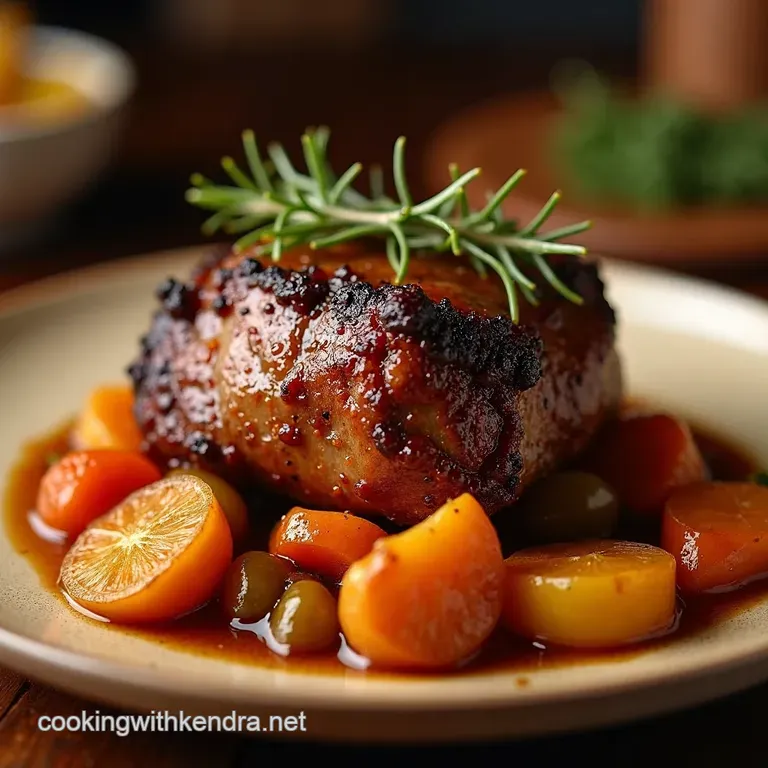
For achieving true fork tender results, you must select a cut that benefits from long, slow cooking. For this Slow Roasted Pot Roast In Oven , the undisputed champion is the Chuck Roast , typically 3 to 4 pounds.
It has excellent marbling and intramuscular connective tissue that renders beautifully under pressure. If you are looking for a leaner option, Bottom Round or Brisket flat can work, though they may not achieve the same level of unctuous pull apart texture.
Regardless of your choice, tying the roast securely with butcher’s twine helps it maintain a uniform shape for even cooking.
The Core List: Meats, Aromatics, and Liquids
The foundation of our braising liquid is crucial for flavour penetration. You will start by patting the beef dry moisture inhibits browning and seasoning it aggressively with salt and pepper before giving it a light dusting of all-purpose flour to aid in crust formation and later, gravy thickening.
The foundation aromatics are simple but robust: a large yellow onion, three hearty carrots, three celery stalks, and four cloves of garlic, all coarsely chopped. For the braising liquid itself, we rely on three cups of high-quality, low-sodium beef broth, a tablespoon of Worcestershire sauce for that essential tang, and two bay leaves for earthy warmth.
Beyond the Basics: Herbs and Spices for Depth
To move beyond the basic flavour profile, we incorporate dried thyme and a touch of dried rosemary. These woody herbs stand up well to the long cooking process and complement the beef perfectly.
Crucially, for an added layer of complexity and depth that defines the Best Oven Roast , we include one cup of dry red wine a Merlot or Cabernet works beautifully to deglaze the pan, lifting all those flavourful browned bits from the bottom of the vessel.
Essential Equipment for Unbeatable Results
While you could attempt this in a heavy casserole dish, the ideal vessel for this recipe is a large, heavy bottomed Oven Pot Roast Dutch Oven . The thick cast iron retains and distributes heat incredibly evenly, ensuring no hot spots scorch the bottom while the top remains undercooked.
A tight fitting lid is essential to trap the steam and moisture, creating the perfect steamy environment for breaking down the beef.
Related Recipes Worth Trying
- Easy OnePan Oven Baked Chicken and Rice Dinner — Forget scrubbing pans This easy chicken and rice bake delivers moist chicken thighs atop fluffy savoury rice The ultimate comfort food chicken and rice dinner
- Foolproof Oven Baked Chicken and Rice with Saffron — Achieve perfectly cooked flavourful Oven Baked Chicken and Rice every time This easy chicken bake uses one pan for crispy skin and fluffy saffron rice
- The Velveteen Autumn Creamy Vegan Roasted Butternut Squash Soup — Our foolproof recipe for the best vegan roasted butternut squash soup using coconut milk for incredible silkiness Get roasting tips for maximum caramelisation
The Transformation Process: From Raw to Remarkable
The journey to a spectacular roast involves four distinct phases: searing, sautéing the base, deglazing, and the long, slow braise.
Phase One: The Essential Searing Technique
This step cannot be overstated; it is the cornerstone of flavour development. Heat a tablespoon of olive oil and two tablespoons of butter in your Dutch oven over medium high heat until the butter foams and subsides.
Sear the floured and seasoned roast on all sides, aiming for a deep, dark mahogany crust about three to four minutes per side. Remove the beef and set it aside. That dark crust, known as the fond , is pure gold.
Building the Braising Base: Layering Savory Notes
Reduce the heat to medium. Add your chopped onions, carrots, and celery to the pot, stirring constantly and using a wooden spoon to aggressively scrape up every bit of the browned fond . Cook these vegetables until they soften and begin to caramelize slightly, roughly eight minutes.
Next, add the smashed garlic, thyme, and rosemary, cooking only until fragrant about sixty seconds to prevent the garlic from burning. If you are using wine, pour it in now. Let it bubble fiercely, scraping again, until the liquid reduces by about half.
The Long, Slow Bake: Monitoring Your Oven Pot Roast
Return the seared roast to the pot, settling it snugly atop the vegetables. Pour in the beef broth and Worcestershire sauce until the liquid reaches roughly halfway up the side of the meat. Tuck in your bay leaves.
Cover the Dutch oven securely and transfer it immediately to an oven preheated to 300° F ( 150° C) . This is the primary Oven Pot Roast Cook Time window, lasting approximately 3.5 to 4. 5 hours.
You are looking for the meat to be completely yielding, easily shredded with a fork.
Resting and Carving for Maximum Juiciness
Once the roast reaches that perfect tenderness, remove the entire pot from the oven. Carefully lift the beef out of the liquid and place it on a clean cutting board. Tent it loosely with foil and allow it to rest for a full 15 to 20 minutes.
This crucial resting period allows the internal muscle fibres to relax and redistribute their juices, ensuring every slice remains succulent.
Achieving Unctuous Gravy Consistency
While the meat rests, turn your attention to the decadent liquid remaining in the pot. This strained liquid, now packed with beef essence, vegetable sweetness, and herb notes, is the foundation for your gravy.
To thicken it, strain the cooking liquid into a saucepan, discarding the spent vegetables (or reserving the soft carrots for serving). Bring this liquid to a simmer over medium heat. In a separate small bowl, whisk together two tablespoons of flour with a half cup of cold water or broth to create a smooth slurry.
Slowly whisk this slurry into the simmering liquid. Continue to stir until the gravy thickens beautifully to coat the back of a spoon. Taste and adjust seasoning often a final grind of black pepper is all it needs before serving hot over the roast.
Elevating Your Leftovers and Storing Success
A fantastic Oven Pot Roast often tastes even better the next day once the gelatin has fully set in the refrigerator. Store the shredded meat and the chilled gravy separately.
The cold gravy will solidify into a rich, beautiful jelly; simply reheat it gently on the stovetop with a splash of extra broth to loosen it back to pouring consistency. Shredded roast beef freezes exceptionally well when packed tightly in its own cooking liquid, ready to be revived for hearty sandwiches or shepherd’s pie filling later on.
Troubleshooting and Customization for Your Roast
Even the most straightforward recipes can benefit from an expert touch or minor adjustments based on the equipment you use.
Pro Tips for Next Level Flavor Infusion
If you wish to incorporate potatoes and carrots directly into the braise, ensure you only add them during the final 90 minutes of the Oven Pot Roast Time And Temp cycle. Adding them at the beginning will turn them to mush.
For an even deeper flavour profile, consider adding one tablespoon of tomato paste when sautéing the garlic it adds acidity and richness that balances the richness of the beef fat beautifully.
Optimal Storage and Reviving Day-Old Goodness
If you find a significant layer of fat solidified on top of your refrigerated gravy, scoop it off before reheating the gravy. This results in a lighter, cleaner sauce while retaining all the rich collagen goodness beneath.
If your roast seems slightly dry after reheating, shred it and toss it directly into a small amount of hot gravy for a few minutes before serving; it will quickly absorb the moisture back in.
Vegetable Swaps and Seasoning Adjustments
This recipe is remarkably forgiving with vegetable variations. Parsnips, sweet potatoes, or even mushrooms can be added alongside the carrots and celery. When adjusting seasoning, remember that the broth you use plays a significant role.
If you use standard, salted broth instead of low-sodium, hold off on adding extra salt until the very end, after the gravy has thickened, as the salt concentrates significantly during the long cooking process.
Frequently Asked Questions
How do I stop my Oven Pot Roast from ending up dry, like something from a 1970s school canteen?
The secret to a melt-in-the-mouth roast is moisture management and time. Always ensure you sear the beef properly first to lock in flavour, and then cook it low and slow in plenty of liquid the liquid should come at least halfway up the side of the joint.
Don't rely on a meat thermometer for tenderness; it’s done when a fork slides in with zero resistance, usually around 200°F (93°C).
Can I add potatoes and carrots to the pot roast from the start?
If you add root vegetables right at the beginning, they will turn to complete mush by the time the beef is done, which isn't ideal! For perfectly cooked veg, add the onions and celery at the beginning with the aromatics, but introduce heartier additions like potatoes or extra carrots during the last 90 minutes of cooking.
This gives them enough time to soften beautifully without disintegrating.
My Dutch oven lid isn't perfectly tight; will this ruin the Oven Pot Roast?
A tight lid is definitely preferred, as it traps steam and maintains a humid environment crucial for slow cooking. If yours is a bit loose, don't panic just place a large sheet of heavy duty aluminium foil over the pot before putting the lid on, creating a proper seal.
This prevents too much precious moisture from escaping during the long bake time.
How long can I keep leftovers, and is it better the next day?
Leftover pot roast is absolutely brilliant the next day, usually even better as the flavours have had time to mingle! Store cooled leftovers in an airtight container in the fridge for up to four days.
For the ultimate flavour boost, chill the leftover gravy overnight, skim off the solidified fat layer in the morning, and reheat everything together it's proper next day grub!
What can I substitute for the red wine if I'm avoiding alcohol?
If you want that lovely acidic depth that wine brings to balance the richness of the beef, you can certainly skip it. Simply substitute the cup of wine with an equal amount of good quality beef broth mixed with a tablespoon of balsamic vinegar or red wine vinegar.
This mimics the acidity needed to cut through the fat without using any alcohol.
Best Dutch Oven Pot Roast
Ingredients:
Instructions:
Nutrition Facts:
| Calories | 1009 kcal |
|---|---|
| Protein | 12.1 g |
| Fat | 40.4 g |
| Carbs | 89.8 g |
| Fiber | 28.4 g |
| Sodium | 540 mg |
