Classic Comfort Chicken Stew with Root Vegetables and Rich Gravy
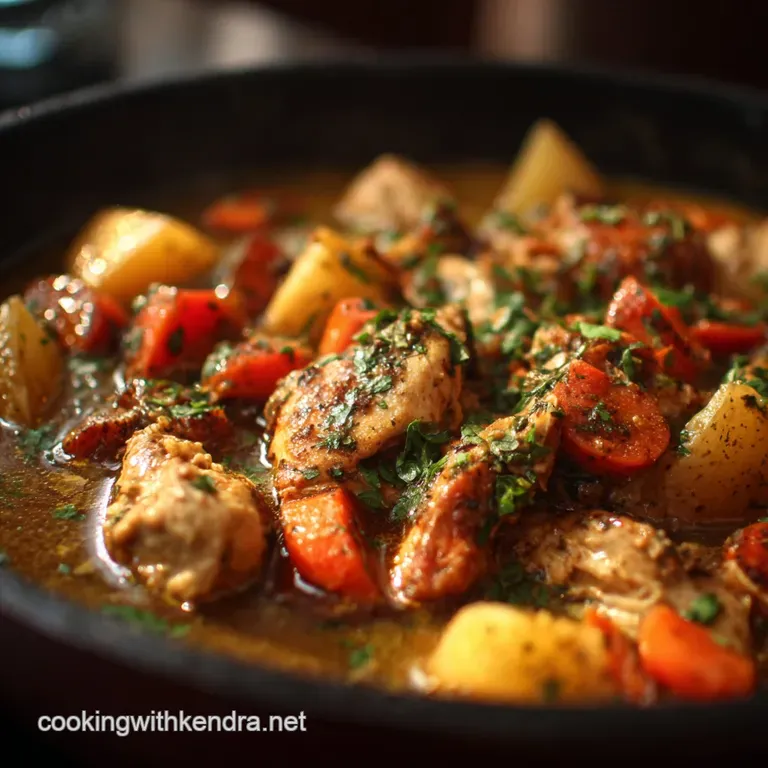
- The Ultimate Classic Comfort Chicken Stew
- The Science Behind This Deeply Flavourful Stew
- Required Components and Smart Ingredient Swaps
- Step-by-Step Guide: How to Make the Perfect Chicken Stew
- Chef's Secrets: Troubleshooting and Perfecting Your Stew
- Storing and Freezing Your Comfort Food
- What to Serve with Classic Chicken Stew
- Recipe FAQs
- 📝 Recipe Card
The Ultimate Classic Comfort Chicken Stew
That smell, oh my gosh. When you walk into a house where a proper Chicken Stew is bubbling on the stove, it just hits you, instantly warming your nose and soul. We are talking about a deep, earthy, herby aroma that only hours of gentle simmering can truly achieve.
It’s seriously the best winter mood booster there is.
This kind of soul satisfying comfort food shouldn’t be complicated or force you to raid your savings account. This recipe uses cheap, hardy root vegetables and incredibly forgiving cuts of meat, asking only one real thing from you: patience.
It’s the ultimate Sunday afternoon cooking session, a cozy endeavor that basically manages itself while you read a book.
Forget those thin, pale stews you might have suffered through as a kid, the ones where the sauce tasted vaguely like boiled water. This recipe focuses on layering flavour from the ground up, guaranteeing a velvety, dark gravy and fork tender meat that rivals the flavour of my famous Chicken Enchilada Casserole: Ultimate Easy Weeknight No-Roll Bake . Let’s skip the faff and learn how to make the absolute best classic Chicken Stew ever.
The Science Behind This Deeply Flavourful Stew
What Makes a Proper, Hearty Stew?
The secret to a knockout stew isn't hiding in some fancy, esoteric ingredient. It’s all about building foundational flavour through classic techniques like searing and deglazing before the long simmer ever begins. We are maximizing flavor extraction and caramelization here.
If you miss these initial steps, your gravy will never achieve that crucial depth of character.
Setting the Stage: Essential Tools for Stew Making
You absolutely need a heavy bottomed pot, full stop. A good Dutch oven is your best friend for this recipe because it holds heat evenly and prevents scorching. That consistent, gentle heat is crucial for the 75 minute low and slow cook. Trust me, a thin, cheap pot usually equals a burnt, sticky bottom.
Overview of the Low and Slow Simmer Method
Simmering gently, rather than aggressively boiling, is the single key to achieving beautiful tenderness. If you boil the stew, you shred the muscle fibers and evaporate way too much liquid too quickly.
Gentle heat allows the connective tissues in the chicken to break down slowly, resulting in meat that literally melts in your mouth, totally unlike dry, stringy cuts.
Building the Velvety Gravy: The Thickening Secret
We use a tiny amount of plain flour, lightly dusted onto the chicken thighs right at the start. This might sound minor, but it's a huge step. When the flour meets the melted fat, it creates a foundational roux.
This thickens the gravy beautifully and naturally, meaning you won’t have to resort to a last minute cornstarch slurry.
Maximizing Depth: The Role of Bone-In Cuts
Using bone-in chicken thighs is truly non-negotiable for maximum flavour depth in this style of Chicken Stew . As the liquid heats up, the bones release rich collagen and essential marrow into the stock. This process transforms simple liquid into a thick, restaurant quality sauce.
Plus, the meat on the bone always stays moist and juicy.
Layering Aromatics for Complex Final Flavour
Always remember to cook your tomato paste for at least 60 seconds before adding the liquid it’s crucial. This step caramelizes the sugars, concentrates the umami, and ensures your stew doesn't taste metallic or overly acidic.
That quick sauté with the garlic and mirepoix prevents the whole dish from tasting flat.
Required Components and Smart Ingredient Swaps
Detailed Shopping List (Yields and Measures)
Here is exactly what you need to create six generous servings of this comforting stew. Remember, preparation is everything; get your veggies chopped before you start searing.
| Stage | Ingredient | US Customary | Substitution Idea |
|---|---|---|---|
| Protein | Bone-in, skin off Chicken Thighs | 3 lbs | Boneless Thighs (Reduce cook time by 15 mins) |
| Thickener | Plain (All-Purpose) Flour | 1/4 cup | gluten-free Flour blend (Add 1 tsp Xanthan Gum) |
| Liquid Base | Low-Sodium Chicken Stock | 5 cups | Vegetable Stock or Bone Broth |
| Aromatics | Yellow Onion, Carrots, Celery | 1 large/3 large/2 stalks | Leeks (in place of onion/celery) |
| Flavour Pop | Tomato Paste | 2 Tbsp | 1 tsp Balsamic Vinegar (for depth/acidity) |
| Optional Deglaze | Dry Red Wine (Merlot/Cabernet) | 1/2 cup | Dry Sherry or 1/2 cup Strong Black Tea |
| Starches | Russet or Yukon Gold Potatoes | 1 lb | Sweet Potatoes or Parsnips (firmer texture) |
Choosing the Right Root Vegetables for Texture
I highly recommend using Russet or Yukon Gold potatoes for this specific stew. Russets break down slightly during the long simmer, which naturally helps thicken the gravy further. Carrots and celery hold their shape beautifully, adding a satisfying chunkiness to every single bite.
Essential Herbs for a British Style Stew
We’re keeping it classic and simple here. Fresh thyme and bay leaves are the powerhouse duo that defines this dish. Avoid dried parsley entirely, but do use dried bay and thyme if you must.
I always tie my thyme sprigs together with kitchen string so I can fish them out easily before serving, because chewing on a woody stem is a serious mood killer.
Dairy and gluten-free Alternatives
This recipe is naturally dairy-free already, which is brilliant! For my gluten-free friends, substitute the plain flour with a good 1:1 gluten-free blend. If you use almond or coconut flour, you will need to add a pinch of xanthan gum to achieve that velvety gravy texture.
Kendra’s Crucial Note: If you want a foolproof, perfectly thickened gravy, don't skimp on searing the floured chicken. That caramelized brown residue (the fond) created on the bottom of the pot is pure gold! It lifts into the gravy when you deglaze, adding massive umami flavour.
step-by-step Guide: How to Make the Perfect Chicken Stew
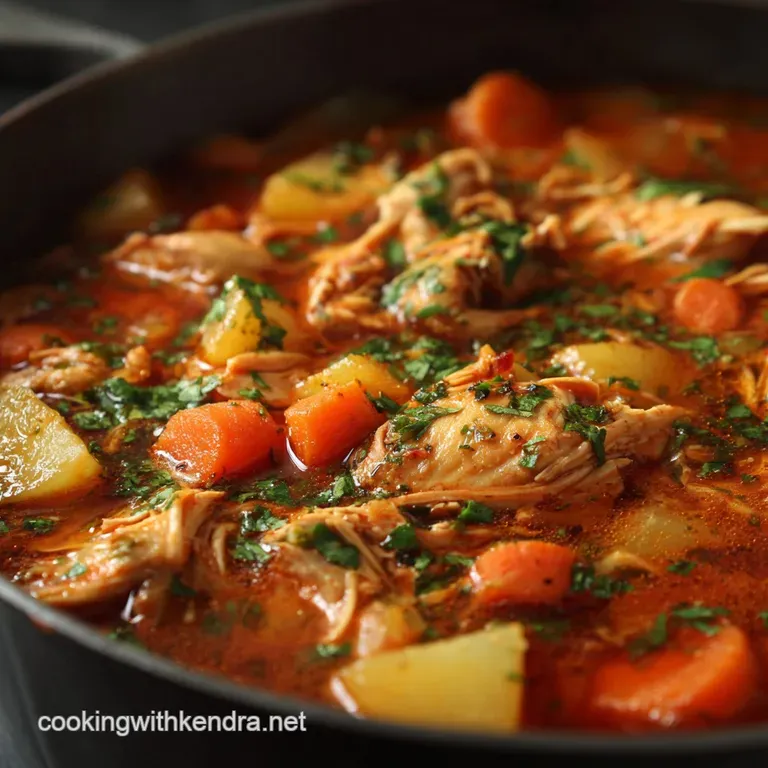
- Prep and Dust the Chicken: Pat the chicken thighs completely dry using paper towels; moisture is the enemy of a good sear. Heavily season them all over with salt and pepper, then lightly dust all sides with the 1/4 cup of flour.
- Sear the Meat: Heat the butter and olive oil in your Dutch oven over medium high heat until shimmering. Sear the chicken in batches— seriously, DO NOT crowd the pot —until deeply golden brown, about 3 to 4 minutes per side. Remove the seared chicken and set it aside on a plate.
- Sauté the Mirepoix: Reduce the heat to medium. Add the diced onions, carrots, and celery to the pot. Cook this mixture, scraping up all those beautiful brown bits (the fond) from the bottom, until the vegetables soften and the onions turn translucent (about 7- 8 minutes).
- Activate Aromatics: Stir in the minced garlic and the tomato paste. Cook for one minute, stirring constantly, until the paste darkens slightly. This removes the raw acidity and deepens the final colour of the stew.
- Deglaze and Reduce: Pour in the red wine (if you are using it). Bring it to a simmer and scrape the bottom of the pot vigorously for 2 minutes to lift every last flavourful brown bit. Reduce the liquid until it’s evaporated by about half.
- Load the Pot: Pour in the 5 cups of chicken stock. Bring the liquid up just to a boil, then immediately turn the heat way down. Return the seared chicken thighs to the pot. Add the diced potatoes, thyme sprigs, and bay leaves.
- The Gentle Simmer: Reduce the heat to low. Cover the pot partially, allowing some steam to escape slightly. Simmer gently for 60 to 75 minutes. The stew should maintain a very gentle bubble absolutely not a rolling boil.
- Finish and Serve: The stew is finished when the chicken is fall apart tender and the potatoes mash easily against the side of the pot. Carefully discard the thyme stems and bay leaves. Skim any excess fat from the surface. Adjust the final seasoning with salt and pepper. Garnish liberally with fresh parsley and serve immediately.
Chef's Secrets: Troubleshooting and Perfecting Your Stew
Searing the Protein for Optimum Colour
The biggest mistake people make is overcrowding the pot during the initial sear. If your pot is too full, the temperature drops, and the chicken releases moisture. It steams instead of browning, and you lose that critical caramelised flavour layer. Sear in small batches!
Developing the Base (The Sauté Stage)
You absolutely must take the time to soften the onions, carrots, and celery fully before adding the stock. If these vegetables are crunchy, they will never be tender, even after the long simmer. Cooking the mirepoix slowly allows their natural sugars to develop.
The Crucial Simmer Time
If you try to rush the stew by boiling it hard, your potatoes will fall apart into mush and your chicken will be stringy and tough. A proper, low and slow simmer is the only way to cook everything evenly and ensure that the connective tissues in the thighs dissolve perfectly.
Sixty minutes is the minimum time needed for true fall apart tenderness.
Preventing Dry or Shredded Cuts
This is why we rely on bone-in chicken thighs. If you use boneless breast meat, you risk it drying out completely during the long cook time. If you absolutely must use breasts, cut them into large 2 inch chunks and add them only during the last 30 minutes of the simmer.
How to Correct an Under Seasoned Stew
Never season everything at the start and walk away. The stock will reduce and concentrate, throwing off your measurements. The secret is to season heavily before searing, and then check and adjust the final seasoning right at the end after the simmering is complete and the liquid has reduced slightly.
A splash of vinegar or a pinch of sugar can also brighten a flat tasting stew dramatically.
Storing and Freezing Your Comfort Food
Safe Refrigeration Guidelines
This stew is a stellar make-ahead meal; it often tastes even better the next day once the flavours have had time to meld. Allow the stew to cool completely before transferring it to airtight containers. It keeps safely in the refrigerator for 3 to 4 days.
Best Practices for Long Term Freezing
But does it freeze well? You bet! Stews are perfect for batch cooking. Cool the stew completely, ladle it into freezer safe bags or containers, leaving about an inch of headspace for expansion. Frozen Chicken Stew will keep beautifully for up to 3 months.
Thaw overnight in the fridge before reheating.
Reheating Stew Without Sacrificing Texture
Always reheat stew gently on the stovetop over low heat, rather than blasting it in the microwave. Microwaving can turn the potatoes mushy and dry out the chicken edges. If it seems too thick after thawing, simply add a splash of chicken stock or water to loosen the gravy consistency.
What to Serve with Classic Chicken Stew
The Best Starches for Sopping Up Gravy (Crusty Breads and Mash)
The whole point of having this incredible, thick gravy is to sop it up with something glorious. Creamy, buttery mashed potatoes are absolutely essential for catching every drop. Alternatively, serve it alongside a massive hunk of rustic sourdough or a crusty baguette perfect for dunking and scraping the bowl clean. If you love thick, hearty comfort food, you might also be obsessed with my Chicken Chili: The Ultimate Creamy White Chili Recipe .
Quick Green Sides for Balance
Because the stew is so rich and hearty, you need something fresh and green to cut through it. Simple steamed green beans or tenderstem broccoli, dressed lightly with salt and lemon juice, are perfect. A side of quickly wilted spinach or sautéed kale also works beautifully.
Wine and Beverage Pairings
If you used the red wine for deglazing, pour yourself a glass of the same wine to drink alongside the meal. A medium bodied Merlot or a simple, dry Chianti pairs wonderfully with the earthiness of the thyme and root vegetables. If you prefer beer, a dark lager or a traditional British ale offers the perfect companion.

Recipe FAQs
My stew gravy is too thin. How can I thicken it?
There are two primary methods for thickening a stew. The easiest is creating a "slurry" by mixing 1 tablespoon of cornstarch with 2 tablespoons of cold water, then stirring this mixture into the simmering stew during the last 15 minutes of cooking.
Alternatively, you can remove the lid and allow the stew to simmer gently for the final 30-45 minutes of the cooking time, which naturally reduces the liquid and concentrates the flavor.
Can I use boneless, skinless chicken breast instead of bone-in thighs?
Yes, you can substitute chicken breast, but be mindful of the cooking time, as breast meat tends to dry out faster than thighs. If using breast, dice it into large chunks and add it to the stew only during the final hour of simmering.
Using bone-in thighs is highly recommended as the bones render fat and collagen into the liquid, contributing significantly to the depth and richness of the final broth.
How do I prevent the chicken from becoming tough or chewy?
Tough chicken in stew is usually a sign that it was cooked too hot or too fast. True stewing requires a slow, gentle simmer never a rolling boil to break down the connective tissue and make the meat meltingly tender.
If you are using thighs, ensure the minimum simmering time is 90 minutes; they will only become more tender the longer they cook past that point.
How long will this Chicken Stew last, and can I freeze it?
The Chicken Stew will keep beautifully in an airtight container in the refrigerator for 3 to 4 days.
Yes, it freezes very well! Store cooled stew in freezer safe containers for up to 3 months, though be aware that potatoes may take on a slightly grainy texture once thawed due to their high starch content.
Can I substitute other root vegetables for the ones listed?
Absolutely, this recipe is highly flexible based on seasonal vegetables. Hearty vegetables like parsnips, turnips, or butternut squash make excellent substitutions for carrots and potatoes.
If you introduce soft vegetables, such as peas or green beans, only add them during the last 15 minutes of cooking to ensure they maintain their texture and color.
My stew tastes a bit flat. How can I boost the flavor complexity?
Always taste and adjust seasoning (salt and pepper) right before serving, as the flavor intensifies when reduced.
For deep savory notes, stir in a teaspoon of Worcestershire sauce or a splash of red wine during the last 30 minutes of simmering, or add a bay leaf and some dried thyme at the beginning.
How can I make the stew extra creamy without adding heavy cream?
For a rich, velvety texture without dairy, remove about half a cup of the cooked potatoes and mash them thoroughly with a fork.
Stir the mashed potatoes back into the stew; the starch released will naturally thicken the liquid and provide a luxurious mouthfeel.
Classic Chicken Stew Recipe
Ingredients:
Instructions:
Nutrition Facts:
| Calories | 287 kcal |
|---|---|
| Protein | 3.0 g |
| Fat | 7.0 g |
| Carbs | 59.0 g |
