Hoppin John: Authentic Southern Black Eyed Peas
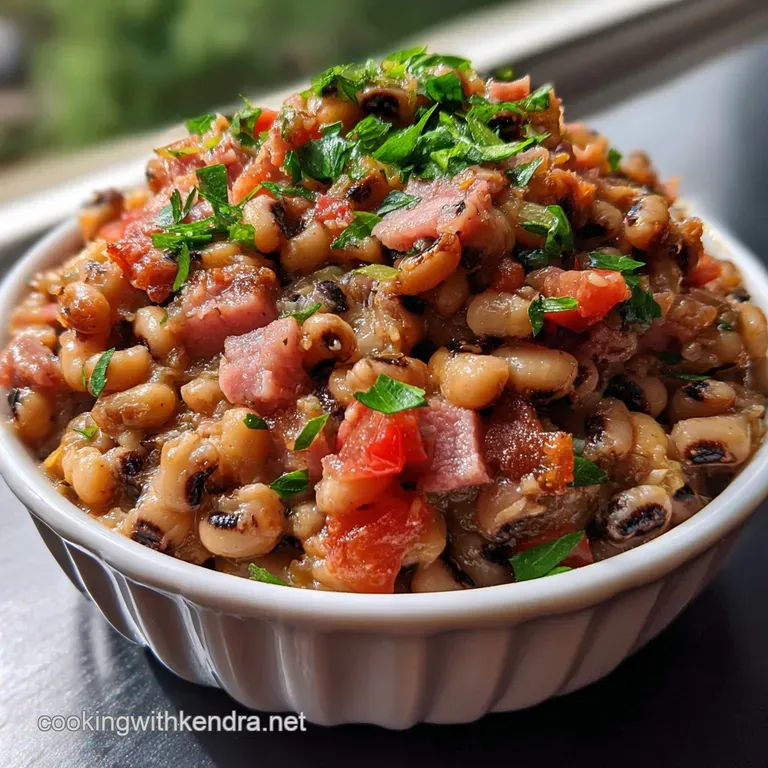
- Southern Charm: Our Classic Hoppin’ John with Smoked Ham and Black-Eyed Peas
- Embracing the Tradition: What is Hoppin' John?
- The Science of Smoke and Savory: Why This Recipe Excels
- Essential Components for the Perfect Stew
- Mastering the Method: Cooking the Black-Eyed Peas
- Expert Advice and Troubleshooting Your Recipe
- Planning Ahead: Storage, Reheating, and Make-Ahead Tips
- Complete Your Meal: Classic Southern Pairings
- Recipe FAQs
- 📝 Recipe Card
Southern Charm: Our Classic Hoppin’ John with Smoked Ham and Black Eyed Peas
Embracing the Tradition: What is Hoppin' John?
The scent of smoky pork fat melting into sweet onions is the absolute best kitchen signal that cold weather is here and comfort is imminent. If you’ve never experienced the magic of genuine Hoppin John , you are missing a piece of history and a truly restorative meal.
This isn't just a side dish; it’s a complete bowl of Southern tradition.
This Traditional Hoppin John Recipe is a true lifesaver for busy weeks, delivering immense flavour using dirt cheap pantry staples. It feels impossibly sophisticated for how easy it is to throw together.
Seriously, you sauté some stuff, you simmer some stuff, and then you wait for the magic to happen.
So, ditch the fussy recipes that demand obscure steps. We are focusing on simple technique, amazing ingredients, and the low and slow approach needed for truly tender peas and perfectly fluffy rice. Get ready to cook.
The Science of Smoke and Savory: Why This Recipe Excels
This recipe works because we build the flavour base backwards, extracting maximum smokiness before the liquids even hit the pot. Unlike methods that just dump everything in at once, we are meticulously rendering fat and blooming spices.
This commitment to the foundation means every single bite of Hoppin John sings.
A Culinary History of Prosperity and Luck
Food history matters! Hoppin John is most famously consumed on New Year’s Day to ensure prosperity throughout the coming year. The black eyed peas symbolize coins, while accompanying collard greens represent folding money.
Honestly, even if you don’t believe in luck, eating this rich, savory dish is definitely a prosperous start to any day. It's a comforting ritual.
Defining the Flavor Profile: Smoky, Savory, and Hearty
The perfect bowl of Hoppin John is deeply smoky, subtly sweet from the caramelized onions, and intensely savory thanks to the cured pork. Crucially, it should not be mushy. The Hoppin John Black Eyed Peas should hold their structure perfectly, enveloped in a thick, fragrant broth but still distinct from the fluffy rice.
Prep Time Snapshot: Effortless Depth for Busy Chefs
The majority of the effort happens right at the start, when you’re chopping the aromatics and rendering the fat. Once the Dutch oven is sealed, your job is mostly done. You get huge flavour payoff for minimal active cooking time.
The Low and Slow Secret to Tender Peas
High heat makes tough peas. It’s a fact. When you rapidly boil beans or peas, the cell walls seize up, and they never quite soften properly even if you cook them forever.
We must reduce the temperature immediately after the initial boil to ensure the peas simmer gently and become creamy on the inside without disintegrating.
Rendering Cured Pork Fat for Maximum Depth
Don’t skip this step! Rendering the ham hock, bacon, or salt pork slowly allows the fat to liquefy and release its deeply smoky flavour into the pot. This fat is our cooking oil, and it carries the flavour of the pork through the entire dish.
Building the Southern Trinity Base
The "Holy Trinity" (onion, celery, and bell pepper) is non-negotiable for authentic Southern cuisine. Sautéing them in the rendered pork fat until they are tender and slightly golden sweetens them up significantly. Then we toss the garlic in for just sixty seconds at the end. Trust me on this timing.
Essential Components for the Perfect Stew
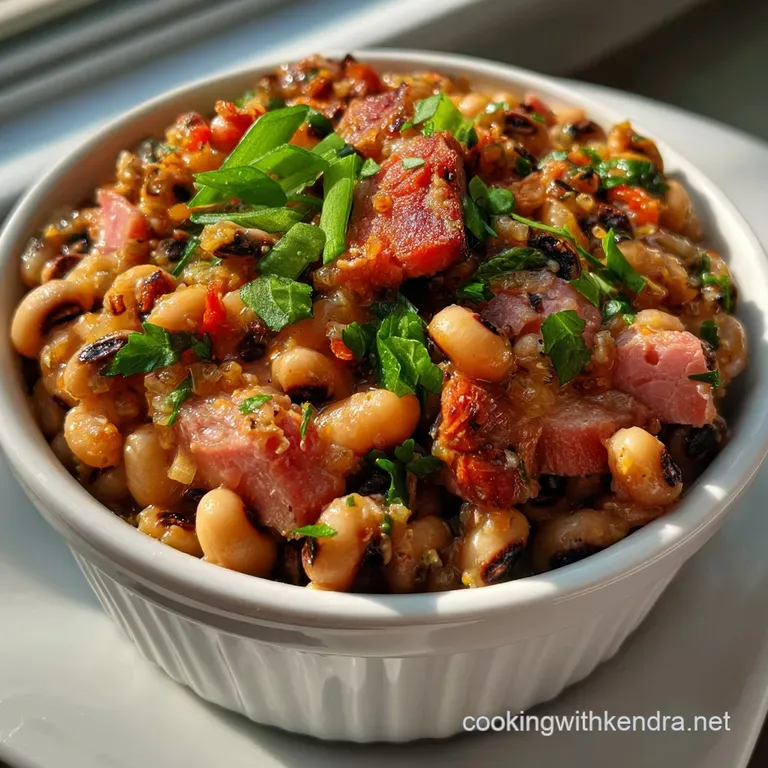
Quality Check: Selecting the Right Smoked Ham Hock or Salt Pork
This is the star of the show; don't skimp here. A smoked ham hock provides bone-in flavor and richness that’s hard to beat. If you use salt pork or bacon, ensure it's cut thick and rind-on, if possible, for the best fat rendering.
Chef’s Note: If you are sensitive to sodium, use low-sodium stock and rinse your salt pork well. You can always add salt later, but you can’t take it out once it’s cooked into the peas.
| Ingredient to Substitute | Recommended Substitution | Notes |
|---|---|---|
| Smoked Ham Hock | Smoked Turkey Leg | Excellent substitute if avoiding pork; provides a similar texture and smoky flavour. |
| Salt Pork/Bacon | Diced Prosciutto or Pancetta | Use less, as these are saltier and leaner, but they provide good depth. |
Black Eyed Peas: Dried vs. Canned Considerations
While you can use canned, dried peas are superior in texture and flavour absorption. Canned peas often lack the necessary sturdiness to withstand the long simmer, resulting in mush. If you use dried, please soak them overnight or use the quick soak method described below.
Liquid Gold: Broth, Water, and Seasoning Agents
Avoid plain water if you can. We need high-quality liquid gold. Chicken or pork stock gives the peas and rice something to absorb other than salt. We rely on the stock, plus bay leaves and thyme, for that comforting, herby warmth.
Ingredient Swap Notes: Adjusting the Heat and Herb Balance
If you don't like bell pepper, leave it out, but your Hoppin John will be less complex. You can swap fresh thyme for dried, but reduce the amount by half. For a little heat, add a pinch of crushed red pepper flakes alongside the garlic.
Mastering the Method: Cooking the Black Eyed Peas
Learning How To Make Hoppin John perfectly is all about patience and controlling the heat.
Sautéing the Aromatics and Cured Meat Base
Start by rendering that beautiful pork fat until your kitchen smells undeniably good. Once the pork pieces are crisp, remove them. Now, add your diced onion, celery, and pepper. Sauté until the onions are perfectly translucent and tender, maybe 6– 8 minutes.
Don't rush this stage; this sweetness is vital.
Simmering the Peas to the Perfect Texture
Once you add the peas and stock, bring it up to a boil, and then immediately turn the heat way down. It should barely bubble. This gentle simmer is how we achieve that ideal creamy interior without the structural breakdown that leads to a bitter, mushy mess. Cook until the peas are tender but still have integrity.
Integrating the Cooked Rice for a Unified Dish
Rinse your rice thoroughly. Seriously, rinse it until the water is completely clear. This prevents starch from making the dish gluey. Stir the rice in gently, ensuring it’s evenly distributed, but do not stir again . We want the rice to steam and absorb the liquid, not break down the peas.
The Final Seasoning Checkpoint
Before serving, taste the finished Southern Hoppin John Recipe . Did you use a salty ham hock? Maybe you need less salt. Did you use a low-sodium stock? You might need more. This is also when we add the secret weapon: a splash of acid.
Expert Advice and Troubleshooting Your Recipe
Avoiding the Pitfall of Mushy Peas
Mushy peas happen when you cook them too long or stir them too aggressively after adding the rice. For the best texture, keep the heat incredibly low during the simmer stage and let the rice steam, don't stir it.
Over stirring breaks the peas down and releases starch, which is why your Hoppin John Soup Recipe (which this definitely is not ) might be too thick.
Adjusting Salinity When Cooking with Cured Meats
If you used a salty cut of pork (like ham hock or salt pork) and your broth tastes too strong, try adding a small, peeled potato to the broth during the final 15 minutes of simmering. It will absorb some excess salt. Remove and discard the potato before serving.
Flavor Boosters: A Dash of Acid at the End
Remember that mandatory teaspoon of apple cider vinegar or lemon juice? It cuts through the richness of the fat and brightens the entire dish, preventing that heavy, "flat" taste you sometimes get with long simmered foods. It's the difference between good and fantastic.
Planning Ahead: Storage, Reheating, and make-ahead Tips
Safe Cooling and Refrigeration Guidelines
Cooling large batches of food can be tricky. Divide leftover Hoppin John into shallow, airtight containers and refrigerate within two hours of cooking. It keeps beautifully for 3 4 days in the fridge.
Best Practice for Freezing Hoppin' John
Yes, you can absolutely freeze Hoppin John! It freezes very well, especially if you undercook the rice just slightly before freezing. The texture of the peas holds up better than many other beans. Freeze portions in zip-top bags (laid flat) or airtight containers for up to 3 months. Thaw overnight in the fridge.
Revitalizing Leftovers: Adding Moisture Upon Reheating
When reheating on the stovetop or in the microwave, the rice will have absorbed almost all the residual moisture. Leftover Hoppin John tends to be much thicker than the day it was made.
Add a splash of stock or water maybe a tablespoon or two per serving to restore that velvety consistency.
Complete Your Meal: Classic Southern Pairings
You’ve mastered this Hoppin John recipe, now let's talk presentation!
Serving Hoppin John is a celebration in itself. It is traditionally partnered with braised collard greens (for the money, remember?) and a side of hot, buttery cornbread. The savory, slightly bitter greens and the crumbly, sweet cornbread are the perfect foil to the deep smokiness of the peas and rice.
That’s What To Serve With Hoppin John , end of story.
Enjoy this truly authentic, deeply flavourful Hoppin John recipe . It brings warmth, history, and, hopefully, excellent luck to your table!

Recipe FAQs
Why is Hoppin' John traditionally served on New Year's Day?
Hoppin' John is deeply rooted in Southern tradition as a dish to bring good luck and prosperity for the coming year. The peas are said to symbolize coins, while the accompanying collard greens (often served alongside) represent paper money.
Eating a spoonful for every day of the year is believed to guarantee a year of fortune.
Why are my black eyed peas still tough after cooking?
Tough peas are usually a sign that they were not properly soaked before simmering, or that you used very old, dried stock. Ensure you soak dried peas for 6-8 hours or use a rapid soak method before cooking in liquid without added salt.
Adding salt too early in the cooking process can also prevent the pea skins from softening.
Can I make Hoppin' John vegan or vegetarian by omitting the smoked ham?
Absolutely; this recipe is easily adaptable by replacing the smoked ham hock with smoked paprika, a few drops of liquid smoke, and finely diced celery, carrots, and mushrooms. Use a rich vegetable broth instead of chicken or ham stock to maintain the deep, savory character of the stew.
Sauté the vegetables until deeply caramelized before adding the liquid.
Should the rice be cooked separately or added directly to the stew mixture?
For the best texture control, it is strongly recommended that the rice be cooked separately and folded into the stew just before serving, or served underneath. Cooking the rice directly in the pea mixture can cause it to absorb too much liquid too quickly, potentially resulting in an overly thick, gluey consistency if leftovers are reheated.
How long can I safely store leftover Hoppin' John, and can I freeze it?
Properly cooled and refrigerated Hoppin' John will keep well in an airtight container for 3 to 4 days. If you plan to freeze it, only freeze the pea and ham stew mixture, omitting the rice, as cooked rice can become grainy and mushy upon thawing.
Thaw the mixture overnight in the refrigerator and cook fresh rice when ready to serve.
What can I use to achieve a deeper, smokier flavor profile?
The key to profound smokiness lies in maximizing the rendering of high-quality smoked pork fat early in the cooking process. If your ham isn't imparting enough depth, sauté a tablespoon of good bacon grease with the onions or add a tiny pinch of chipotle powder.
Alternatively, incorporating a small piece of smoked turkey neck can boost the flavor without adding much fat.
What is the best substitute for black eyed peas if I cannot find them?
While traditional, black eyed peas can be substituted with other types of field peas, such as cowpeas, red peas, or dried pigeon peas, which offer a similar earthy flavour and holding texture.
If you need a quick option, use canned great northern beans or cannellini beans, but drain and rinse them thoroughly to reduce excess sodium and starch.
Classic Hoppin John Recipe
Ingredients:
Instructions:
Nutrition Facts:
| Calories | 380 kcal |
|---|---|
| Protein | 22.2 g |
| Fat | 3.5 g |
| Carbs | 64.8 g |
