Fried Rice the Classic Wok Star Shrimp and Pork Recipe
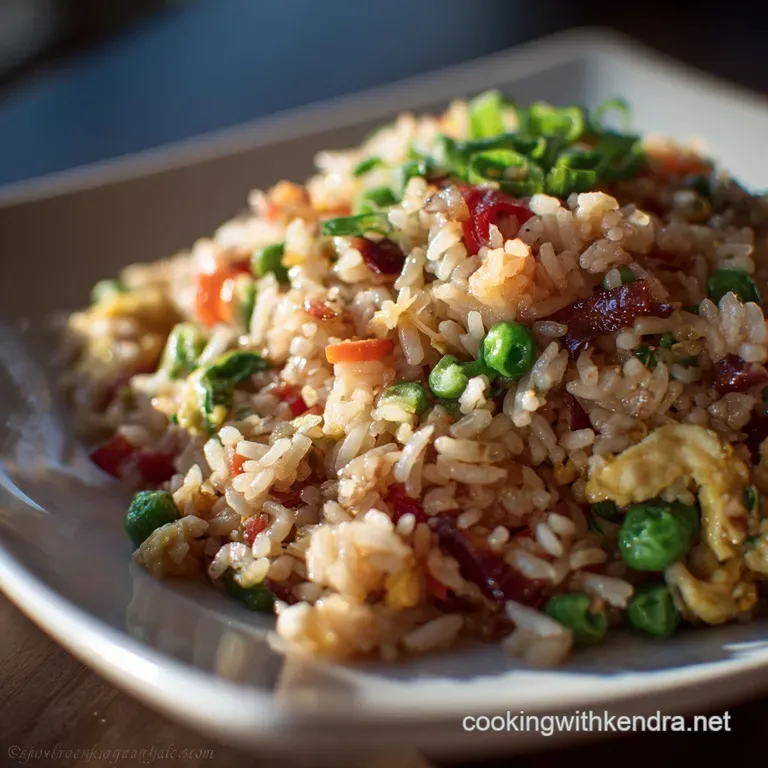
The Pursuit of Wok Hei: Why Your Homemade Fried Rice Fails
Look, let’s be honest. We’ve all been there. You try making fried rice at home, and it’s… fine. It’s warm rice with some stuff in it. But where is that intense, dry, smoky flavor? That perfect separation of grains?
If your homemade dish feels more like sticky, savory risotto than a proper fried rice recipe, I know exactly why. It usually comes down to two major kitchen sins: using fresh rice and cooking on heat that’s way too timid. We are fixing that today.
I’m giving you the blueprint for making fried rice that tastes like it came straight out of a blazing restaurant kitchen.
Deciphering 'Wok Hei': The Smoky Breath of the Wok
Wok Hei. It literally translates to the "breath of the wok," and honestly, the phrase sounds a bit mystical, right? But what it really means is controlled, high heat charring. It’s the intensely desirable, slightly savory, slightly smoky note that transforms a regular bowl of rice into something spectacular.
It happens when oil and starch hit a ridiculously hot surface (like a cast iron pan or a proper wok) and caramelize instantly before they have a chance to steam. If you see steam billowing off your pan, you’re losing Wok Hei. We want sizzling, aggressive frying.
That smokiness is the difference between good fried rice and genuinely amazing fried rice.
The Soggy Culprit: Starchy, Freshly Cooked Rice
This is the hill I will die on. If you take rice right out of the cooker and throw it in a pan, you’ve basically introduced a giant sponge full of steam and surface moisture into your cooking environment. The result? Soggy sadness.
It’s the number one mistake I made for years when I first started making fried rice.
You must use day-old rice that has been cooked, cooled completely, and then refrigerated. The chilling process dries the grains out, making them firm, separate, and ready to handle the extreme heat without turning to mush.
If the rice is still warm or sticky, it will clump and absorb all your oil and sauce. Trust me on this one; planning ahead is essential for this shrimp fried rice recipe.
A Word on Time: Why This Dish is Ready in Minutes
People think cooking fast is cheating. It’s not. Making fried rice is a lightning fast process. You should aim for maybe 10 to 12 minutes, total, in the pan. But here’s the secret: 80% of the work is done before the heat goes on.
This is where your mise en place (everything in its place) saves the day.
You need to chop everything. Dice the carrots finely. Measure your sauce. Crack the eggs. Put them all in separate bowls. Once the wok is hot, you don't have time to slice spring onions. This furious speed is exactly what stops the food from stewing and helps you achieve true flavor.
Stocking Your Pantry for Superior Stir Frying
Essential Equipment Check: Skip the Teflon
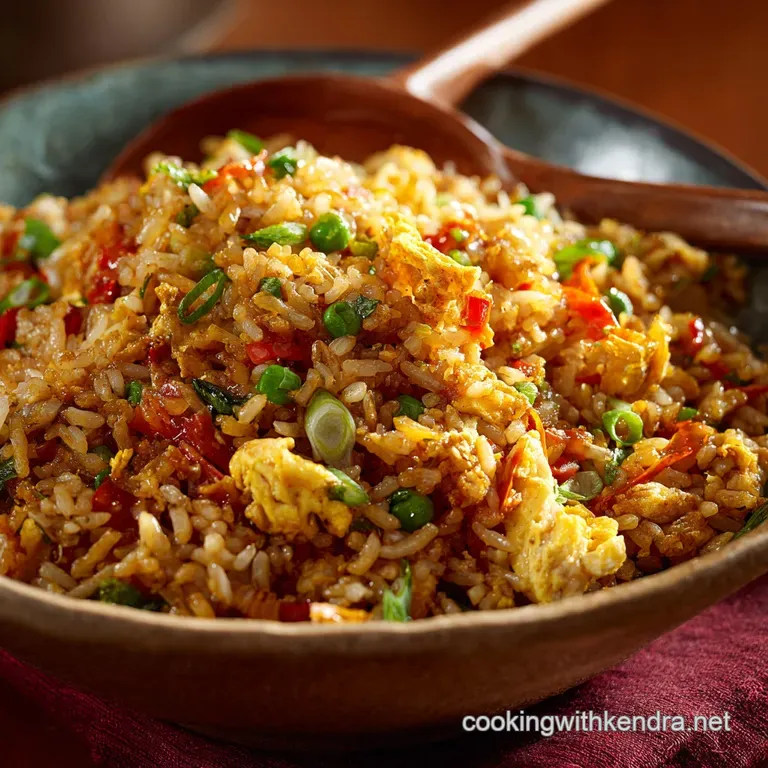
Look, if you have a real carbon steel wok, great. Use it. But if you’re using a standard kitchen stove, your biggest barrier might be your pan choice. Those thin, non-stick Teflon pans just don't retain the heat needed for proper wok hei . They cool down instantly when cold rice hits them.
A heavy bottomed cast iron skillet or a good, sturdy stainless steel pan is a much better substitute. Why? Heat retention. When you toss in cold rice, the pan temperature needs to recover instantly. If it doesn’t, you’re steaming.
The Right Grains: Selecting the Best Day-Old Rice
While you can use almost any rice, long grain white varieties like Jasmine or Basmati are absolutely ideal for making fried rice. They naturally have less starch than short grain rice (like Arborio or sticky rice) and separate beautifully when chilled.
And remember my rule about separating the rice? Before you even touch the stove, take your cold, day-old rice and use your fingers to thoroughly break up any clumps. If it goes in clumpy, it will stay clumpy.
Umami Essentials: Layering Flavors in the Sauce Base
We aren't just splashing regular soy sauce around and calling it a day. We’re building layers of savory depth. The key to that complex, deep takeaway flavor comes from combining specific liquids.
CRUCIAL SAUCE LAYER NOTE: Do not premix this sauce with the rice! We pour the sauce directly onto the exposed, scorching hot surface of the wok briefly before tossing the rice. This step allows the sugars in the soy and oyster sauce to caramelize instantly, boosting the umami significantly.
Our sauce base is:
- Light Soy Sauce (the main salt and savory note).
- Dark Soy Sauce (a tiny bit for color; this gives the rice that lovely deep caramel hue).
- Oyster Sauce (The secret weapon. It adds essential richness, thickness, and huge depth of flavor. If you’re making vegetable fried rice, use vegetarian mushroom stir fry sauce instead).
Prepping Your Proteins: Shrimp and Pork Breakdown
This recipe specifically calls for succulent prawns (shrimp) and salty diced pork (like cooked char siu or crispy bacon lardons). Proteins are the enemy of dryness because they release moisture when cooked.
Therefore, the golden rule for making fried rice is: Cook them separately, get them nice and ready, and then set them aside. They only go back in at the very end to heat through.
If you are preparing fried rice chicken, cube the chicken small, cook it fully until slightly browned, and reserve it just like the shrimp. This ensures the temperature of the wok stays high enough for the rice itself.
Related Recipes Worth Trying
- The Crackerjack Crunch Cheaters Fried Ice Cream Recipe No Fry — Get that classic crunchywarmcreamycold texture This foolproof Cheaters Fried Ice Cream uses a toasted corn flake shell skipping the deep fryer entirely A...
- Foolproof Fluffy Spanish Style Rice Arroz Rojo Recipe — This Spanish Style Rice or Arroz Rojo is a vibrant smoky side dish with a rich sofrito base Learn the secret to light fluffy texture every time Lets get...
- Sticky Teriyaki Grilled Chicken and Veggie Rice Bowls with Homemade Glaze — A guaranteed winner for an easy weeknight dinner This Teriyaki Grilled Chicken and Veggie Rice Bowls recipe features a glossy sticky homemade glaze and...
The Action Phase: How to Build Restaurant Quality Fried Rice
Getting the Wok Scorching Hot (The Oil Smoke Point)
Right then, let's turn the heat up. Turn your hob to maximum. Add your high smoke point oil (I prefer peanut or canola). Wait until it is visibly shimmering, almost smoking slightly. If you throw cold ingredients into cool oil, you’re steaming, not frying. Be aggressive!
Flash Frying the Aromatics and Proteins First
- Scramble the Eggs: Add a spoonful of oil. Pour in the beaten eggs. Scramble them fast until they are just set but still glossy. Immediately remove and set aside.
- Cook the Prawns: If using raw prawns for your shrimp fried rice, add a tiny bit more oil and sauté them quickly until they turn pink (about two minutes). Remove and reserve with the eggs.
- Aromatics: Add your diced carrots and the white parts of the spring onions. Stir fry aggressively for 60 seconds until they just start to soften. Now, add the minced garlic and ginger. Cook for only 30 seconds until fragrant. Anything longer, and the garlic will burn and turn bitter.
Integrating the Rice Without Overcrowding
Maximum heat still going. Dump in the cold, separated rice. Now we fry! Use your spatula or spoon to press the rice flat onto the hot metal, then scrape and flip it back over. Repeat this process for two to three minutes.
You are trying to break up any remaining clumps and, most importantly, drive off every last drop of moisture. Listen for that intense sizzle. Don't stir constantly; let the rice sit for a few seconds to crisp slightly before tossing again. This is when the magic of properly making fried rice happens.
The Final Sauce Toss and Plate Presentation
- Push the rice to one side of the wok, clearing a space on the hot metal.
- Pour the pre-mixed sauce directly onto the exposed pan surface. Let it bubble and caramelize for three seconds.
- Quickly toss and fold the rice back into the sauce until everything is uniformly colored.
- Return the reserved eggs, prawns, and cooked pork (along with the thawed peas). Toss vigorously for 1 minute just to heat everything through.
- Drizzle that fragrant sesame oil over the whole lot right before serving. Taste and adjust for salt if needed (usually not necessary, thanks to the soy and oyster sauce).
Serve it immediately. Garnish generously with the fresh green spring onions. It’s brilliant.
Troubleshooting and Customizing Your Ultimate Fried Rice
Common Culinary Mistakes to Avoid When Making Fried Rice
Even with the best intentions, things can go wrong. Here’s a quick guide to common pitfalls:
| Mistake | Result | The Fix |
|---|---|---|
| Using fresh rice | Rice turns sticky and mushy. | Cook the rice 24 hours ahead, refrigerate it uncovered. |
| Overcrowding the pan | Temperature drops; food steams instead of fries. | Cook large amounts in two separate batches. |
| Using low heat | No "Wok Hei;" ingredients taste bland and boiled. | Turn the heat to maximum and use high smoke point oil. |
| Adding liquid too early | Softens the rice and prevents crisping. | Add liquids (sauce/egg) separately or at the very end. |
Serving Suggestions: What Pairs Best with Wok-Fired Dishes
Because this is a dense, savory dish, you want something light and crisp to complement it.
- Spice: Serve immediately with a side of chili oil, sambal, or Sriracha for those who like a serious kick.
- Greens: Complement the rich flavor with simple Steamed Chinese Greens (Gai Lan or Bok Choi) dressed lightly with just a sprinkle of salt and sesame oil.
- Appetizers: Crisp Vegetarian Spring Rolls or a simple bowl of Wonton soup always works well.
Storage and Reheating Tips for Leftovers
Fried rice is one of the best leftovers, but you have to be careful with rice safety (due to a spore forming bacteria called Bacillus cereus ). Cool it quickly, store it tightly sealed in the fridge, and eat it within two days.
To reheat, the microwave works fine, but I prefer to use a hot pan with a small splash of water. Cover the pan to steam the rice lightly for about two minutes, then remove the lid and fry it quickly to re-crisp the grains. Ensure it is piping hot all the way through before eating.
Fast Variations: Turning This Recipe into Chicken or Veggie Options
The beauty of this framework is its versatility. Once you nail the technique, you can substitute the proteins easily.
- Vegetarian Fried Rice: Omit the prawns and pork entirely. Focus on hardier vegetables (diced zucchini, finely sliced cabbage, shiitake mushrooms) and substitute the oyster sauce with the vegetarian mushroom sauce. You can also add pre-pressed and pan-fried diced firm tofu for protein.
- Fried Rice Chicken: Cook 1 cup of small, diced chicken breast fully first (seasoned with a bit of soy sauce and white pepper). Remove and reserve, adding it back in step 10 with the eggs and peas.
- Breakfast Hack: Use leftover ham and bacon, and fry until crispy. Serve the final dish topped with a perfectly sunny side-up fried egg.

Recipe FAQs
Why is my fried rice always so soggy, unlike the takeaway?
Sogginess is usually down to using fresh rice or overcrowding the pan, which lowers the heat instantly and causes the ingredients to steam. Ensure your rice is cold and dry (day-old is best), and always cook over maximum heat so the moisture evaporates instantly rather than stewing the dish.
How should I store leftover Fried Rice, and is it safe to reheat?
Leftovers must be cooled and refrigerated quickly, ideally within an hour, as cooked rice can harbour spores; it’s best consumed within 3 4 days and must always be reheated until piping hot throughout (above 74°C/165°F) for food safety.
I don't have oyster sauce; can I still make great Fried Rice?
Absolutely; while oyster sauce provides unmatched umami, you can substitute it with hoisin sauce for a sweeter profile or use vegetarian mushroom stir fry sauce for comparable savory depth.
What is the best rice to use for achieving that perfect fluffy texture in my Fried Rice?
Jasmine or Basmati rice, cooked and chilled a day ahead, works brilliantly because their lower starch content and firm structure prevent them from clumping together when tossed over high heat.
I want to make this vegetarian what's the best protein swap for the pork and prawns?
Use firm or extra firm tofu, ensuring you press it thoroughly to remove excess moisture, then pan-fry it separately until beautifully crisp before adding it back into the wok at the very end.
Classic Restaurant Fried Rice
Ingredients:
Instructions:
Nutrition Facts:
| Calories | 500 calories |
|---|---|
| Fat | 16 g |
| Fiber | 3 g |
