Butter Chicken: Chefs Classic Murgh Makhani with Velvety Sauce
- Unveiling Murgh Makhani: The Authentic Butter Chicken Experience
- Mastering the Makhani: The Science Behind the Silky Finish
- Essential Components for the Ultimate Butter Chicken
- The Method: Executing Chef’s Classic Murgh Makhani
- Troubleshooting Your Gravy: Expert Tips for Success
- Practical Guide: Storing, Freezing, and Reheating Butter Chicken
- Traditional Accompaniments for Murgh Makhani
- Recipe FAQs
- 📝 Recipe Card
Unveiling Murgh Makhani: The Authentic Butter Chicken Experience
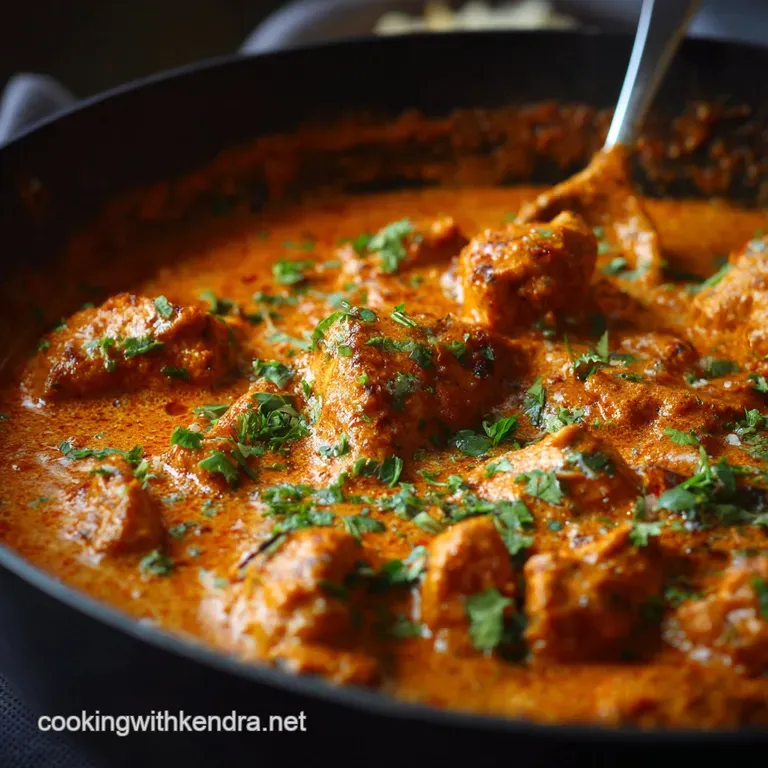
That specific, sweet, and smoky aroma when the kasuri methi hits the hot butter? Pure magic, right? You immediately know this isn't some bland, imitation takeout curry; this is the real deal, impossibly creamy and deeply spiced.
I swear the fragrance alone of cardamom, charred chicken, and sweet tomato makes your neighbors stand outside your kitchen window.
People assume making authentic Murgh Makhani is wildly complicated, but honestly, it’s a weeknight lifesaver if you plan ahead. Yes, the ingredient list is a little longer than my recipe for Buffalo Chicken Dip: The Creamiest, Easiest Oven Baked Recipe , but the actual cooking is mostly easy simmering and hands off blending. It’s significantly faster and cheaper than ordering delivery, and the flavor depth is incomparable.
I’ve struggled through the grainy sauces, the overly acidic bases, and the versions that tasted suspiciously like Italian pasta sauce, believe me. This recipe incorporates all the little tricks I’ve learned from activating the fenugreek to using the right fat to achieve that flawless, velvety texture every single time.
Get ready to master your new favorite, truly simple chicken dinner.
Mastering the Makhani: The Science Behind the Silky Finish
The Legacy of Delhi’s 1950s Culinary Classic
This isn’t just a curry; it’s history in a bowl, originating from the Moti Mahal restaurant in Delhi back in the 1950s. The owners perfected the idea of tossing pre-cooked Tandoori chicken into a rich, buttery tomato sauce.
This technique saved time and made the leftover smoked meat unbelievably juicy again.
What Defines the Velvety Makhani Sauce?
The term Makhani literally means "buttery," so yes, we are going heavy on the good stuff here. The sauce gains its signature texture and deep red color from high-quality crushed tomatoes and cashews, which are blended until completely smooth.
The richness is balanced by the sharp acidity of the tomato, which is then mellowed by sugar and heavy cream.
Understanding the Spice Blend: Garam Masala and Kasuri Methi
The base flavors rely on classic aromatics like ginger, garlic, and whole spices (cardamom and cinnamon). While Garam Masala is crucial for that earthy depth, it’s typically added later so its oils don't burn off. The true signature aroma comes from the dried fenugreek leaves.
The Crucial Role of Activated Fenugreek (Kasuri Methi)
If you just toss the dried fenugreek leaves straight into the sauce, you won't get the full experience. You must activate it. Gently rubbing the leaves between your palms or lightly dry-toasting them in a pan releases the volatile aromatic oils.
This simple step is the secret to getting that complex, restaurant quality fragrance.
Balancing Acidity (Tomato) and Richness (Butter & Cream)
The biggest challenge in making a great butter chicken sauce is preventing it from tasting like highly spiced spaghetti sauce. We manage this through careful balance. The butter emulsifies the sauce, the sugar cuts the acidity of the tomatoes, and the heavy cream provides the final, non-negotiable richness and smoothness.
The Benefits of the Two-Part Chicken Marinade
We use a yogurt marinade first, which is critical. The lactic acid in the yogurt works as a fantastic natural tenderizer, ensuring the chicken stays succulent even when exposed to high heat (broiling or pan-searing).
On top of that,, the spices in the marinade penetrate the meat deeply, creating an amazing flavor foundation.
Essential Components for the Ultimate Butter Chicken
Selecting the Best Cut for Succulent Chicken
You want dark meat, period. Boneless, skinless chicken thighs are the champion here because they retain moisture far better than breast meat under high heat. If you absolutely insist on using chicken breast, make sure you don't overcook it during the searing stage, or it will be dry later when simmered in the sauce.
Navigating Dairy: Cream, Butter, and Yogurt Choices
For the yogurt, stick to plain whole milk yogurt, not the super thick Greek style, as we need the moisture and acidity for the marinade. When it comes to the sauce, use heavy cream (double cream), which has a higher fat content and won't break when gently heated.
Do not use half and half ; it will give you a thinner result.
Detailed Spice Notes: Purity and Measurement
Kashmiri chili powder is generally mild but provides that gorgeous, deep crimson color without much heat. If you can’t find it, substitute paprika for the color, but definitely add a tiny pinch of cayenne for the necessary warmth.
Use fresh ginger garlic paste; it truly makes a difference compared to the jarred stuff.
Smart Substitutions for the Makhani Base
Sometimes you're mid-recipe and realize you're missing a key item, right? Don't panic; here are my favorite, tested swaps.
| Ingredient Missing | Ideal Substitute | Why It Works |
|---|---|---|
| Raw Cashews | Blanched almonds or sunflower seeds | Provides thickening starch and creamy body without compromising flavor much. |
| Yogurt (Marinade) | Buttermilk or sour cream (cut with milk) | The necessary acidity to tenderize the meat. |
| Kashmiri Chili | Paprika (for color) + Cayenne (for heat) | Mimics the mild heat and deep red hue. |
| Heavy Cream | Evaporated Milk (used sparingly) | Provides richness, though the texture won't be quite as thick. |
The Method: Executing Chef’s Classic Murgh Makhani
Stage 1: Prepping the Chicken and Initial Marinade
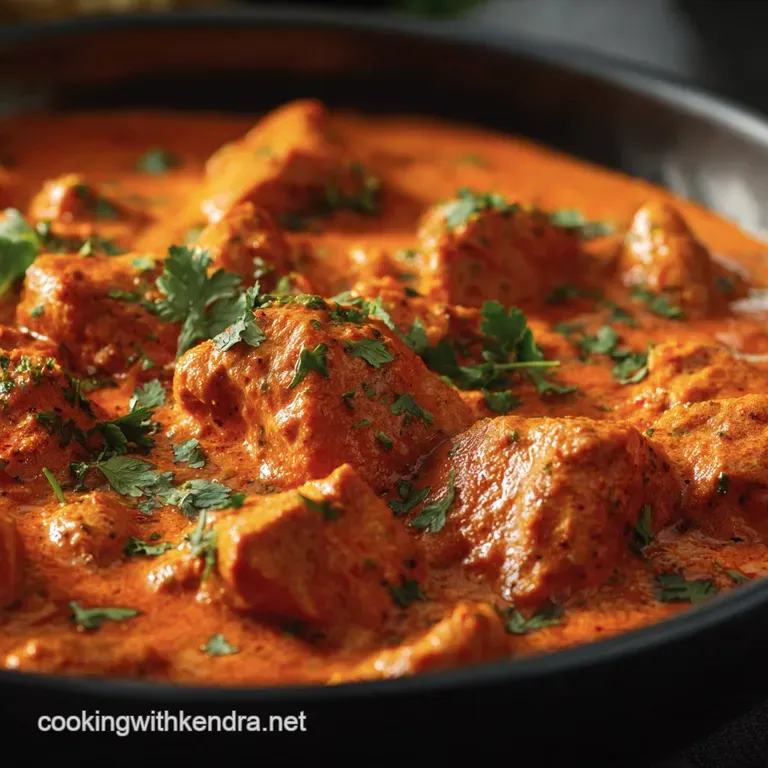
- Marinate Like You Mean It: Cut the chicken thighs into even 1 inch pieces, which ensures they cook consistently. Mix them aggressively with all the marinade ingredients in a bowl. Cover that bowl and shove it in the fridge for at least two hours; overnight is my ultimate recommendation for maximum tenderness.
- Char the Chicken: Pre-heat your broiler (or grill pan) to medium high. Arrange the marinated pieces on a foil lined tray and cook until they develop lovely dark spots and a slight char, turning once. This char is not optional; it adds that crucial smoky depth we call the tandoor flavor.
Stage 2: Building the Aromatic Makhani Gravy Base
- Sauté the Onions: In a large Dutch oven, melt 50g of butter with the neutral oil over medium heat. Add the diced onion and cook them slowly we're aiming for soft and translucent, not brown, which usually takes about five to seven minutes.
- Bloom the Aromatics: Stir in the ginger garlic paste, cinnamon stick, bay leaf, and cardamom pods. Cook for just one minute until the air smells ridiculously fragrant, but be careful not to let the ginger garlic burn. That makes everything bitter.
- Simmer and Soften: Add the crushed tomatoes, the cashews, sugar, and the stock or water. Bring this base mixture up to a gentle boil, then turn the heat down immediately. Simmer partially covered for 15 minutes to fully soften the cashews and allow the flavors to deepen.
Stage 3: Achieving the Perfect Velvety Texture (Blending & Simmering)
- Blend, Blend, Blend: Remove the large whole spices (bay leaf and cinnamon stick). Carefully transfer the hot sauce mixture to a powerful, high speed blender an immersion blender works, but a countertop blender gives the best result. Blend until the sauce is completely homogenous and utterly silky smooth.
- Strain (Pro Move): If you want a restaurant perfect finish, pour the blended sauce through a fine mesh sieve back into your clean pot. Press down on any remaining solids with a spatula. Trust me, getting rid of those tiny cashew fragments makes a massive difference in mouthfeel.
Stage 4: Final Finish and Incorporating the Chicken
- Finish the Makhani: Return the smooth sauce to medium heat. Stir in the Garam Masala and the remaining 25g of cold butter until it melts and incorporates smoothly into the gravy. This extra butter boosts the gloss and velvety texture.
- Activate Methi and Combine: Take the Kasuri Methi and rub it vigorously between your palms right over the pot. Stir the fenugreek and the cooked chicken pieces into the sauce. Simmer gently for 5 minutes just to marry the flavors.
- Enrich and Serve: Finally, remove the pot from the heat and stir in the heavy cream. Crucial warning: Do not allow the sauce to boil after adding the cream, or it risks curdling. Taste for salt and sugar balance, adjust as needed, and serve immediately with a swirl of extra cream on top.
Chef’s Note: The sugar is not just for sweetness; it’s an essential tool that reduces the acidic bite of the tomatoes, ensuring the gravy tastes rich and balanced instead of sharp. Don't skip it, even if you usually dislike sugar in savory dishes.
Troubleshooting Your Gravy: Expert Tips for Success
How to Fix a Grainy or Broken Makhani Sauce
A grainy sauce usually means you didn't blend the cashews properly. If the sauce is already finished, try blending it again with an immersion blender. If it feels broken (oil separating), try whisking in a teaspoon of cornstarch mixed with cold water (a slurry) while gently heating the sauce.
This often brings the emulsion back together.
Preventing Bitterness from Tomato Paste or Over Spicing
Bitterness comes from two places: poor quality tomatoes or burned aromatics/spices. Always choose high-quality crushed tomatoes, as cheap ones can be acidic. When cooking the base, ensure you cook the onions low and slow, and only toast the ginger garlic paste for a minute.
If your sauce is already bitter, a tiny pinch more sugar and a splash more heavy cream can often save the day.
Techniques for Intensifying the Smoky Flavor
Did you skip the broiler and now your curry lacks that depth? We can fix this! Look up the Dhungar technique. You take a piece of charcoal, heat it until smoking hot, place it in a small steel bowl in the center of the curry, drizzle a drop of ghee over it, and immediately cover the pot for 30 seconds.
This infuses the entire dish with a beautiful tandoor smokiness.
Practical Guide: Storing, Freezing, and Reheating Butter Chicken
Maximum Refrigerated Shelf Life
This [Velvety Butter Chicken] keeps incredibly well in the fridge. Store it in an airtight container for up to 4 days. The flavors actually deepen overnight, making leftovers truly magnificent.
Best Practices for Freezing the Sauce (The Cream Factor)
Can you freeze Butter Chicken? You bet. However, the heavy cream can sometimes separate into a weird, grainy texture upon thawing. The professional trick: Freeze the Makhani base (everything up to step 11, before adding the final cream).
When you want to serve it, thaw the base, bring it to a simmer, and then stir in the heavy cream fresh. It lasts up to three months this way.
Reheating Without Compromising Texture
Whether it’s the full dish or just the frozen sauce, reheat low and slow on the stovetop. Use medium low heat and stir often. If the sauce seems too thick after reheating (which happens when starches settle), simply add a tablespoon or two of milk or stock to bring it back to that signature velvety consistency.
Traditional Accompaniments for Murgh Makhani
What good is a spectacular curry without the proper vehicles for delivering it to your mouth? You absolutely need some bread to scoop up every last drop of that incredible sauce.
- Naan and Paratha: Warm garlic naan is classic, but Laccha Paratha (layered flaky bread) is equally divine.
- Rice: Steamed Basmati rice or a simple, fragrant saffron pilaf cuts through the richness beautifully.
- Raita: A cool cucumber and mint raita (yogurt dip) provides a refreshing contrast to the intense spices and richness of the Murgh Makhani. It’s like a palate cleanser and a cooling agent all in one bowl.

Recipe FAQs
Why isn't my Butter Chicken sauce the rich, vibrant red color I often see?
The characteristic vibrant red hue comes primarily from using high-quality tomato puree and, crucially, Kashmiri chili powder. Kashmiri chili provides color saturation without excessive heat, unlike standard cayenne.
To deepen the color, ensure you simmer the tomato base long enough to cook down and concentrate before adding dairy.
Is Kasuri Methi (Dried Fenugreek Leaves) essential, or can I skip it?
Kasuri Methi is arguably the defining aromatic of authentic Murgh Makhani, lending an earthy, slightly bitter, and highly complex savory note that cannot be replicated. You must include it to achieve the classic flavor profile.
Always rub the dried leaves between your palms before adding them to the sauce to activate and release their essential oils.
My cream split when I added it to the sauce. How can I prevent the sauce from curdling?
Cream tends to split when added to a vigorously boiling liquid or if it encounters high acidity too suddenly. Always reduce the heat to the lowest possible simmer before incorporating the heavy cream and butter, ensuring you whisk constantly until the fats are fully emulsified.
Never boil the sauce after the cream has been added.
I don't have time to marinate the chicken for hours. Will a quick marinade work?
While a minimum of 4 hours provides significantly better flavor and texture, a quick 30-minute marinade is better than none. If pressed for time, ensure your chicken pieces are cut small to maximize surface area contact with the yogurt and spices.
The marinade is vital for creating the signature smoky, tandoor style flavor base.
Can I make this Butter Chicken recipe vegetarian or vegan?
Yes, this recipe adapts very well to dietary changes. For a vegetarian version, swap the chicken for paneer or chickpeas, following the same marinade steps. For a fully vegan dish, use full fat cashew cream or coconut milk instead of heavy cream and substitute the butter with a high-quality vegan butter substitute.
How should I store leftover Butter Chicken, and can I freeze it?
Leftovers can be stored in an airtight container in the refrigerator for up to 3 days, where the flavors will continue to meld. Freezing is possible, but be aware that the high dairy content can sometimes cause the sauce to become slightly grainy when thawed.
To minimize separation, thaw slowly in the refrigerator and reheat gently while stirring in a splash of fresh cream to re-emulsify.
My sauce tastes too acidic. What ingredient balances the tomato base?
Acidity is balanced by sweetness and fat. Ensure you are adding the prescribed amount of butter and heavy cream, as they mellow the tang of the tomatoes. If the sauce is still too sharp, add a pinch of sugar or a bit more honey to temper the acidity without impacting the savory flavor.
Classic Velvety Butter Chicken Recipe
Ingredients:
Instructions:
Nutrition Facts:
| Calories | 402 kcal |
|---|---|
| Protein | 39.8 g |
| Fat | 23.4 g |
| Carbs | 9.8 g |
