The Only Copycat Recipe Youll Ever Need Creamy Italian Olive Garden Salad Dressing
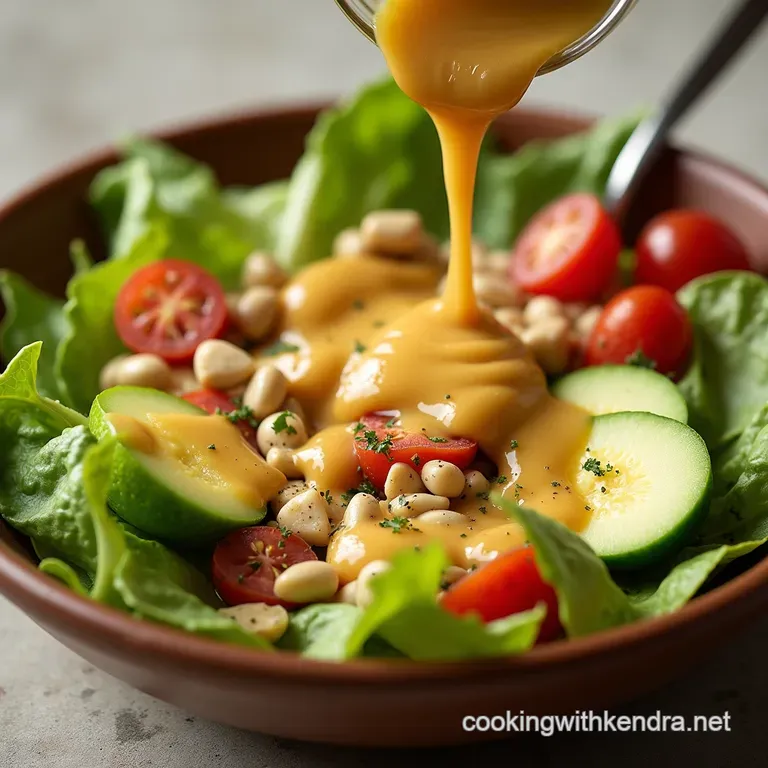
- Unlocking the Secret to That Iconic Restaurant Creaminess
- Why This Homemade Olive Garden Salad Dressing Outshines Bottled Versions
- Assembling the Powerhouse Components for Rich Flavor
- The Master Technique: Blending Secrets for Silky Smoothness
- Maximizing Freshness: Storage and Longevity Tips
- Variations: Tailoring Your Copycat Olive Garden Salad Dressing Experience
- Nutritional Insights: Healthier Swaps for Lighter Indulgence
- Recipe FAQs
- 📝 Recipe Card
Unlocking the Secret to That Iconic Restaurant Creaminess
There is an almost nostalgic quality to the first bite of Olive Garden's famous unlimited salad. It’s the dressing, isn't it? That perfectly balanced, slightly tangy, deeply herbaceous coating that makes you reach for "just one more piece" of breadstick.
For years, fans have tried to recreate that signature taste at home, often failing because they miss one crucial, yet simple, element. The secret to achieving that iconic, rich texture lies not in complex cooking, but in mastering a quick, perfect emulsion using a few readily available components.
Mastering this Olive Garden Salad Dressing Recipe means unlocking the ability to elevate any simple bowl of greens into a restaurant worthy experience.
Why This Homemade Olive Garden Salad Dressing Outshines Bottled Versions
When you grab a bottle of dressing off the shelf, you’re usually compromising on freshness and often dealing with stabilizers and preservatives that dilute the true flavour potential. This Homemade Olive Garden Dressing skips those pitfalls entirely.
By making it yourself, you control the quality of the oil, the intensity of the garlic (though we use powder for authenticity here), and ensure that vibrant tang remains sharp. It offers superior texture, a brighter herb profile, and a much more satisfying mouthfeel than its commercially bottled counterpart.
The Magic Behind the Signature Tang and Herb Blend
The unique flavour profile of this dressing hinges on the combination of sharp acidity primarily from white wine vinegar balanced subtly by a hint of sugar. This interplay prevents the dressing from tasting either too sour or too sweet.
Alongside this foundational tang, the aromatic arsenal of dried oregano, basil, and parsley must be used in the right proportion. These herbs infuse the creamy base, giving it that recognizable Italian character that defines the Best Olive Garden Dressing .
A Culinary Confession: It's Easier Than You Think
Many home cooks hesitate, assuming that achieving a thick, stable, restaurant quality emulsion requires professional equipment or advanced technique. I assure you, this recipe proves that assumption false. Difficulty level here is firmly set at Easy.
There is no cooking required; the entire process is a simple assembly and whisking exercise that takes mere minutes, followed by a short but essential chilling period.
Setting the Stage for Unlimited Salad Perfection
The goal is not just to mimic the flavour, but the texture. This dressing should coat the lettuce beautifully without immediately pooling at the bottom of the bowl. We achieve this by utilizing mayonnaise as our primary emulsifier, combined with a precise measurement of cold water and light olive oil.
Once you have this blueprint down, you’ll be ready to serve this dressing alongside everything it’s even fantastic enough to be the star of an Olive Garden Salad Dressing Pasta Salad side dish.
Assembling the Powerhouse Components for Rich Flavor
To begin our journey toward the perfect Copycat Olive Garden Salad Dressing , we must gather our building blocks. We need components that provide creaminess, acidity, oil structure, and aromatic depth.
Remember, while this recipe closely mirrors the chain’s preparation, using high-quality (but mild) ingredients where possible ensures a superior final product.
Essential Pantry Staples for Perfect Emulsification
The foundation of this creamy structure relies on staples you likely already possess. We are using half a cup of full fat mayonnaise, which acts as the initial binding agent. To this, we introduce half a cup of cold water.
The water is crucial; it thins the mayonnaise slightly, preparing it to accept the oil and vinegar without immediately separating. A teaspoon of Dijon mustard is also vital here, acting as a secondary stabilizer, ensuring your final product remains smooth rather than breaking into an oily slick.
We also add a mere teaspoon of granulated sugar, which is necessary to counteract the sharpness of the vinegar without making the dressing sweet.
The Aromatic Arsenal: Herbs and Spices That Define the Taste
This is where the Italian heart of the dressing beats strongest. We rely on dried herbs for this specific profile because dried herbs tend to release their flavour more slowly and evenly into a cold emulsion than their fresh counterparts.
You will need one teaspoon each of dried oregano and dried basil, complemented by half a teaspoon of dried parsley. These herbs are paired with one teaspoon of garlic powder and half a teaspoon of onion powder.
Using powders here, rather than fresh minced garlic, prevents the dressing from tasting overly pungent right away and keeps the texture silky smooth, which is key for any high-quality Creamy Italian Salad Dressing Recipe .
Crucial Acid and Oil Ratios for the Best Olive Garden Salad Dressing Consistency
The liquid balance demands attention. We need a quarter cup of white wine vinegar for that distinctive bright tang. This acidity must be slowly incorporated with an equal amount a quarter cup of light olive oil. It is imperative to use a light or pure olive oil here, not an extra virgin variety.
EVOO carries robust, sometimes grassy flavours that will overwhelm the delicate herb blend. This specific 1:1 acid-to-oil ratio, combined with the mayonnaise base, results in a dressing that hits all the right notes of richness and zing.
Related Recipes Worth Trying
- The Best Creamy Tangy Picnic Macaroni Salad Recipe — Nail that classic picnic vibe with this smashing Macaroni Salad recipe Its creamy tangy and loaded with crunch Get the foolproof dressing ratio here
- The Ultimate Cheddar Bacon Ranch Potato Salad Recipe — Forget bland sides This Cheesy Bacon Ranch Potato Salad packs a punch with homemade ranch dressing An addictive easy side dish for any gathering
- Easy Chicken Salad Chick Grape Salad Copycat Recipe — Whip up the famous sweet creamy Grape Salad inspired by Chicken Salad Chick This easy recipe uses simple ingredients for a delicious Southern side Get the...
The Master Technique: Blending Secrets for Silky Smoothness
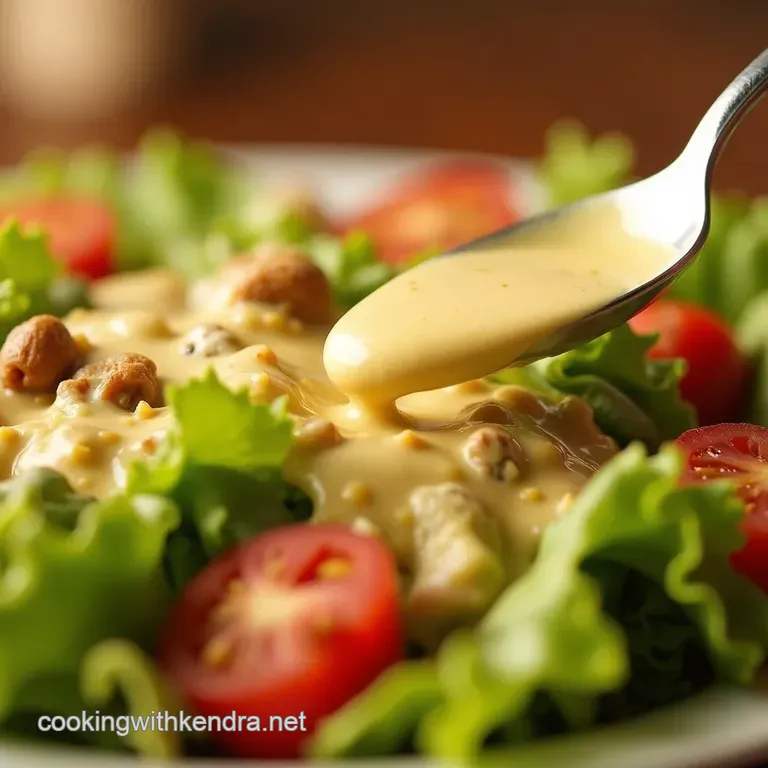
The success of this Olive Garden Dressing Ingredients list hinges entirely on the mixing process. If you simply dump everything in and stir once, you will likely end up with a watery, separated mess.
The goal is emulsification suspending tiny droplets of oil evenly throughout the water and mayonnaise base.
The Gentle Introduction of Garlic and Seasonings
Begin by combining all the non-oil components in your mixing bowl: the mayonnaise, cold water, white wine vinegar, Dijon mustard, sugar, all the powders (garlic and onion), and the dried herbs (oregano, basil, parsley), plus salt and pepper.
Whisk this mixture vigorously until the sugar is completely dissolved and you have a uniform, slightly thick, pale liquid base. This preparation ensures the dry elements are fully hydrated before the oil is introduced.
Slow Drizzle Method: Whipping the Dressing to Ideal Thickness
This is the moment of truth. While whisking the base mixture continuously and rapidly think steady, energetic whipping you must begin adding the quarter cup of light olive oil. The oil must be drizzled in an extremely thin, steady stream.
If you pour it in too quickly, the emulsion will "break," meaning the oil and water phases will reject each other. Keep whipping until all the oil is incorporated. The dressing will transform before your eyes, thickening significantly as the mixture stabilizes into a homogenous, creamy sauce.
If it seems overly dense after all the oil is added, add an extra tablespoon of cold water until it drizzles smoothly off the whisk.
The Essential Chill Time for Flavor Marriage
Once perfectly emulsified, resist the urge to taste and serve immediately. Transfer the finished Olive Garden Salad Dressing into an airtight container. For optimal flavour development, this dressing needs a minimum of 30 minutes in the refrigerator.
This chilling time allows the dried herbs to fully rehydrate within the creamy matrix, deepening their flavour and allowing the vinegar's tang to mellow slightly into the fat components, resulting in a vastly superior taste experience.
Maximizing Freshness: Storage and Longevity Tips
Because this recipe contains mayonnaise and water, it requires refrigeration. Stored properly in a sealed, airtight container, this homemade dressing maintains its peak quality for about five to seven days.
The texture might thicken slightly more upon extended refrigeration, which is perfectly normal; just give it a quick whisk or shake before serving to loosen it back up.
Variations: Tailoring Your Copycat Olive Garden Salad Dressing Experience
While the classic recipe is beloved, customization is part of the joy of home cooking. If you find the standard profile slightly too mild, a fantastic enhancement is adding a small pinch (about 1/4 teaspoon) of red pepper flakes along with the dried herbs.
This introduces a subtle warmth that plays beautifully against the cool creaminess. For a deeper, more savory complexity reminiscent of some traditional Italian vinaigrettes, feel free to blend in half a small anchovy fillet with the wet ingredients, though this moves it slightly away from the exact chain restaurant profile.
Nutritional Insights: Healthier Swaps for Lighter Indulgence
For those conscious of the Olive Garden Salad Dressing Calories , which are largely derived from the fat content in the mayonnaise and oil, substitutions are possible without completely sacrificing texture. You can replace half of the full fat mayonnaise with plain, full fat Greek yogurt.
This swap significantly reduces the overall fat content while introducing a beneficial tang and maintaining considerable thickness.
Troubleshooting: Fixing a Dressing That's Too Thick or Too Thin
If you find your final dressing is stubbornly thick after chilling, simply whisk in cold water, one teaspoon at a time, until your desired pouring consistency is achieved. Conversely, if you mistakenly added too much water and the dressing seems too thin or slightly separated, use a teaspoon of extra mayonnaise or Dijon mustard placed in a separate clean bowl, and slowly whisk your thin dressing into this new, thick base until the emulsion tightens up again.
Pairing Suggestions Beyond the House Salad (Think Chicken and Shrimp)
Don't limit this versatile dressing to leafy greens! Its robust flavour profile makes it an excellent, quick marinade base for chicken or shrimp before grilling or baking. Simply thin the mixture slightly with an extra tablespoon of vinegar and water, toss your protein, and let it sit for at least 30 minutes.
It also works wonderfully as a creamy topping for baked potatoes or as a dip for crispy zucchini fries.
How Long Can This Homemade Gold Last in the Refrigerator?
Adhering strictly to food safety guidelines due to the presence of water and dairy/egg base (mayonnaise), you should consume this fresh dressing within one week for the best quality and safety. Always check for any off-odours or significant changes in colour before consuming leftovers past day five.
Making it dairy-free: Vegan Alternatives to Capture the Creaminess
Achieving a gluten-free Olive Garden Dressing that is also vegan is straightforward by substituting the mayonnaise. Look for a high-quality vegan mayonnaise made from chickpea or soy base.
Alternatively, for a very clean, whole food approach, blend silken tofu with a touch of apple cider vinegar and Dijon mustard to create the creamy base, and then proceed with the standard oil emulsification technique described above.
Recipe FAQs
How do I stop my Olive Garden Salad Dressing from separating after I make it?
The key to a stable dressing is a slow, steady drizzle of oil while you are whisking furiously this is called emulsification. If it does look like it’s splitting, don't fret!
Just start again with a teaspoon of fresh mayonnaise in a clean bowl and slowly whisk your separated mixture into that new base, drop by drop, until it binds back together.
Can I make this Olive Garden Salad Dressing ahead of time, and how long does it last in the fridge?
Absolutely, and I highly recommend making it ahead! Chilling for at least 30 minutes allows the dried herbs to properly bloom and integrate their flavour, making the dressing far superior.
Stored correctly in an airtight container, this homemade version should keep beautifully for about 7 to 10 days in the refrigerator, though it tastes best within the first week.
I don't have white wine vinegar; what's the best substitute for this dressing?
If you’re in a pinch, the best substitute is good quality red wine vinegar; however, you might want to use slightly less, as it can be a bit bolder than white wine vinegar. Alternatively, plain distilled white vinegar will work in a pinch, but it will result in a sharper, less nuanced tang, so perhaps dial back the quantity slightly until you taste test it.
Is it possible to make a lighter version of the Olive Garden Salad Dressing without all the fat?
Yes, you can certainly lighten it up! For a lower fat alternative, swap out about half of the full fat mayonnaise with plain, full fat Greek yogurt. Be aware that the yogurt will add a slightly different kind of tang, but it helps maintain that vital creamy body the dressing is famous for.
Should I use fresh garlic or stick to the garlic powder in this recipe?
To perfectly mimic the restaurant experience, stick to garlic powder as it provides a consistent, mellow flavour profile that blends smoothly. If you prefer a stronger, more pungent garlic kick which is often preferred at home feel free to add one small clove of finely grated fresh garlic during the mixing stage.
Copycat Olive Garden Dressing
Ingredients:
Instructions:
Nutrition Facts:
| Calories | 3794 kcal |
|---|---|
| Protein | 50.7 g |
| Fat | 59.7 g |
| Carbs | 248.4 g |
| Fiber | 81.7 g |
| Sodium | 1331 mg |
