The Ultimate Copycat Olive Garden Salad Dressing Creamy Tangy Perfection
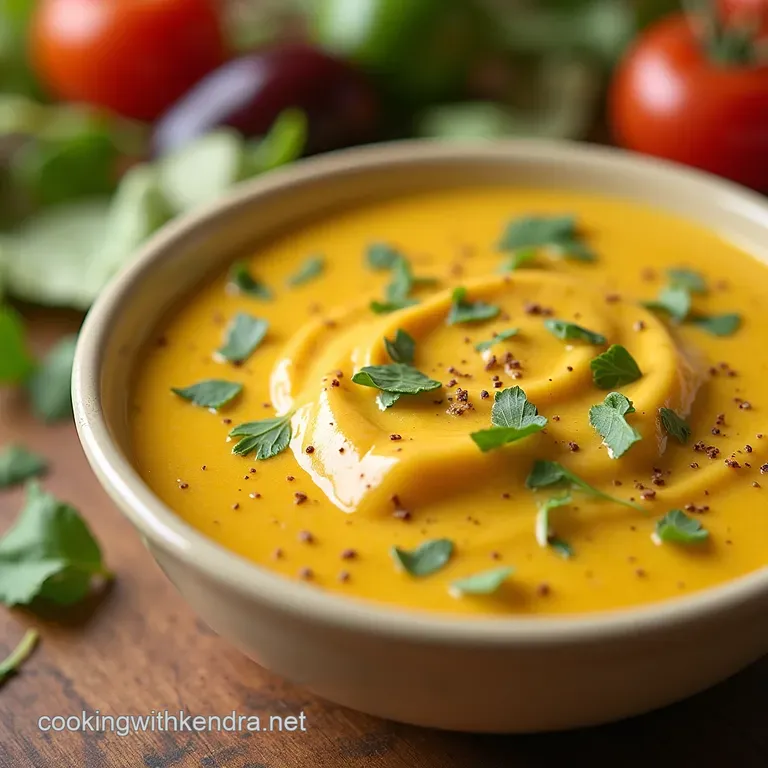
- Unlock the Secret to That Iconic Creamy Texture
- Why Homemade Olive Garden Salad Dressing Triumphs Over Bottled
- Assembling the Essential Components for Authentic Flavour
- Decoding the Must-Have Pantry Staples for This Dressing
- Step-by-Step Mastery: Crafting the Signature Blend
- The Art of Perfect Emulsification for a Silky Finish
- Extending the Life and Versatility of Your Creation
- Nutritional Snapshot: Understanding the Homemade Advantage
- Troubleshooting Common Copycat Dressing Dilemmas
- Recipe FAQs
- 📝 Recipe Card
Unlock the Secret to That Iconic Creamy Texture
There is a magic that happens when you take a simple bowl of iceberg lettuce and transform it with that specific, recognizable dressing the one that makes you reach for another breadstick just to soak up the last drops. We are talking, of course, about the inimitable Olive Garden Salad Dressing.
For years, fans have sought to replicate that perfect balance of tangy acidity, savory herbs, and signature creaminess. Achieving that goal isn't about finding one single secret ingredient; it’s about mastering the emulsion and selecting the right foundational components.
This Olive Garden Salad Dressing Copycat Recipe focuses intently on that crucial texture that velvety coating that clings just right to the lettuce without drowning it.
It’s a dressing that manages to be simultaneously light yet profoundly flavourful, and today, we are demystifying its preparation entirely.
Why Homemade Olive Garden Salad Dressing Triumphs Over Bottled
While the convenience of grabbing a bottle off the shelf is tempting, nothing truly compares to the vibrancy achieved when you assemble this Homemade Olive Garden Dressing from scratch.
Bottled versions often rely on thickeners, preservatives, and stabilizers that dull the fresh, sharp edges that define the original. When you mix these elements in your own kitchen, you control the quality, the sharpness of the garlic, and the intensity of the herbs, resulting in a dressing that explodes with authentic flavour.
The Herbaceous Foundation of the Famous Salad
The distinctive profile of this Garden Salad Dressing lies squarely in its dried herb blend. Unlike fresh herbs, which can wilt and brown quickly in a refrigerated dressing, the dried counterparts oregano, basil, and parsley infuse slowly over time, creating a deep, resonant flavour base.
When you craft this dressing yourself, you ensure these herbs have the necessary time, usually in the refrigerator, to fully hydrate and marry with the acidic and creamy elements, elevating the entire experience beyond a simple vinaigrette.
Ditching store-bought: Taste the Real Deal Now
Many commercial attempts at a Copycat Olive Garden Dressing miss the mark by using too much oil or relying heavily on sugar to mask low-quality vinegar. Our goal is authentic tang.
The judicious use of white wine vinegar is non-negotiable; it provides the necessary sharp counterpoint to the rich mayonnaise base. By using the correct ratio of this acid, you mimic the restaurant’s zestiness perfectly, something often muted in pre-packaged versions destined for long shelf lives.
Bridging the Gap to Never Ending Salad Perfection
The beauty of this dressing lies in its role as the perfect companion to simple greens and parmesan. It transforms iceberg and romaine into something addictive. This Olive Garden Salad Dressing Recipe is engineered to coat crisply, not pool sadly at the bottom of your bowl.
The combination of mayonnaise and a small amount of carefully streamed olive oil creates a sturdy, stable emulsion that adheres perfectly, ensuring every bite delivers that signature creamy punch you crave from the famous never ending salad bowls.
Assembling the Essential Components for Authentic Flavour
To create the best Olive Garden Salad Dressing , we need to gather components that fulfill specific textural and flavour roles. This isn't just about dumping things into a bowl; it’s about building layers.
We are aiming for a texture that is thick but pourable, tangy but balanced by sweetness, and distinctly savoury due to the garlic and onion notes. This thoughtful assembly ensures that the final product is truly the Best Olive Garden Dressing Recipe you’ll ever make.
Decoding the Must Have Pantry Staples for This Dressing
The key to this fantastic flavour lies in understanding the function of each staple. We require an emulsifier for body, an acid for brightness, and specific aromatics for depth. Using regular olive oil rather than extra virgin is a deliberate choice; we want the richness of the oil without the peppery, sometimes bitter notes that quality EVOO can impart, keeping the profile clean.
The Cream Base: Achieving Peak Emulsion
The backbone of this Creamy Olive Garden Dressing is full fat mayonnaise. This ingredient provides the necessary fat content and emulsifying proteins to hold the water and oil together, giving the dressing its characteristic opacity and mouthfeel.
We balance this richness with just a touch of ice-cold water, drizzled in slowly, which helps to lighten the overall density without causing the dressing to separate prematurely.
Herbs and Spices: The Flavour Architects of Olive Garden Salad Dressing
The flavour profile is heavily influenced by dried Italian herbs, specifically oregano, basil, and parsley. Unlike fresh herbs, these dried elements are crucial for that deep, slow release flavour that develops best when chilled. Complementing them are powdered aromatics: onion powder and fresh, finely minced garlic.
The fresh garlic provides a necessary sharp bite that powder alone cannot achieve, cutting through the richness of the mayo.
Essential Tools for a Seamless Dressing Preparation
While a vigorous whisk can achieve this texture, the absolute smoothest result, often closer to what you receive in the restaurant, comes from using an immersion blender or a small food processor. These tools allow for high speed integration of the oil, ensuring a tight, stable emulsion.
If you prefer a traditional approach, just ensure your whisking arm is ready, as constant movement is vital during the emulsification stage.
Related Recipes Worth Trying
- The Only Copycat Olive Garden Salad Dressing Recipe Youll Ever Need — Recreate that famous creamy Italian flavour at home This Homemade Olive Garden Dressing is easy to whisk up and tastes better than bottled A true weeknight hero
- The Best Creamy Tangy Picnic Macaroni Salad Recipe — Nail that classic picnic vibe with this smashing Macaroni Salad recipe Its creamy tangy and loaded with crunch Get the foolproof dressing ratio here
- The Ultimate Cheddar Bacon Ranch Potato Salad Recipe — Forget bland sides This Cheesy Bacon Ranch Potato Salad packs a punch with homemade ranch dressing An addictive easy side dish for any gathering
step-by-step Mastery: Crafting the Signature Blend
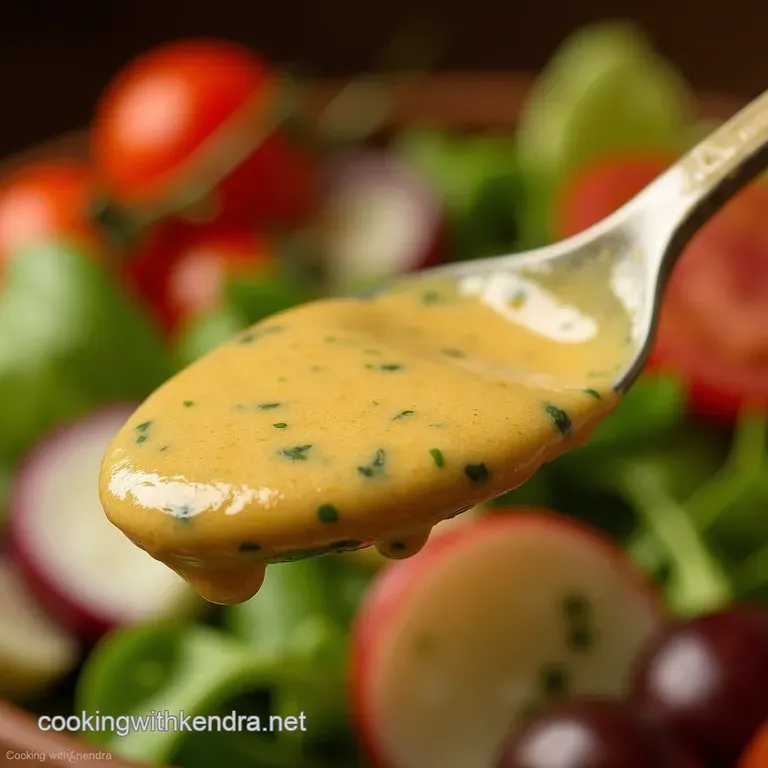
The process begins by establishing the flavour core. Start by combining your flavour architects the minced garlic, sugar to balance the inevitable tang, salt, pepper, Dijon mustard (which acts as a secondary emulsifier), and all the dried herbs directly into your bowl with the mayonnaise base.
Whisk this thick mixture thoroughly until the herbs are evenly distributed and the garlic is incorporated. This concentrated base is where the robust flavour originates before the liquids are added.
The Art of Perfect Emulsification for a Silky Finish
Creating a truly stable and silky Olive Garden Salad Dressing depends entirely on how you incorporate your liquids, particularly the oil. This stage transforms a thick, mayonnaise heavy mix into a flowing, luxurious coating.
Initial Blending: Integrating the Acidic and Savory Notes
After the herb base is smooth, introduce the white wine vinegar and the cold water. Whisk these in until the mixture has visibly loosened and lightened in colour, resembling a thick, creamy ranch dressing at this point.
This step ensures the acidic components are fully distributed before the fat (oil) is introduced, promoting a better overall blend.
Incorporating the Oil Slowly: The Key to a Stable Dressing
If you are using a blender or food processor, this is where you set the machine to low speed and begin slowly drizzling the two tablespoons of light olive oil through the feed tube. If whisking by hand, incorporate the oil a teaspoon at a time, whisking vigorously after each addition.
Resist the temptation to dump the oil in at once; slow incorporation traps the oil molecules within the water and protein matrix of the mayonnaise, creating that signature, uniform thickness required for the Olive Garden Salad Dressing Ingredients to truly shine.
Taste Testing and Final Seasoning Adjustments
Once the dressing has achieved its uniform, creamy appearance, pull out a piece of lettuce for the ultimate test. Taste it critically. Does it need more bite? Add a few more drops of vinegar. Is it too sharp? Whisk in a tiny pinch more sugar.
Remember that the flavour will change slightly as the dressing chills, so err on the side of slightly bolder seasoning now.
Serving Suggestions Beyond Lettuce: Pairing with Shrimp Dishes
While this dressing is famous for salads, its profile creamy, garlicky, and herbaceous makes it wonderfully versatile. It pairs exceptionally well as a light dipping sauce for grilled shrimp skewers or drizzled over roasted asparagus spears, adding that recognizable zesty note to proteins and vegetables alike.
Extending the Life and Versatility of Your Creation
The beauty of making this dressing fresh is the longer shelf life you achieve compared to highly processed bottled options. Stored properly in a sealed, airtight container in the refrigerator, your Copycat Olive Garden Dressing remains vibrant and delicious for up to two weeks.
This longevity allows you to enjoy your favourite flavour beyond just your weekly salad night, making it a consistent staple in your fridge.
Nutritional Snapshot: Understanding the Homemade Advantage
When reviewing the Olive Garden Salad Dressing Nutrition , it’s important to note that while homemade dressings often use high-quality fats (like olive oil), they avoid the industrial stabilizers and heavy sugars common in restaurant versions.
While it remains a rich dressing due to the mayonnaise content, you have precise control over the sodium and fat sources, allowing you to create a version that aligns better with your dietary goals than the standard offering.
Troubleshooting Common Copycat Dressing Dilemmas
Even experts occasionally run into minor hiccups during the blending process. Knowing how to correct common issues ensures you don't waste your carefully measured ingredients.
Optimal Storage Methods for Maximum Freshness
Always store your finished dressing in a clean, glass, airtight jar. Glass helps prevent any potential flavour transfer. Ensure the jar is sealed tightly and kept in the coldest part of your refrigerator.
Avoid storing it near the door, where temperature fluctuations are most common, as consistency is key to maintaining texture.
Variations: Infusing Your Own Herb Twists
If you want to venture slightly beyond the original, consider adding a very small amount of dried marjoram to the existing herb blend, which can add a subtle, earthy sweetness. Alternatively, for a brighter note, whisk in 1 teaspoon of fresh lemon juice along with the vinegar.
Calorie Comparison: Homemade vs. Restaurant Standard
While restaurant nutrition can be difficult to pin down precisely, typically, a generous serving of this Creamy Olive Garden Dressing made at home will clock in between 110 130 calories per two tablespoons, largely dependent on the specific mayonnaise brand chosen.
This is comparable to, and sometimes slightly lighter than, commercially available creamy dressings of similar consistency.
Fixing a Dressing That Split or Is Too Thin
If your dressing seems too thin, it means the emulsion didn't fully stabilize. Place the mixture back into the blender (or use a whisk) and slowly drizzle in an additional teaspoon of mayonnaise while blending on low speed.
If the dressing has separated (split), place one tablespoon of fresh mayonnaise in a clean bowl, and slowly whisk your split dressing into this new base, one teaspoon at a time, until the mixture comes back together into a uniform, silky consistency.
Recipe FAQs
What’s the secret to making this Olive Garden Salad Dressing taste authentic?
The magic really lies in the balance of sharp white wine vinegar and the blend of dried herbs, particularly the oregano. Also, don't skimp on the resting time you must let it chill for at least 30 minutes so the dried herbs can properly hydrate and release their full flavour profile.
Can I make this Olive Garden Salad Dressing ahead of time, and how long does it keep?
Absolutely, making it ahead is encouraged! It actually tastes better the next day once the flavours have truly melded together. Store it in an airtight container in the fridge; it should keep beautifully for up to a week, just give it a good shake before serving.
I don't like mayonnaise; can I substitute it in this recipe?
You certainly can try! For a lighter, tangier version, you can swap the mayonnaise for an equal amount of full fat plain Greek yogurt. Be aware, though, that mayonnaise is key for that specific rich creaminess you find at the restaurant, so the texture will be slightly different.
Why does the recipe say to use regular olive oil instead of extra virgin olive oil?
Extra virgin olive oil has a very robust, peppery flavour that can easily clash with the delicate Italian herbs in this recipe. The standard, lighter olive oil ensures the dressing remains smooth and allows the vinegar and herbs to shine through, much like a good vinaigrette base.
My dressing looks a bit broken or oily; what went wrong?
This usually happens during the emulsification stage, often if the cold water or oil was added too quickly. To fix it, put a teaspoon of fresh mayonnaise or Dijon mustard in a small bowl and slowly whisk your broken dressing into it, drip by drip, until it comes back together into a smooth, uniform emulsion.
Is there a way to make a spicy version of the Olive Garden Salad Dressing?
If you fancy a bit of a kick, you're in luck it’s easily spiced up! Simply add about half a teaspoon of red pepper flakes in with the dried herbs. This gives it a lovely, subtle warmth reminiscent of some southern Italian flavours.
Copycat Olive Garden Dressing 2
Ingredients:
Instructions:
Nutrition Facts:
| Calories | 8415 kcal |
|---|---|
| Protein | 90.2 g |
| Fat | 131.2 g |
| Carbs | 493.8 g |
| Fiber | 190.4 g |
| Sodium | 2665 mg |
