Cream Cheese Raspberry Pinwheels Recipe
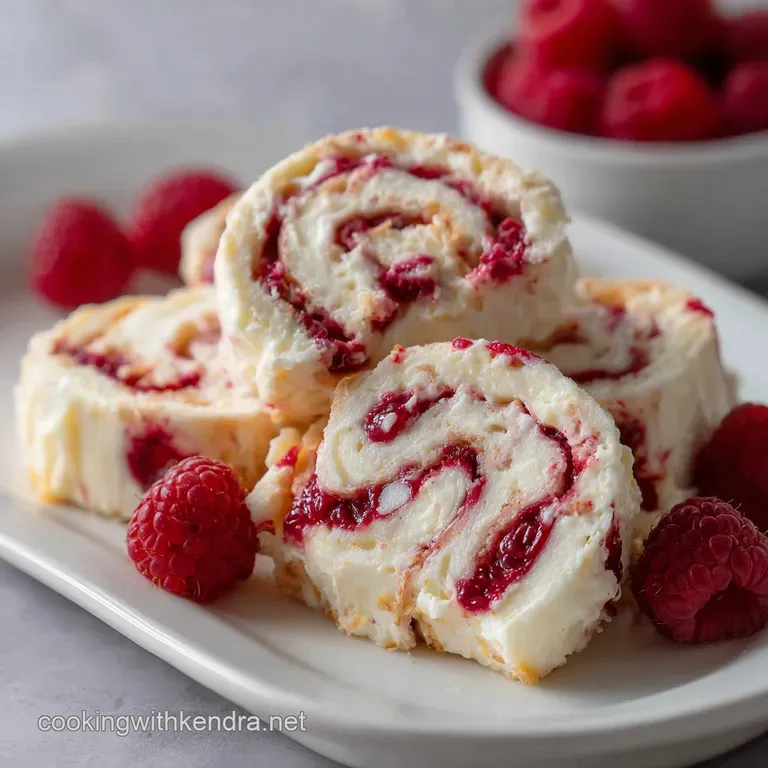
- Introducing the Tangy Temptation: The Versatile Role of the Cream Filling
- The Alchemy of Texture: Why Cultured Dairy Elevates Sweet Pastry
- Mastering the Mise en Place: Essential Components for the Perfect Pinwheel
- Shaping the Whimsy: Step-by-Step Guide to Pinwheel Perfection
- Troubleshooting Your Pinwheels: Expert Tips for a Flawless Bake
- Keeping the Magic Fresh: Storage and Longevity Guide
- Presenting the 'Cheshire Cat': Ideal Pairings for Afternoon Tea
- Recipe FAQs
- 📝 Recipe Card
Introducing the Tangy Temptation: The Versatile Role of the Cream Filling
Listen, if you haven't baked something with proper, full fat Cream Cheese lately, you are missing out. The moment these pinwheels hit the oven, your kitchen is going to smell like a bakery exploded in the best way possible warm yeast and that distinctive, tangy sweetness.
It’s the scent of comfort, I swear, and it always makes me feel like a proper pastry chef, even though I'm usually just wearing my pyjamas.
So many people reserve this ingredient exclusively for cheesecake, but that’s crazy talk. This incredible dairy powerhouse is the backbone of so many quick, satisfying bakes, offering a crucial acidity that cuts through cloying sweetness.
This specific Cream Cheese recipe is a lifesaver because it’s fast, forgiving, and delivers maximum "wow factor" for minimal effort.
We are skipping the super fussy laminated dough steps found in traditional Danish pastries and moving straight to an enriched yeast dough. The result is a pillowy, soft pastry cradle for a gorgeous, slightly tart filling.
Get ready to ditch the store-bought variety because making this at home is going to revolutionize your weekend baking.
The Alchemy of Texture: Why Cultured Dairy Elevates Sweet Pastry
Escaping the Cheesecake Trap: A Modern Danish Approach
I love cheesecake as much as the next person, but sometimes I just want that glorious tang without the three hours of prep and the terrifying water bath. This pinwheel uses the same logic a high fat, cultured dairy filling but wraps it up in a cozy blanket of soft yeast dough.
This makes them portable, perfect for breakfast, and so much easier for home cooks.
Defining the Cream Cheese Core: The Tangy Counterpoint to Raspberry
The secret weapon here is the acidity of the Cream Cheese . Without it, the sugar in the pastry and the jam would just create a sugar coma. That sharp, slightly salty flavour balances the raspberry perfectly, making the overall bite feel complex and grown-up.
It gives the illusion of lightness even though these are wonderfully rich.
What Makes This Recipe Different? Enriched Dough vs. Lamination
Traditional Danish pastry dough involves rolling, folding, and chilling multiple times to create hundreds of thin butter layers. This recipe cuts that nonsense out completely! We rely on an enriched dough, meaning we add butter, milk, and eggs right into the initial mix.
The dough is tender from the start, minimizing the kneading time while still guaranteeing a beautifully soft final product. This makes these easy Cream Cheese recipes accessible to everyone.
The Moisture Barrier: How Full Fat Cream Prevents Soggy Pastry
Trust me, you need to use full fat Cream Cheese here; the low-fat stuff is watery, and that water ruins everything. When the filling bakes, the high fat content forms a stable, protective barrier against the dough.
This prevents the moisture from the raspberry jam which is definitely prone to getting too jiggly from seeping into the dough, which means no soggy bottoms for us!
Achieving the Pillow Soft Dough Texture
The key to that melt-in-your mouth soft dough is the slightly longer proofing time and the addition of cooled, melted butter. Don't rush the yeast. You want the dough to look absolutely puffy, almost like a giant cloud, before you punch it down and roll it out.
When you roll it, the dough should feel silky and elastic, never tight or resistant.
Balancing Sweetness: The Essential Acidity of the Cheese Component
We use lemon zest in the filling alongside the vanilla, which elevates the natural tanginess of the Cream Cheese . This subtle citrus blast keeps the whole pastry from tasting one-dimensional. Think of it as the volume knob the acidity turns the flavour up and keeps it bright.
Mastering the Mise en Place: Essential Components for the Perfect Pinwheel
Selecting the Right Block Cream Cheese (Temperature Matters)
Always buy the block style, not the whipped spread in a tub. The block contains less air and stabilizers, giving you a firmer, richer filling once baked. Crucially, your Cream Cheese must be at room temperature.
If it’s cold, you will end up with painful lumps in your filling, and no amount of beating will fix that grainy texture once the sugar is added.
Choosing Your Raspberry Element: Jam vs. Fresh Fruit Reduction
I call for raspberry jam here because it’s quick, easy, and thick enough not to leak everywhere. If you only have fresh raspberries, you can make a quick reduction by simmering them with a tablespoon of sugar until they break down and thicken into a spoonable sauce.
Just make sure you cool it completely before spreading it onto the Cream Cheese layer.
Dough Deep Dive: Yeast, Sugar, and Dairy Ratios
The milk needs to be lukewarm, around 105°F, or the yeast will die (too hot) or sleep (too cold). I once killed a whole batch because I rushed this step, and the dough refused to rise! The small amount of sugar acts as food for the yeast, giving it energy to work its magic and create those airy pockets.
Quick Substitutions for Raspberry and Dough Sweeteners
If you need to swap out ingredients, here’s a quick guide:
| Ingredient | Recommended Substitute | Note |
|---|---|---|
| Active Dry Yeast | Instant Yeast | Can mix directly into the dry ingredients. |
| Raspberry Jam | Apricot or Blackberry Jam | Must be thick and not too runny. |
| Granulated Sugar | Brown Sugar (in dough) | Dough will be slightly denser/richer. |
| Whole Milk | Oat Milk (Full Fat) | May require 5 minutes extra proofing time. |
Shaping the Whimsy: step-by-step Guide to Pinwheel Perfection

Preparing the Cream Cheese Spread: Ensuring Smooth Consistency
Take your super soft Cream Cheese , sugar, yolk, vanilla, and zest, and beat it on medium speed until the mixture looks like soft frosting. It should be entirely homogeneous. The addition of the egg yolk helps bind the filling so it doesn't weep or explode during baking.
Rolling and Filling: The Critical Spiral Technique
Once your dough is rolled into a large 12x18 inch rectangle, spread the Cream Cheese filling evenly right to the edges, except for that far half inch border. Then, gently spread the jam over the top. Start rolling from the side closest to you, keeping the roll tight and uniform.
If the log is loose, your pinwheels will look sad and floppy.
Proofing for Maximum Puff: The Second Rise
The second proof is often forgotten, but it’s critical for that light, fluffy texture. This short rest allows the gluten to relax after the tight rolling and lets the yeast give one last push. Aim for about 20 minutes in a draft free spot.
They should look slightly puffy again but definitely not doubled this time.
Baking to a Golden Finish and Internal Temperature Check
Preheat the oven properly. When they go in, the fat in the dough starts to steam and the Cream Cheese filling begins to set. You want to see beautiful golden edges and a firm center.
If you were testing internal temperature (which isn't really necessary here, but good to know), it should reach about 200°F.
Troubleshooting Your Pinwheels: Expert Tips for a Flawless Bake
Avoiding Exploding Filling: Temperature Control During Baking
If your Cream Cheese filling bursts out dramatically, it usually means the oven was too hot or the filling was too watery (back to using full fat!). If you see signs of massive leaking halfway through the bake, reduce the temperature by 25 degrees and continue until golden.
Why Your Rolls Are Flattening (And How to Fix It)
Flat rolls usually mean one of two things: the yeast was old, or you added too much flour. If the initial dough was tough and difficult to knead, you definitely used too much flour, resulting in dense, heavy pinwheels that can’t sustain their shape. Measure your flour by weight if you can!
Also, ensure you cut the rolls cleanly; using dental floss prevents the knife from squishing the spirals down.
The Best Way to Apply Glaze for Shine and Crunch
Wait until the pastries are warm but not scorching hot. This allows the glaze to set quickly without melting completely off. For a great shine, use lemon juice in place of milk in the glaze; the acidity gives it a lovely bright white finish that hardens nicely.
Keeping the Magic Fresh: Storage and Longevity Guide
Short Term Storage of Baked Pinwheels
Store any leftover pinwheels in an airtight container at room temperature for up to 2 days, or in the fridge for up to 4 days. They definitely taste best on day one, but they’re still fantastic toasted the next morning.
Freezing Unbaked Dough Rolls for Later
This is a brilliant trick if you are planning on making Cream Cheese appetizers or sweet treats for a party. Instead of slicing, wrap the whole unbaked log tightly in plastic wrap, then foil, and freeze for up to 3 months.
When ready to bake, thaw the log overnight in the fridge, slice it, let it proof for 30 minutes, and bake as directed.
Reheating for that Fresh Baked Experience
To bring back that "just baked" warmth, place the pinwheels on a baking sheet and heat them at 300°F (150°C) for about 5 to 8 minutes. This crisps up the exterior slightly and warms the sweet, tangy Cream Cheese filling right through.
Presenting the 'Cheshire Cat': Ideal Pairings for Afternoon Tea
These pinwheels are rich, buttery, and begging for a hot beverage. A dark roast coffee or a traditional English breakfast tea is perfect because the slightly bitter notes contrast the sweet filling.
If you're feeling ambitious and want to make a truly decadent spread, you could serve these alongside a light, savory bake. Perhaps some [Mac and Cheese Cups Recipe: Crispy Baked Bites] to satisfy both sweet and savory cravings!
The texture of the rich Cream Cheese pastry works beautifully against something salty and crunchy.

Recipe FAQs
Why is my cream cheese filling leaking out or running during baking?
The filling often runs if the cream cheese was overly softened or if the ratio of sugar to cheese was too high, making the mixture overly liquid. Ensure you use slightly chilled cream cheese for the filling preparation, and briefly chill the assembled pinwheels (about 15 minutes) before they go into the hot oven to help the filling set.
Can I substitute the fresh raspberries for other fruits or jams?
Yes, you can substitute the raspberries, but you must be mindful of the moisture content. If using high moisture fruits like chopped strawberries, drain them thoroughly beforehand to prevent the pastry from becoming soggy.
If using jam, ensure it is a high-quality, thick preserve rather than a runny conserve to prevent it from bubbling out of the pinwheels.
My yeast dough turned out tough and dense. What went wrong?
Tough dough usually results from overworking the gluten or adding too much extra flour during the kneading and rolling process. Ensure you measure flour by weight for accuracy, and stop kneading as soon as the dough is smooth and tacky, avoiding the temptation to make it stiff.
Can I use low-fat or Neufchâtel cream cheese instead of full fat?
While technically possible, full fat cream cheese is highly recommended for the best flavor and stability in baked goods. low-fat varieties contain more water and less milk fat, which can result in a thinner, less luxurious filling that is more prone to leaking during the high heat of baking.
What is the best way to store leftover baked cream cheese pinwheels?
Baked pinwheels are best stored in an airtight container at cool room temperature for up to 3 days, as refrigeration can quickly dry out the pastry and make it stale. If you have used a perishable glaze or topping, they should be refrigerated, but allow them to warm up slightly before serving for the best texture.
Can I freeze these pinwheels, and should I freeze them before or after baking?
It is strongly recommended to freeze the shaped, unbaked pinwheels rather than the finished product. Flash freeze the shaped pastries on a baking sheet, then transfer them to a freezer safe bag or container; bake straight from frozen, adding about 5-10 minutes to the total bake time.
Why didn't my enriched yeast dough rise properly during the initial proofing?
A poor rise is often caused by using inactive or expired yeast, or by using liquids (like milk) that were too hot, which kills the yeast cultures entirely. Always ensure your liquid is merely warm to the touch, ideally between 105°F and 115°F, and confirm your yeast is fresh by proofing it in warm water with sugar first.
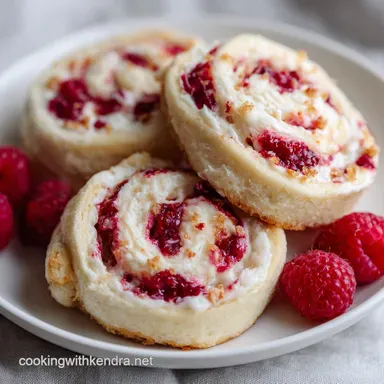
Cream Cheese Raspberry Pinwheels
Ingredients:
Instructions:
Nutrition Facts:
| Calories | 370 calories |
|---|---|
| Fat | 16 g |
| Fiber | 2 g |
