Chicken Cottage Pie with Crispy Cheesy Mash
- The Ultimate Winter Warmer: Mastering the Savory Pie
- The Architecture of Comfort: Why This Pie Excels
- The Pantry Checklist: Essential Components and Swaps
- Building the Perfect Bake: Step-by-Step Method
- Troubleshooting Your Bake: Pro Tips and Pitfalls to Avoid
- Planning Ahead: Freezing, Storage, and Reheating
- Completing the Meal: Perfect Pairings for Your Cottage Pie
- Recipe FAQs
- 📝 Recipe Card
The Ultimate Winter Warmer: Mastering the Savory Pie
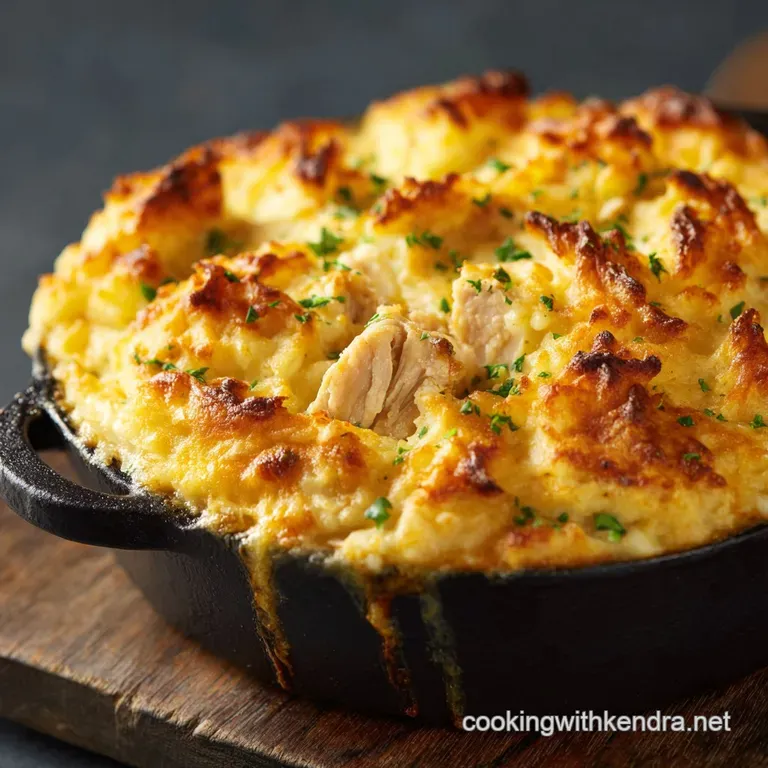
Can we talk about the immediate, soul soothing magic of a Chicken Cottage Pie? The smell alone rich, herby, and bubbling with savory promise could cure a truly terrible day. You pull the dish out, and that perfect, ruggedly golden potato mash is crisp on top but impossibly creamy underneath.
This isn’t fussy food, thank goodness. It's a proper, sturdy winter warmer recipe that feeds a crowd easily and cheaply, and usually involves clever use of leftover cooked chicken (though we’re using thighs here for maximum flavor).
When you need honest-to-goodness comfort, forget complicated recipes; this easy Chicken Cottage Pie recipe is the absolute best thing you can make.
I’ve made every mistake in the book over the years, from runny gravy fillings to mash that sinks instantly, but I’ve finally nailed the formula. We're going to dive into the secrets behind the ultimate, creamy Chicken Cottage Pie, ensuring every spoonful is deep, delicious, and deeply satisfying.
The Architecture of Comfort: Why This Pie Excels
People often think making a classic cottage pie is difficult, but it really boils down to balancing a few key textures and flavor boosters. We are building maximum flavor into the filling first, and then creating a crust that stays aloft and gets beautifully crisp.
This is how we achieve the perfect, high ranking Chicken Cottage Pie every single time.
Defining the Modern Cottage Pie Standard
Traditional cottage pie uses beef, but swapping it out for juicy chicken transforms the dish entirely, offering a lighter yet still incredibly rich experience. The secret lies in using chicken thighs, which retain their moisture better than breast meat through the long simmer needed to build the perfect gravy.
We’re using a deep, flavorful stock base and a generous splash of cream for that luxurious, restaurant quality mouthfeel.
Quick Glance: Recipe Prep and Cook Time
This recipe requires a bit of active chopping, but the actual cooking is mostly hands off simmering. You can easily do all the prep the night before if you’re short on time.
Chef's Note: Using pre-cooked, diced chicken (perhaps from a whole rotisserie bird) dramatically cuts down the cooking time, making this a lightning fast mid-week dinner! If you go this route, check out my recipe for Rotisserie Chicken Tortilla Soup: Smoky, Creamy, Ready in 55 Mins for more ideas on using leftover chicken.
The Sherry Secret: Elevating the Richness of the Filling
Trust me on this: a tiny bit of dry sherry or white wine makes all the difference in achieving depth of flavor. It's an ingredient you rarely see in easy Chicken Cottage Pie recipes, but it works wonders.
Adding alcohol early on, known as deglazing, helps lift all those beautifully caramelized brown bits (called fond ) from the bottom of the pan, adding layers of complex savory notes to the sauce.
Achieving Depth of Flavor: The Browning Technique
I used to just dump all the diced chicken in with the vegetables, which resulted in pale, flavorless meat. Now, I always sauté the "holy trinity" (onion, carrot, celery) first until softened.
Then, I push the vegetables aside and brown the chicken pieces quickly on the exposed surface of the hot pan, searing them slightly before mixing everything together. This crucial browning step prevents the chicken from stewing and locks in major flavor.
The Science of the Mash Topping: Starch, Dairy, and Crust Formation
The mash is not just a cap; it’s a secondary crust! We need a dry, starchy potato (like Russets) to absorb the butter and milk without getting gluey. Adding an egg yolk to the mash provides richness and helps the surface set up beautifully.
Finally, the grated mature cheddar creates those incredible, crunchy golden brown peaks essential for the perfect Creamy Chicken Cottage Pie.
Ensuring a Thick, Non-Runny Sauce Base
Nobody wants a thin, watery filling that looks like soup when you cut into it. The key to a robust, non-runny sauce is twofold: the flour (roux) and the simmer time. Make sure you cook the flour thoroughly after stirring it in (about 1 minute) to eliminate the raw taste.
Then, let the sauce simmer uncovered for at least 20 minutes; this allows the liquid to reduce and thicken naturally.
The Pantry Checklist: Essential Components and Swaps
This savory pie is flexible, but starting with high-quality ingredients makes a noticeable difference. Use good chicken stock!
Full List: Ingredients for the Rich Filling
- Chicken Thighs: Diced, skinless, boneless.
- Aromatics: Onion, Carrot, Celery (the classic mirepoix base).
- The Thickeners: Plain (All-Purpose) Flour, Dry Sherry, Hot Chicken Stock, Heavy Cream.
- Seasoning: Bay Leaf, Thyme Sprigs, Frozen Peas, Salt, and Pepper.
Creating the Crispy Cheesy Potato Mash
We need a fluffy foundation that holds its shape under heat. Using a ricer, if you have one, makes the texture incredible.
- Starchy Potatoes: Russets or Maris Piper work best.
- Dairy: Unsalted Butter, Warm Whole Milk.
- Binder/Color: Large Egg Yolk (optional, but highly recommended).
- The Crunch: Mature (Sharp) Cheddar Cheese.
Ingredient Notes and Safe Substitutions
You don't need to panic if you're missing one item. There’s always a workaround.
| Ingredient | Why We Use It | Swap/Substitute |
|---|---|---|
| Chicken Thighs | Best moisture retention | Diced boneless chicken breast (reduce simmer time slightly) |
| Dry Sherry | Adds deep umami notes | Dry White Wine (Sauvignon Blanc) or 1 tsp Apple Cider Vinegar + extra stock |
| Heavy Cream | Richness and texture | Crème fraîche or whole milk thickened slightly with cornstarch |
| Russet Potatoes | High starch content for fluffiness | Yukon Golds (will be slightly denser) |
| Cheddar Cheese | Sharp flavor and golden crust | Gruyère or Parmesan (for a saltier finish) |
Building the Perfect Bake: step-by-step Method
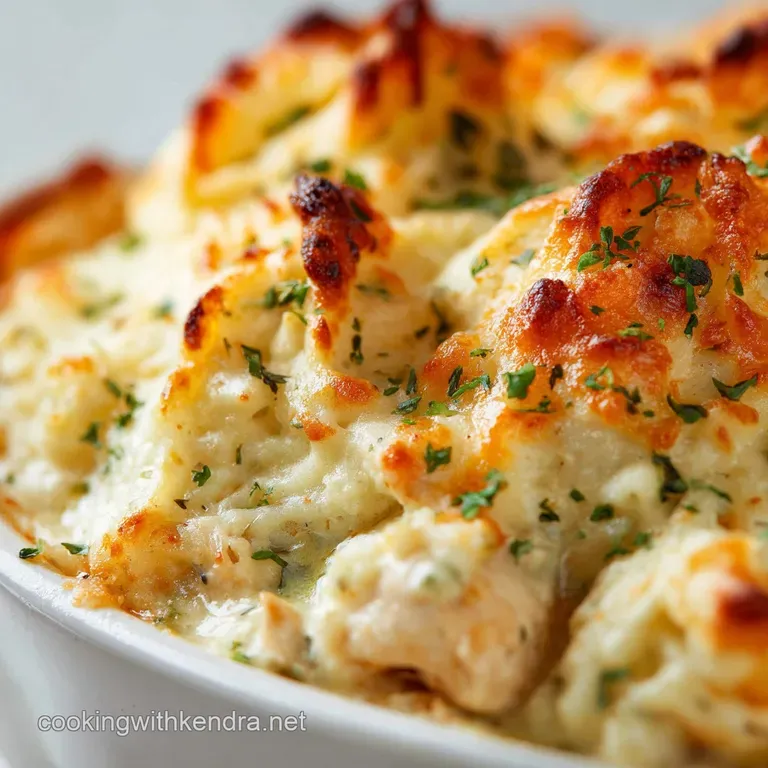
This is my tried and true method for a deeply savory, Creamy Chicken Cottage Pie. Prep the mash while the filling is simmering for ultimate efficiency!
Step 1: Preparing the Savory Chicken Filling
- Sauté the Base: Heat oil and butter in a large skillet. Add the diced onion, carrots, and celery. Cook these until they are soft and smelling wonderfully sweet, about 5 to 7 minutes.
- Brown the Meat: Push the vegetables to the side. Add your diced chicken and brown it quickly on all sides for 3 minutes. Season well with salt and black pepper now.
- Make the Roux: Sprinkle the flour over the chicken and vegetables. Stir everything for 1 minute this is essential for cooking out that unpleasant raw flour taste.
- Deglaze: Pour in the sherry or wine. Use your spoon to scrape up all those browned bits stuck to the bottom of the pan; this is pure flavor. Let the liquid bubble and reduce by half.
- Simmer: Add the hot stock and the heavy cream. Toss in the bay leaf and thyme. Bring to a gentle simmer, reduce the heat to low, and cook for 25 to 30 minutes, or until the sauce is thick enough to coat the back of a spoon. Discard the herbs, stir in the peas, and check the final seasoning.
Step 2: Assembling the Deep Dish Pie
- Preheat: Get your oven cranked up to 400°F (200°C).
- The Base Layer: Pour the bubbling hot, finished filling into your 9x13 inch casserole dish. Make sure it's spread evenly, ready for its fluffy topping.
Step 3: Piping the Mash and Achieving the Golden Crust
- The Fluff: Ensure your potato mash is smooth and dry (recheck that section if you need a reminder!). Stir in the egg yolk and half the grated cheddar.
- Top It: Spoon or, ideally, pipe the mash over the filling. Using a piping bag (with a wide star tip) gives you a fantastic professional look and lots of surface area for crisping, but a simple fork works great too. Spread the mash right to the edges to seal the filling completely.
- The Gold Standard: Use a fork to drag light lines across the surface, creating those wonderful texture peaks. Sprinkle the remaining grated cheese evenly over the top for that signature golden gratin finish.
Step 4: Cooling and Serving Guidelines
- Bake Time: Bake the pie for 15 to 20 minutes. It is done when the mash is deep golden brown and you can see the creamy filling bubbling fiercely around the edges of the dish.
- Rest is Best: Remove the pie from the oven and let it rest for a minimum of 10 minutes. This mandatory rest time allows the piping hot sauce to settle and solidify slightly. Cutting into it too soon results in runny, messy servings!
Troubleshooting Your Bake: Pro Tips and Pitfalls to Avoid
I made a glorious Chicken Cottage Pie once, only for the entire mash topping to slide sideways when I cut it. Learn from my mistakes, people.
Avoiding the Soggy Bottom Syndrome
This usually happens when the filling is too thin and saturates the bottom layer of the mash during baking. The Fix: If your filling seems runny after the 30 minute simmer, mix 1 teaspoon of cornstarch (or cornflour) with 1 tablespoon of cold water, stir it into the simmering sauce, and cook for 2 minutes until glossy and thick.
How to Achieve That Signature Golden Brown Finish
If your pie is cooked but the mash is still pale, don’t fret! The Fix: Bump the oven heat up to 450°F (230°C) for the last 5 minutes, or switch to the broiler (grill) setting for 1 to 2 minutes.
Watch it like a hawk —cheese burns fast under the broiler.
Dealing with a Filling That’s Too Thin or Too Salty
If you over seasoned the filling with salt, don't worry. The Fix: The starchy potatoes will absorb some of the saltiness during baking. If it's too thin, use the cornstarch slurry method mentioned above.
Alternatively, you can always stir in a spoonful of crème fraîche or full fat yogurt right at the end to balance both salt and texture.
Planning Ahead: Freezing, Storage, and Reheating
This is an excellent meal prep dish. Making an extra batch of this Creamy Chicken Cottage Pie is always a good idea.
Prepping and Freezing Unbaked Chicken Cottage Pie
Assemble the pie completely in a freezer safe dish, but do not bake it. Cover the dish tightly with a layer of plastic wrap and then a layer of foil. Label it clearly and freeze for up to 3 months.
To bake from frozen: Remove the foil, leave the plastic wrap, and bake at 350°F (175°C) for 60 to 75 minutes, uncovering for the last 15 minutes to brown the top.
Safe Storage Duration for Leftovers
Once fully baked and cooled, cover the dish tightly and store leftovers in the refrigerator for up to 3 days. I find the flavors actually deepen the next day, which is a total win.
Best Methods for Reheating Slices
The microwave is fine for a quick single serving, but the best method is the oven. Place individual slices on a baking sheet, cover loosely with foil, and reheat at 325°F (160°C) for 15 to 20 minutes until heated through.
Removing the foil for the last 5 minutes helps re-crisp that cheesy mash top.
Completing the Meal: Perfect Pairings for Your Cottage Pie
Because this Chicken Cottage Pie is so rich and hearty, you need something fresh and slightly acidic alongside it.
- A Sharp, Fresh Side: A simple side salad dressed with a very tart vinaigrette or some quickly steamed green beans with a squeeze of lemon juice provides the necessary contrast.
- Heartier Carb Options: If you’re catering to truly hungry people, a side of crusty bread for soaking up any extra sauce works perfectly. This is certainly less carby than my famous Spaghetti Chicken Casserole: Ultimate Creamy Bake Recipe , but just as satisfying.
- Sweet Ending: Follow up this comfort meal with something light and fruity, like a dish of berries or perhaps even a batch of my Apple Pie Overnight Oats: Cozy Breakfast Ready Overnight for tomorrow morning's breakfast!

Recipe FAQs
Why is my Chicken Cottage Pie filling too runny?
A runny filling typically means the sauce wasn't reduced enough or that the vegetables released too much moisture. To fix this, mix a tablespoon of cornstarch with an equal amount of cold water (a slurry) and stir it into the filling while heating gently until thickened.
Ensure you let the filling cool slightly before adding the mash topping.
Can I freeze the Chicken Cottage Pie?
Yes, this pie freezes excellently. Assemble the pie completely in a freezer safe dish, cover tightly with foil, and freeze for up to three months before baking. When ready to cook, thaw it overnight in the refrigerator and bake as directed, perhaps adding 10-15 minutes to the total bake time.
What type of potato is best for achieving a crispy, golden mash topping?
For the best texture, use a starchy potato like Russet (or Maris Piper/King Edward if you are in the UK). These potatoes yield a fluffy, relatively dry mash, which is essential for holding those trademark ridges and crisping up perfectly under the broiler. Avoid waxy potatoes, which result in a gummy texture.
My chicken filling tastes bland or lacks depth. How can I fix this?
Blandness is usually a sign that the seasonings were not adequately built up; ensure you season the chicken, the vegetables, and the final sauce at every stage. For an immediate fix, add a splash of Worcestershire sauce or a teaspoon of Dijon mustard and check the salt levels before transferring the filling to the baking dish.
Allowing the filling to simmer longer also concentrates the flavors.
Can I substitute the heavy cream for a healthier alternative?
You can substitute the heavy cream with whole milk that has been slightly thickened with a roux, or use full fat sour cream or Greek yogurt stirred in at the very end off the heat. Keep in mind that lighter alternatives may not provide the same rich texture, and low-fat dairy can sometimes curdle if boiled rapidly.
Can I make the filling ahead of time?
Absolutely, preparing the filling in advance is highly recommended. The filling can be stored in an airtight container in the refrigerator for up to three days. Preparing it early allows the herbs and savory components to meld and deepen, resulting in a richer, more flavorful pie.
How do I prevent the mash from sliding off the filling during baking?
The key is to ensure the filling is completely cool before adding the mash topping. A hot filling will cause the mash to melt and slide down the sides of the dish. Also, try to create a good seal by smoothing the edges of the mash right against the perimeter of the baking dish.
Creamy Chicken Cottage Pie Recipe
Ingredients:
Instructions:
Nutrition Facts:
| Calories | 640 calories |
|---|---|
| Fat | 32 g |
| Fiber | 5 g |
