Pasta Primavera Recipe: Crisp Tender Vegetables
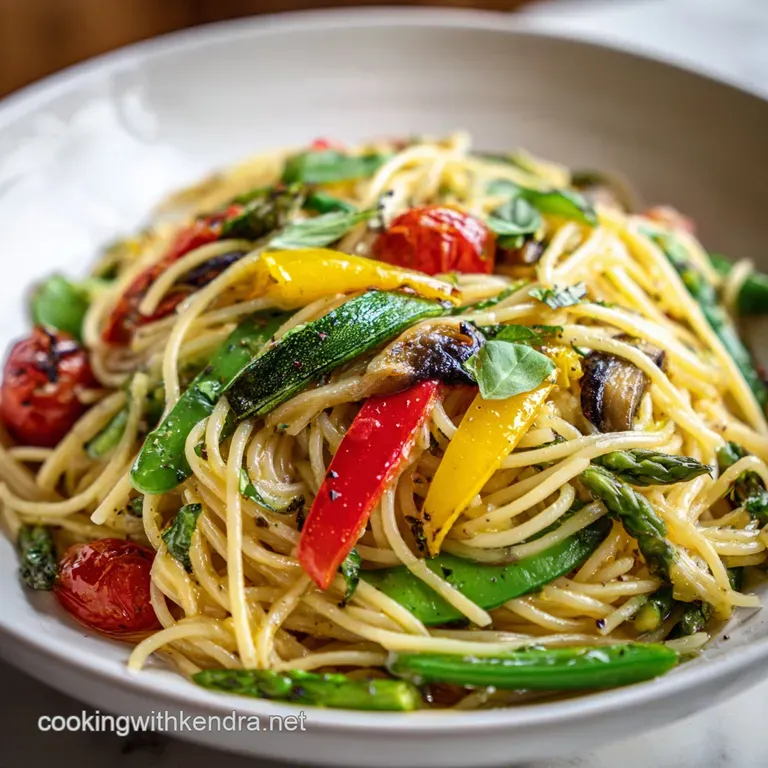
- Time: Active 15 minutes, Passive 15 minutes, Total 30 minutes
- Flavor/Texture Hook: Vibrant, crisp tender vegetables in a velvety, citrus kissed sauce
- Perfect for: Busy weeknights when you need a restaurant quality meal fast
- A Vibrant and Easy Pasta Primavera Recipe
- The Physics of the Flash Sauté
- Component Analysis for Garden Flavors
- Shopping List and Pantry Swaps
- Essential Kitchen Tools for Success
- Step by Step Cooking Guide
- Pro Fixes for Common Flubs
- Scaling for Crowds or Couples
- Playful Twists on the Classic
- Keeping Leftovers Fresh and Tasty
- Best Sides for Italian Dinners
- High in Sodium
- Recipe FAQs
- 📝 Recipe Card
A Vibrant and Easy Pasta Primavera Recipe
Picture this: the sun is finally out, and you've got a mountain of veggies from the market. You want something that tastes like a garden party but takes less time than a grocery run. That’s where this Pasta Primavera Recipe comes in.
I used to think "primavera" meant dumping a bag of frozen mixed veg into some buttered noodles. My first attempt was a soggy, bland mess that my family politely pushed around their plates. I realized I was doing it all wrong by treating every vegetable the same.
We're going for high contrast textures here. We want the "shatter" of a julienned carrot and the "pop" of a fresh pea against the "silky" backdrop of a white wine and cream reduction. It’s the kind of dinner that looks like you spent hours prepping, but honestly, it’s just about timing.
Once you get the order of operations down, you’ll never go back to those heavy, gloopy versions again. Trust me on this, the lemon zest at the end is what changes everything from "okay" to "I need seconds immediately."
We’ve all had those nights where the fridge is full but your energy is low. This dish is my go to "reset" meal. It’s light enough that you don't feel like napping afterward, but satisfying enough to stop the late night snack raids.
Right then, let's get into how we make this magic happen without breaking the bank or your spirit.
The Physics of the Flash Sauté
Thermal Sequencing: By adding vegetables in stages based on their density, we ensure the carrots soften while the delicate asparagus tips stay bright and snappy. Emulsion Stability: The acidity in the dry white wine breaks down vegetable pectin while helping the heavy cream and Parmesan fuse into a cohesive coating that clings to the pasta.
| Method | Time | Texture | Best For |
|---|---|---|---|
| Stovetop | 15 minutes | Crisp tender veg, emulsified sauce | Maximum freshness and control |
| Oven Roast | 25 minutes | Caramelized, sweeter vegetables | Deeper flavor, hands off cooking |
Using the stovetop method allows you to toss the ingredients constantly, which is vital for building that glossy sauce. It reminds me of the technique used in our Italian Pasta Sauce Recipe, where heat management is everything for the final texture.
Component Analysis for Garden Flavors
| Ingredient | Science Role | Pro Secret |
|---|---|---|
| Dry White Wine | Deglazing agent | Use Sauvignon Blanc for a crisp, acidic backbone. |
| Parmesan Cheese | Umami & thickener | Grate it yourself to avoid anti clumping starches. |
| Kosher Salt | Flavor enhancer | Add to pasta water until it tastes like the sea. |
| Heavy Cream | Fat emulsifier | Room temp cream prevents curdling when hitting the wine. |
When you’re choosing your produce, look for what’s actually in season. If the asparagus looks woody, swap it out for some snap peas. The goal is vibrancy, not just sticking to a list. This approach to fresh ingredients is very similar to what makes a Simple Capellini Pomodoro recipe work so well in the summer months.
Shopping List and Pantry Swaps
- 12 oz short pasta: Use Penne, Farfalle, or Fusilli. Why this? Ridges and folds trap the light cream sauce and small vegetable pieces.
- Substitute: Whole wheat pasta for a nuttier flavor and extra fiber.
- 2 tbsp Kosher salt: Essential for seasoning the pasta from the inside out.
- Substitute: 1 tbsp table salt (it’s finer, so you need less volume).
- 2 tbsp Extra Virgin Olive Oil: Provides a fruity fat base for sautéing.
- Substitute: Avocado oil for a more neutral flavor profile.
- 1 tbsp Unsalted butter: Adds a rich, rounded finish to the sauce.
- Substitute: Ghee for a toasted, nutty aroma.
- 3 cloves Garlic: Thinly sliced for mellow, sweet hits of flavor.
- Substitute: 1 tsp garlic powder in a pinch (but it lacks the punch).
- 1 small Shallot: Finely diced for a subtle onion garlic hybrid vibe.
- Substitute: The white parts of two scallions.
- 1 large Carrot: Julienned for quick cooking.
- Substitute: Sweet potato matchsticks for a softer, earthier sweetness.
- 1 cup Broccoli florets: Cut into bite sized pieces to catch the sauce.
- Substitute: Cauliflower florets for a milder, creamier texture.
- 1 small Yellow squash or zucchini: Quartered and sliced.
- Substitute: Sliced chayote for a firmer, water chestnut like crunch.
- 1 Red bell pepper: Thinly sliced for a pop of color and sweetness.
- Substitute: Sliced sun dried tomatoes for a concentrated umami burst.
- 0.5 cup English peas: Fresh or frozen.
- Substitute: Edamame for a protein boost and firmer bite.
- 0.5 cup Asparagus tips: The most tender part of the stalk.
- Substitute: Green beans, cut into 1 inch pieces.
- 0.5 cup Dry white wine: To brighten the dish and cut the fat.
- Substitute: Chicken or vegetable stock with a splash of white wine vinegar.
- 0.5 cup Heavy cream: For a touch of luxury without masking the veg.
- Substitute: Full fat coconut milk for a dairy-free, slightly tropical twist.
- 1 cup Parmesan cheese: Freshly grated is non negotiable for melting.
- Substitute: Pecorino Romano for a sharper, saltier kick.
- 1 tbsp Fresh lemon juice: To wake up all the flavors.
- Substitute: Lime juice for a more zesty, punchy finish.
- 1 tsp Lemon zest: For floral, citrus notes.
- Substitute: A drop of lemon oil or just extra juice.
- 0.5 cup Fresh basil: Chiffonade for a peppery, sweet aroma.
- Substitute: Fresh parsley for a cleaner, grassy finish.
Essential Kitchen Tools for Success
You don't need a professional kitchen, but a large, deep skillet or a Dutch oven is your best friend here. You need enough surface area to sauté the vegetables without steaming them. A crowded pan is the enemy of a crisp carrot.
Also, grab a microplane for that lemon zest and Parmesan it makes the cheese so light that it melts into the sauce instantly instead of clumping into a ball.
A good sharp chef's knife is also vital because there is a fair amount of chopping involved. If your knife is dull, you'll end up crushing the tomatoes or bruising the basil instead of cleanly slicing them. I like to have all my veg prepped in little bowls before I even turn on the stove.
This is a "fast" cook, so you won't have time to dice a shallot while the garlic is already sizzling.
step-by-step Cooking Guide
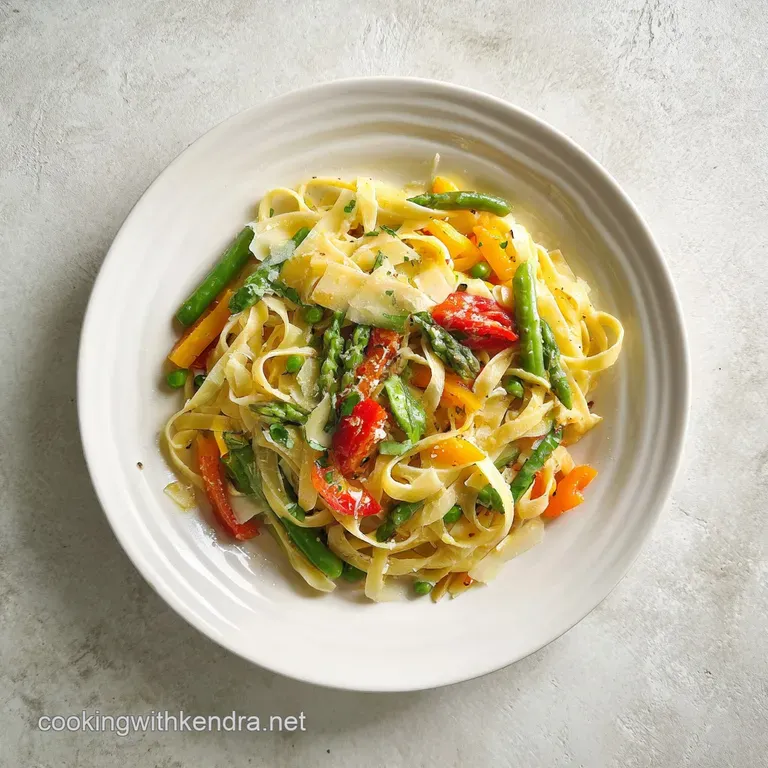
- Boil 12 oz short pasta in a large pot with 2 tbsp Kosher salt until al dente. Note: Reserve 1 cup of starchy pasta water before draining.
- Heat 2 tbsp olive oil and 1 tbsp butter in a large skillet over medium high heat until the butter foam subsides.
- Add 3 cloves garlic and 1 diced shallot, sautéing for about 1 minute until fragrant but not browned.
- Toss in 1 julienned carrot and 1 cup broccoli florets, cooking for 2 minutes until the colors turn vibrant.
- Add 1 sliced squash and 1 sliced red bell pepper to the pan.
- Stir in 0.5 cup asparagus and 0.5 cup peas, cooking for another 2 minutes until the vegetables are crisp tender.
- Deglaze with 0.5 cup white wine, scraping the bottom of the pan until the liquid reduces by half.
- Pour in 0.5 cup heavy cream and 1 cup Parmesan, stirring constantly until the sauce thickens and looks velvety.
- Combine the pasta with the vegetables and sauce, adding a splash of pasta water if it looks too dry.
- Finish with 1 tbsp lemon juice, 1 tsp zest, and 0.5 cup basil until the aroma fills the kitchen.
Pro Fixes for Common Flubs
Sauce is Clumpy or Grainy
This usually happens if the heat is too high when you add the cheese or if you used pre shredded cheese. Those bags of shredded cheese are coated in potato starch to keep them from sticking together in the bag, but that starch prevents them from melting smoothly into a sauce.
Always grate your own block of Parmesan for that silky finish.
Watery or Bland Vegetables
If your veg tastes boiled rather than sautéed, you probably overcrowded the pan. When too many vegetables hit the pan at once, the temperature drops and they release moisture, effectively steaming themselves in the pile. Work in batches if your skillet isn't large enough to let every piece touch the bottom.
| Problem | Root Cause | Solution |
|---|---|---|
| Bland flavor | Not enough salt in water | Season pasta water like sea water. |
| Mushy veggies | Overcooking | Sauté over high heat for less time. |
| Dry pasta | Sauce absorbed | Add reserved pasta water 1/4 cup at a time. |
Chef's Tip: Freeze your block of Parmesan for 10 minutes before grating. It makes it much easier to handle and results in "snow like" shreds that melt perfectly.
Common Mistakes Checklist
- ✓ Don't skip the pasta water; it’s the "liquid gold" that binds the sauce to the noodles.
- ✓ Pat your zucchini and squash dry after slicing to prevent excess water in the pan.
- ✓ Use a dry white wine you would actually drink cheap "cooking wine" is far too salty.
- ✓ Wait to add the basil until the very last second so it doesn't turn black from the heat.
Scaling for Crowds or Couples
When you're cutting this recipe down for two, use a smaller pan so the sauce doesn't evaporate too quickly. You can still use the full amount of aromatics like garlic and shallots for a flavor punch, but reduce the pasta and veggies by half.
Cooking for a smaller group actually makes it easier to keep the vegetables "snappy" because the pan won't be crowded.
If you’re doubling this for a dinner party, do not just double everything in one go. You’ll need to sauté the vegetables in two separate batches to keep that texture. For the sauce, keep the spices and salt to about 1.5x the original amount and taste as you go.
Liquids like wine and cream don't need to be perfectly doubled either start with 1.75x and add more if needed to avoid a soup like consistency.
Playful Twists on the Classic
The Chicken Pasta Primavera Recipe
If you want to turn this into a heartier meal, add 1 lb of thinly sliced chicken breast. Sear the chicken in the olive oil first until golden, then remove it from the pan. Follow the rest of the recipe and toss the chicken back in right when you add the cream. It absorbs the wine and lemon flavors beautifully.
Mediterranean Twist
Swap the heavy cream for an extra drizzle of high-quality olive oil and a handful of feta cheese. Add some Kalamata olives and marinated artichoke hearts along with the bell peppers. This version is lighter and has a fantastic salty briny profile that works wonders on hot summer days.
Keeping Leftovers Fresh and Tasty
Storage: This dish stays fresh in the fridge for up to 3 days. Keep it in an airtight container to prevent the vegetables from absorbing other fridge odors. Be aware that the pasta will continue to soak up the sauce as it sits, so it might be a bit drier the next day.
Freezing: I don't recommend freezing this specific recipe. Cream based sauces tend to break and become grainy when thawed, and the delicate vegetables like asparagus and zucchini will turn to mush once frozen and reheated. This is a "cook and enjoy" kind of meal.
Zero Waste: Don't toss those broccoli stalks! Peel off the tough outer layer, dice the tender inside, and throw it in with the carrots. Use the leftover lemon halves to clean your wooden cutting board just sprinkle some coarse salt and scrub with the cut side of the lemon.
Best Sides for Italian Dinners
If you want a crunchier meal, serve this with a side of garlic bread. The buttery, toasted bread is the perfect tool for swiping up any leftover cream sauce on your plate.
A simple arugula salad with a light balsamic vinaigrette also provides a nice peppery contrast to the richness of the Parmesan and cream.
Decision Shortcut If you want a creamier finish, stir in an extra tablespoon of cold butter right before serving. If you want a healthier version, swap the heavy cream for 1/2 cup of Greek yogurt (add it off the heat!).
If you want a spicier kick, add 1/2 tsp of red pepper flakes when sautéing the garlic.
This Pasta Primavera Recipe is truly a blank canvas. Once you master the timing of the vegetables and the emulsification of the sauce, you can swap ingredients based on whatever looks best at your local market. It’s a reliable, vibrant dinner that brings a bit of sunshine to the table, no matter the season.
Happy cooking!
High in Sodium
845 mg mg of sodium per serving (37% % of daily value)
The American Heart Association recommends limiting sodium intake to about 2,300mg per day for overall health.
Tips to Reduce Sodium in Your Pasta Primavera
-
Reduce Parmesan-15%
Parmesan cheese is a significant source of sodium. Reduce the amount of Parmesan by half, and consider using a lower sodium cheese or nutritional yeast for a similar flavor profile. This can have a noticeable impact on the dish's overall sodium content.
-
Cut Back on Salt-15%
This recipe uses a considerable amount of Kosher salt for the pasta water. Reduce the amount of salt used for cooking the pasta by half or even omit it entirely. You can also skip adding additional salt to the sauce and taste before serving.
-
Unsalted is Best-10%
Make sure to use truly unsalted butter. Some butters are labeled as such but still contain sodium. Check the nutrition label and choose one with 0mg sodium.
-
Herb Power!
Enhance the flavor with fresh herbs like parsley, chives, or oregano. Fresh herbs contain no sodium and will boost the savory and fresh profile of the dish.
Recipe FAQs
What goes into pasta primavera?
Typically, it includes a variety of fresh, seasonal spring vegetables like asparagus, peas, carrots, and bell peppers. These are tossed with pasta in a light sauce, often made with butter, cream, white wine, and Parmesan cheese, finished with fresh herbs like basil.
What are some common mistakes when making primavera?
Overcrowding the pan is the most common error, leading to steamed, soggy vegetables instead of crisp tender ones. Also, using pre-shredded cheese will result in a clumpy, grainy sauce because of the anti caking agents.
What kind of pasta is best for primavera?
Short pasta shapes with ridges or folds work best, such as Penne, Fusilli, or Farfalle. These shapes effectively catch and hold the light, creamy sauce and the smaller vegetable pieces, ensuring flavor in every bite.
What is a good protein to add to pasta primavera?
Grilled or pan-seared chicken breast is a classic, light addition that complements the vegetables well. You can also add shrimp or white beans for a vegetarian protein boost.
How do I keep my sauce from becoming watery?
Reduce your white wine by half before adding cream, and use reserved starchy pasta water as needed. The starch in the pasta water helps emulsify the fats and liquids, creating a cohesive, clinging sauce rather than a thin liquid base.
Is it true I must use dried herbs in primavera?
No, this is a common misconception; fresh herbs are crucial for the authentic flavor profile. Fresh basil and parsley should be added right at the end, off the heat, to preserve their bright, volatile oils. If you enjoy mastering delicate flavor layering, see how the same principle of fresh finish herbs works in our The Proper Job recipe.
How do I ensure my carrots are tender without overcooking my peas?
Add the denser vegetables, like carrots, first, sautéing them for a few minutes alone. Then, add softer items like peas and zucchini in subsequent stages, ensuring everything finishes cooking simultaneously to achieve perfect, contrasting textures.
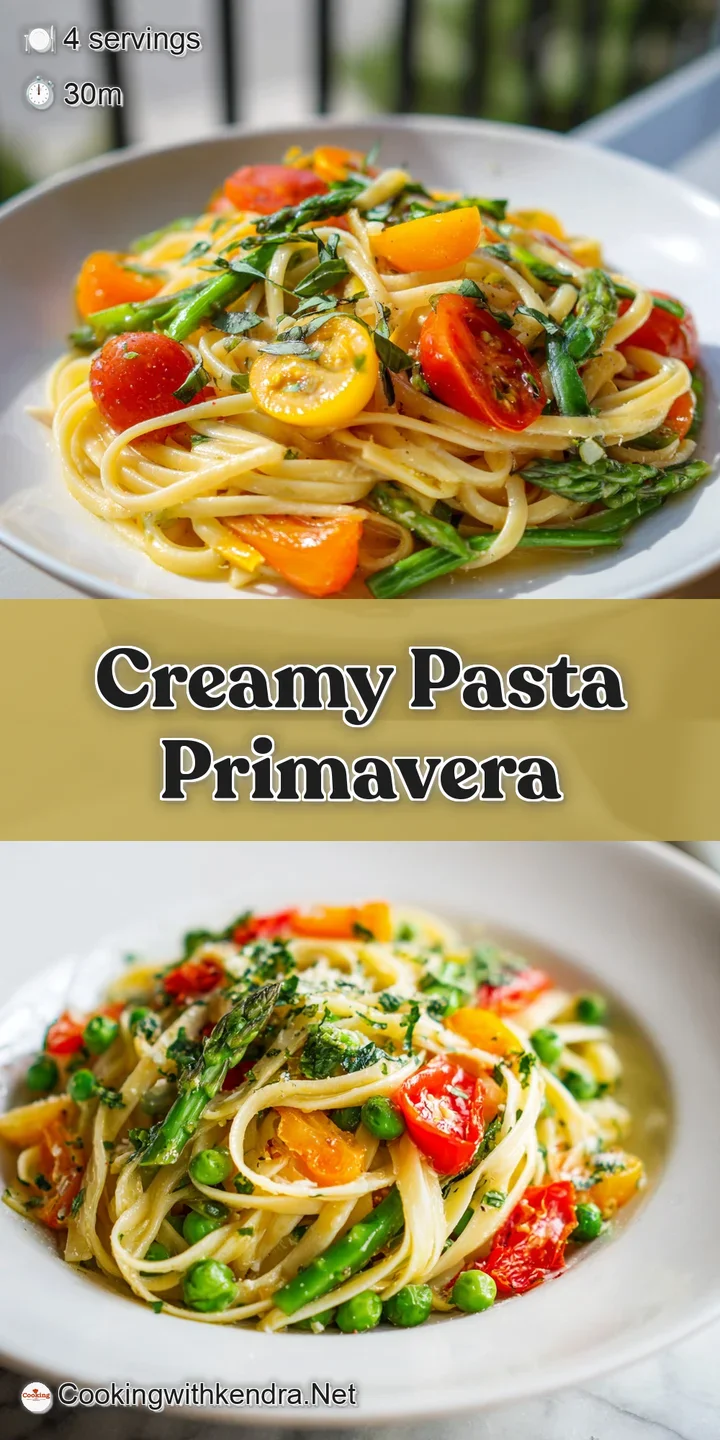
Creamy Pasta Primavera Recipe
Ingredients:
Instructions:
Nutrition Facts:
| Calories | 679 kcal |
|---|---|
| Protein | 22.5 g |
| Fat | 28.3 g |
| Carbs | 71.5 g |
| Fiber | 6.2 g |
| Sugar | 5.8 g |
| Sodium | 845 mg |
