Potato Cauliflower Soup: the Silky, Naturally Creamy Velvet Cauldron

- The Velvet Cauldron: Why Potato Cauliflower Soup Is the Ultimate Comfort Food
- The Science of Flavor: Building Depth in Creamy Soups
- Essential Components for the Perfect Potato Cauliflower Soup
- Method Guide: From Sauté to Silky Smooth Blend
- Mastering the Recipe: Chef’s Troubleshooting and Flavor Hacks
- Practical Guide: Storing, Freezing, and Reheating Potato Cauliflower Soup
- Pairing the Perfect Bowl: Delicious Toppings and Side Dishes
- Recipe FAQs
- 📝 Recipe Card
The Velvet Cauldron: Why Potato Cauliflower Soup Is the Ultimate Comfort Food
Seriously, stop what you’re doing right now and inhale. The initial aroma of leeks and thyme simmering gently in melted butter, mingling with that deep, earthy cauliflower steam, is pure kitchen therapy, I promise you.
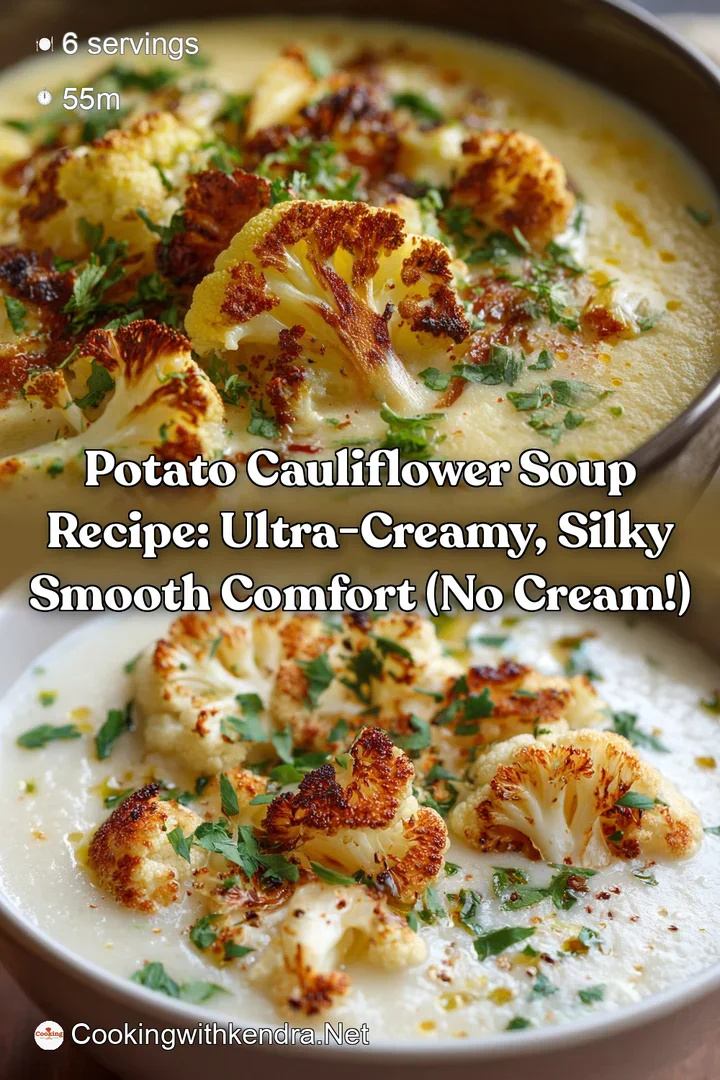
When you finally hit that blend button, this humble mix of vegetables transforms into a thick, luxurious, silky smooth potato cauliflower soup that just screams comfort.
Look, we all desperately need those reliable, fuss free weeknight wins in our rotation, don’t we? This recipe is my ultimate ace in the hole because it uses the cheapest pantry staples a few spuds and a head of cauliflower to create something deeply satisfying.
It’s remarkably fast, incredibly filling, and tastes way more complex and expensive than it actually is.
I’ve made every blunder possible with creamy vegetable soups over the years (hello, watery flavor and gritty leeks!). But I finally cracked the exact ratio and timing to achieve that restaurant level depth without cheating and dumping in an entire vat of heavy cream.
Let’s crack on with the process and learn how to make the best creamy potato cauliflower soup without cream you've ever had.
The Science of Flavor: Building Depth in Creamy Soups
More Than Just Cream: The Secret to a Silky Texture
Forget relying solely on adding cups of heavy dairy right at the start; that’s an amateur move and adds unnecessary fat. The real secret to a velvety, thick soup is relying on the starches naturally released by the potatoes.
When you boil those starchy Russets until they practically dissolve, they break down perfectly. The cooked cauliflower melts into this base, giving the soup a beautiful body and a delightful, light fluffiness.
The Culinary History of Hearty Vegetable Pottages
Soup has always been about making something rich and filling out of very little. This potato cauliflower soup falls directly into the tradition of humble pottages that stretch back centuries across Northern Europe.
These dishes were designed to be robust and hearty, maximizing nutrient density with simple root vegetables, and they are still the best foundation for truly comforting food.
A Naturally Nutritious and Filling Bowl
One of the reasons I love this recipe so much is that it truly fills you up, thanks to the fiber in the cauliflower and the complex carbohydrates in the potatoes. It’s inherently healthy, especially if you opt for vegetable stock.
It offers that rich, decadent mouthfeel without the nutritional cost of other decadent recipes, like my favorite [Loaded Baked Potato Soup: Ultimate Decadent Creamy Pub Classic].
The Maillard Reaction: Sautéing Aromatics vs. Boiling
Never just dump everything into cold stock and hope for the best; that results in bland, muddy tasting soup. We need to build a flavor foundation first. We sweat those leeks gently in butter and olive oil until they are perfectly translucent and sweet, but absolutely not brown.
This quick sautéing step extracts maximum flavor from the aromatics, which is absolutely vital for depth in any simple easy cauliflower and potato recipes .
Starch Release: Maximizing Natural Thickening Power
This is the non-negotiable step: choosing the correct potato variety. Waxy potatoes, like new reds, stay too firm and hold their shape, giving you chunks instead of smooth thickness. We need high starch varieties like Russets or Idaho because those spuds break down completely during the simmer.
This guarantees you that ultra smooth, thick consistency that makes this soup famous.
Balancing Acidity and Richness for a Complex Finish
You might think lemon juice sounds weird in a creamy vegetable soup, but trust me, it’s a game changer. Right at the very end, that small splash of acid cuts through the richness of the butter and starch, lifting the entire flavor profile. It prevents the soup from tasting heavy or one-note.
Don't skip this final step; it’s a pro move!
Essential Components for the Perfect Potato Cauliflower Soup
Selecting the Right Potato Variety for Maximum Creaminess (Waxy vs. Starchy)
As mentioned, we’re aiming for starch. If you can’t find Russets, look for any potato labeled as "baking potato." If you only have waxy potatoes (like red skin or fingerlings), you can still use them, but you’ll need to simmer longer and they won't provide as much natural thickening power.
You might need an extra swirl of cream later.
Enhancing Flavor: The Role of Mirepoix (Onion, Celery, Carrot)
While I use leeks because they are milder and sweeter, a classic mirepoix (onion, celery, and carrot) is also a fantastic base. The key is to dice them finely and cook them slowly. A good flavor base means we don't have to over season the final dish.
Liquid Foundations: Stock Selection and Depth of Flavor
Using good quality stock makes a massive difference here. Don’t just use water! I prefer low-sodium chicken stock because it provides great body and richness without overpowering the cauliflower.
If you're going for a true potato cauliflower soup vegan version, use a rich vegetable bouillon, maybe with a little mushroom umami powder added for depth.
Flavor Boosters: Choosing Garnishes and Finishing Oils
Once you’ve blended the soup, the finish is everything. A drizzle of high-quality extra virgin olive oil or a little truffle oil can add luxury. Garnishes should provide contrast. Think crisp croutons, fresh chives, or a scattering of toasted pumpkin seeds.
| Ingredient | The Perfect Use | Viable Substitution |
|---|---|---|
| Starchy Potatoes | Natural thickener | Parsnips or sweet potatoes |
| Leeks | Sweet, mellow aromatic | Yellow onion or shallots |
| Cauliflower | Base body and volume | Broccoli (use less stock) or Celeriac |
| Chicken Stock | Flavor depth | Vegetable stock (for vegan) |
| Heavy Cream (Optional) | Finishing richness | Full fat coconut milk or cashew cream |
Method Guide: From Sauté to Silky Smooth Blend

Phase 1: Creating the Flavor Base (Sweating the Aromatics)
- Prep the Leeks Correctly: Slice the leeks thinly, then soak them in cold water for five minutes. Swish them aggressively! Leeks trap grit like crazy, and a crunchy soup is a sad soup. Drain them thoroughly and pat them dry.
- Sauté: In a large, heavy bottomed pot, melt the butter with the olive oil over medium heat. Add the cleaned leeks and a pinch of salt. Cook gently for 6– 8 minutes, stirring often, until they are completely translucent and soft.
- Bloom: Add the minced garlic and dried thyme. Cook for exactly 60 seconds until you can smell that incredible, nutty aroma. Do not let the garlic burn.
Phase 2: Simmering and Tenderizing the Roots (Potato Prep)
- Load the Pot: Add your 1 inch diced potatoes and the cauliflower florets to the pot. Stir them well so they get coated in that rich, aromatic butter base.
- Simmer: Pour in the stock, ensuring all the vegetables are submerged, and toss in the bay leaves. Bring the whole pot to a boil, then immediately reduce the heat way down to a gentle simmer. Cover the pot and let it cook for 20– 25 minutes.
Chef's Note: The vegetables are done when they are completely fork tender they should offer almost no resistance when pierced. This means they are ready to release their starch for max thickness.
Phase 3: The Blend: Achieving That Signature Velvet Texture
- De-Bay: Turn off the heat and carefully fish out and discard those bay leaves. You definitely don’t want those in your final blend.
- Blend: Use an immersion blender directly in the pot, whizzing the soup until it’s perfectly smooth and velvety. If you use a stand blender, please, please work in small batches and vent the lid using a folded tea towel to let the steam escape. Hot soup and blenders require serious caution.
- Finish Strong: Stir in the optional heavy cream (or your plant based alternative). This is when you add that crucial teaspoon of fresh lemon juice it wakes everything up.
Adjusting Consistency and Final Seasoning Check
If your roasted cauliflower potato soup (or simmered version) looks too thick, simply stir in a splash more hot stock or water until you hit the consistency you want. Taste again, making tiny adjustments with salt and pepper. Soup always needs more seasoning at the end than you think.
Mastering the Recipe: Chef’s Troubleshooting and Flavor Hacks
Mistake Alert: Avoiding a Gritty or Watery Texture
The two biggest fails are grit and wateriness. Grit comes from poorly washed leeks. Soak, rinse, drain. Wateriness is usually a result of not cooking the potatoes long enough, or rushing the simmer. Cook those vegetables until they are truly mushy before blending.
If it’s still thin, simmer uncovered for another 5 minutes post blend to reduce it slightly.
Maximizing Cauliflower Flavor Through Roasting (Optional Pre-Step)
Want a deeper, nuttier flavor? Toss your cauliflower florets with olive oil, salt, and pepper and roast them on a sheet pan at 400°F (200°C) for 15 minutes before adding them to the pot.
This creates a fantastic roasted cauliflower potato soup base that is darker and more savory.
The Right Tool for the Job: Immersion Blender vs. Standard Blender Safety
I always recommend an immersion blender for hot soup. It's safer and easier you blend right in the pot. If you are using a standard high speed blender, fill it only halfway with hot liquid. Secure the lid, but REMOVE the small plastic center cap, and cover the hole with a towel.
This prevents a steam explosion that could seriously burn you.
Practical Guide: Storing, Freezing, and Reheating Potato Cauliflower Soup
Freezing Strategies: Preventing Potato Mealiness Post Thaw
Potato based soups can sometimes turn slightly grainy or "mealy" after freezing and thawing because of the way the starch cells react. The secret is to freeze the soup without the final cream/dairy.
Thaw the soup overnight, reheat it gently on the stove, and stir in the heavy cream or coconut milk after it’s hot. This helps maintain that signature velvet texture.
Reheating Tips: Restoring the Original Silky Consistency
When reheating, always do it slowly over medium low heat on the stovetop. If it has thickened too much in the fridge, add a splash of stock or water before heating. Whisk it vigorously just before serving to re-emulsify any fat separation.
Crusty Complements: The Best Breads for Dipping
If you’re serving this creamy potato cauliflower soup , you absolutely need a good dipper. I recommend a crusty sourdough baguette rubbed with garlic and toasted, or if you want something truly brilliant, serve it alongside my [Chaos Cakes: The Utterly Brilliant, Ultra Crispy Potato Cheddar Fritters] for a truly starchy meal!
Pairing the Perfect Bowl: Delicious Toppings and Side Dishes
This simple vegetable soup is a blank canvas, ready for jazzing up.
- Spicy Kick: A drizzle of chili oil or a sprinkle of smoked paprika.
- Fresh Herbs: Lots of fresh chives or parsley. Don't be shy.
- Crispy Texture: Toasted seeds (sunflower or pumpkin) or crumbled, crispy bacon bits (if not vegetarian).
- Cheese: A small grating of sharp aged cheddar or Parmesan adds wonderful saltiness.
For a side dish, skip anything too heavy. A bright, crisp salad with a sharp vinaigrette helps cut through the richness of this fantastic, healthy potato cauliflower soup .
Recipe FAQs
Can I make this Potato Cauliflower Soup completely vegan or dairy-free?
Yes, absolutely. Substitute the butter with olive oil or a plant based spread when sautéing the aromatics for the foundation. Instead of heavy cream or milk, finish the soup with full fat canned coconut milk or unsweetened cashew creamer to maintain the luxurious, creamy mouthfeel.
Why isn't my soup blending smooth and creamy, even after long cooking?
The primary reason for a grainy texture is often undercooked vegetables, so ensure both the potatoes and cauliflower are fully fork tender before blending. If using an immersion blender, blend thoroughly for several minutes, or for guaranteed smoothness, transfer the mixture in batches to a high speed countertop blender.
What type of potatoes works best for achieving the 'velvet' texture?
Russet or Idaho potatoes are highly recommended because their high starch content breaks down easily during boiling, contributing naturally to the soup's inherent creamy texture. Avoid waxy varieties like red or new potatoes, as they tend to hold their shape and result in a less smooth final blend.
How long can I store this soup, and does it freeze well?
Refrigerated, the soup will keep safely for 3 to 4 days when stored in an airtight container. This soup freezes exceptionally well; allow it to cool completely before transferring it to freezer safe bags or containers, where it will remain optimal for up to 3 months.
My soup tastes a bit bland after blending how should I adjust the flavor?
Blandness is usually due to insufficient salt, so adjust the seasoning gradually at the end, as blending often dulls flavor. A crucial finishing step is to add a squeeze of fresh lemon juice or a splash of white wine vinegar, which will dramatically brighten the entire flavor profile and balance the richness.
How can I incorporate smoky or spicy elements into the recipe?
For a beautiful smoky depth, sauté one teaspoon of smoked paprika along with the initial onions and garlic. If you desire heat, add a pinch of cayenne pepper or a small, seeded jalapeño to the pot with the vegetables, or serve with a drizzle of chili oil.
My finished soup is too thick; what is the best way to thin it out?
If the soup is thicker than your preference, simply whisk in additional hot vegetable or chicken stock until you reach the desired consistency. Make sure to taste and re-season with salt and pepper after adding any liquid to ensure the flavor is not diluted.
Creamy Potato Cauliflower Soup Recipe

Ingredients:
Instructions:
Nutrition Facts:
| Calories | 280 calories |
|---|---|
| Fat | 14 g |
| Fiber | 6 g |
