Scalloped Potatoes Gratin: the Ultimate Side
- The Sunday Roast Showstopper: Creamy Scalloped Potatoes Gratin
- The Science of Texture: Achieving Perfectly Tender Potatoes
- Essential Ingredients for Your Luxurious Potato Gratin
- Preparing the Perfect Gratin: Step-by-Step Method
- Troubleshooting and Expert Secrets for Success
- Practical Guide: Storing and Reheating Potato Gratin
- What to Serve Alongside Your Creamy Scalloped Potatoes
- Recipe FAQs
- 📝 Recipe Card
The Sunday Roast Showstopper: Creamy Scalloped Potatoes Gratin
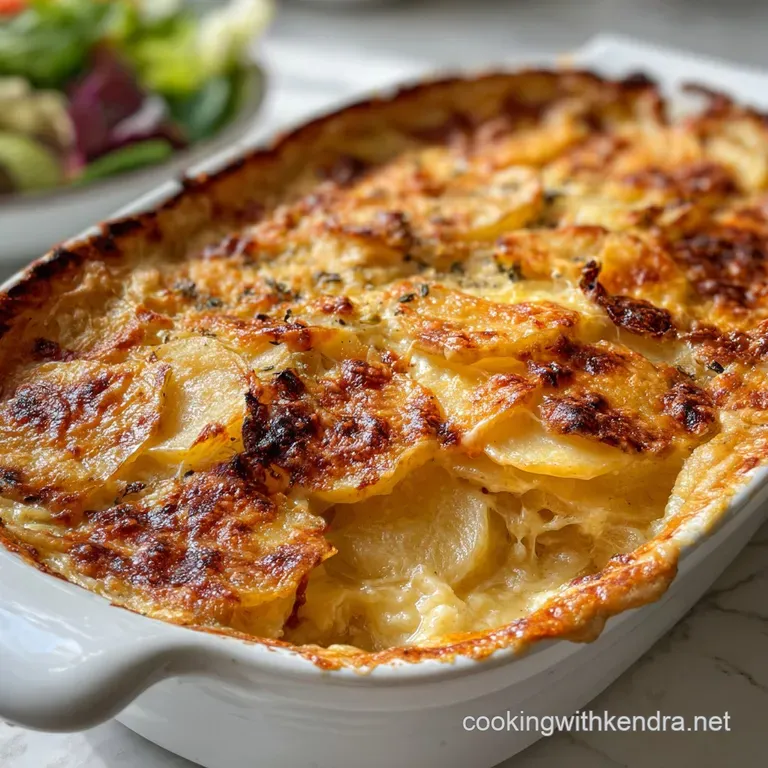
You know that scent? That unbelievable, deep, savory aroma of baking cheese and slow cooked garlic wafting from the oven? That, my friend, is the smell of a perfect holiday or Sunday dinner, and it means the Scalloped Potatoes Gratin is ready.
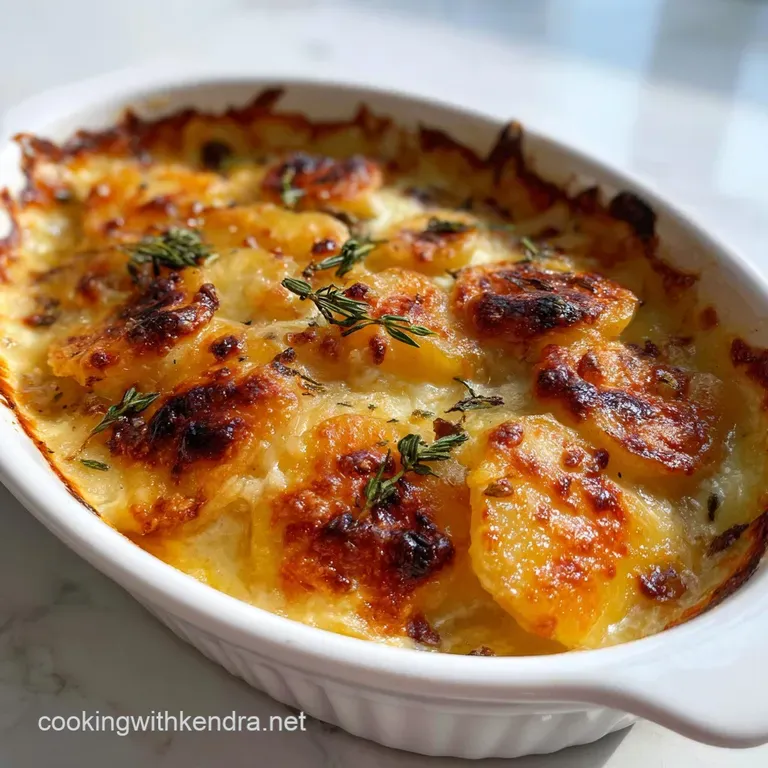
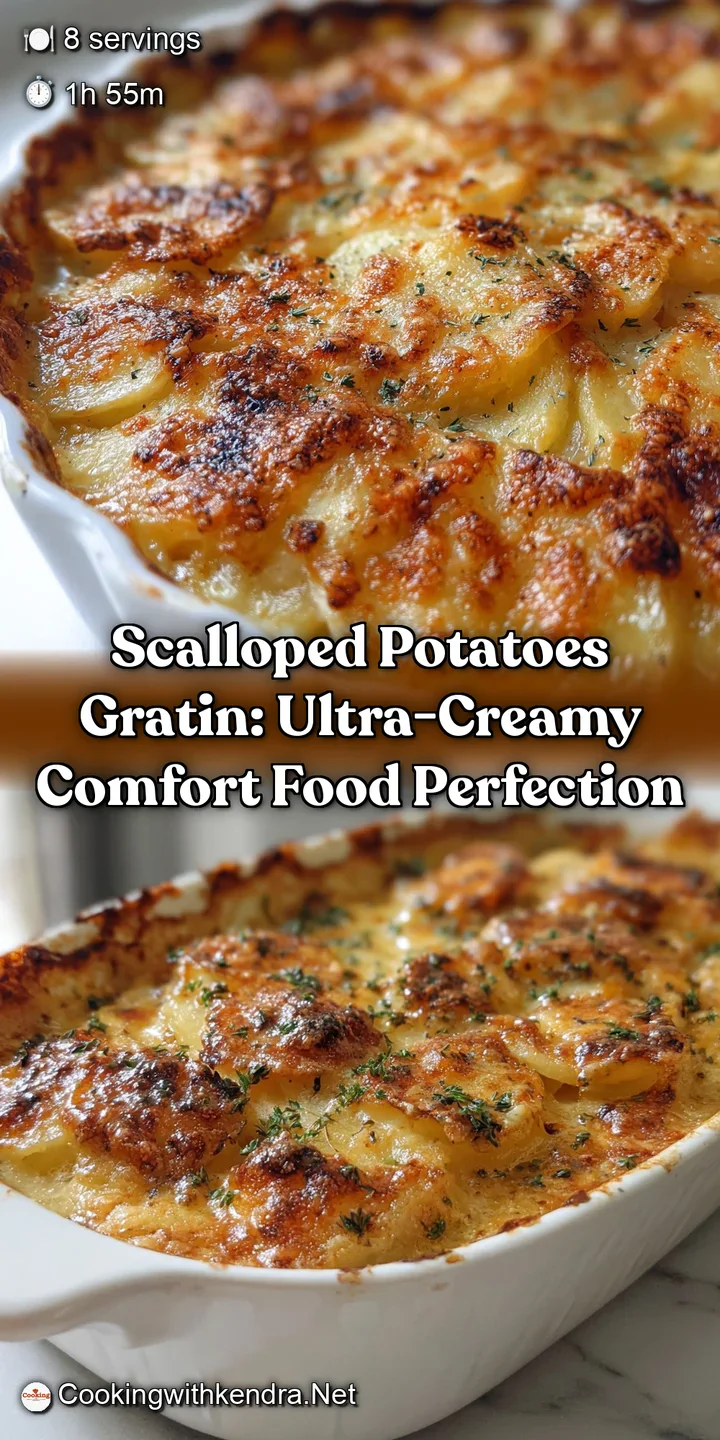
It's layers of impossibly tender potato slices swimming in a rich, velvety sauce, capped by a golden brown crust that creates that satisfying "shatter" when you finally dive in.
Honestly, this dish is a massive lifesaver because it looks incredibly fancy but uses dirt cheap ingredients. You just need potatoes, dairy, and a little seasoning magic. It’s the ultimate comfort food side, requiring mostly hands off baking time once the initial slicing is done.
Forget those dry, cardboard versions you sometimes get at potlucks. We are making a proper, French inspired, absolutely luxurious Scalloped Potatoes Gratin recipe that guarantees applause. Let's get cracking on the technique!
The Science of Texture: Achieving Perfectly Tender Potatoes
What Makes a Gratin Different from Classic Dauphinoise?
Okay, let's clear up the confusion because these dishes are cousins. A true Pommes Dauphinoise relies purely on the starch released by the potatoes, cooked in infused cream and milk, to thicken the sauce. No flour, no cheese. A Gratin, however, means "crust" or "browning" in French.
Our Scalloped Potatoes Gratin takes the creamy layers of dauphinoise but adds a proper cheese roux (flour and butter) and finishes with that glorious, bubbly cheese topping. It's the best of both worlds, really.
Why This Recipe is the Ultimate Comfort Food Side Dish
The secret to this particular gratin is the combination of the thick roux and the low, slow bake. This ensures the sauce doesn't just run out when you scoop it; instead, it becomes integrated with the potatoes, almost like a savory custard.
It is intensely rich and buttery, standing up perfectly to something robust like a roast beef or a gorgeous holiday ham. If you're looking for other savory sides that pair perfectly with heavy mains, you might want to check out my recipe for [Side Dishes for Prime Rib Dinner: Creamy Horseradish Gratin].
The Starch Secret: Why Russets or Yukon Golds are Best for Layering
We are using a blend of two different potatoes here, which I know sounds fussy, but trust me, it works. Russets (or Maris Pipers, if you’re in the UK) are high in starch; they release that starch into the cream, which helps the sauce thicken up and get fudgy.
Yukon Golds (or Désirées) are slightly waxier; they hold their shape beautifully and provide structure so the entire casserole doesn't collapse into soup. You get perfect creaminess and perfect layers!
The Role of Nutmeg and Garlic in Infusing the Cream
Don’t skip this step! It’s tiny but crucial for achieving that authentic, deep flavor in your Scalloped Potatoes Gratin . The garlic and bay leaf gently simmer in the cream, releasing their aromatic compounds without scorching.
Nutmeg freshly grated, please is non-negotiable in a French gratin; it adds a warm, almost haunting note that balances the heavy dairy beautifully. When you pull that bay leaf and garlic out, you’re left with a subtle, complex flavor base.
Essential Ingredients for Your Luxurious Potato Gratin
The quality of your ingredients really shines through here, especially since we’re dealing with something so dairy forward.
Choosing the Right Cream: Heavy Cream vs. Half and Half
We are using a mix of heavy cream (double cream) and whole milk. Heavy cream provides the necessary fat content for that luxurious, melt-in-your mouth texture, while the whole milk keeps the sauce from becoming too dense or cloying.
Do not try to use skim milk here, or your Scalloped Potatoes Gratin will be watery and disappointing. The fat is required to carry the flavor and achieve the right texture.
Chef’s Note: Always use warm milk and cream when adding it to the roux. Dumping cold dairy into a hot flour and butter mixture is a recipe for instant lumps!
Selecting and Slicing Potatoes to Ensure Uniform Cooking
I cannot stress this enough: Uniformity is the single most important factor in a successful Scalloped Potatoes Gratin. If your slices are uneven, the thin ones will turn to mush while the thick ones remain raw, leading to textural chaos.
I made this mistake once, slicing them by hand, and the layers were a disaster. Seriously, invest in a mandoline slicer for this specific dish. Aim for 1/8 inch (3 mm) thickness.
| Ingredient | Substitution Tip | Why it Works |
|---|---|---|
| Heavy Cream | Evaporated Milk or Half and Half + Butter | Evaporated milk provides stability; adding a pat of butter to Half and Half boosts the fat content. |
| Gruyère Cheese | Emmental or high-quality Sharp White Cheddar | Both melt beautifully and offer the necessary saltiness and nuttiness for the crust. |
| All-Purpose Flour | Cornstarch (Use 1/2 the amount) | A gluten-free way to thicken the sauce, though it yields a slightly glossier texture. |
| Milk | Chicken or Vegetable Stock (for Lighter Version) | Cuts the richness significantly, resulting in a looser, less traditional sauce. |
Cheese Matters: Best Options for a Rich, Melted Top
We use Gruyère because it is the king of melting cheeses. It gives you a beautiful, nutty flavor and browns perfectly without becoming greasy. The addition of Sharp White Cheddar adds a necessary, savory tang that cuts through the creaminess.
If Gruyère is blowing your grocery budget, a good quality Emmental or even strong Parmesan blended with a mature white cheddar works just fine for this Scalloped Potatoes Gratin crust.
Adjusting the Seasoning Profile: Herb and Pepper Variations
I season the cream sauce heavily before it even hits the oven. Potatoes are flavor sponges! If your cream sauce tastes perfectly salted, the finished gratin will be bland. Be bold with the kosher salt and pepper, especially when seasoning the potato layers themselves.
For a lovely twist, try adding a tablespoon of fresh thyme or some finely chopped chives to the cream sauce it gives a wonderful herbal depth.
Preparing the Perfect Gratin: step-by-step Method
Prepping the Cream Sauce: Infusing Flavor Before Baking
First, melt the butter, then whisk in the flour for one minute until you have a pale, smooth roux. Don't let it brown! Simultaneously, heat your milk and cream gently with the smashed garlic and bay leaf. The moment it starts bubbling around the edges, kill the heat and let it steep.
The warmth prevents the cream from shocking the roux.
Once infused, strain the garlic and bay leaf out, then slowly stream the warm dairy into your roux, whisking like crazy. You’re looking for a sauce that lightly coats the back of a spoon. Finally, whisk in the nutmeg, salt, and pepper. It should smell rich, sweet, and faintly savory right now.
Layering Technique: Preventing Dry Spots and Ensuring Consistency
Before you start layering, make sure your potatoes are dry. I know we rinsed them to remove surface starch, but wet potatoes dilute the sauce. Pat them dry with a clean towel.
Pour about a cup of the cream mixture right into the base of your greased dish. This prevents the bottom layer of potatoes from sticking or getting those dreaded dry edges. Arrange the first half of your slices in overlapping rows, slightly angled. It looks pretty, but it also ensures even cream penetration.
Sprinkle that layer generously with extra salt and pepper before adding half the remaining sauce and half the cheese. Repeat with the final potato layer, pouring the rest of the sauce over the top. Make sure every potato slice is mostly submerged!
The Initial Bake: Covering vs. Uncovering Times
This is where the magic happens for the best Scalloped Potatoes Gratin . We cover the dish tightly with foil first. Why? Because the foil traps the moisture, essentially steaming the potato layers in the cream. This guarantees they become fork tender without the top drying out or burning.
Bake covered for a full hour. Once the potatoes yield easily to a fork, remove the foil, add the rest of the cheese, and crank up the heat slightly or move it to a higher rack.
Testing for Doneness: How to Know When the Potatoes are Tender
The fork test is foolproof. After the initial 60 minutes covered, gently poke a few slices near the center with a dinner fork. If they offer significant resistance, cover it back up and bake for another 10- 15 minutes.
If they pierce easily, you are ready to reveal that gorgeous top for the final browning. You want tender, but not falling apart.
Troubleshooting and Expert Secrets for Success
Mistake 1: Why Your Cream Sauce Curdled (and how to fix it)
Curdling usually happens for two reasons: adding cold dairy to the roux, or overheating the sauce once the cheese is added. If you notice slight curdling, remove the sauce immediately from the heat.
Sometimes a quick whisk can save it, but if it's too far gone, try whisking in a teaspoon of cold milk to stabilize the emulsion before tossing it over the potatoes. Keep the oven temp steady; extremes cause problems.
The Importance of Resting the Gratin Before Serving
I know you are hungry, and the smell is intoxicating. But trust me on this: do not cut into the Scalloped Potatoes Gratin immediately. It needs at least 10, preferably 15, minutes to rest on the counter.
During this time, the bubbling, hot sauce cools down just enough for the starches to set and the layers to solidify. If you scoop it too soon, it will be a soupy, collapsing mess. Resting gives you those beautiful, clean scoops of layered potato perfection.
Achieving Maximum Golden Crispness
The goal is deep golden brown, not burnt. If your gratin looks perfectly tender after resting, but the cheese topping hasn't reached that beautiful, bubbly crispness, move it to the highest rack in the oven.
If you're confident in your oven skills, a quick blast under the broiler for 60 to 90 seconds (watch it like a hawk!) will deliver maximum crunch.
Practical Guide: Storing and Reheating Potato Gratin
How Long Does Leftover Gratin Stay Fresh?
If stored properly in an airtight container, this creamy Scalloped Potatoes Gratin will last for 3 to 4 days in the refrigerator. It actually tastes arguably better the next day, once the flavors have truly married!
Freezing Potato Gratin: Cooked vs. Uncooked
I don't recommend freezing this dish uncooked. Potatoes tend to turn grainy and grey once thawed raw. However, cooked gratin freezes well! Let the gratin cool completely, then wrap it tightly in foil (or slice it into serving portions and wrap individually). It keeps for up to 3 months.
To reheat, thaw overnight in the fridge, then bake covered at 350°F (175°C) until hot throughout. Remove the foil for the last 10 minutes to re-crisp the top.
Ideal Main Dishes for This Rich Side
Because this is such a rich, luxurious side dish, it pairs best with simple, traditional proteins. Think roasted chicken, slow cooked pork shoulder, or that magnificent holiday turkey. It’s also absolutely divine next to some simply pan-seared scallops or a hearty steak.
This Scalloped Potatoes Gratin is truly a foundational side that elevates any meal.
What to Serve Alongside Your Creamy Scalloped Potatoes
This rich, comforting dish is the star of the show, so keep the accompanying vegetables simple and bright. A sharp, lemony salad, some steamed green beans tossed in butter, or roasted asparagus balances the intensity perfectly.
You already have all the richness you need, so don't be afraid to add something fresh and acidic to the plate. Seriously, this recipe for Scalloped Potatoes Gratin is pure magic. Now go bake something amazing!
Recipe FAQs
Which type of potato works best for a creamy gratin?
Starchy potatoes like Russets or semi starchy ones like Yukon Golds are ideal for this recipe. Russets release starch that naturally helps thicken the cream sauce, while Yukon Golds maintain a buttery flavor and hold their shape beautifully.
Avoid waxy potatoes (like new potatoes) as they do not absorb the cream mixture effectively.
Why did my gratin turn out dry and grainy instead of creamy and smooth?
This dryness usually occurs if the potatoes are not fully submerged in the liquid before baking, causing the exposed layers to dry out before softening. Additionally, using low-fat milk or baking at too high a temperature can cause the dairy to curdle or separate, resulting in a grainy texture.
Ensure you use heavy cream mixed with whole milk for the best, most stable sauce.
How thin should I slice the potatoes, and is a mandoline necessary?
Slicing the potatoes uniformly thin, ideally around 1/8 inch (3mm), is crucial for achieving an even cook and the classic, melt-in-your mouth texture. While you can use a sharp knife, a mandoline slicer is highly recommended to ensure all slices are consistently thin.
Uneven slices will result in some potatoes remaining hard after the full baking time.
My potatoes are still firm after the suggested baking time. What should I do?
Cover the baking dish tightly with aluminum foil to trap steam and return it to the oven for an additional 15 to 25 minutes. If the potatoes are still firm, it usually indicates they were sliced too thick or your oven temperature is running slightly cool.
Always check for tenderness by piercing the center layers with a sharp fork before removing the foil and finishing the browning process.
Can I assemble the gratin the night before and bake it later?
Pre-assembly is generally discouraged because the raw potatoes will absorb too much liquid and begin to oxidize (turn gray or brown) if stored for too long in the dairy mixture. If you must prep ahead, slice the potatoes and keep them submerged in cold water, and prepare the cream sauce separately.
Combine and bake within a maximum of four hours of assembly for optimal quality.
Does Scalloped Potato Gratin freeze well?
Freezing is not recommended for cream based potato dishes, as the sauce tends to separate and become grainy upon thawing and reheating. If you absolutely need to store leftovers, freeze only the fully baked and cooled gratin in an airtight container.
Reheat slowly in the oven, adding a splash of fresh cream or milk to help revitalize the sauce.
Can I make this Scalloped Potato Gratin dairy-free or vegan?
Yes, you can substitute the heavy cream with full fat coconut milk (canned) or a creamy, blended cashew cream mixture. For the cheesy top, utilize nutritional yeast combined with a neutral oil for richness, or use a high-quality vegan cheese substitute.
Be aware that the flavor profile and final texture will vary slightly from the classic version.
Creamy Scalloped Potatoes Gratin
Ingredients:
Instructions:
Nutrition Facts:
| Calories | 450 kcal |
|---|---|
| Fat | 30 g |
| Fiber | 3 g |
