Egg Yolk Recipe with Creamy Vanilla Custard
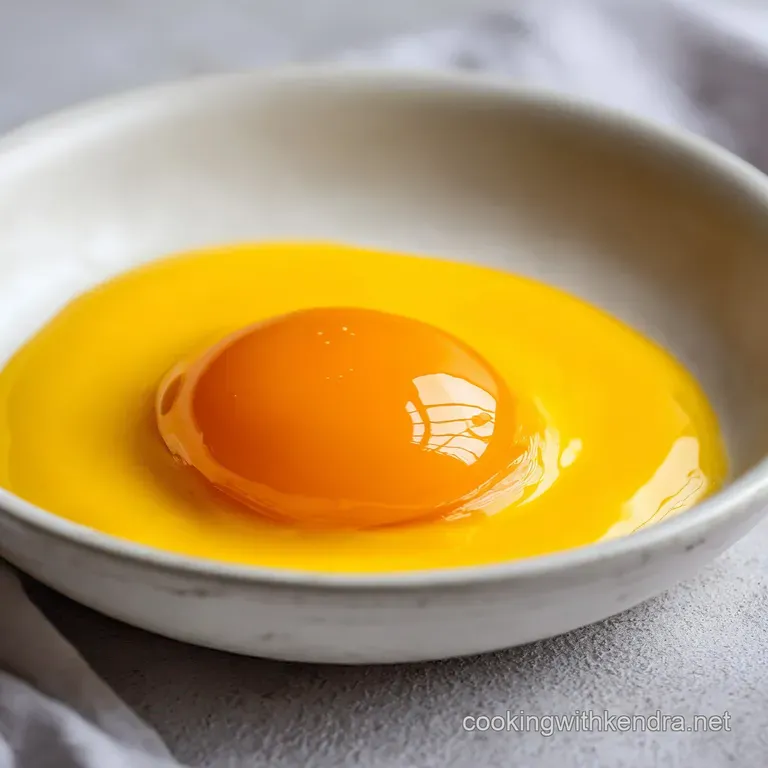
- Time: Active 15 minutes, Passive 10 minutes, Total 25 minutes
- Flavor/Texture Hook: Silky smooth vanilla with a buttery, lingering finish
- Perfect for: Cozy solo nights, filling pastries, or fruit toppings
- Making the Best Egg Yolk Recipe with Creamy Vanilla Custard
- Liquid Gold: The Emulsification Magic of Yolks
- Culinary Metrics: Yield and Timing Stats
- Selecting Quality Elements for Success
- Essential Tools for Silky Results
- The Rhythmic Method of Custard Craft
- Solving Texture Issues and Common Hurdles
- Flavor Variations and Smart Substitutions
- Guidelines for Keeping Leftovers Fresh
- Garnishing Your Finished Dessert
- Debunking Kitchen Myths
- Recipe FAQs
- 📝 Recipe Card
Making the Best Egg Yolk Recipe with Creamy Vanilla Custard
Picture this: it's a quiet Tuesday evening, and the kitchen is filled with the warm, floral scent of a real vanilla bean steeping in warm milk. There's something almost hypnotic about the rhythmic swirl of a whisk as a thin liquid slowly transforms into a thick, glossy ribbons.
This Egg Yolk Recipe with Creamy Vanilla Custard offers a decadent dessert you'll want to make again and again.
I remember the first time I tried to make a real custard. I was so impatient that I cranked the heat, thinking it would speed things up. Instead of a silky dream, I ended up with sweet scrambled eggs. It was heartbreaking, but it taught me the most important lesson in the kitchen: patience is a flavor.
Now, I've got the technique down to a science, and I'm going to show you exactly how to avoid my early mistakes.
We aren't just making pudding here; we're creating a base that can be used for everything from trifles to the filling for a Cream Horns recipe. It’s rich, it’s soulful, and it feels like a warm hug in a bowl. Once you see those first few bubbles pop and smell that cooked sugar aroma, you'll know exactly why this recipe is a permanent resident in my recipe tin.
Liquid Gold: The Emulsification Magic of Yolks
- Lecithin Power: Egg yolks contain lecithin, a natural emulsifier that binds water and fat together for a seamless, velvety mouthfeel.
- Protein Cushioning: Adding sugar to the yolks before tempering increases the temperature at which the proteins coagulate, preventing early curdling.
- Starch Stabilization: A small amount of cornstarch acts as a safety net, physically getting in the way of egg proteins so they can't bond too tightly and turn rubbery.
- Fat Solubility: The high fat content in the heavy cream carries the vanilla compounds across your palate, making the flavor feel "longer" and more intense.
| Cooking Method | Time | Texture | Best For |
|---|---|---|---|
| Stovetop | 15 minutes | Glossy & Thick | Fillings & Warm Spoons |
| Oven (Bain Marie) | 45 minutes | Firm & Set | Classic Flan or Crème Caramel |
| Sous Vide | 1 hours | Ultra Consistent | Precise, Professional Results |
It’s fascinating how the different methods change the personality of the eggs. While the oven gives you that classic "wiggle," the stovetop method we're using today creates a versatile cream that's perfect for folding into other desserts or eating straight out of the pot when nobody is looking.
Culinary Metrics: Yield and Timing Stats
When you're planning a dinner party or just a treat for the family, knowing your numbers matters. This recipe is designed to be lean and efficient. We aren't wasting hours in the kitchen, but we aren't cutting corners on quality either.
The most critical part of this process happens in the final 3 minutes of cooking. You'll notice the aroma shift from a light, milky scent to something much deeper and more "cooked." That is the starch gelatinizing and the egg proteins finding their happy place.
If you pull it off too early, it will be runny; too late, and it loses that delicate "shatter" on the tongue.
| Servings | Ingredient Adjustments | Pan Size | Cook Time |
|---|---|---|---|
| 2 people | 3 yolks, 50g sugar, 7g starch | Small Saucepan | 10 minutes |
| 4 people | 6 yolks, 100g sugar, 15g starch | Medium Saucepan | 15 minutes |
| 8 people | 12 yolks, 200g sugar, 30g starch | Large Heavy Pot | 22 minutes |
If you are scaling this up for a crowd, remember that the "thickening moment" takes longer with more volume. Don't panic if it stays liquid for a while it will happen all at once! Just keep that whisk moving to ensure even heat distribution.
Selecting Quality Elements for Success
- 6 large Egg Yolks: Use the freshest eggs you can find. Why this? Fresh yolks have stronger membranes and a more vibrant, golden color.
- 100g granulated sugar: Standard white sugar is best here. Why this? It dissolves cleanly without adding competing molasses flavors.
- 15g cornstarch: This is our insurance policy. Why this? It prevents the eggs from curdling and gives the custard a stable body.
- 1/4 tsp fine sea salt: Don't skip this! Why this? Salt cuts through the fat and makes the vanilla flavor pop.
- 360ml whole milk: Stick to full fat. Why this? The fat content is necessary for the proper structural set.
- 120ml heavy cream: This adds the "luxury" factor. Why this? It provides a velvety finish that milk alone cannot achieve.
- 1 whole vanilla bean: The star of the show. Why this? Real seeds provide a depth of flavor that extract lacks.
| Ingredient | Science Role | Pro Secret |
|---|---|---|
| Egg Yolks | Primary Thickener | Temper slowly to avoid "scrambled egg" syndrome |
| Cornstarch | Structural Support | Must reach a boil to deactivate starch eating enzymes |
| Heavy Cream | Mouthfeel / Fat | Add at the end for a glossier, richer finish |
The combination of milk and cream is a trick I learned from an old pastry chef. It gives you the lightness of a pudding but the decadence of a ganache. If you're feeling adventurous, you can even use this base as a starting point for a How to Make recipe for vanilla ice cream by simply churning it after it cools.
Essential Tools for Silky Results
You don't need a kitchen full of gadgets, but a few specific items will make your life much easier. First, grab a heavy bottomed saucepan. Thin pots have "hot spots" that will scorch your milk before you can even say "custard." A stainless steel or copper core pot is your best friend here.
Next,, a silicone whisk is better than metal if you're using a non stick pan, but for a stainless pot, a sturdy balloon whisk is king. You need to get into the "corners" of the pan where the custard loves to hide and clump up. Finally, a fine mesh sieve is non negotiable.
No matter how careful you are, there might be a tiny bit of cooked egg or a piece of vanilla pod that needs to be strained out for that professional, silky finish.
The Rhythmic Method of Custard Craft
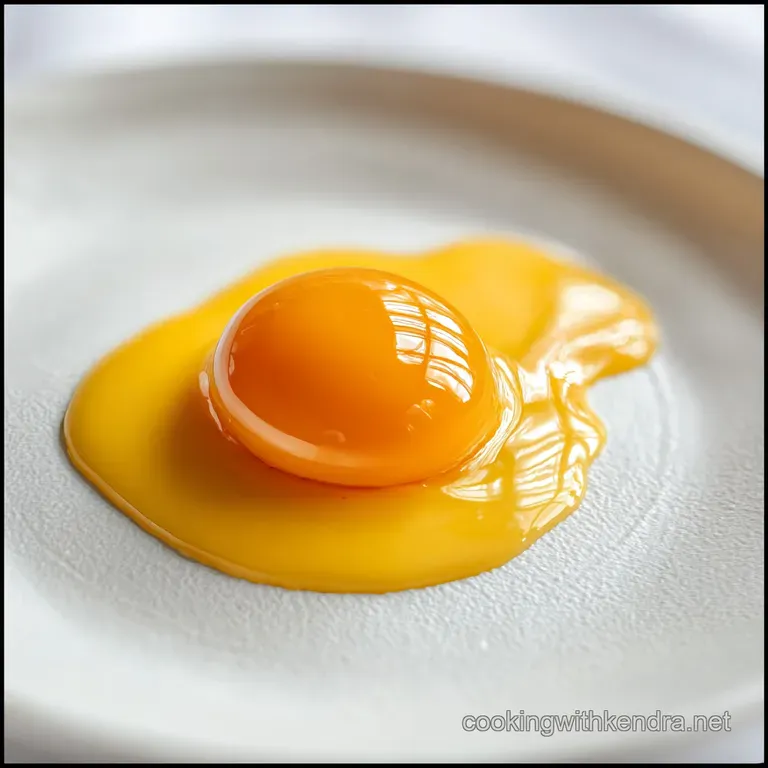
Preparing the Egg Yolk Slurry
Whisk your 6 egg yolks with 100g sugar, 15g cornstarch, and 1/4 tsp salt in a medium bowl. You want to beat them until the mixture turns a pale, buttery yellow. This step, called "ribboning," ensures the sugar is starting to dissolve and the starch is evenly distributed so you don't get lumps later.
Infusing the Dairy
In your heavy saucepan, combine 360ml whole milk and 120ml heavy cream. Split the vanilla bean, scrape the seeds into the milk, and toss the pod in too. Heat over medium until you see tiny bubbles forming around the edges and the aroma of warm vanilla fills the room. Do not let it reach a rolling boil!
Mastering the Tempering
This is the "make or break" moment. Slowly ladle about half a cup of the hot milk into your egg mixture while whisking constantly. Note: This gently warms the eggs so they don't shock and scramble when they hit the hot pot. Repeat with one more ladle of milk until the egg bowl feels warm to the touch.
Thickening to a Glossy Finish
Pour the warmed egg mixture back into the saucepan with the remaining milk. Cook over medium low heat, stirring constantly in a figure eight motion. Watch for the steam to rise and the liquid to coat the back of a spoon. This usually takes about 5-8 minutes.
Refining the Texture
As soon as the custard thickens and a few slow bubbles "burp" to the surface, remove it from the heat. Pour the custard through a fine mesh sieve into a clean bowl. This catches the vanilla pod and any tiny bits of overcooked egg, leaving you with pure, velvety gold.
Preventing the Skin
Immediately press a piece of plastic wrap directly onto the surface of the hot custard. Note: This prevents a tough "skin" from forming as the proteins cool and dehydrate. Let it sit at room temperature for 20 minutes, then move it to the fridge to chill completely.
Solving Texture Issues and Common Hurdles
Why Your Custard Is Lumpy
Usually, this happens because the heat was too high or the stirring wasn't frequent enough. If the eggs cook too fast, they clump. The good news? If it's not burnt, you can often save it by giving it a vigorous 30 second blast in a high speed blender and then straining it again.
It won't be quite as thick, but it will be smooth!
Why Your Custard Is Runny
If your custard looks more like a sauce than a pudding, you likely didn't cook it long enough. Cornstarch needs to reach a certain temperature (about 203°F) to fully activate its thickening power. Also, if you're using a sugar substitute, some can interfere with the set.
Stick to the real deal for the best structural integrity.
| Problem | Root Cause | Solution |
|---|---|---|
| Thin/Runny | Under cooked starch | Return to heat; stir until one bubble pops |
| Grainy | Scrambled egg bits | Strain through a fine mesh sieve immediately |
| Burnt Bottom | Heat too high | Transfer to new pot; do not scrape the bottom |
Common Mistakes Checklist
- ✓ Never leave the pot unattended; custard can turn from perfect to ruined in 10 seconds.
- ✓ Use a heavy bottomed pan to distribute heat evenly and prevent scorching.
- ✓ Whisk into the "corners" of the pan where the mixture tends to sit and overcook.
- ✓ Always strain the finished product; even the pros have a few tiny lumps sometimes.
- ✓ Temper slowly! Adding hot milk too fast is the #1 cause of grainy custard.
Flavor Variations and Smart Substitutions
Custard is a blank canvas. While vanilla is the classic choice, you can easily pivot based on what's in your pantry. I've had great success adding a teaspoon of espresso powder to the milk for a "latte" vibe, or even steeping some fresh lavender buds (strained out later, of course) for a sophisticated floral twist.
If you find yourself short on an ingredient, don't worry. There are ways to adapt without losing the soul of the dish. Just keep in mind that the fat content is what gives custard its body, so any "low-fat" swaps will result in a thinner, less satisfying dessert.
| Original Ingredient | Substitute | Why It Works |
|---|---|---|
| Whole Milk | Coconut Milk (Full Fat) | Similar fat content. Note: Adds a distinct tropical flavor. |
| Granulated Sugar | Maple Syrup | Liquid sweetener. Note: Use 20% less milk to compensate for moisture. |
| Cornstarch | Arrowroot Powder | Great thickener. Note: Gives a slightly more shiny, translucent finish. |
If you are looking for a lighter fruit based option for a summer brunch, this custard is the perfect companion to a Light Buttery Homemade recipe for strawberry shortcake. Just dollop a bit of the chilled custard over the berries before adding the cream.
Guidelines for Keeping Leftovers Fresh
Storing custard correctly is the difference between a great snack tomorrow and a watery mess. Because of the eggs and dairy, you really need to keep this chilled. It will stay fresh in the fridge for up to 3 days. Always keep that plastic wrap pressed against the surface to keep it from drying out.
I don't usually recommend freezing pure custard. The ice crystals that form during freezing tend to break the delicate protein bonds, and when it thaws, it can "weep" liquid and become grainy. However, if you've folded it into a cake or a pastry, it holds up much better.
If you have extra yolks, it's better to make a smaller batch than to try and freeze the leftovers.
Zero Waste Tip: Don't toss those leftover egg whites! Whisk them into an omelet, make a batch of meringues, or even freeze them in an ice cube tray for later use. One egg white per cube is a perfect measurement for future baking. Also, that spent vanilla bean?
Rinse it, dry it, and stick it in a jar of sugar to make homemade vanilla sugar.
Garnishing Your Finished Dessert
Presentation is where you get to have some fun. A plain bowl of custard is delicious, but adding a bit of texture makes it feel like a restaurant quality treat. I love a "shatter" of crushed ginger snaps or a handful of toasted almond slivers on top. The crunch against the velvety cream is heavenly.
Elevating the Aesthetic
For a "better than dining out" look, serve the custard in small glass ramekins or even vintage tea cups. A single fresh raspberry and a tiny sprig of mint add a pop of color that makes the golden custard stand out.
If you're serving it warm, a light dusting of nutmeg or cinnamon brings out the earthy notes of the vanilla.
Creating a Quick Brûlée Finish
If you want to impress guests, sprinkle a teaspoon of extra sugar over the chilled custard and hit it with a kitchen torch. You'll get that iconic "crack" of burnt sugar over the cold cream. It’s a 30 second trick that makes you look like a professional pastry chef.
Applying the "If You Want X, Do Y" Logic
- If you want a pouring custard (Crème Anglaise): Omit the cornstarch and use only 4 yolks. It will be thin and elegant.
- If you want a thick pastry cream: Increase the cornstarch to 25g. It will be sturdy enough to pipe into donuts.
- If you want a chocolate version: Whisk in 50g of chopped dark chocolate immediately after straining the hot custard.
Debunking Kitchen Myths
One of the biggest myths is that you can't "over whisk" the eggs and sugar. Actually, if you incorporate too much air during the initial whisking, your custard will have a foamy, bubbly top that never quite settles into that mirror smooth finish.
Whisk until the color changes, but don't try to make a meringue out of it!
Another misconception is that boiling the custard will always ruin it. While high heat is dangerous, a brief, controlled boil is actually required when using cornstarch. There is an enzyme in egg yolks called alpha amylase that eats starch.
If you don't bring the mixture to a quick bubble, that enzyme stays alive and will eventually turn your thick custard back into a liquid soup while it sits in the fridge. One or two "burps" on the surface is all you need to neutralize the enzyme and lock in your texture.
Recipe FAQs
Can I use less sugar in this creamy vanilla custard?
Yes, with caution. Reducing sugar significantly can affect the custard's texture and shelf life. Try reducing it by no more than 10-15% to maintain its richness and stability.
My custard turned out lumpy. How can I fix it?
Blend and strain it. Small lumps usually indicate the eggs cooked too quickly. Whisk the lumpy custard vigorously or pulse it in a blender for 30 seconds, then strain it through a fine mesh sieve to achieve a silky smooth texture.
What is the best way to avoid a skin forming on top of the custard?
Press plastic wrap directly onto the surface. Immediately after straining the hot custard, lay a piece of plastic wrap directly on top of it. This prevents air from reaching the surface and forming that undesirable skin.
Can I make this creamy vanilla custard ahead of time?
Yes, absolutely. Chilled custard can be stored in an airtight container in the refrigerator for up to 3 days. This makes it a convenient make-ahead dessert for parties or busy weeks.
What does "tempering" mean in this recipe?
Tempering is gently warming the eggs. It involves slowly adding hot liquid to the egg yolks while whisking constantly. This process gradually raises the eggs' temperature, preventing them from scrambling when they are fully incorporated into the hot base.
How do I know when the custard is thick enough?
It will coat the back of a spoon. When stirred constantly over medium low heat, the custard is ready when it thickens enough to leave a clear trail on the back of a spoon. You should also see a few slow bubbles "burping" to the surface.
Can I substitute cornstarch with another thickener?
Yes, arrowroot powder is a good substitute. Use the same amount of arrowroot powder as cornstarch; it will create a slightly glossier finish. If you enjoyed mastering the stable emulsion in this custard, see how similar thickening principles apply to our Foolproof Whipped Cream Light Fluffy Homemade.
Creamy Vanilla Custard
Ingredients:
Instructions:
Nutrition Facts:
| Calories | 358 kcal |
|---|---|
| Protein | 7.6g |
| Fat | 21g |
| Carbs | 36g |
| Fiber | 0g |
| Sugar | 31g |
| Sodium | 210mg |
