Crispy Lemon Chicken Romano a Speedy Italianamerican Classic

- Elevating Weeknight Dining: Why Lemon Chicken Romano Wins
- The Secret Behind Truly Crispy Cutlets
- Assembling Your Pantry for the Best Lemon Chicken Romano
- Essential Equipment for Perfect Searing and Saucing
- Step and by-Step Cooking Guide for Lemon Chicken Romano Success
- Mastering the Crisp: The Method for Golden Searing
- Troubleshooting and Expert Tips for the Ultimate Chicken Romano
- Customizing Your Meal: Variations and Side Dish Pairings
- Recipe FAQs
- 📝 Recipe Card
Elevating Weeknight Dining: Why Lemon Chicken Romano Wins
Okay, friend, let’s talk weeknight heroes. You know those recipes you fall back on when you’re utterly exhausted, but you still want something that feels totally celebratory? This Lemon Chicken Romano is that dish.
It’s got everything: the savoury crunch, the bright, zingy sauce, and it comes together faster than calling for pizza delivery (and tastes way better, frankly).
My old attempts at this classic used to leave me with a greasy, sad crust that immediately fell off the moment it touched the sauce. Disaster. I felt like I was failing at basic chicken cookery. But after much pan and searing anguish, I cracked the code. The secret?
It’s not just the coating; it's what you do before and after the coating. We are aiming for something shatteringly crisp that holds up to that incredible lemon butter sauce.
Trust me, once you nail this method, this lemon chicken romano recipe will be permanently saved in your favourites folder.
The Secret Behind Truly Crispy Cutlets
We aren’t making a soggy mess here. We are building a fortress of flavour around that chicken. The keys are thinness, serious adhesion, and the perfect fat mixture for searing.
What Makes This Dish an Italian and American Favourite?
This isn’t a dish you often find served in Florence, right? Lemon Chicken Romano is pure Italian and American magic, born out of necessity and flavour fusion in the U.S. restaurants.
It takes the idea of a simple scaloppine or cotoletta (thinly pounded meat) and jazzes it up with a punchy cheese crust and a deeply satisfying, pan and deglazed lemon sauce. It’s fast food for fancy people. It’s comforting.
And let’s be honest, we all love anything with a simple pan sauce that uses up those flavourful brown bits at the bottom of the pan.
The Difference Pecorino Romano Makes in the Crust
Listen, you could use Parmesan. But you shouldn't. Pecorino Romano is sheep’s milk cheese, and it brings a salty, slightly sharper, more intense tang to the crust that Parmesan just can’t touch.
Because it’s saltier, you need to be careful with how much additional salt you add to your breading mixture taste as you go! Also, because Pecorino tends to be drier than Parmigiano Reggiano, it mixes beautifully into the flour and breadcrumbs, creating a perfectly crunchy, non and clumping crust that adheres like a dream.
Is This Dish Easier Than Chicken Piccata?
Yes, absolutely. They share similar DNA because they both finish with a bright lemon butter sauce. Piccata traditionally uses capers and sometimes more broth, leaning a bit soupier. This Romano version is all about the crust.
Once you've pounded the chicken and set up your dredging station, the rest is just speedy searing and a quick deglaze. If you can boil water and whisk butter, you can nail this.
Assembling Your Pantry for the Best Lemon Chicken Romano
Quality ingredients really sing when you're making something this simple. If you are using that pre and grated Pecorino in the plastic tub, please stop. Go buy a wedge and grate it finely yourself. It melts better, tastes stronger, and doesn’t have those anti and caking agents that can ruin your crust.
We need fresh lemons, obviously. Not that plastic squeeze bottle stuff. Don’t cheat yourself out of the maximum zing. I also use a blend of fats (butter and two kinds of oil) for searing. Why?
Butter gives flavour, but vegetable or canola oil gives you the high smoke point needed to keep the butter from burning before the chicken is cooked. It’s the perfect team effort.
Essential Equipment for Perfect Searing and Saucing

You definitely need a good meat mallet for this. If you don't have one, the bottom of a small, heavy saucepan works in a pinch. Just be gentle! The pan itself is critical. I always reach for my 12 inch cast iron or a sturdy stainless steel skillet.
Avoid thin, cheap pans; they lead to hot spots, uneven searing, and burned crusts.
Choosing and Prepping Chicken Breast Cutlets
I start with four medium chicken breasts and slice them horizontally. You want eight thin cutlets in total. The goal is uniformity. You need to pound them thin, about a quarter and inch thick (the thickness of maybe two stacked US quarters).
If they are uneven, the thin bits dry out while the thick bits are still cooking.
Crucial Warning: When pounding the chicken, use the flat side of the mallet, not the pointy, jagged side. We want thin, smooth chicken, not shredded chicken. Always pound between two sheets of plastic wrap. It saves you cleaning the walls.
The Crust: Fine and Tuning the Pecorino and Breadcrumb Blend
My crust uses flour, Pecorino, and garlic powder. No breadcrumbs? Nope! I find that breadcrumbs often absorb too much oil and get mushy fast. Using a mixture of flour and finely grated cheese keeps the coating light, ultra and crisp, and better tasting.
Don't be afraid to press that coating hard onto the chicken.
The Core Components of the Zingy Lemon and Butter Sauce
This pan sauce is a masterclass in balance. We start with shallots and garlic (essential aromatics). Then comes the deglazing (white wine, please; use something you would actually drink Pinot Grigio is perfect). Stock adds necessary liquid. Then, the fresh lemon juice for brightness.
The final magic is cold, cubed butter whisked in off the heat. That creates the creamy, velvety texture without needing heavy cream.
Quick Guide to Mise en Place for Speedy Cooking
Mise en place (getting everything ready beforehand) is non and negotiable for pan and fried dishes. They cook too fast for you to be chopping garlic while the pan is searing.
- Cutlets pounded and seasoned.
- Dredging station set up (three dishes in order: flour, egg wash, cheese blend).
- Shallots/garlic minced.
- Wine, stock, and lemon juice measured out and ready to pour.
Seriously, if you do these steps, you’ll feel like a professional chef, and the whole cook time shrinks to under 20 minutes.
Related Recipes Worth Trying
- Grilled honey lime chicken salad recipe Southweste Healthy Meal — Grilled honey lime chicken salad recipe Southweste is the ultimate healthy salad Featuring juicy Grilled Chicken Avocado fresh greens and a zesty honeylime...
- Tangy Lemon Sugar Cookies Buttery Soft Chewy with a Zingy Glaze — Tangy Lemon Sugar Cookies are intensely flavorful and perfect for summer These Buttery Lemon Sugar Cookies have a chewy center and crisp edges Follow our...
- Slow Cooker Chicken Tostadas SetItandForgetIt Mexican Dinner — Master delicious Slow Cooker Chicken Tostadas for an easy weeknight meal Get tender perfectly seasoned slow cooker shredded chicken with minimal prep The...
Step and by-Step Cooking Guide for Lemon Chicken Romano Success
Right then, let's crack on. We’ve got our cutlets resting and our pan on standby.
Mastering the Crisp: The Method for Golden Searing
We need heat! Medium and high heat is the sweet spot. You want the fat shimmering, almost smoking, but not aggressively boiling. This is usually 350 375 degrees Fahrenheit if you want to get technical about it.
Pounding and Dredging Chicken for Optimal Adhesion
Remember that 10 minute rest after dredging? That’s where the magic happens. While the cutlets sit, the moisture from the egg wash soaks into the flour and cheese, creating a paste and like layer.
When that layer hits the hot fat, it immediately seals and firms up, meaning your beautiful Romano crust stays on the chicken, even when it hits the sauce later. This is my #1 tip. Do not skip the rest.
Achieving the Perfect over High heat Sear
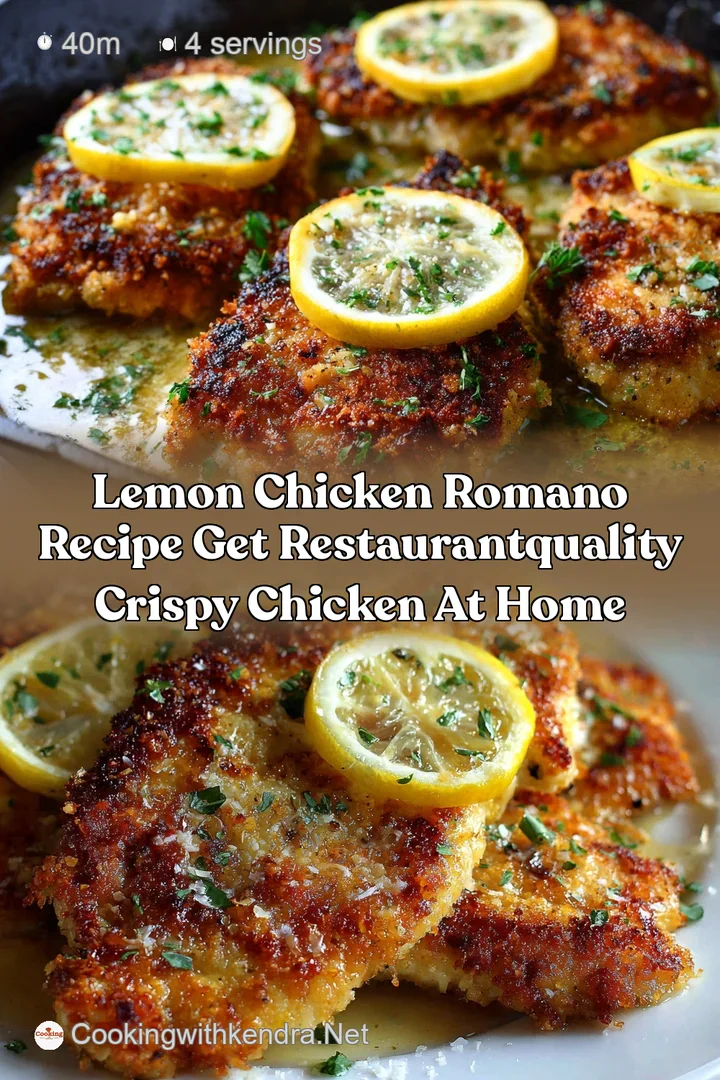
Add your oil and butter mixture. Once it's ready, gently lay the cutlets into the pan away from you. Listen for that intense sizzle. If it’s not sizzling, your pan isn't hot enough. Cook 3– 4 minutes per side.
Resist the urge to press them down or move them for the first three minutes. Let them form that golden, solid crust. Cook in batches! Overcrowding drops the temperature, steams the chicken, and ruins the crust. Keep the finished cutlets warm, loosely tented with foil.
Building the Rich Lemon and Butter Pan Sauce
Once the chicken is out, pour off all but about 1 tablespoon of the oil mixture. That delicious brown sludge stuck to the bottom of the pan? That’s called the fond, and it's pure flavour gold. Toss in your shallots and garlic. Sauté quickly. Now, pour in the wine. It should bubble furiously!
Scrape up every single brown bit with a wooden spoon. This step is non and negotiable for building depth. Reduce the wine by half, then add the stock and reduce again slightly until it thickens a bit.
Bringing the Dish Together and Serving Hot
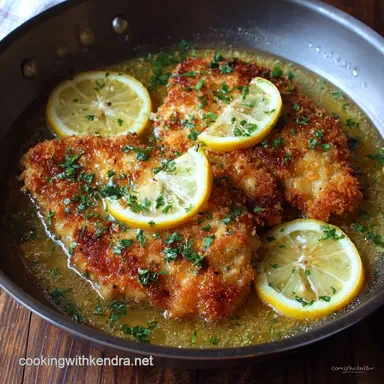
Take the pan completely off the heat. Stir in the lemon juice. Now, start whisking in those cold butter cubes one at a time. Whisking rapidly is key. The cold butter melts slowly, combining the fat and liquid beautifully into an opaque, silky sauce.
Now, return the cutlets to the pan, spoon the sauce over them gently, and sprinkle with parsley. Serve immediately, perhaps over some pasta or rice to catch every drop. Sensational.
Troubleshooting and Expert Tips for the Ultimate Chicken Romano
The biggest hang and up here is the sauce breaking, where the butter separates from the liquid, leaving you with oily broth instead of silky sauce. We can fix that.
Preventing the Sauce from Breaking (Emulsification Help)
This requires two things:
- Cold Butter: Use unsalted butter cut into small cubes, straight from the fridge.
- No Boil Zone: Once you start mounting the sauce (whisking in the butter), the sauce cannot boil. If it gets too hot, the emulsification breaks, and the fat separates. If you think it’s too hot, take the pan off the burner entirely, whisk furiously, and maybe even set the bottom of the pan briefly into an ice bath to cool it down quickly if needed.
If your sauce does break, don't panic. Remove the pan from the heat, drop a teaspoon of cold water into the sauce, and whisk aggressively until it comes back together. Sometimes this works like a charm!
Customizing Your Meal: Variations and Side Dish Pairings
I’ve made this with everything from pork to turkey; the crust is just too good to limit to chicken.
Substituting Proteins: Veal or Pork Romano Options
Veal scaloppini is actually the most traditional preparation for this technique, and it cooks even faster than chicken (often just 90 seconds per side). Pork cutlets also work brilliantly. Just make sure whatever protein you choose is pounded uniformly thin.
Serving Suggestions: What to Pair with the Tangy Sauce?
Because the sauce is so bright and acidic, you want something that will either soak it up or provide a textural contrast.
| Soak it Up (Starch) | Contrast (Vegetables) |
|---|---|
| Linguine or Angel Hair Pasta | Garlic Sautéed Spinach |
| Creamy Polenta or Grits | Roasted Asparagus (with sea salt) |
| Simple Steamed Rice | Quick, Sharp Arugula Salad |
Safe Handling and Reheating Leftover Crispy Chicken
Okay, let’s be real. If you put this in the microwave, it will become sad, rubbery, and soggy. It’s the law of leftovers. However, if you have an air fryer, you are in luck! Store the chicken and sauce separately.
When reheating the chicken, a few minutes in a 350°F (175°C) air fryer or a hot oven on a rack will bring back 90% of the crispiness. Reheat the sauce gently in a small saucepan. Never reheat the chicken in the sauce unless you don't care about the crust.
I usually just eat the leftovers cold, actually. It’s that good.
Recipe FAQs
My breading always falls off when I fry chicken. How do I stop that from happening with this Lemon chicken romano recipe?
The secret is the 10-minute rest after dredging; this crucial pause allows the moisture from the egg to bind the starch and Pecorino Romano coating tightly to the chicken, ensuring it sticks tighter than a limpet when it hits the hot oil.
I only have Parmesan in the fridge. Can I use that instead of Pecorino Romano?
Absolutely, quality Parmesan is a decent stand-in, but be aware that Pecorino is tangier and significantly saltier; you might need to adjust your initial seasoning slightly to give the crust the necessary flavour oomph.
My lemon butter sauce often splits and looks oily. Any tips for keeping it silky smooth?
Ensure you take the pan completely off the heat before you start adding the final cold butter cubes; whisking in cold butter while the pan is off the flame creates a stable, velvety emulsion that won’t break, ensuring a perfect finish every time.
Can I prep the Lemon Chicken Romano cutlets the night before to save time?
While you can pound and season the chicken ahead of time, it is best to leave the dredging until just before cooking, as the coating can absorb moisture from the fridge overnight and lose its fantastic crispness.
What’s the best way to store leftovers and reheat them without losing the crispness?
Store the chicken separately from the sauce in an airtight container for up to three days, and the easiest way to revive the crisp crust is a quick 5-minute blast in a hot oven (or air fryer) rather than using the microwave.
Crispy Lemon Chicken Romano
Ingredients:
Instructions:
Nutrition Facts:
| Calories | 430 kcal |
|---|---|
| Protein | 26.4 g |
| Fat | 30.2 g |
| Carbs | 12.7 g |
