Deep Fried Deviled Eggs with Panko Crust
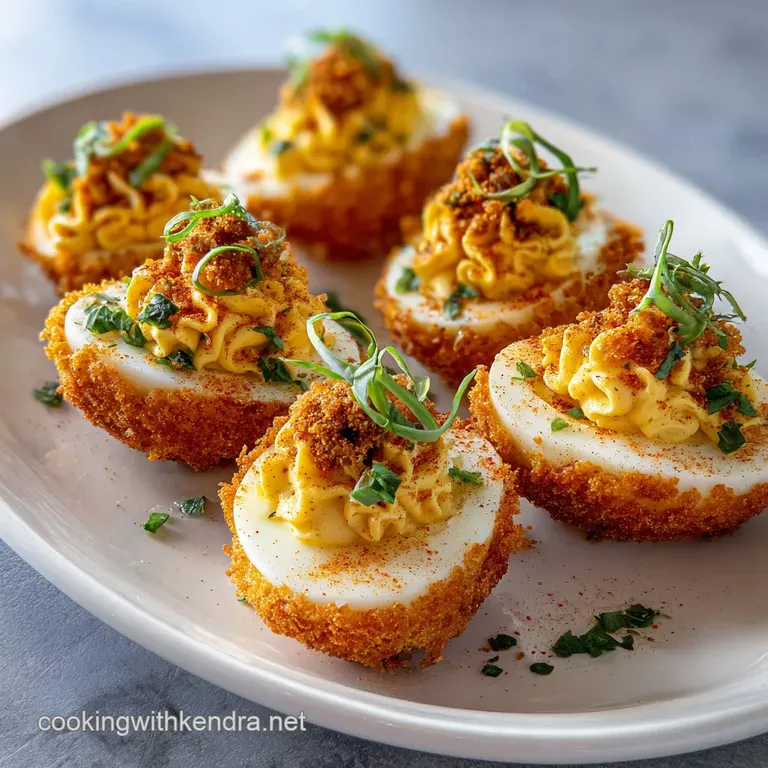
- Time: Active 25 minutes, Passive 10 minutes, Total 35 minutes
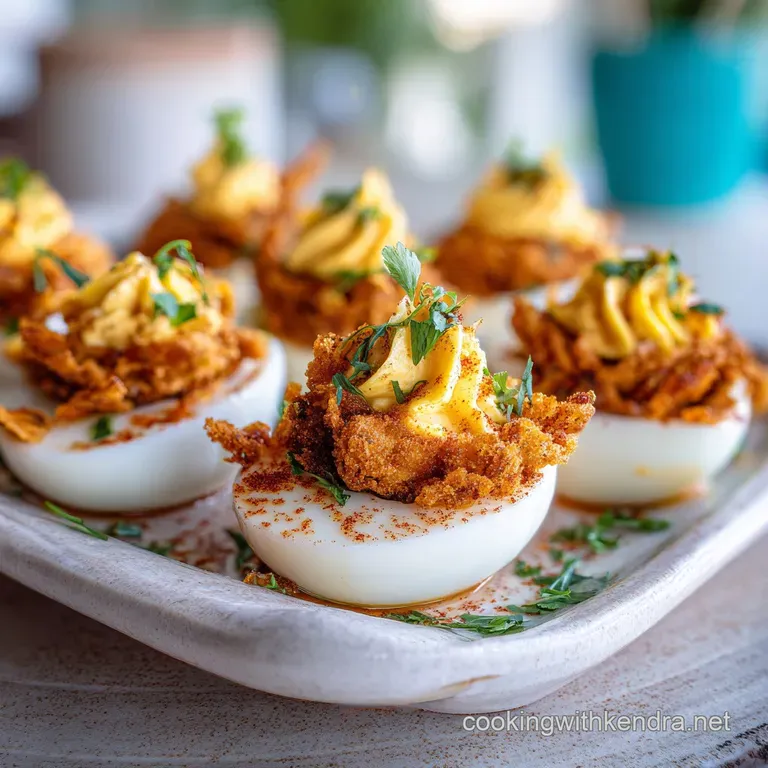
- Flavor/Texture Hook: Shatter crisp exterior with a velvety, smoky yolk center.
- Perfect for: Game day parties, holiday appetizers, or a sophisticated brunch.
- The Science of the Shatter Crunch
- Precise Metrics for Frying Success
- Ingredient Deep Dive and Science
- Essential Tools for Frying Success
- The Step-by-Step Cooking Flow
- Solving Common Texture and Coating Problems
- Creative Swaps and Variations
- Handling Leftovers and Zero Waste
- Perfect Pairings and Serving Tips
- Debunking Common Frying Myths
- Recipe FAQs
- 📝 Recipe Card
I’ll never forget the first time I dropped a boiled egg white into a bubbling vat of oil. I was at a backyard bash, and the host a retired line cook promised us "the best thing we’d ever eat." We all watched, skeptical, as he dredged these little white boats in panko.
The moment they hit the oil, that signature sizzle erupted, and the aroma of toasted breadcrumbs and smoky paprika filled the air.
When I took my first bite, the crunch was so loud I thought I’d broken something. But then, the cold, creamy filling hit. It was a total revelation. Since then, I’ve spent months tweaking the dredge and the oil temp to make sure they don’t turn rubbery.
Trust me, once you try Deep Fried Deviled Eggs this way, the "naked" version just won’t cut it anymore.
We’re going for a specific vibe here: comfort food meets culinary science. You don’t need a professional kitchen, but you do need to follow the timeline. If you rush the cooling process, the eggs will steam from the inside out and lose that "shatter" factor.
Let’s get into the nitty gritty of why this works.
The Science of the Shatter Crunch
Protein Denaturation: Flash frying the egg white at a high temperature creates a sudden structural change on the surface without overcooking the interior rubber like.
Starch Gelatinization: The flour and egg wash create a glue that traps steam, allowing the panko to brown and crisp into a rigid, airy lattice.
Emulsion Stability: Using Kewpie mayonnaise provides a higher yolk to oil ratio, ensuring the filling stays silky and won't "weep" or separate when piped into the warm shell.
| Doneness Cue | Oil Temperature | Fry Time | Visual Marker |
|---|---|---|---|
| Quick Flash | 350°F | 30-45 seconds | Deep golden brown panko |
| Overdone | 375°F+ | 60 seconds+ | Dark brown and rubbery white |
| Underdone | 325°F | 2 minutes | Pale, greasy, and soggy |
Getting the oil temp right is the biggest hurdle for most home cooks. If you’re ever unsure, just drop one panko crumb in; it should dance and sizzle immediately. If it sinks, wait another minute. If it turns black, kill the heat!
Precise Metrics for Frying Success
When we talk about deep fried deviled eggs, precision is our best friend. We aren't just boiling eggs; we are engineering a texture. I’ve found that using eggs that are about a week old makes peeling significantly easier because the pH level has shifted, causing the membrane to pull away from the shell.
We are aiming for a yield of 24 servings, which sounds like a lot, but they disappear faster than you can say "extra bacon." The total time is a breezy 35 minutes, provided you have your station set up properly. I like to call this the "assembly line of joy."
| Method | Time | Texture | Best For |
|---|---|---|---|
| Standard Deep Fry | 45 seconds | Ultra shatter crisp | Maximum party impact |
| Air Fryer Version | 6 minutes | Drier, crunchy | Lower oil cleanup |
| Traditional (No Fry) | 0 seconds | Soft and bouncy | Classic picnic vibes |
For the best deep fried deviled eggs recipe, the deep fry method is non negotiable for that specific "shatter" we want. However, the air fryer is a decent backup if you’re trying to avoid the oil splatter. Just know the crust won't be quite as even.
Ingredient Deep Dive and Science
Choosing the right components is the difference between a soggy mess and a snack that people talk about for years. I swear by Kewpie mayonnaise here. It’s richer and more acidic than standard mayo, which balances the fried exterior perfectly.
If you are looking for a Whole 30 Snack recipe, you know how important the quality of the egg is. For this fried version, the whites need to be firm enough to handle the dredge without tearing.
| Ingredient | Science Role | Pro Secret |
|---|---|---|
| Large Eggs | Structural Base | Use 7-10 day old eggs for easier peeling. |
| Panko Breadcrumbs | Surface Area | Crush them slightly for better coverage on the curves. |
| Pickle Juice | Acidic Brightener | Cuts through the fat of the deep fry. |
| White Pepper | Subtle Heat | Keeps the filling looking clean without black specks. |
Don't skip the White Pepper. It has a fermented funk that traditional black pepper lacks, and it blends into the yellow yolk mixture beautifully. It’s a tiny detail, but your palate will notice the complexity.
Essential Tools for Frying Success
You don't need a standalone deep fryer. A heavy bottomed pot, like a Dutch oven, is actually better because it holds the heat more steadily when you drop the cold eggs in.
- Spider Strainer: This is vital. You need to get those eggs out fast once they hit the 45 second mark.
- Piping Bag: Don't just spoon the filling in. It looks messy and ruins the aesthetic. A star tip makes them look professional.
- Digital Thermometer: Guessing oil temp is a recipe for greasy eggs. Clip it to the side of the pot.
Right then, let's talk about the dredge station. You want three shallow bowls. One for flour, one for the egg wash, and one for the panko. Keep one hand "dry" for the flour and panko, and one hand "wet" for the egg wash. This keeps you from breading your own fingers!
The step-by-step Cooking Flow
- Boil the eggs. Place 12 eggs in a pot, cover with water, and bring to a boil. Remove from heat, cover, and let sit for 12 minutes. Note: This ensures a fully set yolk without the green ring.
- Shock and peel. Immediately move eggs to an ice bath for 10 minutes until completely cold to the touch.
- Slice and scoop. Cut eggs lengthwise and gently pop the yolks into a bowl. Wipe the whites clean with a paper towel.
- Mix the filling. Combine yolks, 1/2 cup Kewpie Mayo, 1 tbsp Dijon, 1 tsp Pickle Juice, 1/2 tsp Smoked Paprika, salt, and white pepper. Mix until velvety and smooth.
- Prep the dredge. Set up three bowls: 1 cup flour, 2 beaten eggs, and 2 cups panko.
- Coat the whites. Dip each egg white in flour, then egg wash, then panko. Press the panko firmly until no white is visible.
- Heat the oil. Bring 1 quart neutral oil to 350°F in a heavy pot.
- Fry in batches. Drop 4-6 whites into the oil. Fry for 30-45 seconds until golden and crackling.
- Drain and cool. Place fried whites on a wire rack or paper towels. Let them cool slightly so they don't melt the filling.
- Fill and garnish. Pipe the yolk mixture into the crispy shells. Top with crumbled bacon, chives, and a jalapeño slice.
If you’re wondering How to Make recipe versions for breakfast, you could technically skip the fry, but the crunch here is the star. When you pipe that filling, start in the center and swirl outward for that high end look.
Solving Common Texture and Coating Problems
We've all been there the breading falls off in the oil, or the egg white feels like a rubber band. It usually comes down to moisture. If the egg whites aren't bone dry before the flour hits them, the coating will slide right off like a bad suit.
Why Your Coating Is Falling Off
If the breading detaches, it’s likely because the egg white had a film of moisture. The flour needs a dry surface to grab onto. Always pat the whites down with a fresh paper towel right before dredging.
Also, make sure your oil isn't too cold; if the "crust" doesn't set instantly, the egg wash can dissolve into the oil.
Why Your Eggs Are Rubbery
Rubberiness happens when the eggs are fried for too long or the oil is too hot. Remember, the egg white is already cooked! We are only frying the breading. 45 seconds is usually the sweet spot. Any longer and you’re over denaturing the proteins in the white.
| Problem | Root Cause | Solution |
|---|---|---|
| Breading detaches | Moisture on the egg white | Pat dry with paper towels before flouring |
| Filling is runny | Too much pickle juice/mayo | Add an extra hard boiled yolk to thicken |
| Panko is burnt | Oil temp over 375°F | Use a thermometer; keep oil at 350°F |
Common Mistakes Checklist
- ✓ Never crowd the frying pot; it drops the oil temperature too fast.
- ✓ Don't skip the ice bath warm eggs are impossible to peel cleanly.
- ✓ Avoid low-fat mayo; the water content will make your filling weep.
- ✓ Always sieve your yolks through a fine mesh if you want that "restaurant" velvety texture.
- ✓ Fry only the whites never try to fry the egg with the filling already inside!
Creative Swaps and Variations
Honestly, don't even bother with low-fat cheese or light mayo here. We’re deep frying eggs, so let’s lean into the decadence! That said, you can definitely play with the flavor profiles. If you want a Southern twist, add a tiny bit of pimento cheese to the yolk mixture.
If you’re making air fryer deviled eggs, spray the panko coated whites generously with oil before "frying" at 390°F for about 5-7 minutes. It’s easier for a quick deep fried deviled eggs craving, but you won't get that same uniform golden glow.
| Original Ingredient | Substitute | Why It Works |
|---|---|---|
| Kewpie Mayo | Greek Yogurt | Adds tang but is much thinner. Note: May require less pickle juice. |
| Panko | Crushed Pork Rinds | Keeps the crunch while being Keto friendly. |
| Dijon Mustard | Yellow Mustard | Offers a sharper, more vinegary punch. |
If you're looking for a homemade deep fried deviled eggs vibe with a kick, try adding a dash of hot sauce directly into the yolk mixture. For those following a "no panko" rule, finely crushed crackers or even a cornstarch only dredge can work, though the texture will be more like a tempura than a crunch.
Handling Leftovers and Zero Waste
Storage: These are best eaten within an hour of frying. If you must store them, keep the fried shells in an airtight container at room temperature (for up to 4 hours) and the filling in a piping bag in the fridge. Assemble right before serving.
Once assembled, they will stay "okay" in the fridge for 24 hours, but the crunch will fade into a soft chew.
Zero Waste: Don't toss those eggshells! Crush them up and put them in your garden; they are a fantastic calcium boost for tomato plants. If you have leftover panko and egg wash bits, mix them together with some herbs and fry them up as little "chef's snacks." Also, save the bacon fat from those 4 strips to sauté greens later in the week.
Perfect Pairings and Serving Tips
When serving this deep fried deviled eggs recipe easy style, presentation is everything. I like to serve them on a wooden board with a light sprinkle of extra chives. Because they are so rich, they pair beautifully with something acidic or bubbly. Think of a crisp Prosecco or even a tart lemonade.
- The "Southern Social" Pairing: Serve alongside some pickled okra and a spicy bloody mary.
- The "Everything Bagel" Twist: Add everything bagel seasoning to the panko for a savory explosion.
- The Heat Seeker: Use a slice of fresh habanero instead of pickled jalapeño for a serious kick.
Debunking Common Frying Myths
Myth: Frying eggs makes them "heavy." Actually, if the oil is at the correct temperature (350°F), the steam escaping the egg prevents the oil from soaking in. The result is surprisingly light and crisp, not greasy.
It’s only when the oil is too cold that the breading acts like a sponge.
Myth: You need a lot of oil. You only need enough oil to submerge the egg whites halfway. You can flip them halfway through the 45 second cook. A quart is plenty for a standard batch, and you can even filter and reuse that oil once for another savory dish.
Myth: Fresh eggs are better for boiling. This is a total lie! Fresh eggs have a membrane that sticks like glue to the shell. Use the eggs that have been sitting in your fridge for a week. They’ll peel in one satisfying piece, leaving you with perfectly smooth whites for dredging. Let's crack on!
Recipe FAQs
What are deep fried deviled eggs?
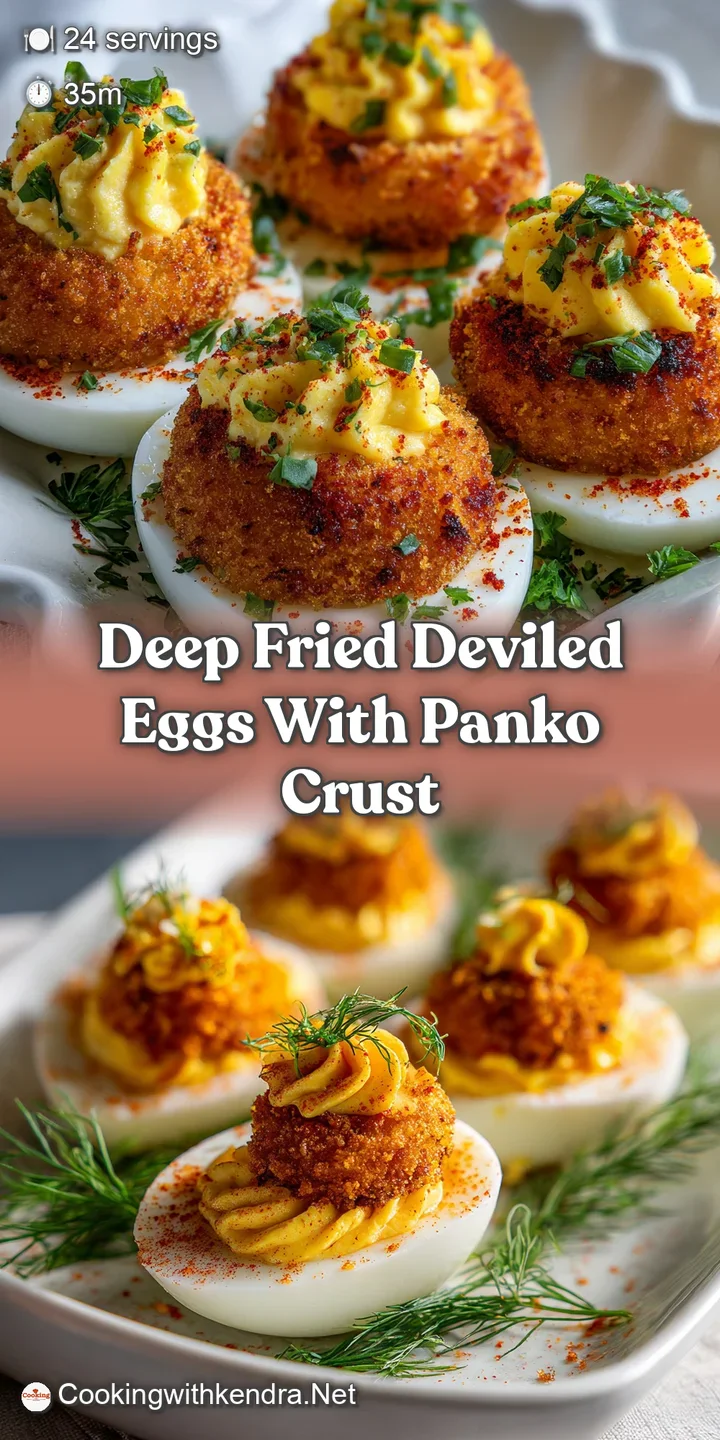
They are hard boiled egg whites that are chilled, dredged in a flour/egg/panko mixture, and flash fried until crispy, then refilled with traditional deviled yolk filling. This preparation creates a dramatic temperature and texture contrast between the shattering exterior and the creamy, cool interior.
What is the forgotten ingredient I always add to my deviled eggs?
White pepper is the flavor booster you are likely forgetting. It provides a subtle, earthy heat that blends into the yolk mixture without leaving the black specks visible, keeping the filling aesthetically clean.
What are church lady deviled eggs?
This term usually refers to a very classic, non-spicy recipe featuring relish or sweet pickle juice in the filling. While this recipe is decadent, it skips the savory additions like bacon fat or hot sauce often found in contemporary versions.
What do Christians call deviled eggs?
Many Christians often refer to them simply as "stuffed eggs" or "dressed eggs," especially around Lent or Easter. The term "deviled" historically refers to anything heavily seasoned with pepper or spices, not necessarily religious connotations.
How do I prevent the coating from falling off during frying?
Pat the boiled egg white halves completely dry with a paper towel before starting the dredge. Any surface moisture prevents the flour from adhering correctly, leading to the coating separating in the hot oil.
How do I ensure the yolk filling is velvety smooth instead of chunky?
Force the cooked yolks through a fine mesh sieve after mashing them. This physical step breaks down any remaining lumps, creating the ultra smooth, silky consistency you want before mixing in your mayonnaise and mustard.
Can I substitute panko with crushed potato chips for the crust?
No, using potato chips is not recommended for this specific crust. Chips release more grease when fried and lack the structured lattice needed to create that signature shatter crunch that protects the filling.
Deep Fried Deviled Eggs
Ingredients:
Instructions:
Nutrition Facts:
| Calories | 104 kcal |
|---|---|
| Protein | 4.2 g |
| Fat | 7.5 g |
| Carbs | 3.8 g |
| Fiber | 0.2 g |
| Sugar | 0.4 g |
| Sodium | 145 mg |
