Dulce De Leche Cake
- Time: Active 20 mins, Passive 35 mins, Total 55 mins
- Flavor/Texture Hook: Toasted milk sweetness with a silky, buttery finish
- Perfect for: Birthday celebrations or cozy Sunday family dinners
- The Physics of the Caramel Lift
- Core Specs for This Decadent Caramel Masterpiece
- Gathering the Elements for a Rich Toffee Crumb
- The Essential Kit for Building Better Layers
- Walking Through the Journey of Every Golden Layer
- Navigating Common Roadblocks for a Flawless Sponge
- Exploring Flavor Adaptations and Simple Pantry Swaps
- Smart Guidelines for Preserving That Silky Texture
- Harmonious Pairings to Accentuate the Deep Caramel
- Truths About Caramel Baking
- Recipe FAQs
- 📝 Recipe Card
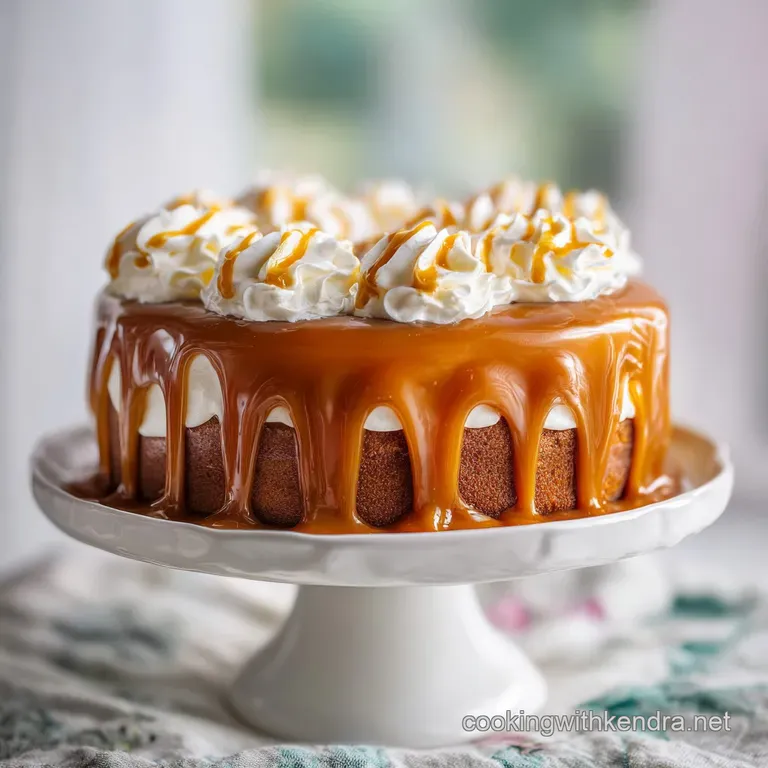
You know that scent of sugar just before it turns into dark caramel? That warm, almost nutty aroma that fills the kitchen and makes you want to skip dinner and go straight to dessert? That's exactly what hit me the first time I pulled this Dulce de Leche Cake out of the oven.
I remember it was a Tuesday, pouring rain outside, and I just needed something that felt like a hug in cake form. I'd tried three different versions before this one, and they all came out either too dry or so sweet they made my teeth ache. This version, though, changed everything.
The secret wasn't more sugar, but rather the way we handle the milk solids in the caramel. When you slice into this, you aren't just getting a cake that tastes like caramel; you're getting a texture that is dense yet airy, almost like a pound cake had a baby with a cloud.
It's a recipe born from a lot of trial and error in my own kitchen, including one memorable disaster where I forgot the baking soda and ended up with a very expensive caramel brick. We've fixed all those kinks now.
Right then, let's talk about what makes this specific recipe the one you'll keep in your back pocket forever. We aren't just making a "caramel flavored" cake. We are building layers of flavor, starting with a buttermilk based sponge and ending with a frosting so smooth it's almost dangerous to have around a spoon.
If you've ever felt intimidated by making caramel from scratch, don't worry. This recipe uses the good stuff from the can, but we treat it with the respect it deserves to get that authentic taste.
The Physics of the Caramel Lift
Protein Interaction: The milk proteins in the dulce de leche interfere with gluten development, resulting in a significantly more tender and velvety crumb than traditional butter cakes.
Sugar Hygroscopy: Because dulce de leche is essentially concentrated milk and sugar, it holds onto moisture with incredible tenacity, preventing the cake from drying out even after a few days.
| Feature | Classic Method (Creaming Only) | Our Texture First Method | The Resulting Difference |
|---|---|---|---|
| Crumb Structure | Open and airy | Dense and velvety | A more satisfying, rich mouthfeel |
| Moisture Level | Dries in 24 hours | Stays moist for 72 hours | Better for making ahead or gifting |
| Flavor Profile | Vanilla forward | Deep toasted milk | A sophisticated, multi dimensional sweetness |
This specific approach is similar to the foundation of many great bakes. If you're into cakes with a Southern soul, you might also love my Italian Creme Cake recipe. The way we balance the fats and the sugars here ensures that every bite is consistent, from the very center of the layer to the golden edges.
Core Specs for This Decadent Caramel Masterpiece
Before you grab your whisk, let's look at the numbers. Baking is as much about precision as it is about soul. You want your butter at exactly 65°F. If it's too soft, the cake will be greasy; if it's too cold, it won't aerate properly.
Think of it as the "Goldilocks" temperature it should give slightly when pressed but still hold its shape.
We are aiming for a total yield of 12 generous servings. The cook time sits right at 35 minutes, but every oven has its own personality, so you'll want to start peeking through the glass around the 30 minute mark.
The goal is a gentle spring back when you touch the center and a pale golden hue that looks like a sunset.
Chef Tip: Add a half teaspoon of espresso powder to your dry ingredients. It doesn't make the cake taste like coffee, but it acts like a magnifying glass for the caramel notes, making them much more intense.
Gathering the Elements for a Rich Toffee Crumb
This is where the magic starts. We aren't using fancy, hard to find items, but the quality of your dulce de leche matters. I usually reach for a high-quality canned version like Havanna or even the classic Nestlé La Lechera.
Avoid anything labeled "caramel syrup" it's too thin and won't give us the structure we need for a proper de Leche Cake.
| Ingredient | Science Role | Pro Secret |
|---|---|---|
| Buttermilk | Acidic Tenderizer | Use full fat for the most buttery, silky texture |
| Dulce de Leche | Flavor & Fat | Whisk it with the butter to ensure zero streaks in the batter |
| Vanilla Paste | Flavor Depth | The flecks of bean look stunning against the caramel sponge |
| Sea Salt | Flavor Balancer | Don't skip this; it's the "on" switch for the sugar's flavor |
The Essential Pantry List
- 2 ½ cups (312g) All purpose flour: Why this? Provides the perfect protein structure for a sturdy yet soft layer. (Substitute: 1:1 gluten-free baking flour)
- 1 ½ tsp Baking powder: Why this? Provides the primary lift during the first half of baking. (Substitute: ¼ tsp baking soda + ½ tsp cream of tartar)
- ½ tsp Baking soda: Why this? Reacts with buttermilk for a second boost of aeration. (Substitute: Omit if using self rising flour)
- ½ tsp Fine sea salt: Why this? Cuts through the richness of the milk solids. (Substitute: Standard table salt)
- ¾ cup (170g) Unsalted butter, softened to 65°F: Why this? Controlled temperature ensures a stable emulsion. (Substitute: Salted butter, but reduce added salt)
- ¾ cup (150g) Granulated sugar: Why this? Provides sweetness and helps with the creaming process. (Substitute: Light brown sugar for a fudgier texture)
- ½ cup (150g) Canned dulce de leche: Why this? This is the soul of the cake's flavor profile. (Substitute: Homemade slow cooked condensed milk)
- 3 Large eggs, room temperature: Why this? Bonds the fats and liquids into a smooth batter. (Substitute: ¾ cup unsweetened applesauce, though it will be denser)
- 1 tsp Vanilla bean paste: Why this? Adds a concentrated, floral aroma. (Substitute: 2 tsp Vanilla extract)
- 1 cup (240ml) Whole buttermilk, room temperature: Why this? Breaks down gluten for a melt in-your mouth crumb. (Substitute: 1 cup milk + 1 tbsp lemon juice)
For the frosting, you'll need an additional 1 ½ cups butter, another cup of dulce de leche, 2 cups of powdered sugar, a splash of heavy cream, and that crucial flaky sea salt. It sounds like a lot of butter, and it is. Trust me, this isn't the place for low-fat substitutions.
The Essential Kit for Building Better Layers
You don't need a commercial kitchen to pull this off, but a few specific tools will make your life much easier. I always use two 8 inch round cake pans. If you use 9 inch pans, the layers will be thinner, so you'll need to reduce the bake time by about 5 to 7 minutes to avoid ending up with a dry sponge.
A stand mixer (like a KitchenAid) is a lifesaver here because we need to cream the butter and sugar for a full 4 minutes. Doing that by hand is a workout I'm usually not ready for. Also, grab a wire cooling rack.
Letting the cakes sit in the pans for too long will cause them to steam themselves, which leads to a gummy texture. We want air circulating all around them the moment they are stable enough to move.
Walking Through the Journey of Every Golden Layer
- Preheat your oven to 350°F. Grease two 8 inch pans and line the bottoms with parchment paper. Note: This ensures the cakes release without a single tear.
- Whisk the dry ingredients. Combine the flour, baking powder, baking soda, and salt in a medium bowl until blended.
- Cream the fats. Beat the softened butter and granulated sugar together until pale and fluffy, which usually takes about 4 minutes on medium high speed.
- Integrate the caramel. Add the ½ cup of dulce de leche to the butter mixture and beat until completely incorporated and smooth.
- Add the eggs one-by-one. Beat in the eggs one at a time, followed by the vanilla paste. Note: Ensure each egg is fully absorbed before adding the next to maintain the emulsion.
- Alternate the liquids and solids. Add one third of the flour mixture, then half the buttermilk, repeating until just combined.
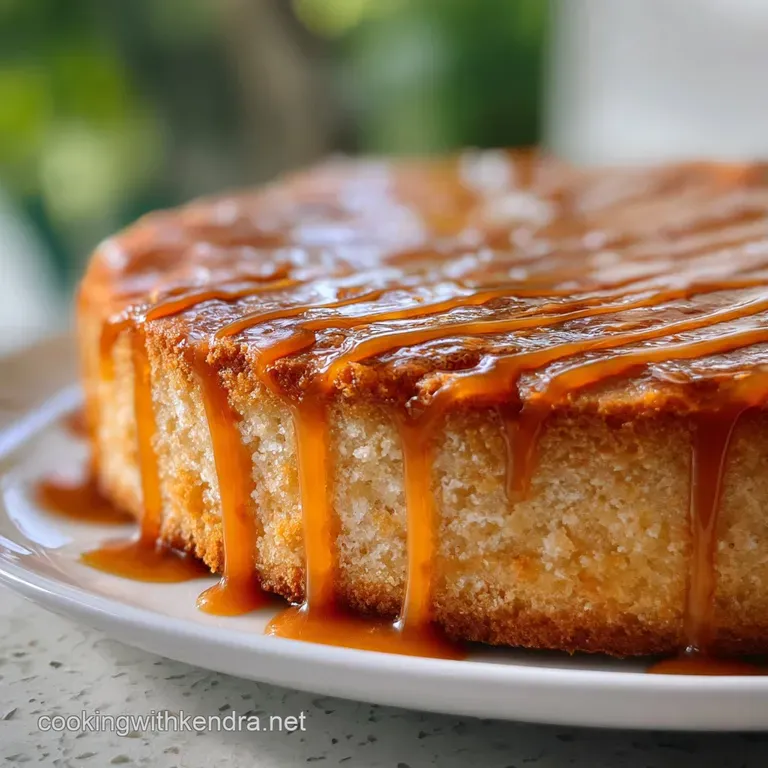
- Divide and bake. Pour the batter into the prepared pans and bake for 35 minutes until a toothpick comes out with just a few moist crumbs.
- Cool completely. Let the cakes rest in the pans for 10 minutes, then invert onto a wire rack.
- Prepare the frosting. Beat the remaining butter and dulce de leche until velvety and light, then slowly add powdered sugar and cream.
- Assemble the masterpiece. Place one layer down, spread a thick layer of frosting, top with the second layer, and coat the entire cake. Finish with a generous sprinkle of flaky salt.
For a lighter, fruitier alternative during summer, the Strawberry Swiss Roll Cake recipe is a total winner. But when the leaves start falling or you just need a serious hit of comfort, this dulce de leche version is the only way to go.
Navigating Common Roadblocks for a Flawless Sponge
One of the most common issues I hear about is the cake sinking in the middle. Usually, this happens because the oven door was opened too early or the leavening agents were old. Always check the expiration date on your baking powder; if it's over six months old, just toss it and get a fresh tin.
It's the cheapest insurance policy for your baking.
Another thing to watch for is the frosting "breaking" or looking curdled. This usually happens if your butter was too cold or you added the heavy cream too quickly. If it looks grainy, don't panic.
Just keep beating it on high speed; the friction will warm the fats slightly and help them smooth back out into that velvety texture we're after.
Why Your Sponge Is Too Dense
If your cake feels more like a muffin than a light sponge, you likely overmixed the batter once the flour was added. Overmixing develops the gluten, which is great for bread but terrible for this recipe. Stop the mixer the second you see the last streak of white flour disappear.
| Problem | Root Cause | Solution |
|---|---|---|
| Cake Sinks | Underbaked or too much leavening | Bake until 210°F internal temp or reduce soda by 1/8 tsp |
| Graining Frosting | Temperature shock | Warm the bowl slightly with a hairdryer while mixing |
| Dry Crumb | Overbaking | Start checking doneness 5 mins before the timer ends |
Common Mistakes Checklist
- ✓ Ensure eggs and buttermilk are truly room temperature (leave them out for 60 mins).
- ✓ Weigh your flour if possible; "packing" a measuring cup can add 20% more flour than needed.
- ✓ Don't skip the parchment paper; caramel based batters are notoriously sticky.
- ✓ Let the cake cool 100% before frosting, or you'll end up with a puddle of melted butter.
- ✓ Use a serrated knife to level the cakes if they have a slight dome for a cleaner look.
Exploring Flavor Adaptations and Simple Pantry Swaps
If you're looking for a change of pace, you can easily turn this into a "Tres Leches" style treat. Simply bake the cake in a 9x13 pan, poke holes all over the top while it's warm, and pour over a mixture of evaporated milk, condensed milk, and dulce de leche. Let it soak overnight in the fridge.
It becomes an authentic tres leches cake that will absolutely stop the show at any party.
Another fun twist is the Brazilian "Bem Casado" style. Instead of a large cake, bake thin layers and sandwich them with extra dulce de leche and a dusting of powdered sugar. It’s a bit more work, but the presentation is ethereal.
You can also add a tablespoon of dark rum to the batter for a boozy kick that pairs beautifully with the toasted milk flavors.
Adjusting the Scale
- For a Half Batch (6 servings): Use a 6 inch pan and reduce the bake time to about 28 minutes. For the 1.5 eggs, beat two eggs and use exactly 3 tablespoons of the mixture.
- For a Large Party (Double Batch): Bake in four 8 inch pans or two 9x13 pans. Do not simply double the salt; use 1.5x the salt amount to prevent it from becoming too savory.
- Cupcake Version: This batter makes about 24 cupcakes. Bake at 350°F for 18 to 22 minutes.
| Original Ingredient | Substitute | Why It Works |
|---|---|---|
| Whole Buttermilk | Plain Yogurt (thinned) | Provides the same acidity. Note: Resulting crumb is slightly denser |
| Vanilla Bean Paste | Bourbon | Complements the caramel notes beautifully |
| All purpose Flour | Cake Flour | Creates an even finer, more delicate crumb structure |
Smart Guidelines for Preserving That Silky Texture
This cake is surprisingly hardy. You can keep it on the counter under a cake dome for about 2 days. Because of the high sugar and fat content in the dulce de leche cake filling, it doesn't stale as quickly as a standard sponge.
If you need it to last longer, pop it in the fridge for up to 5 days, but make sure to bring it back to room temperature before serving. Cold butter based cakes can feel hard and dry, but they soften up beautifully after 30 minutes on the counter.
For freezing, I recommend freezing the individual layers before frosting them. Wrap them twice in plastic wrap and once in foil. They'll stay perfect for up to 3 months. To thaw, leave them in the fridge overnight. If you have leftover dulce de leche from the can, don't let it go to waste!
Stir it into your morning coffee or drizzle it over some vanilla bean ice cream.
Harmonious Pairings to Accentuate the Deep Caramel
While this cake is a star on its own, I love serving it with a side of tart raspberries or sliced strawberries to cut through the richness. The acidity of the fruit balances the deep, toasted milk flavors of the sponge.
If you're feeling extra indulgent, a dollop of unsweetened whipped cream provides a nice textural contrast to the dense, velvety crumb.
For drinks, a strong cup of black coffee is the classic choice. The bitterness of the roast highlights the sweet salty notes in the frosting. If you're serving this for an evening gathering, a glass of tawny port or a nutty sherry works wonders.
The dark fruit and nut notes in the wine act as a bridge to the caramelized sugar in the cake.
Truths About Caramel Baking
It's a common misconception that you need to make your own dulce de leche from scratch for a cake to be "authentic." In reality, many professional bakeries in South America use high-quality commercial brands because the consistency is much more reliable for baking.
Homemade versions can vary in moisture content, which can throw off the chemistry of your batter.
Another myth is that you can't overbeat the frosting. Once you add the powdered sugar, you want to be careful. Beating it for too long at a high speed can incorporate too many air bubbles, making it difficult to get that perfectly smooth, "spatula swirl" finish on the outside of your cake.
Stick to medium speed once the sugar is in.
Finally,, don't worry if your batter looks slightly curdled after adding the eggs. This often happens when the temperatures aren't perfectly matched. Once you fold in the flour, the mixture will pull itself back together into a gorgeous, smooth ribbon.
Trust the process, and you'll be rewarded with the best dulce de leche cake recipe you've ever tasted. Enjoy every single bite you've earned it!
Recipe FAQs
What is a dulce de leche cake?
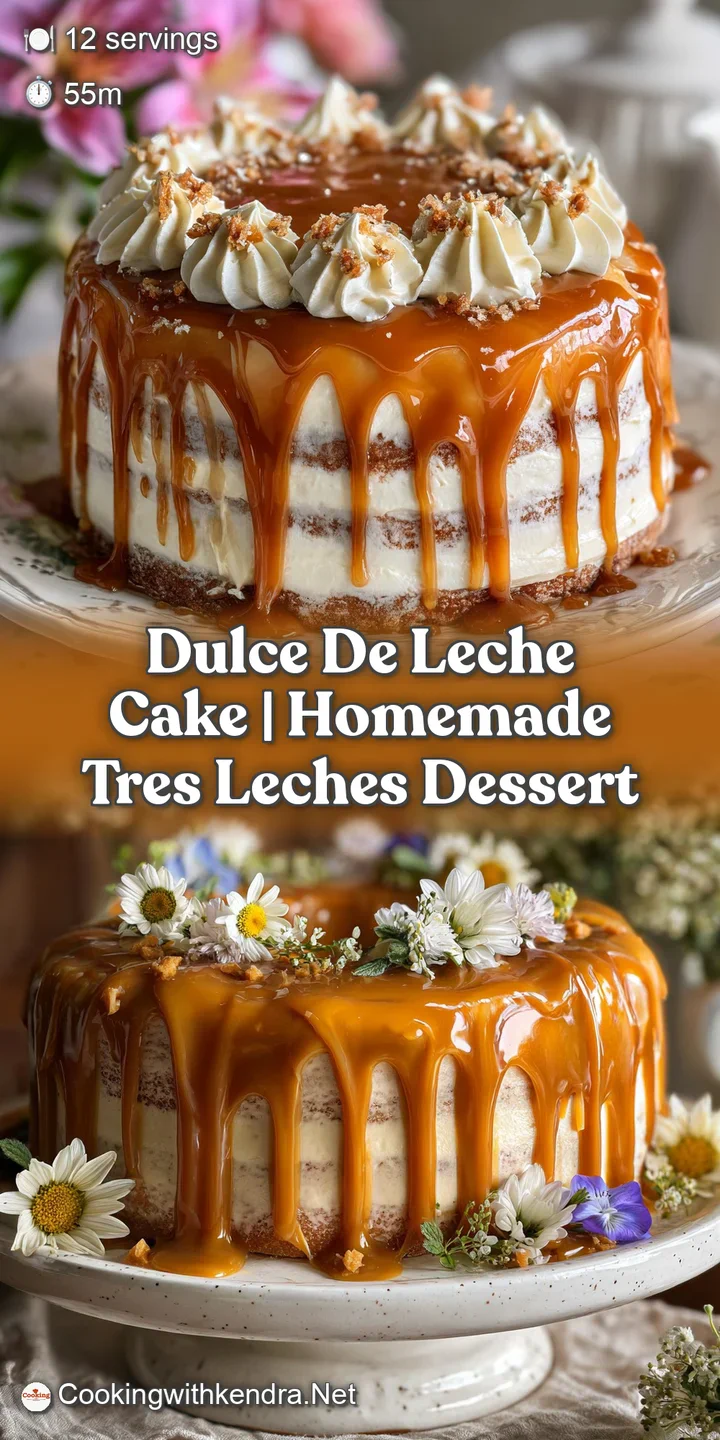
Yes, it's a rich, caramel infused cake. This cake features layers infused with dulce de leche, a confection made by slowly simmering sweetened milk until it caramelizes. It results in a deeply flavorful, moist, and tender crumb with a distinct toasted milk sweetness.
What is the difference between tres leches and dulce de leche cake?
They are distinct, though related. Tres leches cake is soaked in a mixture of three milks (evaporated, condensed, and heavy cream), giving it a very moist, pudding like texture.
Dulce de leche cake incorporates the caramelized milk confection directly into the batter and frosting for a rich caramel flavor, rather than soaking the cake in milk.
What is the flavor of dulce de leche?
It's a deep, toasted caramel with milky undertones. Think of it as a richer, less sharp version of caramel, with a distinct cooked milk flavor that is nutty, buttery, and intensely sweet.
What is the secret to making good dulce de leche?
Patience and low, slow heat are key. The primary secret is allowing the sugars in the milk to caramelize gradually without burning, which requires consistent, gentle heat and minimal stirring in the early stages. If you enjoyed controlling the sweetness balance here, see how that same principle applies to our Aunt Millies Decadent Southern Pecan Praline Cake with Butter Sauce.
Can I use a gluten-free flour blend for this cake?
Yes, a 1:1 gluten-free baking flour will work. Ensure your blend contains xanthan gum for structure, similar to how gluten provides structure in a traditional cake. The texture might be slightly different, but the caramel flavor will still shine through beautifully.
How do I prevent my dulce de leche cake from sinking in the middle?
Ensure your leavening agents are fresh and the oven temperature is accurate. Old baking powder or soda can lose their potency, leading to poor rise. Also, avoid opening the oven door too early during baking, as a sudden temperature drop can cause the cake to collapse.
What's the best way to store leftover dulce de leche cake?
Store it airtight at room temperature for up to 2 days, or refrigerated for up to 5. The high sugar and fat content from the dulce de leche helps preserve moisture, so it stays remarkably fresh. For longer storage, wrap layers tightly and freeze for up to 3 months.
Dulce De Leche Cake
Ingredients:
Instructions:
Nutrition Facts:
| Calories | 674 kcal |
|---|---|
| Protein | 7.8 g |
| Fat | 39.3 g |
| Carbs | 74.1 g |
| Fiber | 0.7 g |
| Sugar | 54.8 g |
| Sodium | 265 mg |
