Easy Cheese Pasta: Stovetop Velvety Sauce
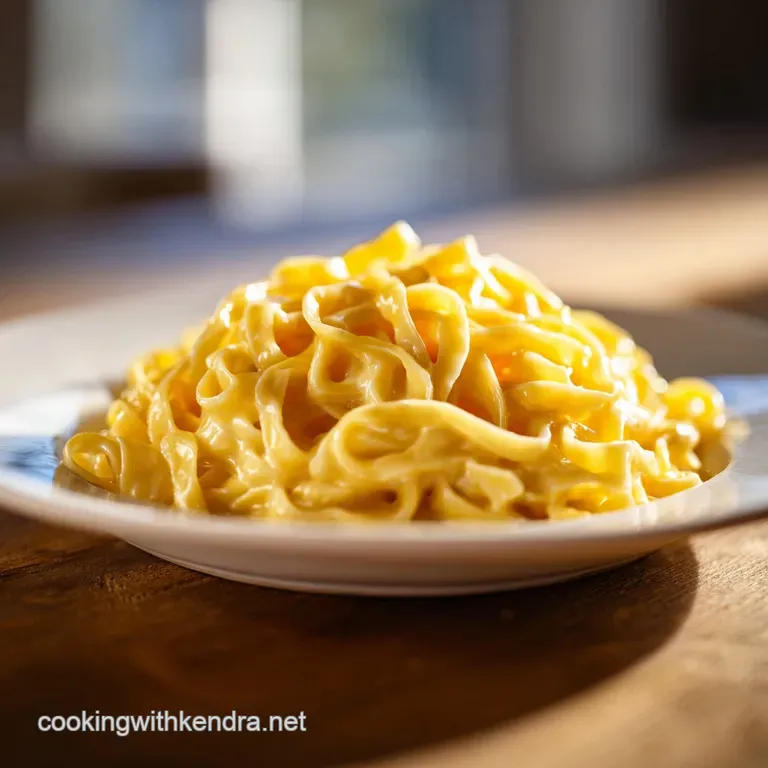
- Time: Active 5 minutes, Passive 10 minutes, Total 15 minutes
- Flavor/Texture Hook: Velvety, sharp cheddar richness with a gooey mozzarella pull
- Perfect for: Exhausted weeknights, last minute toddler meals, or beginner cooks
- Making the Best Easy Cheese Pasta
- The Magic of One Pot Comfort
- Component Analysis for Maximum Flavor
- Essential Elements for Liquid Gold
- Minimal Gear for Maximum Flavor
- Simple Steps for Velvety Results
- Fixes for Common Pasta Problems
- Creative Twists and Flavor Variations
- Storage and Reheating Done Right
- What to Serve With Pasta
- Very High in Sodium
- Recipe FAQs
- 📝 Recipe Card
Making the Best Easy Cheese Pasta
The sound of a wooden spoon swirling through a pot of heavy, cheese coated rigatoni is my favorite kind of white noise. I vividly remember one rainy Tuesday after a grueling shift when the fridge was nearly empty, and my patience was thinner than a sheet of parchment paper.
I didn't want a "project" meal; I wanted a warm hug in a bowl that didn't involve a powdered orange packet.
This recipe was born from that desperation, and it’s been a staple in my kitchen ever since. It’s the kind of meal where you stand over the stove, catching the steam rising from the pot, smelling that sharp, tangy cheddar as it melts into the cream cheese.
There is something fundamentally grounding about the way the noodles clink against the side of the pot before they are silenced by a thick, velvety coating of liquid gold.
We aren't just making dinner here; we are building a reliable safety net for those days when life feels a bit too loud. You’ll find that the mozzarella provides that iconic stretch, while the sharp cheddar brings the punch, and the cream cheese acts as the peacemaker, ensuring everything stays smooth.
It's fast, it’s reliable, and frankly, it's better than anything you'll find in a cardboard box.
The Magic of One Pot Comfort
When you are racing against the clock, you need a strategy that prioritizes efficiency without sacrificing that deep, savory satisfaction we crave from comfort food. This approach relies on high impact ingredients that do the heavy lifting for you.
We use the starch from the pasta water and the stability of cream cheese to create a professional grade emulsion in minutes.
The Cream Cheese Emulsion Hack
Cream cheese acts as a stabilizer because of its high fat and moisture content combined with gums like carob bean gum. It prevents the more temperamental cheeses, like extra sharp cheddar, from breaking into an oily, grainy mess when they hit the heat.
This ensures your sauce stays cohesive and glossy even if you aren't a master of the classic French roux.
| Method | Time | Texture | Best For |
|---|---|---|---|
| Fast Stovetop | 15 minutes | Silky and glossy | Busy weeknights |
| Classic Baked | 45 minutes | Crispy top, dense | Sunday family dinners |
| Slow Cooker | 3 hours | Ultra soft noodles | Hands off meal prep |
Choosing the stovetop method is all about the "fast vs classic" debate. While a baked mac has its place, the stovetop version allows for better control over the moisture levels. You can keep adding splashes of milk or pasta water until the texture is exactly where you want it clinging to every ridge of your cavatappi.
Component Analysis for Maximum Flavor
Understanding what each element brings to the pot helps you become a more intuitive cook. You aren't just tossing things in; you are layering textures and flavors to reach that savory peak.
| Ingredient | Science Role | Pro Secret |
|---|---|---|
| Cream Cheese | Emulsifier / Stabilizer | Use full fat for the most velvety finish |
| Pasta Water | Starch Binder | Salt it heavily; it's the "glue" for the sauce |
| Sharp Cheddar | Flavor Anchor | Grate it yourself to avoid anti clumping starches |
| Mozzarella | Elasticity Provider | Low moisture blocks melt better than fresh balls |
The starch in the pasta water is a silent hero in this Easy Cheese Pasta. When you boil 1 lb (450g) of short pasta, the water becomes cloudy with amylose molecules. When whisked into your cheese, these molecules physically prevent the fat droplets from merging, which is the secret to avoiding a "broken" sauce.
Essential Elements for Liquid Gold
Every ingredient here has a job to do. I’ve learned the hard way that skimping on the quality of the cheddar or using pre shredded cheese can lead to a gritty experience that no amount of stirring can fix.
- 1 lb (450g) short pasta: Cavatappi or Rigatoni are best for catching sauce. Why this? Ridges and hollow centers trap the cheese sauce inside every bite.
- 2 tbsp sea salt: For the boiling water. Why this? This is your only chance to season the actual pasta dough.
- 4 oz (115g) full fat cream cheese: Cubed for even melting. Why this? Provides the creamy base without needing a flour based roux.
- 1.5 cups extra sharp cheddar: Freshly grated. Why this? Provides the "bite" and deep orange color we expect.
- 0.5 cup low moisture mozzarella: Shredded. Why this? This gives you that satisfying, gooey cheese pull.
- 0.5 cup Parmigiano Reggiano: Finely grated. Why this? Adds a salty, nutty umami depth that rounds out the sweetness.
- 0.5 cup whole milk: Room temperature is best. Why this? Thins the sauce to the desired velvety consistency.
- 2 tbsp unsalted butter: Adds a silky sheen.
- 0.5 tsp garlic powder & 0.25 tsp smoked paprika: For subtle warmth and depth.
- Freshly cracked black pepper: To taste.
| Original Ingredient | Substitute | Why It Works |
|---|---|---|
| Extra Sharp Cheddar | Gruyère | Melts beautifully with a sophisticated, nutty profile |
| Whole Milk | Heavy Cream | Creates a much richer, more decadent "restaurant" feel |
| Cavatappi | gluten-free Fusilli | Corn/brown rice blends hold shape well against thick sauces |
If you find yourself wanting to experiment with the base, you might consider trying a Cottage Cheese Alfredo recipe for a different high protein spin on creamy pasta. Both rely on unconventional dairy to skip the heavy flour and butter steps.
Minimal Gear for Maximum Flavor
You don't need a kitchen full of gadgets to pull this off. In fact, using fewer tools often leads to better results because you stay focused on the heat and the texture of the sauce.
- Large Heavy Bottomed Pot: A 6 quart Dutch oven is ideal. It holds heat consistently, which prevents the cheese from seizing when you turn the flame down.
- Box Grater: Avoid the pre shredded bags at all costs. They are coated in potato starch or cellulose to prevent sticking in the bag, but that same coating prevents them from melting smoothly into your sauce.
- Wooden Spoon or Heat Resistant Spatula: Essential for scraping the bottom of the pot to ensure no cheese burns.
- Colander: For draining, though you'll want to snag that cup of pasta water first.
Chef's Tip: Put your cheese in the freezer for 10 minutes before grating. This firms up the fats and makes the mozzarella much easier to shred without it smushing into the grater.
Simple Steps for Velvety Results
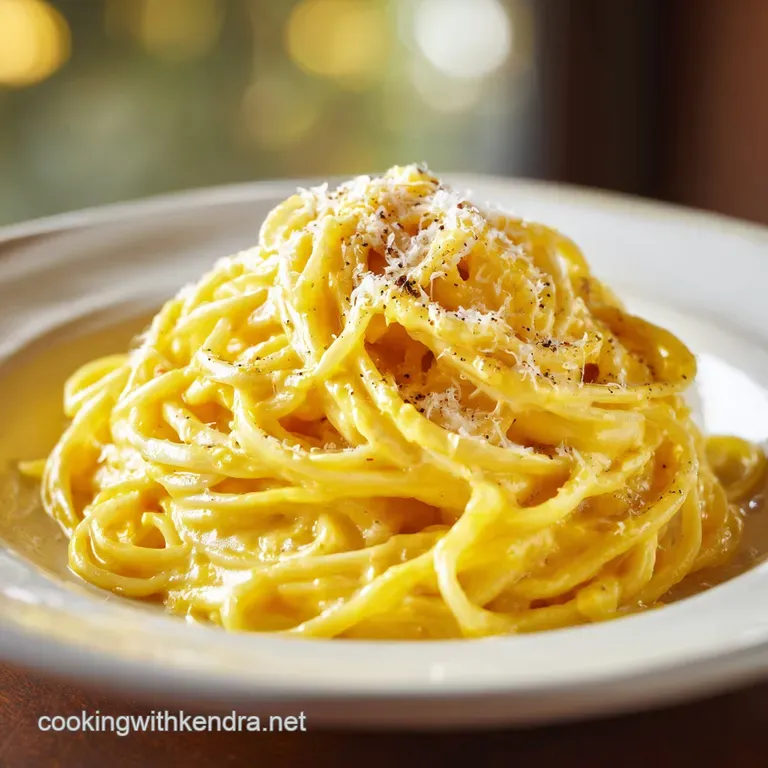
Follow these steps closely, especially the temperature cues. Cheese is delicate; treat it with a little bit of gentleness, and it will reward you with a flawless texture.
1. The Al Dente Foundation
Boil your 1 lb (450g) of pasta in heavily salted water until it is slightly firmer than you want to eat it. This usually takes about 8 to 9 minutes. Note: The pasta will continue to soften once it hits the warm cheese sauce.
2. Building the Emulsion Base
Before draining, dip a measuring cup into the pot and reserve 1 cup of that cloudy pasta water. Drain the rest of the pasta and set it aside. In the same hot pot, turn the heat to low and add 2 tbsp butter and 4 oz (115g) cubed cream cheese.
3. The Cheese Integration
Whisk in 0.5 cup whole milk, the garlic powder, and smoked paprika. Stir until the cream cheese has completely vanished into a smooth liquid. This is your stabilizer base.
4. The Final Velvet Toss
Add the cooked pasta back into the pot. Slowly fold in the 1.5 cups cheddar, 0.5 cup mozzarella, and 0.5 cup Parmigiano Reggiano. Add the reserved pasta water 1/4 cup at a time until the cheese is melted and clinging to the noodles.
5. The Finishing Touch
Turn off the heat entirely. The residual heat will finish the job. Grind fresh black pepper over the top and stir one last time until the sauce looks glossy and thick.
If you're looking for another way to use up leftover pasta or want a more structured dish, our Spaghetti Pie recipe is a fantastic next step for fans of cheesy comfort.
Fixes for Common Pasta Problems
Even the most experienced home cooks run into a "broken" sauce now and then. The key is knowing how to react before the cheese reaches the point of no return.
To Fix a Grainy Sauce
Graininess happens when the protein in the cheese clumps together because the heat was too high. It's the most common heartbreak in the kitchen. To fix it, remove the pot from the heat immediately and whisk in a tablespoon of cold milk or a tiny squeeze of lemon juice.
The acid or the temperature drop can sometimes coax the proteins back into a smooth state.
To Prevent the "Cheese Clump"
If your mozzarella is forming one giant ball in the center of the pot, you likely added it too fast or the pasta wasn't wet enough. Always ensure there is enough "lubricant" (milk or pasta water) in the pot before the solid cheese goes in.
| Problem | Root Cause | Solution |
|---|---|---|
| Oily Separation | Heat was too high | Add a splash of cold milk and whisk off heat |
| Dry/Sticky Pasta | Not enough starch water | Add reserved water 1 tbsp at a time |
| Bland Flavor | Under salted water | Add a pinch of salt and extra Parmigiano |
Common Mistakes Checklist
- ✓ Don't skip the pasta water: It’s the difference between a dry bowl and a silky one.
- ✓ Grate your own cheese: Pre shredded cheese contains anti caking agents that ruin the texture.
- ✓ Keep the heat low: High heat is the enemy of a smooth cheese sauce.
- ✓ Warm your milk: Adding ice cold milk to a warm pot can cause the sauce to seize.
- ✓ Time the pasta perfectly: Overcooked noodles will fall apart when you start folding in the heavy cheese.
Creative Twists and Flavor Variations
Once you have the base down, you can start playing with the profile. This Easy Cheese Pasta is a canvas for whatever is lingering in your pantry.
For an Easy Mozzarella Cheese Pasta Bake
If you have an extra 15 minutes, transfer the finished pasta to a baking dish. Top it with an extra handful of mozzarella and some Panko breadcrumbs tossed in melted butter. Broil for 3 to 5 minutes until the top is golden and crackling.
For a Zesty Kick
Stir in 1 tbsp of Dijon mustard or a few dashes of your favorite hot sauce. The acidity cuts through the heavy fats of the cheddar and cream cheese, making the whole dish feel lighter and more complex. You could also add some sautéed jalapeños for a "popper" style flavor.
The Veggie Boost
Fold in two cups of fresh baby spinach at the very end. The heat from the pasta will wilt it in about 30 seconds. It adds color and a bit of iron without requiring any extra pans or prep time.
Storage and Reheating Done Right
Cheese pasta is notorious for turning into a solid brick in the fridge. This happens because the starches continue to absorb moisture as they sit.
Storage: Keep leftovers in an airtight container in the fridge for up to 4 days. I don't recommend freezing this specific recipe, as the cream cheese and milk can separate and become grainy when thawed.
Reheating: Never use the microwave on high power; it will turn your sauce into oil. Instead, put the pasta in a small saucepan with 2 tablespoons of milk. Heat it over low flame, stirring constantly, until the sauce relaxes and becomes creamy again.
If you must use a microwave, use 50% power and stir every 30 seconds.
Zero Waste Tip: If you have leftover cheese nubs that are too small to grate, throw them into a freezer bag. Once you have a cup's worth, chop them finely and use them as a "house blend" for your next batch of pasta.
What to Serve With Pasta
Since this dish is quite rich, you want sides that provide a crisp, acidic contrast. A simple green salad with a sharp vinaigrette is the classic choice, but there are other ways to round out the meal.
- Roasted Broccoli: Toss florets with olive oil and lemon juice, then roast at 200°C until the edges are charred. The bitterness of the char pairs perfectly with the creamy cheddar.
- Garlic Bread: Use the remaining butter and garlic powder from the recipe to make a quick spread for a baguette.
- Sliced Apples: It sounds strange, but tart Granny Smith apple slices are a traditional pairing with sharp cheddar and provide a refreshing crunch between bites.
This recipe is proof that you don't need a massive grocery list or a degree in culinary arts to make something that feels special. It's about respecting the ingredients grating the cheese yourself, saving that starchy water, and keeping the heat low.
Once you take that first bite of velvety, perfectly seasoned pasta, you'll realize that the best meals are often the simplest ones. Right then, let's get that water boiling!

Very High in Sodium
845 mg 845mg of sodium per serving (37% 37% of daily value)
The American Heart Association recommends limiting sodium intake to about 2,300mg per day.
Tips to Reduce Sodium in Your Mac & Cheese:
-
Low-Sodium Cheese Blend-20%
Replace the extra sharp cheddar, mozzarella, and Parmigiano Reggiano with low-sodium or reduced sodium versions. These cheeses often contain significantly less sodium without sacrificing much flavor.
-
Reduce Added Salt-15%
Omit the 2 tbsp of sea salt from the pasta water and try to use only 1 tbsp. The cheeses already contribute a significant amount of sodium.
-
Consider Low-Sodium Milk-10%
Some milk options contain added sodium. Check the nutritional information for your regular milk, or swap for a brand that has no added sodium ingredients or less sodium overall.
-
Salted to Unsalted Butter-5%
Double check that you are using unsalted butter as specified in the recipe. This can make a small, but important, difference.
-
Flavor with Herbs & Spices
Enhance the flavor with sodium free herbs and spices like onion powder, freshly ground black pepper, or a pinch of nutmeg to compensate for the reduced salt.
Recipe FAQs
How to make a simple cheesy pasta?
Cook pasta until slightly underdone (al dente) while reserving the starchy cooking water. Melt cream cheese and milk over low heat with seasonings until smooth, then slowly whisk in the shredded cheddar and mozzarella, adding reserved pasta water tablespoon by tablespoon to create a velvety emulsion
that clings perfectly to the noodles.
How to make melty cheese pasta?
Use low-moisture cheeses combined with a high fat stabilizer like cream cheese. The cream cheese acts as an emulsifier, preventing the other cheeses from separating when heated. Ensure your heat is very low when incorporating the shredded cheese to achieve that signature glossy melt.
What cheese goes well with pasta?
Use a blend for the best texture and flavor profile. Sharp cheddar provides the necessary tang, while mozzarella delivers the classic gooey stretch, and Parmigiano Reggiano adds a salty, nutty depth.
Always grate your hard cheeses fresh to avoid texture issues from anti caking agents found in pre-shredded bags.
What dish can I make with pasta and cheese?
The most accessible dish is a Stovetop Creamy Cheese Pasta made in under 20 minutes. This method relies on the starch from the pasta water to bind the fat, creating a rich sauce without a traditional roux. If you master this technique, you can adapt the skill to richer dishes like our Chicken Pasta Creamy recipe.
Is it true you must use a roux (flour and butter) for a stable cheese sauce?
No, this is a common misconception for quick sauces. For this easy version, we substitute the roux by relying on the high fat and emulsifying properties of cream cheese combined with the starch released into the pasta cooking water.
This saves significant time while maintaining excellent sauce stability.
How do I prevent my cheese sauce from becoming grainy?
Remove the pot from the heat before adding the final cheese blend. Graininess occurs when cheese proteins seize due to excessive heat. If it happens, immediately whisk in a splash of cold milk or a tiny squeeze of lemon juice to shock the sauce back into a cohesive, smooth emulsion.
Can I add other ingredients to this easy cheese pasta?
Yes, add savory or acidic components at the very end. Fold in cooked, shredded chicken or sautéed vegetables like broccoli or spinach after the sauce is smooth. For acidity, a dash of mustard or hot sauce cuts through the richness beautifully; this flavor balancing concept is also key in our Nutty & Nice recipe.
Easy Cheese Pasta In 15 Minutes
Ingredients:
Instructions:
Nutrition Facts:
| Calories | 827 kcal |
|---|---|
| Protein | 33.5 g |
| Fat | 36.5 g |
| Carbs | 89.4 g |
| Fiber | 3.5 g |
| Sugar | 4.2 g |
| Sodium | 845 mg |
