Proper Homemade Chicken Chow Mein Faster Than Delivery
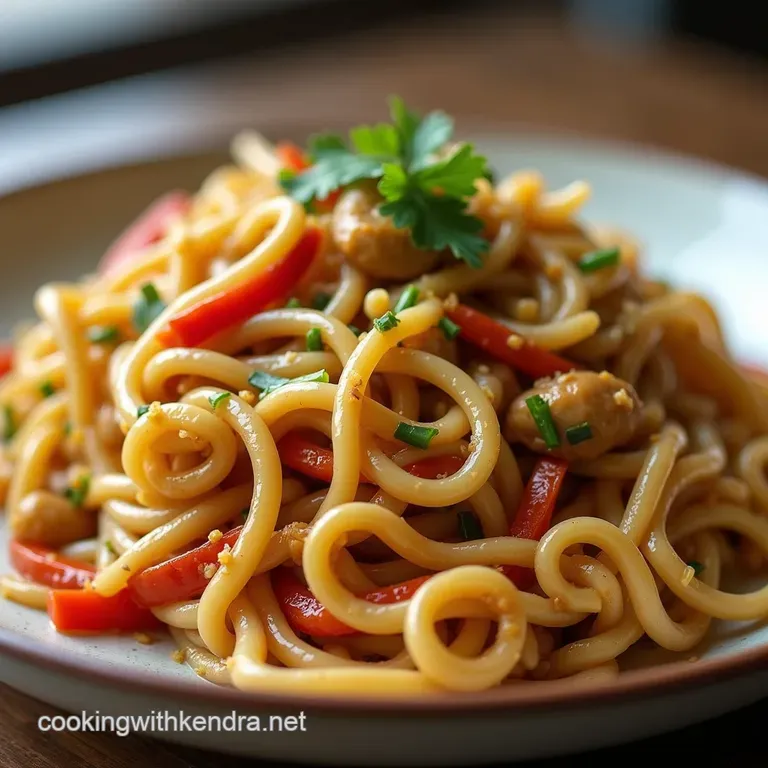
- Ditching Takeout: Your Quest for Authentic Chicken Chow Mein Ends Here
- The 'Wok Hei' Illusion: Capturing Street Food Flavour in a Home Pan
- Sourcing the Components: Everything Required for Superior Chicken Chow Mein
- Mastering the Savoury-Sweet Sauce Profile
- The Step-by-Step Assembly: From Prep to Plating Perfection
- Techniques for High-Heat Cooking Without a Wok
- Troubleshooting Common Chow Mein Hurdles
- Customizing Your Chicken Chow Mein: Variations and Upgrades
- Recipe FAQs
- 📝 Recipe Card
Ditching Takeout: Your Quest for Authentic Chicken Chow Mein Ends Here
There is something undeniably comforting about a steaming bowl of noodles coated in a dark, savoury sauce, studded with crisp vegetables and tender meat. For many of us, that comfort food comes wrapped in slightly greasy paper from the local Chinese takeaway.
But what if I told you that the authentic, flavour packed experience of Chicken Chow Mein is entirely within reach, requiring only 40 minutes of your evening?
This Chicken Chow Mein Recipe is designed not just to replicate that familiar taste, but to surpass it, achieving that elusive balance of texture and deep umami flavour that defines great Asian Chicken Dishes .
We are moving beyond the simple, often oversaturated versions and diving deep into the techniques that make truly great Chinese Chicken Recipes .
The 'Wok Hei' Illusion: Capturing Street Food Flavour in a Home Pan
The holy grail of stir fry cooking is wok hei —the smoky, charred essence imparted by intense, controlled heat only truly achieved in a professional wok over powerful burners.
While your domestic stovetop might not mimic a street vendor’s setup, we can certainly capture the spirit of that flavour. The secret lies in the preparation, the searing temperature, and ensuring we never overcrowd the pan.
This approach transforms what could be a soggy mess into a high energy, dynamic Chicken Dinner Recipe .
Why This Homemade Version Outshines the Usual Suspects
The primary downfall of many restaurant versions is quantity over quality; they use cheaper cuts or rely too heavily on salt and sugar to mask shortcomings. Our Homemade Chicken Chow Mein prioritizes textural contrast.
We marinate the chicken using cornflour, which creates a velvety exterior that seals in moisture, ensuring the meat stays tender even under high heat. On top of that,, by controlling the sauce application, we guarantee a glossy sheen rather than a pool of liquid at the bottom of the bowl.
Setting Expectations: What Makes a Truly Proper Chow Mein?
Before we proceed, it’s helpful to distinguish between similar dishes. Many people confuse this recipe with its soupy cousin. Understanding the difference between Chow Mein vs Lo Mein is key: Chow Mein (literally "fried noodles") implies noodles that are par-boiled and then tossed/fried until they achieve some slight crispness or chew.
Lo Mein (literally "tossed noodles") involves softer noodles coated in sauce, usually without the searing stage. Our focus today is firmly on the properly fried, textured Chow Mein style.
The Essential Foundation: Choosing the Right Noodles for the Job
The backbone of any great stir fry is the noodle itself. For an authentic experience, seek out dried egg noodles specifically labelled "Chow Mein noodles." These have the perfect alkaline content and structure to hold up to high heat frying without dissolving.
If you are in a pinch, high-quality dried spaghetti or linguine can serve as a functional substitute, but ensure you cook them only to al dente —they will continue cooking in the final toss.
Crucially, immediately after draining these noodles, give them a brief rinse under cold water and toss with a teaspoon of oil to prevent them from clumping into an impenetrable starch ball.
Sourcing the Components: Everything Required for Superior Chicken Chow Mein
A successful 40-minute meal hinges entirely on preparation. Stir frying moves too quickly to pause and chop an onion halfway through. Therefore, mastering your mise en place —having everything chopped, measured, and ready is half the battle won.
We need components for the marinade, the sauce, the aromatics, the body vegetables, and the final garnish.
Mastering the Savoury Sweet Sauce Profile
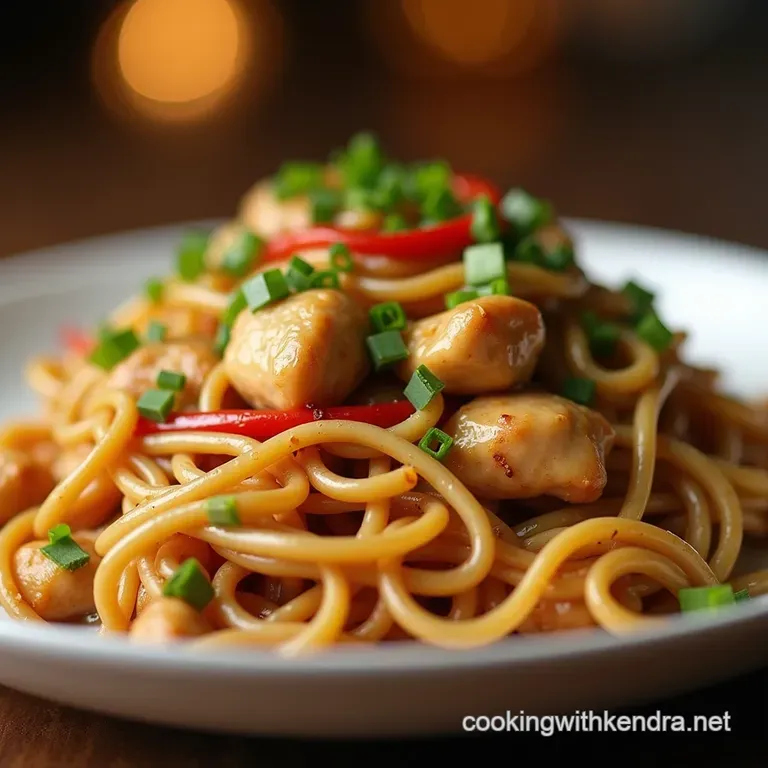
The Chicken Chow Mein Sauce is the unifying element of this dish, balancing salinity, sweetness, and depth. It’s not just soy sauce; it’s a carefully calibrated mixture.
We utilize both light soy sauce for pure saltiness and dark soy sauce specifically for its deeper colour and molasses like undertones. The inclusion of oyster sauce adds essential umami complexity, while a tiny bit of sugar ensures the saltiness doesn't become overpowering.
The Chicken Prep: Marinating for Maximum Tenderness
For 1 pound of boneless, skinless chicken (thighs are preferable for moisture insurance, though breast works well), we employ a classic velveting technique. We combine the chicken slices with 1 tablespoon of light soy sauce, 1 teaspoon of sesame oil, and the star ingredient: 1 teaspoon of cornflour (corn starch).
This small layer of starch protects the muscle fibres from the intense heat, resulting in beautifully smooth and succulent pieces a hallmark of quality Chinese Chicken Recipes . Let this sit while you prep the other elements.
Vegetable Selection: Beyond the Usual Cabbage Mix
While cabbage forms the bulk and texture base for many versions, a truly excellent bowl needs contrast. We include thinly sliced onion, julienned carrots for sweetness and bite, and celery stalks for an aromatic crunch.
The very last addition should always be a cup of fresh bean sprouts, added for their refreshing snap, and spring onions, which provide a sharp, fresh lift just before serving.
Quick Guide to Assembling Your Ingredient Mise en Place
To streamline the cooking process, ensure you have three distinct groups ready to go: 1) The marinated chicken, drained slightly if excess liquid pooled. 2) A bowl containing all the sauce elements whisked together until smooth.
3) A platter holding all your pre-chopped vegetables, separated by cooking time (harder vegetables like carrots first, softer ones like cabbage later).
Must Have Pantry Items for That Umami Punch
Beyond basic soy sauce, ensure you have access to good quality oyster sauce it’s irreplaceable for that deep, savoury marine note. If oyster sauce is off the table for dietary reasons, mushroom ketchup or a high-quality vegetarian stir fry sauce can substitute, though the flavour profile will shift slightly.
Shaoxing rice wine adds aromatic authenticity, lending complexity that plain water or stock cannot match.
Related Recipes Worth Trying
- Easy Crock Pot Mississippi Chicken ForkTender Weeknight Meal — This Mississippi Chicken Slow Cooker recipe is foolproof Enjoy tangy rich fallapart chicken perfect for weeknight dinners or Mississippi Chicken Sandwiches...
- The Ultimate Creamy Chicken Spinach and Mushroom Tortellini Soup — Whip up this ridiculously creamy chicken spinach and mushroom tortellini soupa weeknight dinner soup that tastes like it simmered all day So comforting
- Instant Pot Creamy Tuscan Chicken Pasta Ready in 25 Mins — Make the ultimate Instant Pot Creamy Tuscan Chicken Pasta tonight This easy Instant Pot recipe delivers rich restaurantquality comfort food fast Get the...
The step-by-step Assembly: From Prep to Plating Perfection
With all components staged, the actual cooking becomes a rapid, sequential performance. High heat is the constant theme. We are searing, not steaming.
Techniques for High Heat Cooking Without a Wok
If you don't own a dedicated wok, don't despair. Use the largest, heaviest bottomed skillet or frying pan you possess. The key here is patience while waiting for the pan to reach smoking hot temperature.
First Stage Frying: Cooking the Chicken Just Right
Heat 1 tablespoon of your chosen oil (peanut or vegetable oil is best as they have high smoke points) until it is shimmering hot it should almost look watery. Add the marinated chicken in a single layer. Do not stir for 90 seconds; allow a good sear to form.
Then, toss and cook until golden brown and fully opaque. Remove the chicken immediately and set it aside. This prevents overcooking while the vegetables are handled.
Noodle Conditioning: Avoiding Clumped Carbs
While the chicken cooks, ensure your par-boiled noodles have been thoroughly drained and rinsed with cold water to halt residual cooking. A light coating of neutral oil prevents them from sticking together in one large mass when they hit the hot pan later.
Integrating the Vegetables: When to Add Each Item
Return the pan to high heat, adding the remaining oil. Throw in the minced garlic and grated ginger these aromatics need only 30 seconds to release their perfume before they burn. Next go the harder vegetables (onions, carrots, celery).
Stir fry vigorously for about two minutes until they show signs of tenderizing but retain a good snap. Follow immediately with the shredded cabbage, cooking only until it just begins to wilt.
The Grand Finale: Tossing Everything with the Sauce
Return the seared chicken to the pan. Quickly re-whisk your pre-made sauce to recombine the settled cornflour, then pour it evenly over the contents of the pan. Stir constantly; the sauce will thicken dramatically within 60 seconds, creating that beautiful, glossy coating.
Immediately add the cooked noodles and the fresh bean sprouts. Toss everything rapidly with tongs or two spatulas for 1- 2 minutes until the noodles are heated through and perfectly coated. Turn off the heat and stir through half of your sliced spring onions before plating high.
Troubleshooting Common Chow Mein Hurdles
If your noodles end up soft or swimming in liquid, you likely had one of two issues: either your pan temperature dropped too low when the sauce was added, causing the sauce to steam rather than rapidly thicken, or you added the noodles before the vegetables were sufficiently dry after the quick rinse.
High heat is the absolute antidote to sogginess in all Asian Chicken Dishes .
Customizing Your Chicken Chow Mein: Variations and Upgrades
This structure is incredibly versatile. You can effortlessly adapt this recipe based on what you have on hand.
Storage Secrets: Keeping Leftovers Fresh for Later Snacking
Any leftovers should be stored in an airtight container in the refrigerator for up to three days. When reheating, a quick 2-minute toss in a dry, very hot pan is better than the microwave, as it helps revive the noodle texture slightly.
If reheating in the microwave, add a tiny splash of water or stock before covering to reintroduce needed moisture.
Scaling the Recipe: Feeding a Crowd or Just Two?
This recipe comfortably serves four. If you need to double it, be extremely mindful of pan crowding. For larger batches, it is essential to cook the chicken in two separate batches and then cook the vegetables in two batches.
Only combine everything, including the noodles and sauce, for the final 1-2 minute toss to ensure even heat distribution.
Ingredient Swaps: gluten-free and Vegetable Forward Alternatives
For a fully vegetarian take, substitute the chicken with firm tofu, pressed and cubed, and swap the oyster sauce for a vegetarian mushroom based stir fry sauce. If you need a gluten-free profile, ensure you use Tamari instead of light soy sauce and confirm your egg noodles are rice based, as traditional egg noodles contain wheat.
Nutritional Snapshot: Understanding the Makings of This Meal
When prepared with lean chicken breast and minimal oil, this Chicken Dinner Recipe provides a fantastic balance of lean protein and complex carbohydrates, making it a substantially more balanced option than many deep fried takeaway alternatives.
While it remains a dish higher in sodium due to the necessary use of soy products, controlling the amount of oyster sauce used allows for good dietary management.
Recipe FAQs
How do I stop my Chicken Chow Mein noodles from becoming a big, gloopy mess?
That’s a classic kitchen nightmare! The trick is threefold: first, cook your noodles just shy of fully done (al dente). Second, drain them immediately and give them a quick rinse under cold water to halt the cooking process.
Finally, toss them lightly with a tiny bit of oil before they go into the wok to prevent them from clinging together while you sort out the other bits.
My stir fry doesn’t taste like the takeaway; what secret ingredient am I missing in my Chicken Chow Mein?
It’s usually down to a few key flavour boosters you might be skipping! Make absolutely sure you are using Shaoxing Rice Wine (or dry sherry as a backup) for depth, and use both light and dark soy sauce the dark one is crucial for that rich mahogany colour.
Also, ensure your wok is blazing hot so you get that lovely smoky "wok hei" flavour rather than just steaming the food.
Can I make this recipe ahead of time, or is Chicken Chow Mein best eaten straight away?
Honestly, this dish shouts "Eat me now!" because the noodles and vegetables lose their lovely crisp texture upon sitting. If you absolutely must prep ahead, cook the chicken and vegetables separately and store them chilled.
Reheat them on high heat first, then add the pre-cooked noodles and the sauce right at the end to toss together.
I’m trying to keep it lighter; what's the best way to lower the sodium/salt content in this Chicken Chow Mein?
Sodium is certainly the main culprit in most Chinese style sauces. To cut back, use low-sodium stock and low-sodium soy sauce, and reduce the amount of oyster sauce slightly. You can boost flavour instead with extra fresh garlic, ginger, and a splash of rice vinegar, which adds brightness without the saltiness.
I don’t have a wok; can I still achieve good results with a standard frying pan?
Absolutely, no worries! Just use the biggest, heaviest frying pan you possess cast iron is brilliant if you have one. The key difference is you must cook in smaller batches, especially the chicken and vegetables.
If you overcrowd a regular pan, the temperature plummets, and everything boils instead of stir frying nicely. Keep that heat high!
Easy Homemade Chicken Chow Mein
Ingredients:
Instructions:
Nutrition Facts:
| Calories | 2767 kcal |
|---|---|
| Protein | 30.2 g |
| Fat | 39.4 g |
| Carbs | 155.3 g |
| Fiber | 30.3 g |
| Sodium | 5609 mg |
