Utterly Moist Fruit Cocktail Traybake the Easy Pantry Cake
- Why This Fruit Cocktail Cake is Your New Dessert Go-To
- Gathering the Components for Our Sticky Traybake
- The Journey to Baking Brilliance: Step-by-Step Method
- Preparing the Essential Glaze and Finish
- Extending the Life of Your Fruit Cocktail Cake
- Troubleshooting and Variations on the Classic
- Recipe FAQs
- 📝 Recipe Card
Why This Fruit Cocktail Cake is Your New Dessert Go-To
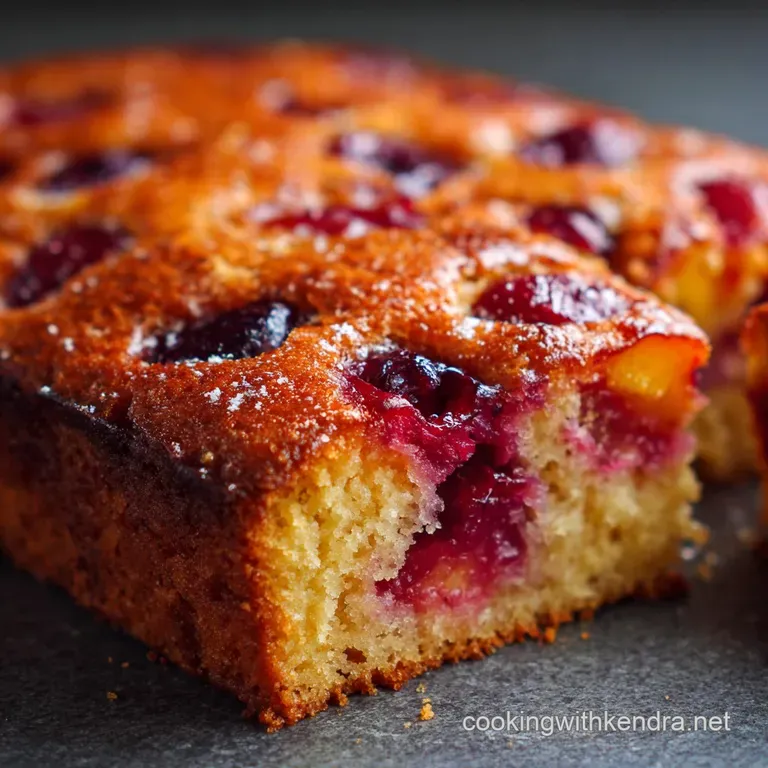
This simple yet sublime Fruit Cocktail Cake defies fussy baking conventions. It delivers maximum flavour with minimal effort, making it the perfect choice for busy weeknights or impromptu gatherings. We focus on creating a moist, pudding like crumb that keeps beautifully for days.
This specific preparation elevates the classic Cocktail Cake tradition to new heights of delicious stickiness.
The Secret Weapon: Unlocking Maximum Moisture (Using the Juice)
The unparalleled moisture in this Fruit Cocktail Cake Recipe comes from a crucial technique: we utilize the entire 15-ounce can of fruit cocktail, liquid and all. This sweet, syrupy juice replaces traditional liquid components like milk or buttermilk.
The result is a cake so inherently moist it almost melts in your mouth, resisting the dryness common in oil-based sponges. This is the simplest way to guarantee a tender crumb structure every single time you bake this comforting treat.
From Fancy Slice to Fuss Free Traybake
Choosing the 9x13 inch traybake pan makes this an incredibly efficient Fruit Cocktail Cake Recipe Easy option. Baking the cake in a shallow rectangle ensures an even bake and uniform heat distribution across the surface.
This format also simplifies slicing, making it ideal for feeding a crowd or when packing perfect squares for lunchboxes. It transforms what might be a fiddly layer cake into a delightfully practical, sheet style dessert ready for casual enjoyment.
Defining the Deliciously Retro Appeal
This cake embodies a charmingly retro aesthetic, reminiscent of mid-century home baking characterized by readily available pantry staples. The visual appeal is enhanced by the light, tangy fruit cocktail cake icing that sets into a sweet, slightly crunchy crust.
We achieve this classic look with a quick drizzle of our lemon glaze, ensuring the fruit cocktail cake with glaze is both visually attractive and intensely flavorful. This effortless finish avoids the need for heavy buttercream, keeping the focus squarely on the moist cake beneath.
Gathering the Components for Our Sticky Traybake
Success in baking always starts with proper preparation and quality ingredients, especially when making a simple cake like this one. We use a straightforward combination of pantry staples to create a balanced foundation for the fruit's natural sweetness.
This scratch method provides superior flavour compared to alternatives using a pre-made fruit cocktail cake with cake mix , requiring only a few key components to achieve deep, rich perfection.
The Cake Batter Foundation: Wet and Dry Measures
Our dry base consists of two cups of all-purpose flour, balanced by one cup of granulated sugar and a half cup of packed brown sugar. This ratio ensures optimal structure while the brown sugar adds essential moisture and molasses depth to the crumb.
The wet component is straightforward: two large, room temperature eggs, half a cup of neutral vegetable oil, and a teaspoon of vanilla extract combine to create the essential richness. The crucial undrained fruit and its liquid are added directly to this oil-egg mixture before mixing the final batter.
Essential Baking Equipment and Pan Preparation
The primary tool for this recipe is the sturdy 9x13 inch metal baking pan, which is non-negotiable for achieving the correct traybake depth and precise cooking time. It is vital to prepare this pan meticulously by thoroughly greasing and flouring the surface.
Alternatively, line the pan with parchment paper, leaving an overhang known as a "sling." This preparation guarantees that the sticky, moist Cocktail Cake releases effortlessly once baked and cooled.
Baker's Note: Always use metal pans for traybakes like this, as glass pans conduct heat differently and often result in a raw center or overly crisp edges.
Maximizing Flavor: Spice Notes and Optional Extras
A subtle complexity is introduced through a measured teaspoon of ground cinnamon and half a teaspoon of fine sea salt, which ensure the base flavours are well rounded and not overly sweet.
These warm spices complement the medley of peaches, pears, and cherries found in the canned fruit, adding an irresistible, comforting warmth. For an extra textural contrast and complexity, you can fold in half a cup of shredded desiccated coconut and chopped pecans just before pouring the batter into the prepared pan.
The Journey to Baking Brilliance: step-by-step Method
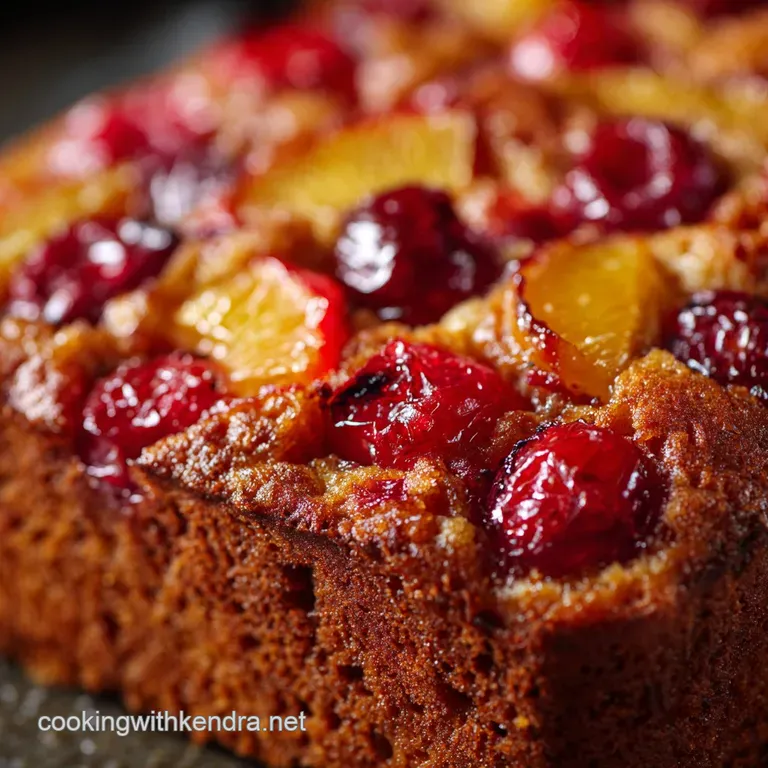
The methodology for creating this delightful Fruit Cocktail Cake is designed for speed and minimal fuss, making it exceptionally approachable for novice bakers. We start by ensuring the oven is preheated to 350°F (175°C) and the pan is perfectly prepared before any mixing begins.
The ultimate success of this cake lies in the rapid and gentle integration of the wet and dry elements to prevent toughness.
Related Recipes Worth Trying
- Best Moist Pumpkin Spice Cake with Tangy Cream Cheese Frosting — This Moist Layered Pumpkin Spice Cake is a proper showstopper featuring a tender spiced crumb and the perfect Tangy Cream Cheese Frosting Forget dry cakes...
- Foolproof Pumpkin Pie Dump Cake The Ultimate Lazy Autumn Crumble — The fussfree Pumpkin Pie Dump Cake is pure autumn comfort Creamy spiced pumpkin filling topped with a crisp golden buttery crumble If you love easy dump...
- Foolproof Sopapilla Cheesecake Bars Golden Cinnamon Crunch — This easy Sopapilla Cheesecake recipe delivers creamy filling sandwiched between buttery golden crescent crusts A proper cinnamon sugar dessertno faff...
Preparing the Essential Glaze and Finish
The crowning glory of this incredibly moist traybake is the tangy lemon glaze, which provides the perfect citrus counterpoint to the cake's sugary sweetness. This simple icing mixture is essential for achieving that characteristic sticky top and shiny, appealing appearance.
A properly applied glaze is what transforms a simple sponge into a deeply flavorful, ready-to-serve dessert that truly stands out.
Combining the Core: Creaming and Mixing Techniques
In the first large bowl, all dry ingredients including the flour, both sugars, baking soda, and spices must be thoroughly whisked together until they appear uniform. Proper sifting and vigorous mixing at this stage prevents pockets of unmixed baking soda or clumps of heavy brown sugar from ruining the final texture.
This initial step ensures the cake rises evenly and the flavour components are perfectly distributed throughout the batter.
Integrating the Wet Ingredients (Including the Fruit Juice Secret)
In a separate, smaller bowl, the eggs, oil, and vanilla are whisked until smooth, followed immediately by the entire, undrained can of fruit cocktail. Do not attempt to strain the fruit; the juice is the fundamental source of liquid in this recipe, acting as a rich natural syrup.
When combining this decadent wet mixture with the dry components, use a sturdy rubber spatula and fold gently, stopping immediately the moment dry streaks disappear to prevent gluten from developing.
Achieving the Golden Finish: Baking Time and Temperature Checks
The traybake should cook for a reliable 40 to 45 minutes in the fully preheated 350°F (175°C) oven. Begin monitoring the cake carefully around the 35-minute mark, observing the edges for signs of pulling away slightly from the pan.
The ultimate indicator of readiness is the classic skewer test, which should see the utensil emerging from the center with only a few moist crumbs attached, confirming a beautifully set crumb structure.
How to Cook Down the Sticky Syrup Topping
The indispensable lemon glaze is prepared quickly by whisking 1 ½ cups of sifted powdered sugar with two tablespoons of fresh lemon juice. A scant tablespoon of milk or strained fruit juice is then used to adjust the viscosity until the mixture is thick yet readily pourable from a fork.
Sifting the powdered sugar first eliminates any lumps, which guarantees a beautifully smooth and professional looking finish for your sticky fruit cocktail cake with glaze .
The Critical Step: Glazing While Still Hot
After removing the baked Fruit Cocktail Cake from the oven, let it rest on a wire rack for precisely ten minutes before adding the glaze. While still warm, use a thin skewer or a fork to poke numerous holes liberally across the entire cake surface.
This critical technique allows the fluid lemon glaze to seep deep into the crumb, achieving the signature moisture and wonderful sticky texture this recipe is known for. Drizzle the prepared glaze evenly over the warm, perforated surface and allow it to set for 15 to 20 minutes before attempting to slice and serve.
Extending the Life of Your Fruit Cocktail Cake
One of the most appealing attributes of this homemade Cocktail Cake is its impressive longevity, largely due to the inherent high moisture content contributed by the canned fruit juice and the vegetable oil.
This traybake frequently tastes even better the day after baking as the spices and fruit flavours fully meld and the glaze penetrates deep into the crumb. Employing proper storage techniques is crucial for maintaining the cake's superior freshness and texture for the maximum amount of time.
Troubleshooting and Variations on the Classic
Optimal Storage Methods for Maximum Freshness
Store any leftover slices of the Fruit Cocktail Cake in a sealed, airtight container at room temperature for up to three days. If you anticipate keeping the cake for a longer duration, or if your kitchen environment tends to be particularly warm, it is advisable to move the container to the refrigerator.
When chilled, the cake will remain wonderfully fresh and moist for up to one week, maintaining that lovely sticky glazed texture.
Can You Freeze This Traybake Success?
This specific cake freezes exceptionally well, making it a fantastic choice for advanced meal preparation, particularly if frozen before the final glaze application. Wrap cooled, unglazed sections tightly in plastic wrap, followed by a double layer of aluminum foil to completely prevent any risk of freezer burn.
The frozen cake can be stored successfully for up to three months without any discernible degradation in quality. Thaw the cake overnight in the refrigerator before preparing the fresh glaze and serving.
Best Practices for Reheating and Serving
While this cake is undeniably delicious served cold straight from the container, a slightly warmed slice offers a comforting, pudding like experience, especially delightful when paired with fresh cream or custard.
Place individual slices on a plate and briefly microwave for 15 to 20 seconds, or wrap them loosely in aluminum foil and gently reheat in a low oven (300°F/150°C) for five minutes. Avoid overheating, which can easily dry out the delicate edges and compromise the desirable moist crumb structure.
Solving Common Baking Issues (Sunken Centers or Dry Edges)
If the center of your traybake sinks dramatically, it generally indicates that the batter was either underbaked or that the oven door was prematurely opened during the critical first twenty minutes of baking.
To successfully prevent dry edges, ensure the batter is spread perfectly evenly in the pan and, most importantly, avoid aggressive overmixing which rapidly develops tough gluten strands. Always check your oven temperature calibration using a separate thermometer to ensure reliable, consistent results.
Adapting the Recipe: Boozy Infusions and Sauce Alternatives
For a wonderfully bright, tropical twist, you can easily adapt this recipe into a satisfying Fruit Cocktail Cake With Pineapple by substituting the fruit cocktail with one 15 oz can of undrained crushed pineapple.
Alternatively, for a sophisticated adult indulgence, try infusing the cake by replacing two tablespoons of the vegetable oil with a quality dark rum or brandy for a noticeable alcoholic warmth.
If you prefer deep richness over the glaze's tang, skip the lemon finish entirely and opt for a warm, buttery caramel drizzle instead.
| Variation Type | Flavour Enhancement | Modification Method |
|---|---|---|
| Tropical Swap | Pineapple & Coconut | Substitute fruit cocktail for crushed pineapple; add ½ cup coconut flakes. |
| Adult Infusion | Rum/Brandy | Replace 2 tbsp oil with the liquor of your choice in the wet ingredients. |
| Sauce Swap | Caramel Finish | Skip the lemon glaze and drizzle with warm salted caramel sauce instead. |
Estimating Nutritional Information per Serving (A Quick Calculation)
As this highly effective Fruit Cocktail Cake Recipe yields 12 generous slices from the standard 9x13 inch pan, each estimated serving contains roughly 320 kilocalories.
Remember that these figures are strictly based on general ingredient assumptions and do not account for natural variations in canned fruit syrup or precise slicing size. Despite the modest fat content (12g per serving), the majority of the caloric contribution comes directly from the necessary sugars and carbohydrates required to achieve the correct moist texture and optimal level of sweetness.

Recipe FAQs
Why does the recipe insist on using the fruit cocktail juice? Isn't that too sweet?
Using the juice is the true secret, darling! It replaces a lot of the standard liquid a sponge would require, ensuring the fruit sugars and pectin create that incredibly tender, pudding like crumb.
Draining the fruit would honestly leave you with a dry, rather miserable bake, defeating the purpose of this lovely moist traybake.
How long will this lovely, sticky Fruit Cocktail Cake keep fresh, and where should I store it?
This cake is a brilliant keeper! Kept in an airtight container at room temperature, it stays wonderfully moist for 3 to 4 days, tasting even better the day after baking once the glaze has properly set.
If the weather is particularly warm, you can pop it in the fridge, but allow it to return to room temperature before serving for the best texture.
I only have crushed pineapple can I substitute the fruit cocktail easily?
Absolutely, you are welcome to swap it out; this recipe is very forgiving! Use the same weight (one 15 oz can) of undrained crushed pineapple, peaches, or even canned pears instead, just ensuring the syrup/juice remains intact for the necessary liquid content.
The cake seems very sticky after glazing, especially underneath the crust. Did I do something wrong?
Not at all that delightful 'sticky wicket' texture is precisely what we are aiming for! This characteristic moistness comes from poking holes in the warm cake and allowing the lemon glaze to soak in deeply, achieving a proper, comforting, pudding like feel.
Can I make this cake healthier by using less oil or substituting the granulated sugar?
You can certainly reduce the granulated sugar in the main cake by about 1/4 cup without much impact on the structure. However, the oil is essential here as it contributes significantly to the cake’s exceptional moisture, texture, and superb shelf life, so substituting it for low-fat options is not advised.
