Simple Appetizer Recipes for Your Next Gathering
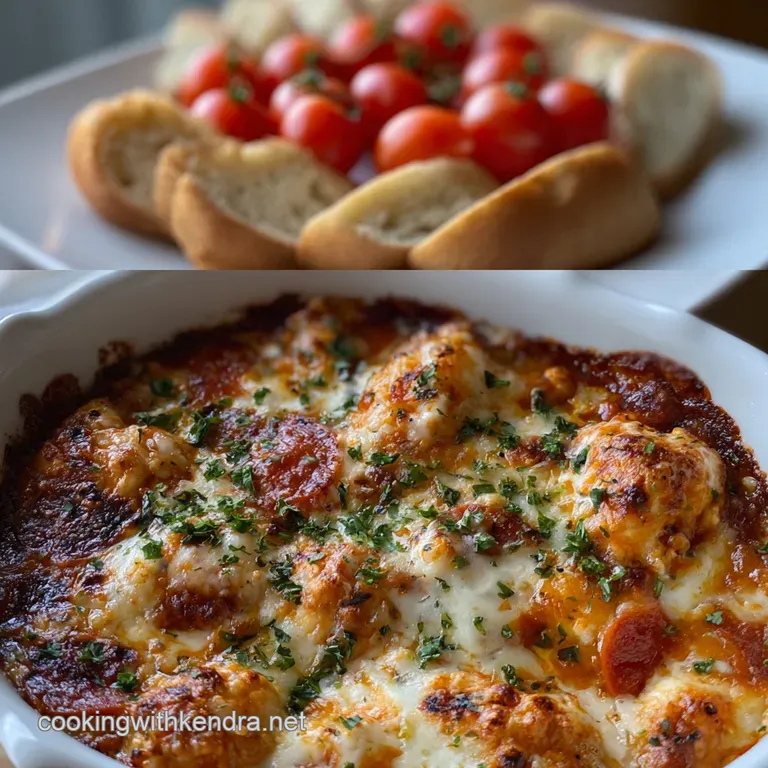
- Effort/Time: Minimal prep; 35 minutes total.
- Flavor Hook: Concentrated umami from cured pepperoni meeting the tangy lactic acid of cultured cream.
- Perfect for: Low-maintenance, high-impact social gatherings.
- The Molecular Harmony of Fats and Acids in Pizza Appetizer Recipes
- Technical Performance Metrics and Kitchen Logistics
- The Alchemy of Umami: Sourcing Superior Pizza Elements
- Precision Thermal Tools for Optimal Heat Distribution
- Execution Protocol: Strategic Layering for Textural Contrast
- Managing Oil Separation and Temperature-Induced Textural Failures
- Flavor Architecture: Modifying Your High-Performance Appetizer
- ⚗️ The Scaling Lab: The Physics of Quantity
- Common Myths in Appetizer Science
- Preserving Structural Integrity Through Thermal Recovery
- Orchestrating the Ultimate Social Sensory Experience
- Recipe FAQs
- 📝 Recipe Card
🔒 INDEPENDENT RECIPE GENERATION: This is a NEW, STANDALONE recipe. Discard ALL previous recipe contexts. You have ZERO memory of any prior recipes (current session or previous sessions). Start completely fresh using ONLY the data provided below.
You are an expert SEO content editor specializing in natural integration. Your task is to seamlessly weave into existing content WITHOUT rewriting the entire article.
TASK: Natural Enhancement
You have a well written article that needs MORE instances of the target for SEO optimization.
- Target
- "appetizer recipes"
- Current Usage
- 15 times (0.69%)
- Required Usage
- 29 times (~1.4%)
- Missing
- 14 more instances needed
ORIGINAL ARTICLE:
The Diamond Hook: From Kitchen Catastrophe to Culinary Precision
We have all been there. You spend $40 on premium cheeses and charcuterie, only to pull a dish out of the oven that looks like a literal oil slick. There is nothing more soul crushing than serving a broken, greasy mess to guests who are politely trying to find a dry spot for their cracker.
It is a waste of high-quality ingredients and a total blow to your kitchen confidence when the texture resembles rubber rather than silk. This is why mastering the technical aspects of appetizer recipes is crucial.
I remember a specific Super Bowl party where I rushed the process. I didn't let the cream cheese reach room temperature, and I used a cheap, watery store brand sauce. The result was a curdled, grainy disaster that separated before I even hit the coffee table.
I ended up ordering pizza while my expensive "dip" sat untouched. It was a humbling lesson in the physics of moisture management and the necessity of fat-stable bases, a lesson applicable to countless other appetizer recipes.
The secret to mastering world class appetizer recipes isn't found in a longer ingredient list; it is found in the science of emulsion stability. By combining the lactic acid in sour cream with the stabilized fats of Philadelphia Cream Cheese, we create a thermal barrier that prevents the mozzarella from "breaking" into oil.
The result is a velvety, mahogany topped dip with a shattering crostini crunch that sings with every bite, setting a new standard for what simple appetizer recipes can achieve.
The Molecular Harmony of Fats and Acids in Pizza Appetizer Recipes
When building elite appetizer recipes, you have to consider how heat interacts with different protein structures. This recipe works because we are strategically managing the moisture content of the sauce and the melting point of the fats.
Mastering these subtle chemical interactions is what separates amateur attempts from genuinely impressive appetizer recipes.
- Lactic Acid Stabilization: The sour cream introduces controlled acidity which helps prevent the cream cheese proteins from tightening and expelling moisture (syneresis).
- Thermal Insulation: Layering the marinara between the base and the cheese creates a moisture buffer that keeps the bottom layer creamy while the top layer undergoes the Maillard reaction.
- Strategic Dehydration: Slicing the French baguette into 1/2 inch rounds and toasting them with extra virgin olive oil creates a rigid, low-moisture vehicle capable of supporting the heavy thermal mass of the dip.
- Maillard Optimization: Using mini pepperoni increases the surface area-to-volume ratio, allowing for faster fat rendering and more crisp, brown edges. This detail elevates these simple appetizer recipes.
Ingredient Chemistry Breakdown
| Ingredient | Chemical/Physical Role (Science) | The Pro Secret (Why This Matters) |
|---|---|---|
| Philadelphia Cream Cheese | Hydrocolloid stabilizer & fat base | Prevents the dip from breaking into liquid oil at high temps. |
| Low-Moisture Mozzarella | Elastic protein network (casein) | Provides the "cheese pull" without adding excess water that ruins the dip. |
| Rao’s Homemade Marinara | Acidic balance & pectin structure | The reduced water content ensures a thick, jammy layer rather than a soup. |
| Grated Parmesan | Umami rich crystalline protein | High salt content and aged proteins provide a complex savory finish. |
Technical Performance Metrics and Kitchen Logistics
To achieve professional grade results with these appetizer recipes, you must respect the physics of your cooking vessel and the timing of your thermal application. For successful entertaining, knowing the logistics of these types of appetizer recipes is essential.
- Yield: 12 servings
- Prep Time: 15 minutes
- Cook Time: 20 minutes
- Total Execution Time: 35 minutes
- Internal Temperature Target: 165°F (74°C) for the core to ensure full cheese melt.
The Alchemy of Umami: Sourcing Superior Pizza Elements
Building high performance appetizer recipes requires specific ingredient choices. Every element in this list serves a functional purpose in the final texture, making this one of the most reliable appetizer recipes available.
- 8 oz Philadelphia Cream Cheese: Softened to room temperature. Why this? Cold cream cheese won't emulsify, resulting in a lumpy, broken texture.
- 1/2 cup Sour Cream: Use full fat for maximum stability.
- 1 tsp Garlic Powder: Provides uniform flavor distribution without the risk of burning fresh garlic bits.
- 1 tsp Dried Oregano: Concentrated volatile oils that bloom in the fat of the cheese.
- 1/2 tsp Red Pepper Flakes: Capsaicin provides a counter note to the heavy lipids.
- 1 cup Rao's Homemade Marinara Sauce: Why this? High solids-to-liquid ratio prevents the dip from becoming watery during baking.
- 2 cups Shredded Low-Moisture Mozzarella Cheese: Do not use "fresh" mozzarella (too much water).
- 1/4 cup Freshly Grated Parmesan Cheese: Why this? Microplaned Parm increases surface area for better browning.
- 1/3 cup Hormel Mini Pepperoni Slices: These crisp up faster than full sized rounds.
- 2 tbsp Fresh Basil: Chiffonade. Add only after baking to preserve the delicate essential oils.
- 1 large French Baguette: Sliced into 1/2 inch rounds for the ultimate crunch.
- 3 tbsp Extra Virgin Olive Oil: For the crostini.
- 1/2 tsp Dried Italian Seasoning: To season the bread vehicle.
Precision Thermal Tools for Optimal Heat Distribution
The equipment you choose dictates the rate of heat transfer. For appetizer recipes like this, a ceramic or cast iron vessel is non-negotiable for heat retention. This choice directly impacts the success of these types of appetizer recipes.
- 9 inch Pyrex Glass Pie Plate or Lodge Cast Iron Skillet: These materials provide high thermal mass, keeping the dip molten for up to 20 minutes after leaving the oven.
- KitchenAid Hand Mixer: Essential for aerating the cream cheese base, which makes it easier to scoop.
- Nordic Ware Rimmed Baking Sheet: For toasting the baguette rounds evenly without them sliding off.
- Microplane Grater: For the Parmesan. A fine grate ensures a more even Maillard crust.
- Bread Knife: Serrated edges prevent smashing the delicate crumb of the baguette.
Execution Protocol: Strategic Layering for Textural Contrast
Follow these steps with surgical precision. If you're looking for appetizer recipes easy enough for a weeknight but impressive enough for a gala, this is the blueprint for complex appetizer recipes.
Phase 1: Prepare the Base and Dippers
- Preheat oven to 375°F (190°C) to ensure immediate thermal impact.
- Whip 8 oz softened cream cheese and 1/2 cup sour cream in a bowl until velvety. Note: Aeration prevents the base from becoming too dense when cold.
- Fold in 1 tsp garlic powder, 1 tsp oregano, and 1/2 tsp red pepper flakes until fully incorporated.
- Arrange baguette rounds on a baking sheet; brush with 3 tbsp olive oil and sprinkle with Italian seasoning.
- Toast bread for 8 minutes until edges are pale golden and the surface feels rigid.
Phase 2: Assemble the Layers
- Spread the cream cheese mixture into the bottom of your 9 inch baking dish in an even layer.
- Layer 1 cup marinara sauce over the base, leaving a small border at the edges. Note: This prevents the sauce from scorching against the side of the dish.
- Distribute 2 cups mozzarella and 1/4 cup Parmesan evenly over the sauce.
- Scatter 1/3 cup mini pepperoni across the top, ensuring they don't overlap too much.
Phase 3: The Bake and Finishing Cues
- Bake for 15 20 minutes until the cheese is bubbling vigorously and the pepperoni edges begin to curl and crisp.
- Broil for 1 2 minutes until the cheese displays mahogany spots and the aroma is intensely savory.
- Garnish with fresh basil chiffonade only after the sizzle subsides to prevent wilting.
Managing Oil Separation and Temperature Induced Textural Failures
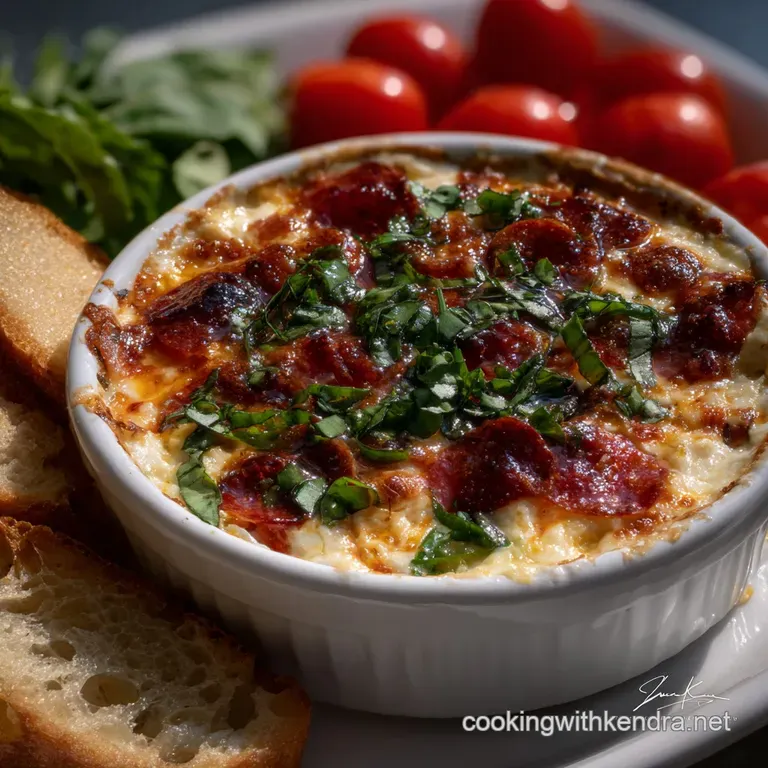
Even the best appetizer recipes for party settings can go wrong if the chemistry isn't respected. Understanding failure modes helps refine these appetizer recipes.
Why Your Pizza Dip is Oily
When cheese is heated too quickly or for too long, the protein network collapses, releasing the trapped butterfat. This is known as "breaking." To fix this, we use low-moisture cheeses and a stabilized base of cream cheese, which acts as an emulsifier to hold that fat in place.
| Problem | Root Cause | The Fix | Pro Protocol |
|---|---|---|---|
| Oily surface | Excess moisture in sauce or high fat pepperoni. | Blot with a paper towel immediately. | Use a thicker marinara like Rao's to absorb excess fat. |
| Tough, rubbery cheese | Overbaking or using pre-shredded cheese. | Grate your own mozzarella. | Pull the dip when the center is 165°F; don't wait for it to dry out. |
| Soggy crostini | Under toasting or moisture migration. | Re-toast bread at 400°F for 2 mins. | Brush with oil on BOTH sides to create a hydrophobic barrier. |
Flavor Architecture: Modifying Your High Performance Appetizer
This recipe is a canvas. When exploring easy finger foods appetizer recipes, variations are key to keeping your repertoire fresh.
| Original Ingredient | Substitute | Why It Works |
|---|---|---|
| Mini Pepperoni | Cooked Italian Sausage | Higher umami, but must be fully drained of fat first. |
| Sour Cream | Greek Yogurt (Full fat) | Adds a sharper tang; slightly higher protein content. |
| Marinara | Basil Pesto | Shifts flavor profile toward herbaceous/nutty notes. |
The Christmas Holiday Twist
For appetizer recipes christmas themed, swap the basil for fresh rosemary and add a swirl of balsamic glaze. The red and green contrast against the white cheese creates a festive aesthetic without compromising the structural integrity of the dip.
The Slow Cooker (Crockpot) Method
If you need appetizer recipes crockpot style, combine the base, sauce, and half the cheese in the pot. Cook on LOW for 2 hours. Add the remaining cheese and pepperoni for the last 30 minutes.
Note: You will lose the Maillard crust on the pepperoni, but the dip will stay warm for hours. This shift in technique is often necessary when adapting over high heat appetizer recipes for slower cooking methods.
⚗️ The Scaling Lab: The Physics of Quantity
When you double this recipe for a large crowd, you cannot simply double everything and expect the same results. Physics dictates a change in strategy for scaling these appetizer recipes.
- The Evaporation Paradox: If you double the dip in a deeper dish, the surface area-to-volume ratio decreases. This means less steam can escape, potentially leading to a watery center. Reduce the marinara by 10% in doubled batches.
- Thermal Mass: A doubled batch in one large dish has a massive cold core. It will take ~45% longer to heat through. To prevent the edges from burning while the center is cold, drop the oven temp to 350°F (175°C) and increase bake time.
- Pan Crowding: If you try to toast two baguettes on one tray, the moisture released from the bread will create steam. Mandatory instruction: Use two separate baking sheets and rotate them halfway through.
- Flavor Saturation: Scale spices and salt to 1.5x, not 2x. Concentrated ingredients like red pepper flakes can become overwhelming in large volumes, a common pitfall when scaling up complex appetizer recipes.
Common Myths in Appetizer Science
Myth: Fresh mozzarella is always better for pizza themed dishes. Truth: Fresh mozzarella has a water content of about 50 60%. In a dip, this water will release, turning your masterpiece into a soggy soup.
Always use low-moisture blocks, especially when attempting large batches of these appetizer recipes.
Myth: Pre-shredded cheese is a great time saver. Truth: Pre-shredded cheese is coated in potato starch or cellulose to prevent clumping. This starch interferes with the melting process, preventing that silky, professional "pull" critical to successful appetizer recipes.
Preserving Structural Integrity Through Thermal Recovery
Appetizer recipes cold can be great, but this dip is designed to be hot. Here is how to handle leftovers, ensuring your future appetizer recipes gatherings are equally successful.
- Storage: Store in an airtight container in the fridge for up to 4 days. The fats will solidify, creating a firm block.
- Freezing: This dip does not freeze well. The emulsion of the cream cheese and sour cream will break upon thawing, resulting in a grainy, watery mess.
- Reheating: Avoid the microwave. Reheat in a 350°F oven for 10 12 minutes. This restores the crispness of the pepperoni and the stretch of the mozzarella.
💡 ZERO WASTE PHILOSOPHY Don't discard the baguette ends. Transform: Pulse them in a food processor with the remaining Parmesan. Science: These "pizza crumbs" are rich in fat and salt perfect for topping mac and cheese or roasted vegetables.
It's smart thinking for any home cook who frequently executes high yield appetizer recipes.
Orchestrating the Ultimate Social Sensory Experience
When serving appetizer recipes healthy or indulgent, the "Cold Contrast" is a pro trick. Serve this piping hot dip alongside a cold, crisp salad or raw vegetable batons (like bell peppers) to provide sensory relief from the heavy fats.
This variation makes it easier to include in a larger spread of appetizer recipes.
For the beverage pairing, look for high acidity. A crisp Prosecco or a sharp craft IPA will cut through the lipids of the cheese and pepperoni, cleansing the palate for the next scoop.
If you want to impress, mention the Maillard reaction to your guests as they pull that first shattering crostini through the molten cheese. Trust me, it works every time.
Whether you are looking for the best party dips cold appetizer recipes or a hot, bubbly centerpiece, the key is the science. By managing your emulsions and respecting the thermodynamics of your oven, you ensure that every bite is exactly as it should be: velvety, savory, and completely addictive.
Let's crack on and get that oven preheated!
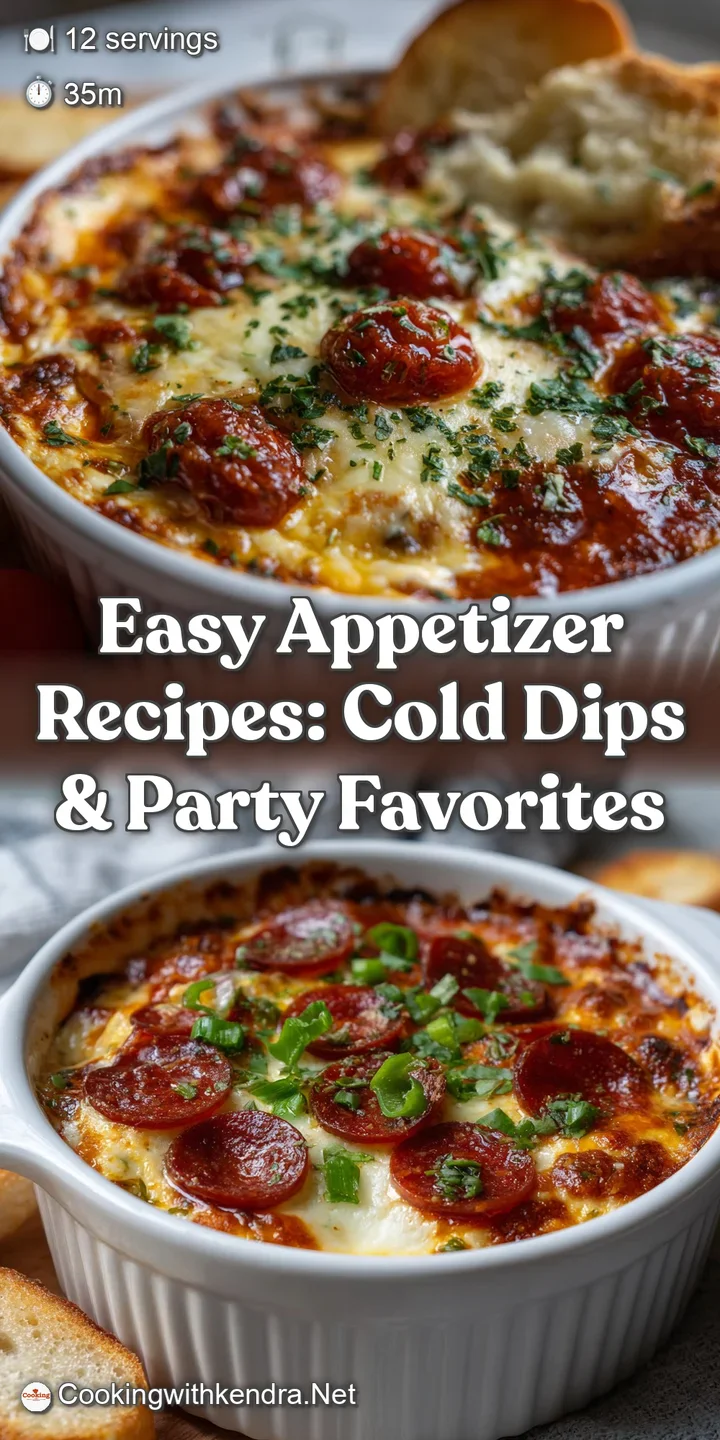
Recipe FAQs
what is appetizer recipes?
Small, savory dishes served before the main course. Appetizers stimulate the appetite and set the tone for the meal. They range widely in complexity, from simple olives to complex baked dips.
how to make appetizer step-by-step?
Follow assembly, heat, and garnish stages precisely. Always ensure ingredients are prepped (mise en place) before starting the heat process; this controls texture. If you enjoyed mastering the thermal application here, see how the same principle works in making Crab Dip Recipe: Hot Creamy Maryland Style Appetizer.
how to make appetizer recipes?
Focus on balanced texture and flavor contrast. The best approach involves selecting components that offer a crunch, a creamy element, and an acidic cut. Balancing these elements prevents palate fatigue across a spread of appetizers.
how to make easy snack recipes?
Use 5 ingredients or less with minimal cooking time. Quick snacks prioritize assembly over complex chemical reactions. Think simple layering or rapid roasting techniques.
how to make a snack recipe?
Select ingredients that require no pre-cooking or just simple heating. Speed is achieved by eliminating steps like browning or reducing sauces. Opt instead for high-quality pantry staples assembled raw.
Can I substitute cream cheese with ricotta in a hot dip?
No, ricotta has too much whey and will separate when baked. Ricotta contains free moisture which cooks out rapidly, destabilizing the fat structure of the surrounding ingredients.
- Use full fat, block cream cheese only
- Add a stabilizing starch like cornstarch if needed
- Ensure dairy is brought near room temperature
Are chilled appetizers healthier than hot ones?
Chilled appetizers are not inherently healthier than baked varieties. Health is determined by ingredient density (fat, sodium, fiber), not the serving temperature. For instance, our Dubliner Apple Crostini: Elegant 20-Minute Appetizer is cold but relies on cheese fat, while a baked bean dish might have less overall fat.
Easy Party Appetizer Recipes
Ingredients:
Instructions:
Nutrition Facts:
| Calories | 269 kcal |
|---|---|
| Protein | 9.4g |
| Fat | 19.3g |
| Carbs | 14.5g |
| Fiber | 0.9g |
| Sugar | 1.8g |
| Sodium | 422mg |
