Fast Dinner with Chicken Tenders: 35-Minute Glaze
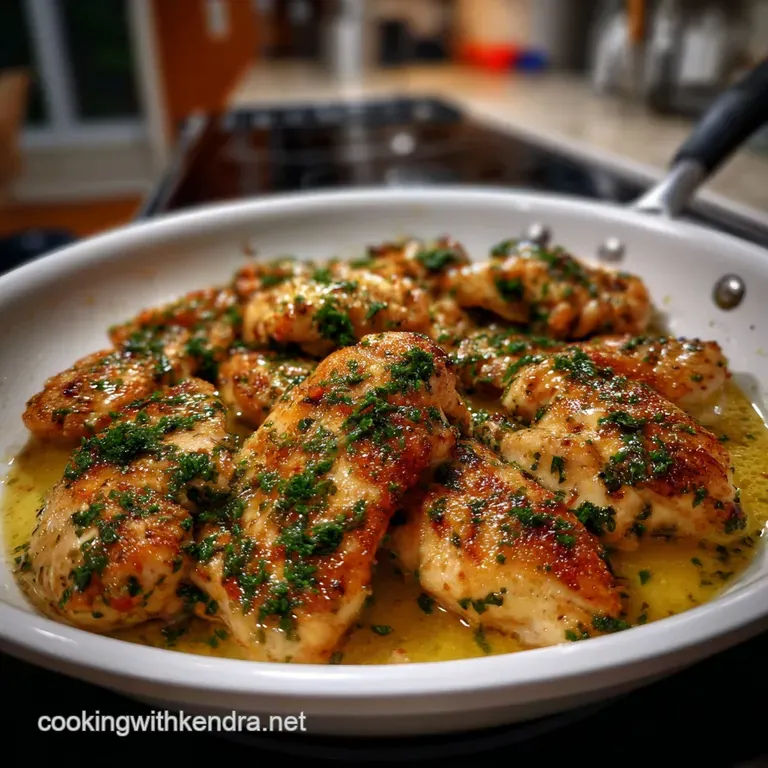
- Effort/Time: 35 minutes total, low-maintenance cleanup.
- Flavor Hook: Smoked paprika-spiced crust meets velvety garlic butter.
- Perfect for: Busy weeknights, meal-prep, and high-protein family meals.
- The Ultimate One-Pan Garlic Butter Dinner with Chicken Tenders
- Why This Fast Flavor Profile Works
- The Science of Why it Works
- Essential Ingredients & Smart Substitutions
- Step-by-Step: Cooking Your Dinner with Chicken Tenders
- Pro Tips and Common Cooking Mistakes
- Storage and Reheating Instructions
- Serving Suggestions and Side Pairings
- Recipe FAQs
- 📝 Recipe Card
The Ultimate One-Pan Garlic Butter Dinner with Chicken Tenders
Listen for that sizzle. When your 1.5 lbs chicken tenderloins hit the hot Lodge Cast Iron Skillet, the aroma of McCormick Smoked Paprika and garlic should immediately fill the room.
Most home cooks struggle with chicken tenders that end up rubbery or bland, often because of overcrowding the pan or under seasoning.
I’ve been there serving "beige" chicken that requires a gallon of ranch just to swallow. It’s frustrating. But once I mastered the science of the pan-sear and the role of par-boiled potatoes, everything changed.
This dinner with chicken tenders is the result of those failed batches, turned into a foolproof technique.
The secret lies in the Maillard reaction and thermal consistency. By using a heavy skillet and specific spices, we create a shatter-crisp exterior while the interior stays velvety and juicy.
Let’s dive into why this specific method for dinner with chicken tenders actually works.
Why This Fast Flavor Profile Works
- Maillard Reaction: High heat transforms the amino acids and sugars on the chicken's surface into a complex, savory crust.
- Starch Gelatinization: Par-boiling the 1 lb baby potatoes ensures the interiors are fluffy while the skillet fry creates a crisp, golden skin.
- Lipid Flavor Infusion: Fat-soluble compounds in 4 cloves garlic and 1 tsp smoked paprika dissolve into the 3 tbsp unsalted butter, coating every fiber of the meat.
The Science of Why it Works
The Science Behind Searing Tenderloins
Chicken tenderloins (the pectoralis minor) are leaner and more delicate than the breast. When you cook this dinner with chicken tenders, you must apply high heat quickly to trigger protein denaturation without over extracting moisture.
If the pan isn't hot enough, the chicken steams in its own juices, resulting in a rubbery texture rather than a sizzle-induced crust.
Achieving a Rich Garlic Butter Emulsion
The magic happens when 1 tbsp fresh lemon juice hits the 3 tbsp unsalted butter. The acid acts as a stabilizer, helping the milk solids and fats form a temporary emulsion that clings to the meat. This prevents the butter from just feeling "greasy" and instead creates a velvety sauce that carries the 4 cloves garlic into every crevice of the dish. This technique is similar to what I use in my Creamy Garlic Butter Chicken: The 35 Minute Weeknight Comfort Classic.
Why One-Pot Cooking Saves Weeknight Stress
Using a single Lodge Cast Iron Skillet isn't just about fewer dishes. It’s about flavor layering. The brown bits (fond) left behind after searing the chicken are reclaimed by the potatoes and the butter sauce.
This creates a cohesive flavor profile that you simply can't get when cooking components in separate pans. It turns a simple dinner with chicken tenders into a restaurant quality meal.
Essential Ingredients & Smart Substitutions
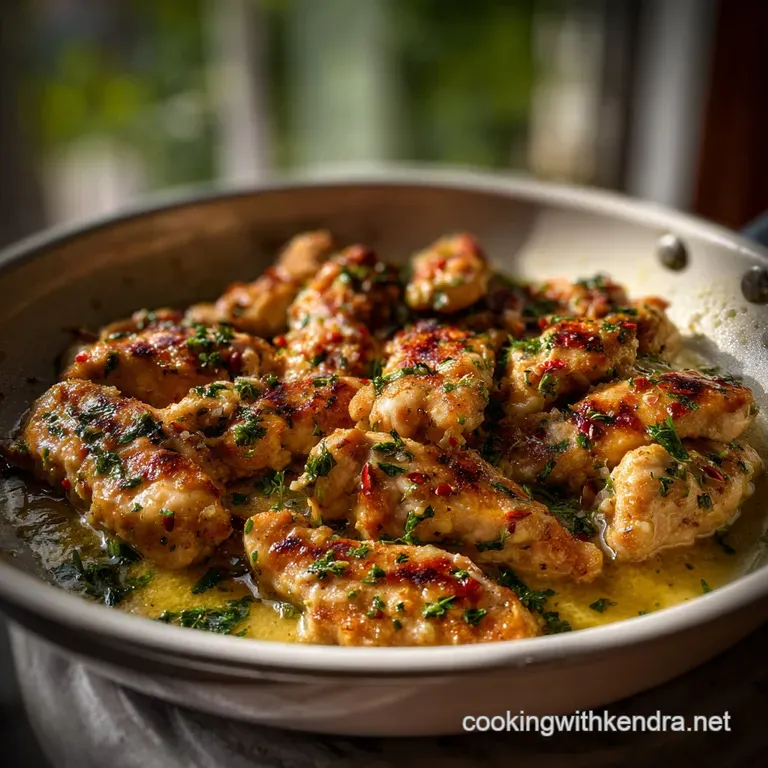
The Science Behind Chicken Tenderloins
- What They Do
- Provide the lean protein base for the meal.
- The Chemistry
- As a muscle that does very little work, it has low connective tissue, leading to faster protein denaturation.
- Why This Matters
- It cooks in under 8 minutes, making it the ideal candidate for high speed, over high heat searing.
The Science Behind Garlic Powder & Paprika
- What They Do
- Create a dry-rub crust.
- The Chemistry
- These dehydrated aromatics undergo the Maillard reaction faster than fresh aromatics, which would burn at high searing temperatures.
- Why This Matters
- You get deep, smoky flavor and a dark golden hue without the bitterness of burnt fresh garlic.
The Science Behind Baby Potatoes
- What They Do
- Add bulk and texture to the dinner with chicken tenders.
- The Chemistry
- Par-boiling breaks down the pectin in the cell walls, allowing the exterior starch to "fuzz" up.
- Why This Matters
- This increased surface area creates a much crunchier crust once it hits the 2 tbsp extra virgin olive oil.
Ingredient & Substitution Table
| Original Ingredient | Substitute | Why It Works |
|---|---|---|
| 1.5 lbs chicken tenderloins | Sliced Chicken Breast | Similar lean profile; cut into 1 inch strips to mimic tenderloin cook times. |
| 3 tbsp unsalted butter | Ghee (Clarified Butter) | Higher smoke point; maintains rich flavor without burning the milk solids. |
| 1 lb baby potatoes | Cauliflower Florets | Reduces carbs; Note: Skip par-boiling; roast or sear directly in the pan. |
| 1 tbsp lemon juice | White Wine Vinegar | Provides necessary acidity to cut through the fat of the butter and oil. |
step-by-step: Cooking Your Dinner with Chicken Tenders
- Pat dry 1.5 lbs chicken tenderloins.Note: Surface moisture creates steam, which prevents the Maillard reaction from forming a crust.
- Whisk 1 tsp kosher salt, 1 tsp smoked paprika, 1 tsp garlic powder, 0.5 tsp onion powder, and 0.5 tsp pepper.Note: Creating a uniform spice blend ensures even distribution of flavor across all surfaces.
- Coat chicken thoroughly in the spice rub.Note: The salt begins to draw out a tiny amount of moisture, creating a "glue" for the spices.
- Heat 2 tbsp EVOO in a Lodge Cast Iron Skillet over medium high heat.Note: Cast iron has high thermal mass, maintaining temperature even when cold meat is added.
- Sear chicken for 3 4 minutes per side until golden. Note: Achieving a 165°F internal temperature ensures safety while preserving juice.
- Remove chicken; add 1 lb par-boiled baby potatoes to the same pan.Note: The potatoes absorb the chicken fond and leftover spiced oil for maximum flavor.
- Sizzle potatoes for 5 minutes until skins shatter. Note: This creates the contrast between the crispy skin and the fluffy, starch gelatinized interior.
- Stir in 3 tbsp unsalted butter and 4 cloves minced garlic.Note: Adding butter at the end prevents the milk solids from scorching over high heat.
- Deglaze with 1 tbsp fresh lemon juice and toss with 2 tbsp fresh parsley.Note: The acid brightens the heavy fats, creating a balanced, professional grade sauce.
Chef's Tip: To take this dinner with chicken tenders to the next level, freeze your butter for 10 minutes before adding it to the pan. Cold butter melts slower, allowing for a more stable, creamy emulsion with the lemon juice.
Pro Tips and Common Cooking Mistakes
Troubleshooting Table
| Problem | Root Cause | The Fix | Pro Protocol |
|---|---|---|---|
| Rubbery Chicken | Overcooking | Pull chicken at 160°F; carry over cooking hits 165°F. | Use a ThermoPro Digital Thermometer for instant accuracy. |
| Soggy Potatoes | No Par-boiling | Boil in salted water for 8 minutes before pan-frying. | Add 1/2 tsp baking soda to boiling water to break down surface pectin. |
| Burnt Garlic | Added too early | Add fresh garlic only in the last 2 minutes of cooking. | Grate garlic with a Microplane for faster flavor release without chunks. |
Common Myths
- Myth: You must wash chicken before seasoning.
- Truth: Washing chicken spreads bacteria (aerosolization). Patting dry with paper towels is the only "prep" needed for a better sear.
- Myth: Chicken tenders are just "cut up" breasts.
- Truth: The tenderloin is a distinct muscle located under the breast. It is naturally more tender because it is used less by the bird.
Storage and Reheating Instructions
How to Store
This dinner with chicken tenders stores beautifully in an airtight container for up to 4 days in the fridge. To keep the potatoes from getting grainy, ensure they are completely cooled before sealing the lid. If you have leftover chicken but no potatoes, it works perfectly in a Chicken and Vegetable Soup: Easy, Hearty Homemade Recipe.
Reheating Methods to Maintain Juiciness
- Skillet (Best): Reheat over medium heat with a splash of water and a lid for 3 minutes.
- Oven: 350°F for 10 minutes, wrapped in foil to prevent the meat from drying out.
- Avoid: High power microwaving, which causes protein denaturation to go too far, making the chicken "bouncy" or tough.
Freezing
You can freeze this meal for up to 3 months. However, the potatoes may change texture slightly due to retrogradation (starch molecules realigning). For best results, freeze the chicken and potatoes in a single layer on a baking sheet before transferring them to a vacuum sealed bag.
Serving Suggestions and Side Pairings
Best Starch and Vegetable Accompaniments
- Steamed Asparagus
- The snap of the greens cuts through the rich garlic butter.
- Simple Arugula Salad
- Use a lemon vinaigrette to echo the citrus in the chicken.
- Grains
- If you want to swap the potatoes, this chicken is incredible over a bed of basmati rice or quinoa.
How to Prevent Dry or Rubbery Chicken
The key to a successful dinner with chicken tenders is temperature control. Never cook straight from the fridge. Let the meat sit at room temperature for 15 minutes. This ensures the fibers don't "shock" and tighten when they hit the hot Lodge Cast Iron Skillet.
Safe Internal Temperatures for Poultry
Always aim for 165°F (74°C). However, because tenderloins are small, they cook fast. I recommend pulling them at 160°F.
The residual heat will carry them to the safe zone while they rest, ensuring your dinner with chicken tenders stays juicy.
If you enjoy the flavor profile of this dinner with chicken tenders, you might also love a different take on poultry like my Chicken Tomato Sauce Recipe: Rich, Slow Simmered Comfort Sugo. It uses similar searing techniques to build deep, savory foundations.
Making a high-quality dinner with chicken tenders doesn't require a culinary degree just a hot pan, some basic science, and a lot of garlic. Enjoy the shatter-crisp potatoes and the velvety chicken. Let me know how your first batch turns out!
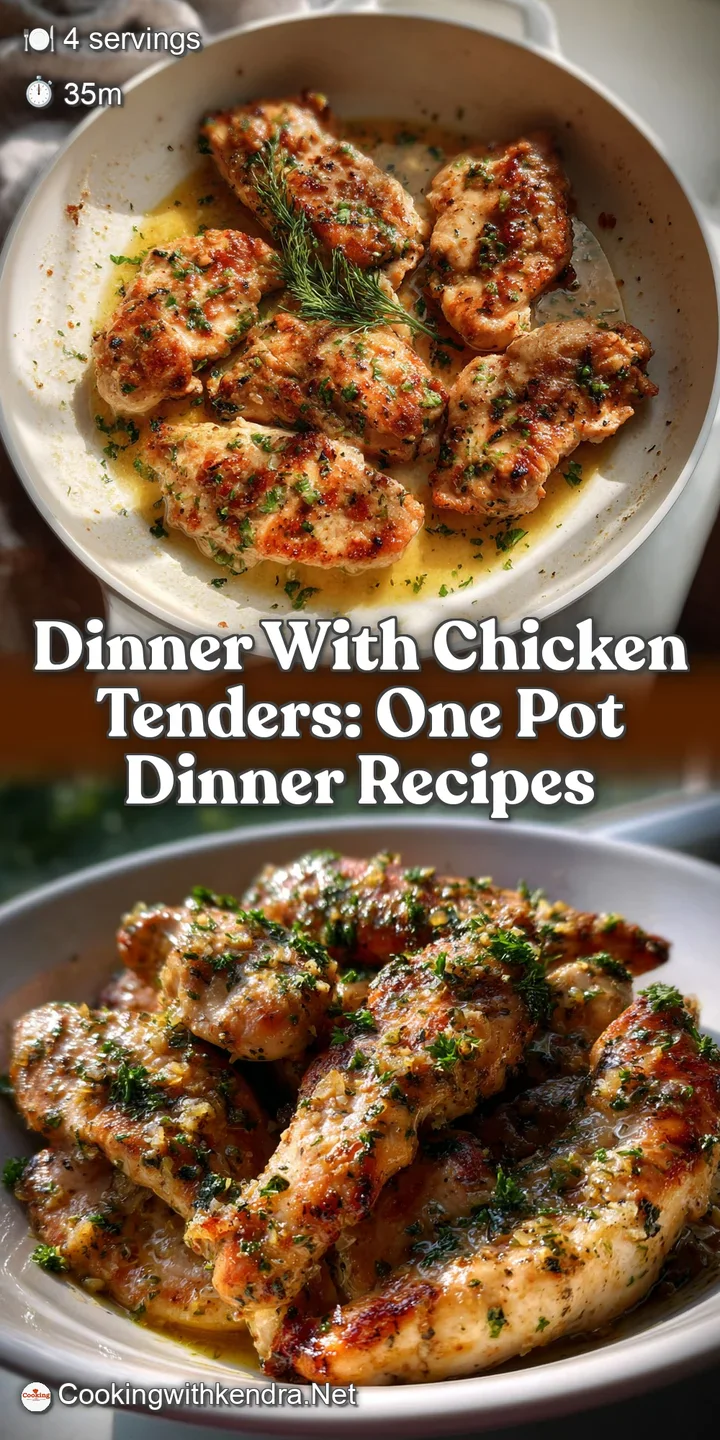
Recipe FAQs
Can I use fresh chicken breasts instead of tenders?
Yes, cutting them thinner is key for quick cooking. Slicing breasts to 1/2 inch ensures they finish cooking simultaneously with the sauce components. If you prefer a saucier, slow cooked result, review the Chicken Stew: The Classic Comfort Recipe (Slow Simmered for Flavor).
Does this recipe require pre-battering the tenders?
No. Battering adds unnecessary cleanup and time. The smoked paprika crust develops from the direct sear on the seasoned meat. This technique focuses on speed and pan flavor.
What is the best oil for achieving a dark sear?
High smoke point oil prevents scorching. Canola or grapeseed oil resists thermal breakdown better than olive oil when searing at high heat, locking in juices. Lower smoke points create bitter compounds.
Can I use dried herbs instead of fresh parsley?
Yes, but reduce the quantity significantly. Dried herbs are more concentrated; use one-third the amount of fresh herbs specified for the glaze. Overuse results in a dusty, overpowering finish.
Why did my lemon butter sauce break or separate?
High heat caused the butter emulsion to split. Rapid temperature spikes force the water and fat components of the butter to separate, resulting in an oily pool and solids. Always finish the sauce off the heat.
- Add lemon juice gradually
- Whisk constantly off the direct flame
- Ensure butter is softened, not fully melted initially
Is air frying a suitable substitute for pan-searing?
Air frying creates texture but lacks pan drippings. Pan-searing captures fond (flavor residue) which emulsifies into the final glaze, integral to this recipe’s flavor profile. Air frying is excellent for crispy texture, similar to the results in our Chicken Piccata: The Best 30-Minute Recipe with Foolproof Lemon Sauce, but misses the base layer of flavor.
Myth: This recipe is too complex for beginner cooks.
Myth: This preparation requires advanced French technique. Reality: It relies on simple timing: sear high, lower heat for glaze. The entire 35-minute window is structured for efficiency.
Fast Chicken Tenders Dinner
Ingredients:
Instructions:
Nutrition Facts:
| Calories | 438 kcal |
|---|---|
| Protein | 41.8 g |
| Fat | 21.2 g |
| Carbs | 22.5 g |
| Fiber | 3.1 g |
| Sugar | 1.4 g |
| Sodium | 645 mg |
