The Ultimate Garlic Butter Prime Rib Roast Sunday Centrepiece
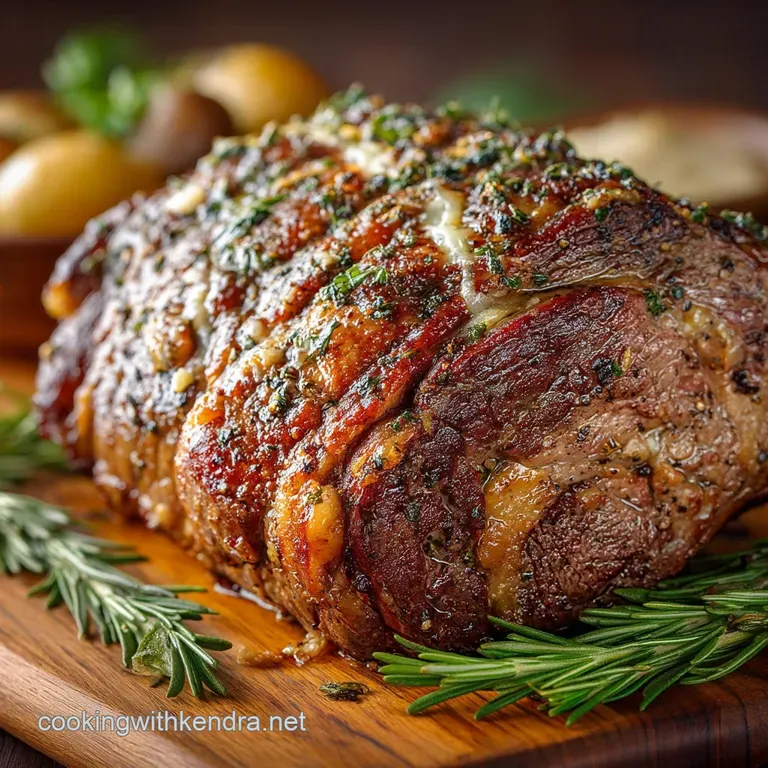
- The Showstopper: Mastering the Perfect Sunday Centrepiece Roast
- Why the Garlic Butter Prime Rib Is the Only Recipe You Need
- Securing Your Supplies: What You Need for the Ultimate Roast
- Breaking Down the Components of the Aromatic Garlic Butter Prime Rib Rub
- The Road Map to Roast Perfection: Step-by-Step Method
- Executing the Low-and-Slow Roast for Edge-to-Edge Doneness
- Beyond the Roast: Expert Tips and Troubleshooting
- Making the Most of Your Leftovers and Gravy Preparation
- Recipe FAQs
- 📝 Recipe Card
The Showstopper: Mastering the Perfect Sunday Centrepiece Roast
There is no culinary statement quite as powerful as presenting a perfectly cooked, dramatically crusted Prime Rib. This dish, often reserved for holidays or grand occasions, is absolutely achievable in your home kitchen, provided you follow a precise methodology.
We are moving beyond the basic salt and pepper approach by infusing the entire exterior with a potent, aromatic mixture that results in the ultimate Garlic Butter Prime Rib Roast .
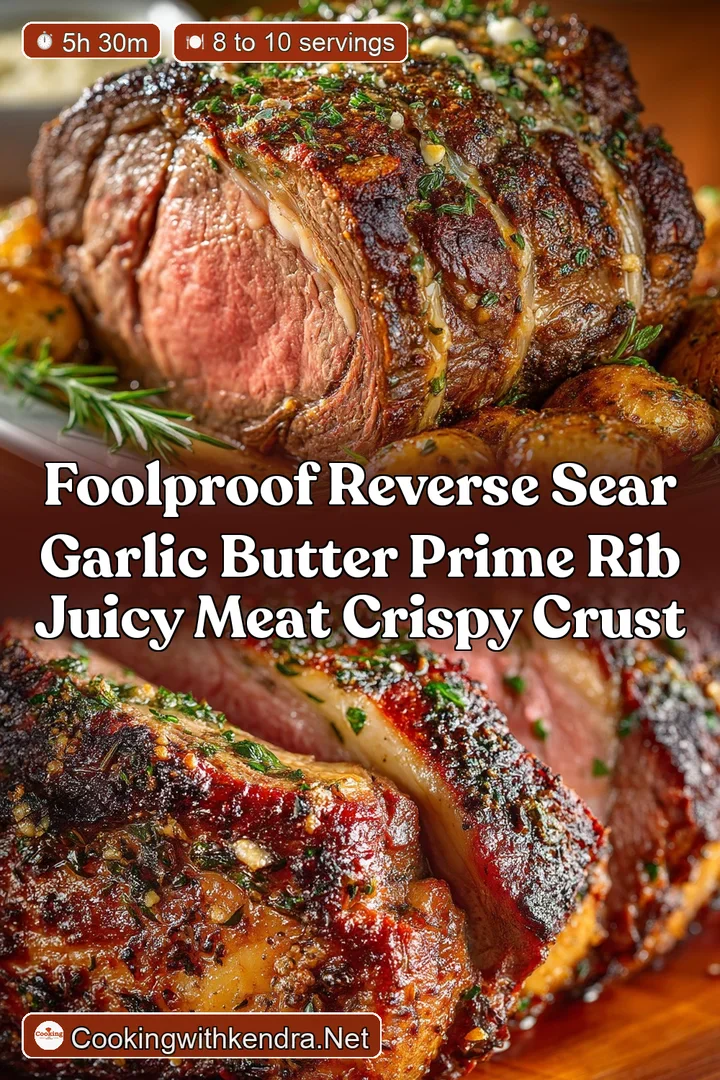
This recipe is engineered for guaranteed success, yielding a succulent, medium rare interior from edge to edge, wrapped in a deeply flavourful, crisp mahogany bark. Based on a substantial 4-bone roast (7 to 8 lbs), expect the total process, including critical resting periods, to take approximately five and a half hours, making it the perfect culinary project for a relaxed Sunday.
Why the Garlic Butter Prime Rib Is the Only Recipe You Need
This specific garlic butter prime rib recipe stands apart because it strategically uses fat and herbs to build flavour both internally and externally. Unlike recipes that rely solely on pan drippings for moisture, here the rich compound butter melts slowly, basting the beef as it cooks.
The result is a profoundly rich, luxurious roast where every slice of beef is permeated by garlic and fresh herbs, eliminating the need for excessive external sauces. The complexity of flavour is high, yet the preparation is deceptively simple, categorized as medium difficulty only due to the financial commitment to the cut and the crucial need for temperature accuracy.
Understanding the Magic of the Reverse Sear Technique
The key to achieving professional grade results lies in the garlic butter prime rib reverse sear method. Instead of the traditional high heat roast that often leaves a dry, grey ring beneath the crust, the reverse sear technique utilizes a low oven temperature (250°F / 120°C) for the majority of the cooking time.
This gentle heat slowly raises the internal temperature, ensuring uniform doneness throughout the meat fibers. Once the beef reaches the required temperature, it is removed, rested, and then exposed to a blast of high heat (500°F / 260°C).
This final sear phase achieves that crucial, crisp, deeply browned crust the "Maillard reaction" without overcooking the perfectly rosy interior.
Choosing the Right Cut: Bone-In vs. Boneless Standing Rib Roast
When shopping, look for a Bone-in Prime Rib Roast, also known as a Standing Rib Roast. Opting for the bone-in cut provides superior insulation during the slow roasting process, helping the roast maintain an even temperature and contributing to richer pan drippings.
For this recipe, a 4-bone roast is recommended, which generally weighs in the 7 to 8 lb (3.2 3.6 kg) range, ideal for serving 8 to 10 guests. Ensure the fat cap is properly scored by your butcher; this allows the seasoning and the rich butter to penetrate deeper and aids in achieving maximum crispness during the reverse sear.
Essential Equipment for Achieving Roast Success
With a high value cut like this, precision is non-negotiable. The single most important item for executing a flawless roast is a reliable, high-quality probe thermometer. Without monitoring the internal temperature constantly, you are simply guessing.
Plus,, you will need a sturdy large roasting pan equipped with a V-rack or standard wire rack. The rack is crucial as it elevates the meat, allowing air to circulate fully and ensuring the bottom of the roast develops a crisp crust rather than stewing in its own rendered fat.
Trussing twine is also helpful if your bones are separated and tied back onto the roast, maintaining a consistent shape.
Securing Your Supplies: What You Need for the Ultimate Roast
The success of this Garlic Butter Prime Rib relies entirely on the quality of its components. Beyond the star beef, you will need approximately 3 tablespoons of coarse Kosher salt and 1 tablespoon of freshly ground black pepper for the initial seasoning barrier.
For the incredibly rich compound butter that defines the finished product, procure 1 cup (two sticks) of high-quality unsalted butter, eight fresh cloves of garlic, 2 tablespoons of fresh thyme leaves, and 1 tablespoon of fresh rosemary leaves.
A half cup of beef stock or water is also needed to maintain moisture in the bottom of the pan and prevent drippings from scorching.
Breaking Down the Components of the Aromatic Garlic Butter Prime Rib Rub
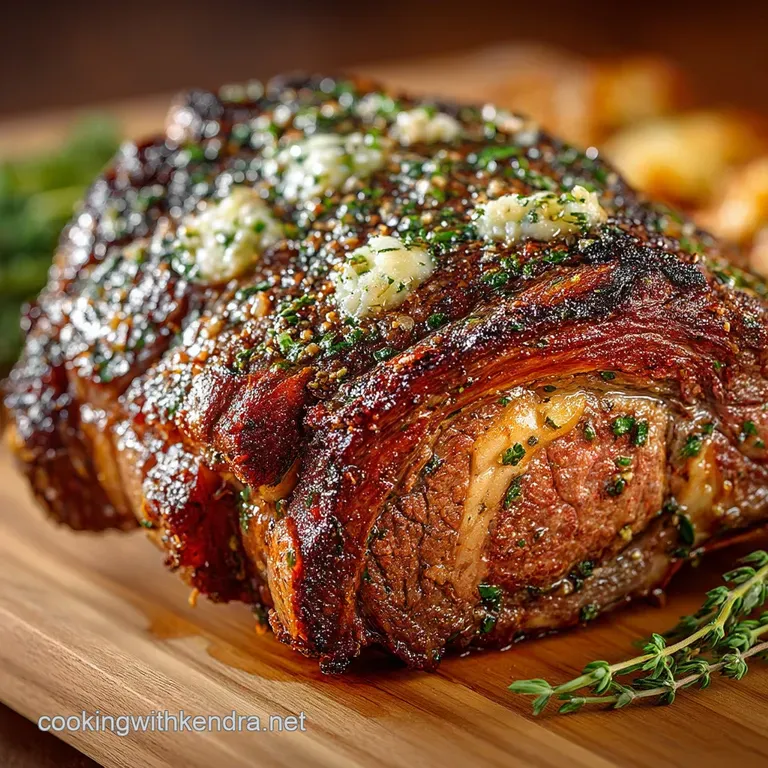
The deeply aromatic crust is formed by applying a substantial, concentrated layer of seasoning and fat. This garlic butter prime rib rub is responsible for both the flavour and the textural contrast achieved during the high heat finish.
high-quality Beef Selection: Grading and Marbling Explained
When choosing your Prime Rib, pay close attention to the marbling the spiderweb of intramuscular fat. Prime grade beef offers the highest degree of marbling, leading to a significantly more tender and flavourful finished roast. If Prime is unavailable, select the highest quality Choice grade you can find.
A well marbled 7 8 lb roast will retain moisture better during the long cook time. Remember to ensure the fat cap is scored; this step is vital for rendering and crust formation.
Crafting the Rich Garlic Herb Compound Butter
The compound butter is the signature of this recipe. Start with unsalted butter softened completely to room temperature. Mix this thoroughly with eight finely minced cloves of fresh garlic, the chopped thyme, and the rosemary. Using unsalted butter allows you precise control over the final salinity.
Divide this mixture, reserving about 4 tablespoons for the final basting finish. The remaining 3/4 portion should be generously massaged into every surface of the tempered roast, creating a flavourful sheath that protects the muscle fibers.
Pantry Staples: Salt, Pepper, and the Power of Coarse Grind
The initial seasoning is critical. Do not underestimate the power of coarse Kosher salt and freshly cracked black pepper applied liberally, almost like a dry rub. The large grains of Kosher salt create microscopic fissures on the surface, drawing out moisture which is then reabsorbed, leading to deeper seasoning penetration and, most importantly, laying the groundwork for that signature, crackling bark.
This heavy salting should be done at least two hours before cooking.
Temperature Matters: Preparing the Roast for the Oven
Before any heat is applied, the roast must be brought up to room temperature. After the initial salting, leave the seasoned beef uncovered on the roasting rack for a mandatory two hours.
Attempting to cook a roast straight out of the refrigerator means the exterior will be overdone by the time the icy centre reaches a safe temperature. Tempering ensures the heat distributes evenly, leading to the flawless, consistent colour we are aiming for.
Related Recipes Worth Trying
- Silky Coconut Cream Pie Bars Recipe with Buttery Shortbread Crust — Forget faffy pastry These ultimate Coconut Cream Pie Bars feature a buttery shortbread crust and silky coconut custard filling The perfect easy pie bar for...
- The Best Country Chicken Pot Pie Buttermilk Crust No Soggy Bottom — Master this rich Country Chicken Pot Pie The tender buttermilk crust guarantees no soggy bottom perfectly cradling the creamy thymeinfused filling Proper...
- Moist Pistachio Cake Recipe Brown Butter Rosewater Frosting — Forget dry bakes This Moist Pistachio Cake recipe uses nutty brown butter and ground pistachios for a truly decadent crumb Topped with a heavenly rosewater...
The Road Map to Roast Perfection: step-by-step Method
This garlic butter prime rib recipe oven method is precise but straightforward: prepare the surface, slow roast until almost done, rest the internal temperature to coast, and then apply high heat for the final crust.
The key checkpoints involve constant temperature monitoring and strict adherence to the resting times.
Executing the Low-and-Slow Roast for Edge-to-Edge Doneness
The execution is the art. Precision with timing and temperature will define your success.
Initial Prep: Tempering and Tying the Prime Rib
Ensure the roast is bone dry before seasoning. Apply the coarse salt and pepper and let it temper for two hours. Once tempered, apply the three quarters portion of the garlic herb compound butter, massaging it into the scored fat and sides, avoiding applying too much directly to the bone side if you want maximum rendering there.
Insert your probe thermometer into the thickest part of the roast, avoiding the bone.
The Critical First Phase: Low-Temperature Roasting Times
Preheat your oven to a low and stable 250°F (120°C). Place the rack with the buttered roast inside and add the half cup of beef stock or water to the pan bottom. This low-and-slow phase is the core of the recipe. Monitor the internal temperature closely.
For medium rare results, remove the roast promptly when the internal temperature hits 125°F (52°C). This phase typically requires 2.5 to 3. 5 hours, depending on the thickness of the roast.
Developing the Crust: The High Heat Reverse Sear Finish
Immediately upon reaching the initial target temperature, remove the roast. This is where the long, critical resting period begins. Tent the roast loosely with foil and allow it to sit on the cutting board for 30 minutes. While it rests, crank your oven up to 500°F (260°C).
Once the oven is screaming hot, gently melt the reserved 1/4 portion of garlic butter. Return the roast to the high heat oven for 8– 12 minutes. At about the five minute mark, brush the melted garlic butter over the existing crust.
Watch vigilantly; the goal is deep colour and crispness, not burning the garlic.
The Golden Rule: Carving After the Essential Resting Period
The initial 30-minute rest after the low cook is non-negotiable for muscle relaxation and juice redistribution. Although some experts skip it, an optional final 5 to 10-minute rest after the high heat sear helps the fibers relax post shock.
The final internal temperature should stabilize around 130°F (54°C) for perfect medium rare. Separate the bones from the roast first, slicing them off cleanly. Then, carve the beef across the grain for maximum tenderness.
Beyond the Roast: Expert Tips and Troubleshooting
For those who wish to experiment, this technique can be adapted. While this detailed approach focuses on the oven, the principles of the reverse sear are easily transferable, making this method a fantastic foundation if you were attempting a Prime Rib Roast Recipe Bone In Traeger (smoker) execution; you would simply use low smoke temperatures instead of the low oven setting.
If you encounter a problem where your crust isn't darkening quickly enough during the sear, ensure your oven is truly preheated to 500°F and that the roast surface was dry before the butter was applied.
Making the Most of Your Leftovers and Gravy Preparation
The pan drippings, rich with rendered beef fat and garlic herb butter, are the foundation for an incredible red wine jus or gravy. Pour off the excess fat, leave the brown bits (fond) in the pan, deglaze with a half cup of robust red wine, reduce slightly, add beef stock, and thicken as needed.
Save the bones to make stock later, or simply gnaw on them they are an incredible treat.
Achieving Perfect Doneness: Internal Temperature Chart Guide
Temperature precision dictates the final outcome. Use the following guide for the temperature before the high heat sear and subsequent carry over cooking:
- Rare: 120°F (49°C)
- Medium Rare: 125°F (52°C) (Target)
- Medium: 130°F (54°C)
- Well Done: Avoid this.
Slicing Techniques: How to Carve Against the Grain
After separating the roast from the bones, place the main roast on your cutting board. Identify the direction of the muscle fibers (the grain). To achieve the most tender slice, your knife blade must move perpendicular to these fibers. Slice the beef into portions roughly 1/2 to 3/4 inch thick.
A sharp, long carving knife is essential for clean, beautiful cuts.
Safe Storage and Reheating Guidelines for Garlic Butter Prime Rib
Store any leftover slices of Garlic Butter Prime Rib in an airtight container in the refrigerator for up to three days. To reheat without drying it out, gently place slices in an oven safe dish with a splash of beef stock or gravy, cover tightly with foil, and warm in a low oven (around 300°F / 150°C) until just heated through.
Avoid microwaving, which destroys the texture.
Flavor Variations: Herb Substitutions for the Crust
While rosemary and thyme offer a classic pairing, you can easily alter the flavor profile of the crust. For a deeper, earthier tone, swap in marjoram and sage. For a subtle smoky depth, incorporate a tablespoon of smoked paprika into the butter mixture.
Alternatively, for a pungent kick that traditionally accompanies beef, try integrating 2 tablespoons of prepared horseradish into the butter before applying the rub.
Recipe FAQs
What internal temperature should my Garlic Butter Prime Rib reach for a perfect medium rare?
For that perfect edge-to-edge blush pink, you’ll want to pull the roast out of the low oven when it hits 125°F (52°C). Remember, the meat will continue to cook as it rests (the crucial carry over cooking phase).
After the final high heat sear, the ideal finished temperature for medium rare is about 130°F to 135°F (54°C 57°C). Seriously, don’t skip the reliable thermometer it's the only way to guarantee success with this spectacular joint.
My garlic butter crust looks lovely, but how do I stop the raw garlic from burning during the high heat sear?
That's a cracking question! Burnt garlic is a tragedy. The trick with the Garlic Butter Prime Rib is timing the baste: the initial compound butter rub applied before roasting should be fine, but the reserved melted garlic butter used during the final sear is sensitive.
Apply the basting butter only during the last 5 minutes of the high heat sear phase, or even right after you pull it out. If you’re truly worried, consider swapping the fresh garlic in the basting mix for garlic powder, as it handles the intense heat better.
Do I really need to rest the prime rib for 30 minutes, or can I just crack on with the carving?
Absolutely, you must rest it! Skipping the rest is a rookie error and turns a juicy masterpiece into a dry disappointment. When the roast is hot, all the juices rush to the centre. The 30-minute rest allows those juices to redistribute evenly throughout the muscle fibres, ensuring every slice is succulent.
Think of it as mandatory chill out time before the main event; it’s non-negotiable for a premium roast like this.
I’ve got tons of leftovers what’s the best way to store and reheat this glorious prime rib?
Lucky you! Store leftover slices tightly wrapped or in an airtight container in the fridge for up to four days. To reheat without drying it out, slice the cold roast thinly, place it in an oven safe dish with a splash of beef stock or gravy, cover tightly with foil, and warm slowly at 250°F (120°C) until just heated through.
Avoid the microwave, unless you’re aiming for a shoe leather texture we wouldn't want that!
My butcher tied the bones onto the roast; should I remove them before cooking the Garlic Butter Prime Rib?
No need to get the knife out just yet! The bones serve a helpful purpose while cooking, acting as a natural rack and providing insulation, which promotes even roasting. Cook your Garlic Butter Prime Rib with the bones attached.
Once the final rest is complete, simply slice the trussing twine and slide the bones off easily to begin carving the meat slices. Save the bones, by the way they’re magnificent for making stock or having a proper gnaw on later.
Garlic Butter Prime Rib Reverse Sear
Ingredients:
Instructions:
Nutrition Facts:
| Calories | 320 kcal |
|---|---|
| Protein | 3.4 g |
| Fat | 11.4 g |
| Carbs | 27.2 g |
| Fiber | 6.7 g |
| Sodium | 6911 mg |
