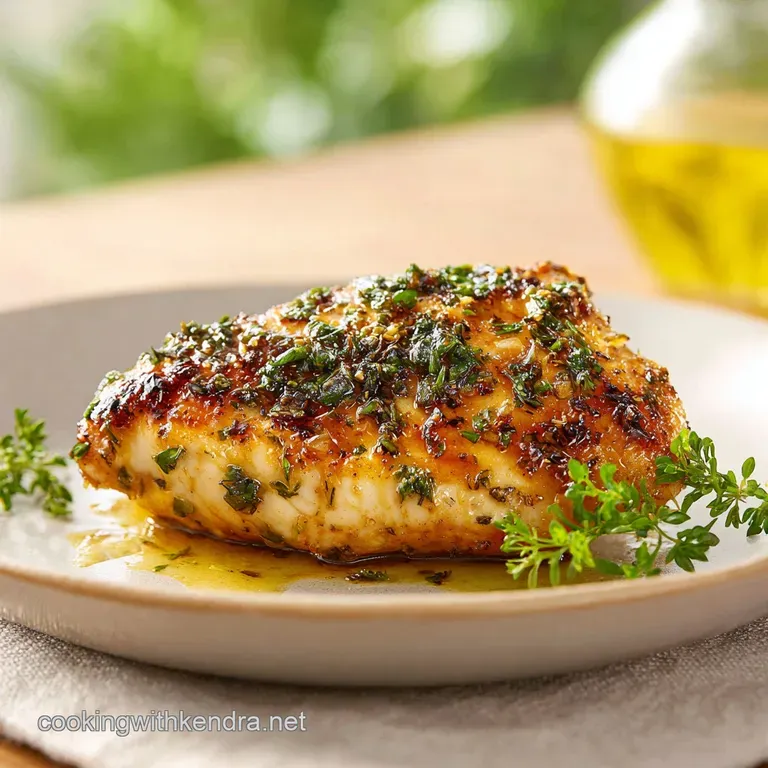
Chicken Breast Recipe with Garlic and Herbs: Silky Finish
- Time: Active 15 mins, Passive 12 mins, Total 27 mins
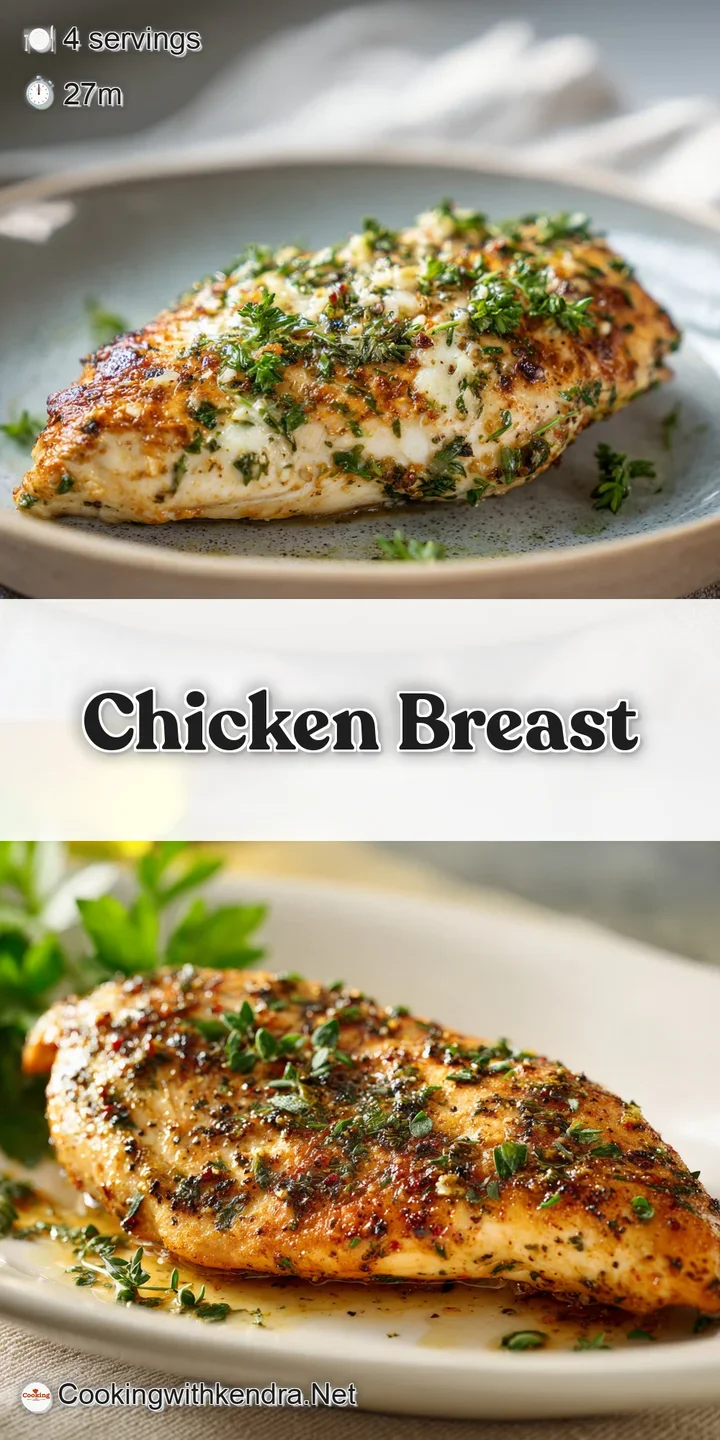
- Flavor/Texture Hook: Golden brown crust with a silky butter finish
- Perfect for: Busy weeknights or impressive low carb meal prep
- Master the Chicken Breast Recipe with Garlic and Herbs
- Why This Simple Cooking Method Really Works
- Component Analysis for Perfect Chicken
- Essential Shopping List for the Best Results
- Minimal Kitchen Tools for a Perfect Sear
- Step by Step Guide to Butter Basting
- Simple Fixes for Common Cooking Mistakes Fast
- Easy Flavor Variations Your Family Will Love
- Storing Leftovers and Smart Zero Waste Tips
- Perfect Sides and Quick Meal Pairing Ideas
- High in Sodium
- Recipe FAQs
- 📝 Recipe Card
Master the Chicken Breast Recipe with Garlic and Herbs
The sound of a cold piece of chicken hitting a hot pan used to terrify me. I’d always end up with that gray, sad looking meat that felt more like a chore to eat than a treat. Everything changed when I stopped treating the stove like a microwave and started treating it like a tool for flavor.
This Chicken Breast Recipe with Garlic and Herbs will quickly become a flavorful weeknight favorite.
I remember one Tuesday night when the kids were screaming and I had zero energy. I threw some garlic cloves and rosemary into the pan on a whim, spooning that bubbling butter over the meat like I'd seen on a cooking show.
The aroma that filled the kitchen was incredible, like a high end bistro had suddenly opened in my tiny suburban house. My husband actually asked if I'd ordered takeout from the Italian place downtown.
This isn't just about cooking meat; it’s about a technique called "arrosé," which is just a fancy French word for basting. It's the secret to getting that deep, golden crust while making sure the inside stays as tender as possible.
We're going to use minimal tools basically just a heavy pan to get maximum results that your family will actually be excited to eat.
Why This Simple Cooking Method Really Works
- Maillard Reaction: High heat creates a complex chemical reaction between amino acids and reducing sugars, resulting in that savory, brown crust.
- Aromatic Infusion: Garlic and herbs are fat soluble, meaning their flavor compounds dissolve into the butter and oil to coat every inch of the meat.
- Conductive Heat: Using a heavy skillet ensures even heat distribution, which prevents the edges from drying out before the center is done.
- Carryover Cooking: Allowing the meat to rest allows the muscle fibers to relax and reabsorb juices while the internal temperature finishes rising naturally.
| Thickness | Internal Temp | Rest Time | Visual Cue |
|---|---|---|---|
| 1/2 inch | 165°F | 3 mins | No pink in center |
| 1 inch | 165°F | 5 mins | Juices run clear |
| 1.5 inches | 165°F | 7 mins | Firm to the touch |
Choosing the right thickness is vital because it dictates how long that heat needs to travel. If your breasts are massive, I usually recommend butterfly cutting them or giving them a quick pound with a heavy jar to ensure they cook evenly without the outside burning.
Component Analysis for Perfect Chicken
| Ingredient | Science Role | Pro Secret |
|---|---|---|
| Unsalted Butter | Fat medium | Use unsalted to control the final seasoning perfectly |
| Fresh Garlic | Flavor base | Smashed cloves release oils without burning as fast as minced |
| Kosher Salt | Protein denaturant | Salt draws out moisture then reabsorbs it to season the core |
Choosing fresh herbs over dried ones here makes a world of difference. While dried oregano works great for the initial seasoning rub, those fresh sprigs of rosemary and thyme are what create the "spa like" aroma in your kitchen.
Essential Shopping List for the Best Results
- 4 (7 oz) boneless, skinless chicken breasts: Look for pieces that are roughly the same size so they finish at the same time.
- 1.5 tsp Kosher salt: I prefer this over table salt because the larger grains make it harder to over season.
- 1 tsp Cracked black pepper: Freshly cracked has a much more vibrant "bite" than the pre ground dust.
- 1 tsp Dried oregano: This adds a nice earthy undertone to the crust.
- 2 tbsp Extra virgin olive oil: Use one with a high smoke point for the initial sear.
- 4 tbsp Unsalted butter, cubed: Keep it cold until you’re ready to drop it in the pan.
- 6 cloves Fresh garlic, smashed and peeled: Why this? Smashed garlic won't burn as easily as minced during the over high heat basting phase.
- 4 sprigs Fresh thyme: These little leaves pack a huge punch.
- 2 sprigs Fresh rosemary: Use the whole sprig; we'll discard it before serving.
- 1 tbsp Fresh Italian parsley, finely minced: Adds a pop of color and brightness at the very end.
- Chicken Breasts
- Boneless thighs (Increase cook time by 2-3 minutes for best texture).
- Butter
- Ghee (Higher smoke point, same rich flavor).
- Fresh Herbs
- 1 tsp dried Italian seasoning (Note: You lose the "basting" visual but keep the flavor).
Minimal Kitchen Tools for a Perfect Sear
You don't need a kitchen full of gadgets for this. A heavy bottomed skillet ideally cast iron or stainless steel is your best friend here. These pans hold onto heat, so when you drop the meat in, the temperature doesn't plummet. You'll also need a sturdy pair of tongs and a large spoon for the basting.
If you're looking for a variation that feels a bit more hands off, you might enjoy a Creamy Mushroom Chicken recipe which uses a similar pan searing technique but finishes with a lush sauce. For this recipe, though, we’re focusing on that clean, herb forward finish.
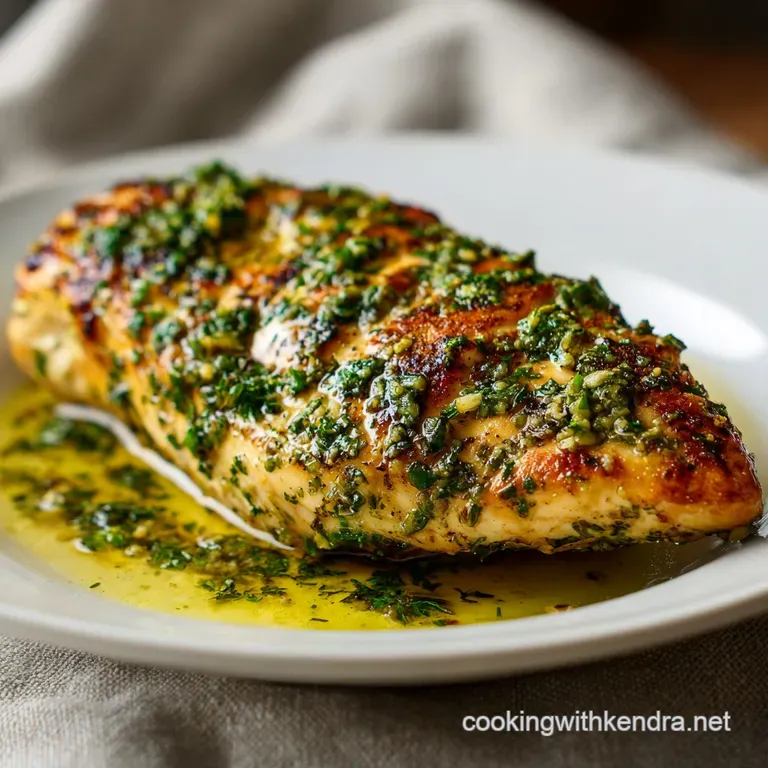
step-by-step Guide to Butter Basting
- Dry the meat. Use paper towels to pat the 4 (7 oz) chicken breasts until completely dry. Note: Moisture is the enemy of a good sear; wet meat will steam instead of brown.
- Season thoroughly. Mix the 1.5 tsp Kosher salt, 1 tsp pepper, and 1 tsp dried oregano, then coat both sides of the chicken.
- Heat the oil. Place 2 tbsp olive oil in the skillet over medium high heat until the oil shimmers and barely wisps smoke.
- Initial sear. Lay the chicken in the pan, moving it away from you to avoid splashes. Cook 5-6 minutes until a deep golden crust forms.
- Flip carefully. Turn the pieces over. Cook for another 3-4 minutes before moving to the next step.
- Add the aromatics. Toss in the 4 tbsp butter, 6 smashed garlic cloves, 4 sprigs thyme, and 2 sprigs rosemary.
- The Arrosé. Once the butter foams, tilt the pan slightly and use a large spoon to constantly pour the herb butter over the chicken.
- Check temperature. Use a meat thermometer to ensure the thickest part reaches 165°F.
- Rest the meat. Move the chicken to a plate and pour the remaining pan butter over it. Wait 5 minutes before slicing to keep it juicy.
- Garnish. Sprinkle the 1 tbsp minced parsley over the top and serve immediately.
Simple Fixes for Common Cooking Mistakes Fast
Why is the chicken rubbery?
This usually happens when the heat is too low or the chicken was cooked straight from the fridge. When meat is cold, the outside overcooks while the inside struggles to catch up. Try letting your chicken sit on the counter for 15 minutes before you start. This allows for a more even heat transfer.
Why is my garlic bitter and black?
Garlic burns incredibly fast. If you put it in at the very start with the oil, it will turn into little bitter charcoal bits. That’s why we wait until the final few minutes and add it with the butter. The butter lowers the pan temperature slightly and acts as a buffer.
| Problem | Root Cause | Solution |
|---|---|---|
| No golden crust | Pan wasn't hot enough | Wait for the oil to shimmer before adding meat |
| Dry, woody texture | Overcooked past 165°F | Use a thermometer and pull at 160°F (it will rise) |
| Butter is smoking | Heat is too high | Turn the burner down to medium once butter is added |
Common Mistakes Checklist:
- ✓ Never crowd the pan; leave space between breasts so they sear, don't steam.
- ✓ Don't move the chicken for the first 4 minutes; let that crust develop undisturbed.
- ✓ Always use unsalted butter to avoid a salt bomb finish.
- ✓ Use a spoon with a long handle for basting to keep your hand away from the heat.
- ✓ Pat the chicken dry like your life depends on it!
Easy Flavor Variations Your Family Will Love
If you want to scale this recipe down for a solo dinner, just use half the ingredients and a smaller 8 inch skillet. When scaling up for a crowd, work in batches. Don't try to fit 8 breasts in one pan, or you'll lose that "shatter" crispness on the skin.
Use 1.5x the herbs and garlic for a double batch, but keep the liquids at a 1:1 ratio.
- Mediterranean
- Add a squeeze of lemon juice and some capers to the butter at the very end.
- Spicy
- Rub the chicken with 1/2 tsp red pepper flakes along with the oregano.
- dairy-free
- Use a high-quality vegan butter or just stick to the olive oil and aromatics.
For those cold nights when you want something even more hearty, you can take these same herb profiles and apply them to a Chicken Stew recipe for a slow simmered comfort meal.
Storing Leftovers and Smart Zero Waste Tips
This chicken stays delicious in the fridge for up to 4 days if kept in an airtight container. To reheat without it turning into a brick, I recommend slicing it first and warming it in a pan with a splash of water or more butter over low heat. Avoid the microwave if you can help it!
You can also freeze the cooked breasts for up to 3 months. Just wrap them tightly in foil and then place them in a freezer bag.
Don't throw away those leftover herb stems or the garlic cloves from the pan! The garlic becomes soft and sweet like candy; I love mashing it into a piece of toast the next morning. The herb stems can be tossed into a freezer bag to be used later when making a homemade stock.
Perfect Sides and Quick Meal Pairing Ideas
There are so many myths about cooking chicken. Some people think you need to wash the meat first please don't, it just spreads bacteria! Others believe that searing "seals in juices," but science tells us it's actually about the flavor of the crust.
The moisture stays inside because we don't overcook it and we let it rest properly.
This dish pairs beautifully with a simple roasted vegetable or a pile of fluffy rice. If you’re looking for a one pan wonder, you could even serve this alongside a Skillet Chicken with recipe variation that includes a slightly more decadent sauce. I usually go for a crisp green salad to balance out that rich, herb infused butter. Whatever you choose, just make sure you have some crusty bread to soak up every last drop of that liquid gold from the pan!
High in Sodium
960 mg mg of sodium per serving (42% of daily value)
The American Heart Association recommends limiting sodium intake to about 2,300mg per day for overall cardiovascular health.
Sodium Reduction Tips for This Recipe
-
Reduce Salt-25%
Reduce the amount of Kosher salt used. Try using only 0.75 tsp instead of 1.5 tsp. You can always add more to taste at the end if needed. Remember, salt is used throughout the recipe to season the chicken.
-
Eliminate Salt-25%
Completely eliminate the added salt from the recipe, tasting and adjusting the seasoning at the end. This will reduce the sodium content significantly while still allowing you to control the final flavor.
-
Fresh Herbs Boost
Enhance the flavor profile with even more fresh herbs like parsley, thyme, and rosemary. This will help compensate for the reduced salt and add depth of flavor.
-
Spice It Up!
Experiment with sodium free spices and herbs like garlic powder, onion powder, smoked paprika, or red pepper flakes to add flavor without adding sodium.
Recipe FAQs
How to make garlic and herb chicken breast?
Pat the breasts completely dry, season heavily, and sear them over medium high heat until golden brown on both sides. In the final minutes, add butter, smashed garlic, and fresh herbs, then continuously spoon the melted, infused fat over the chicken until it reaches 165°F internally.
What herbs and spices go well with chicken breast?
Rosemary, thyme, and oregano are excellent foundational choices. These classic herbs stand up well to high heat and pair perfectly with garlic and the richness of butter basting.
What herbs go with chicken and garlic?
Rosemary and thyme are the ideal pairing for the aromatic garlic infusion. Their piney and earthy notes complement the poultry beautifully during the basting stage.
What is the best way to cook chicken breasts to keep them moist and tender?
Sear first, baste constantly, and rest thoroughly. Searing creates flavor, while basting prevents the surface from drying out; resting allows the internal juices to redistribute, which is key to tenderness.
How long should I sear the chicken before adding butter and herbs?
Sear for 5 to 6 minutes on the first side until a deep golden crust forms. Don't move the breast during this time; this allows the Maillard reaction to develop the best flavor foundation.
Is it true that I must use fresh herbs for the butter basting technique?
No, this is a common misconception regarding this specific method. While dried herbs work for the initial rub, fresh herbs release their essential oils more effectively into the butter for that strong aromatic infusion during the basting process.
What internal temperature should the chicken reach before removing it from the heat?
Pull the chicken when the thickest part registers 160°F, as carryover cooking will take it to the safe 165°F. If you wait until it hits 165°F on the stove, it will likely be overcooked after resting.
Garlic Herb Chicken Breast
Ingredients:
Instructions:
Nutrition Facts:
| Calories | 402 kcal |
|---|---|
| Protein | 45 g |
| Fat | 24 g |
| Carbs | 2 g |
| Fiber | 0.6 g |
| Sugar | 0.2 g |
| Sodium | 960 mg |
