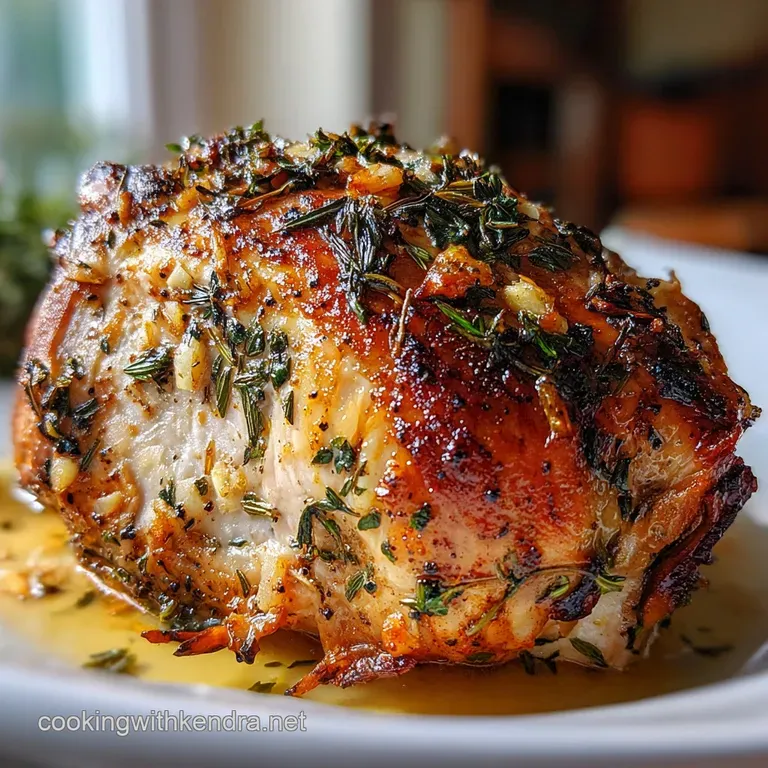
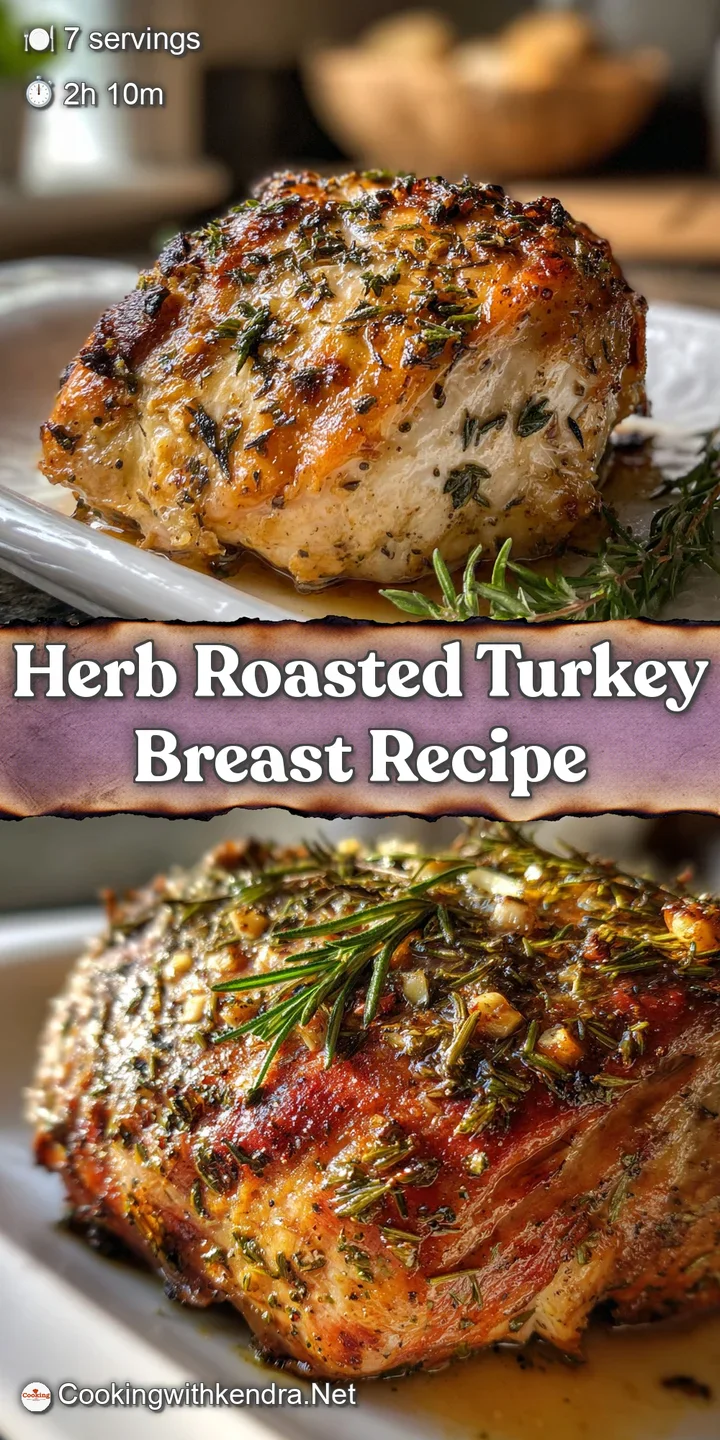
Oven-Cooked Turkey Breast with Garlic and Herbs: Buttery Interior
- Time: Active 40 minutes, Passive 1 hour 30 mins, Total 2 hours 10 mins
- Flavor/Texture Hook: Savory garlic herb crust with a buttery, velvety interior.
- Perfect for: Small family gatherings, budget-friendly Sunday roasts, or beginner level holiday hosting.
- Creating Oven Cooked Turkey Breast with Garlic and Herbs
- Thermal Physics and Flavor Science
- Precise Yield and Time Requirements
- Component Analysis and Smart Selection
- Shopping List Breakdown
- Essential Tools for Even Roasting
- Step-By-Step Culinary Execution
- Overcoming Common Roasting Obstacles
- Dietary Adaptations and Modifications
- Preservation and Smart Repurposing
- Presentation and Pairing Ideas
- Recipe FAQs
- 📝 Recipe Card
Creating Oven Cooked Turkey Breast with Garlic and Herbs
I remember the first time I tried roasting just the breast for a small family dinner. I was terrified it would turn into a pile of dry sawdust. You know that sound when you slice into meat and it’s just... silent? No juice, no sizzle, just sad, white fibers. I’ve made that mistake so you don't have to.
The secret I stumbled upon wasn't some fancy gadget; it was the humble compound butter tucked right under the skin. This recipe provides a truly delicious Oven Cooked Turkey Breast with Garlic and Herbs.
When you hear that first "shatter" of the skin as the knife breaks through, you’ll know you’ve nailed it. The aroma of sage and rosemary hitting the hot fat creates a scent that fills the house and makes everyone hover in the kitchen.
It's about taking a relatively lean, budget friendly cut and treating it with the same respect as a prime rib. We're going for a golden brown finish that looks like it belongs on a magazine cover but tastes like home comfort.
Forget the stress of a twenty pound bird that takes all day and leaves you with a fridge full of leftovers you can’t finish. We’re focusing on a 6.5 lbs bone in breast that’s manageable, affordable, and incredibly consistent.
Whether it’s your first time roasting poultry or you’re a seasoned pro looking for a simpler weeknight win, this method delivers a succulent result every single time. Let's get that oven preheated and crack on.
Thermal Physics and Flavor Science
The Bone In Thermal Buffer: The central bone acts as a heat conductor, distributing warmth evenly from the inside out while protecting the delicate breast meat from overcooking.
Lipid Infused Hydration: Fat from the butter creates a moisture barrier that prevents evaporation, essentially "basting" the meat from beneath the skin.
Maillard Reaction Intensity: The combination of lemon zest acidity and butter solids accelerates browning, resulting in a deeply savory, aromatic crust.
| Thickness | Internal Temp | Rest Time | Visual Cue |
|---|---|---|---|
| 2-3 inches | 160°F | 15 minutes | Juices run clear when pierced |
| 3-4 inches | 160°F | 20 minutes | Skin is taut and mahogany brown |
| 4+ inches | 160°F | 25 minutes | Meat feels firm to the touch |
Resting the meat is the most vital step in the process. If you slice it the moment it leaves the oven, all those hard earned juices will end up on your cutting board instead of in your mouth. Think of the fibers like tiny sponges that need to relax to hold onto their liquid.
Trust me on this, twenty minutes of waiting is the difference between a succulent meal and a dry one.
Precise Yield and Time Requirements
This 6.5 lbs bone in turkey breast is designed to serve 7 people comfortably. If you’re cooking for a smaller crowd, you can easily scale this down, but keep the bone in cut if possible for the best flavor.
For a 3 lb breast, reduce the roasting time by about 30%, but always rely on your meat thermometer rather than the clock. If you decide to double the recipe, avoid crowding the pan; use two separate roasting dishes to ensure the air circulates freely, or the skin will steam rather than crisp.
One common myth is that you need to baste the bird every twenty minutes. Honestly, don't even bother. Opening the oven door constantly drops the temperature and extends the cooking time, which actually dries out the meat. The compound butter under the skin does all the basting for you from the inside out.
Another myth is that the "pop up" timers included in some turkeys are accurate; they usually trigger at 180°F, which is far too high. Toss that plastic tab and use a digital probe for a much better result.
| Fresh Herbs | Dried Herbs | Flavor Impact |
|---|---|---|
| 1 tbsp Sage | 1 tsp Dried | More earthy, less bright notes |
| 1 tbsp Thyme | 1 tsp Dried | Concentrated flavor, less aromatic |
| 1 tbsp Rosemary | 1 tsp Dried | Can be "piney" if overused |
Using fresh herbs is always the goal for that vibrant, garden fresh scent. However, if you’re on a tight budget or forgot to hit the produce aisle, dried herbs work in a pinch just remember the 3:1 ratio. Dried herbs are much more potent, so you only need a third of the amount.
Just be sure to rub them between your palms before adding them to the butter to "wake up" the oils.
Component Analysis and Smart Selection
| Ingredient | Science Role | Pro Secret |
|---|---|---|
| Bone in Turkey | Heat Distribution | Leaves meat juicier than boneless cuts |
| Unsalted Butter | Moisture Barrier | Soften to room temp for easy spreading |
| Lemon Zest | Acid Balance | Cuts through the richness of the fat |
| Yellow Onion | Aromatic Steam | Quarters provide a stable "rack" for the bird |
Choosing the right turkey is half the battle. I always look for a "natural" breast without added salt solutions, which gives me total control over the seasoning. If you’re using a frozen breast, ensure it is completely thawed in the fridge for 24-48 hours.
Any icy spots in the center will lead to uneven cooking, leaving the outside dry before the inside is even safe to eat.
Shopping List Breakdown
- 1 bone in turkey breast (6.5 lbs): Look for one with intact skin and no bruising.
- 2 tbsp extra virgin olive oil: Used for the initial sear and to help salt adhere.
- 2 tsp coarse sea salt:Why this? Larger crystals provide a better crunch on the skin than fine table salt. (Substitute: Kosher salt)
- 1 tsp cracked black pepper: Freshly cracked has a much more floral heat. (Substitute: White pepper)
- 1 large yellow onion: Acts as a fragrant base. (Substitute: 3 large shallots)
- 1 head of garlic: Halved crosswise to release oils. (Substitute: Garlic powder in the rub)
- 0.5 cup unsalted butter: Softened. Why this? Allows us to control the salt level perfectly. (Substitute: Ghee or Margarine)
- 4 cloves garlic: Minced finely for the butter. (Substitute: 1 tsp garlic paste)
- 1 tbsp fresh rosemary: Finely chopped. (Substitute: Dried rosemary)
- 1 tbsp fresh sage: Finely chopped. (Substitute: Dried sage)
- 1 tbsp fresh thyme: Finely chopped. (Substitute: Dried thyme)
- 1 tsp lemon zest: Adds a necessary bright note. (Substitute: 1 tsp lime zest)
Essential Tools for Even Roasting
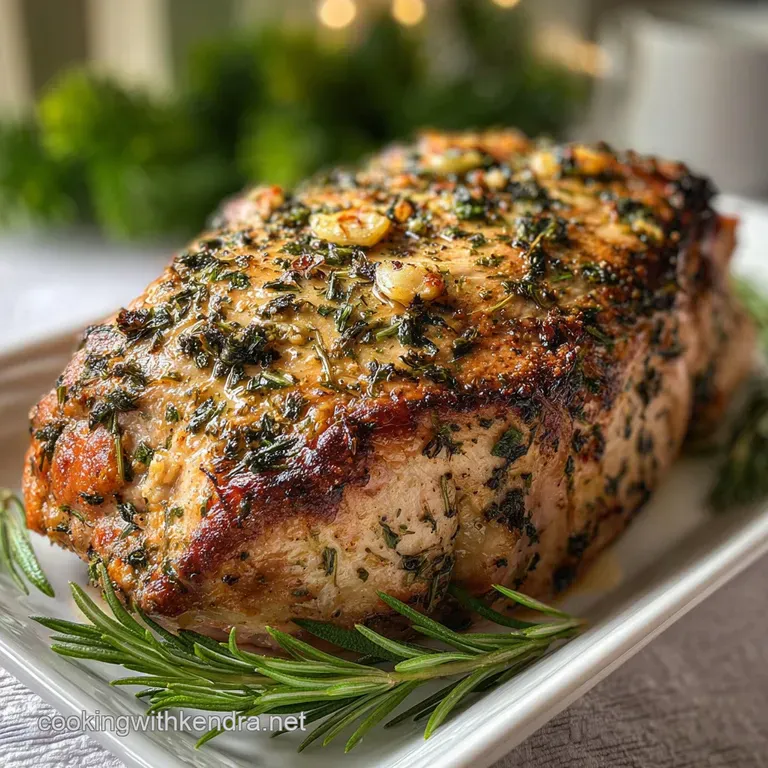
You don't need a professional kitchen, but a few basics make this much easier. A heavy bottomed roasting pan or a large cast iron skillet (like a Lodge) is ideal because it holds heat so well.
If you don't have a roasting rack, the quartered onions and halved garlic head in this recipe serve as a natural, edible rack that keeps the meat from sitting in its own juices.
A digital meat thermometer is non negotiable here. I’ve ruined enough dinners by "guessing" to know that $15 is a small price to pay for peace of mind. You’ll also want a sharp chef’s knife for mincing the herbs and a pair of kitchen shears if you need to trim any excess skin.
For the butter, a simple small bowl and a fork are all you need to mash everything together.
step-by-step Culinary Execution
- Prepare the bird. Pat the turkey breast completely dry with paper towels. Note: Moisture on the skin leads to steaming rather than browning.
- Season the exterior. Rub the turkey with 2 tbsp extra virgin olive oil and sprinkle with 2 tsp coarse sea salt and 1 tsp cracked black pepper.
- Create the butter. In a small bowl, mash 0.5 cup unsalted butter with 4 minced garlic cloves, chopped rosemary, sage, thyme, and 1 tsp lemon zest.
- Apply the butter. Gently loosen the skin from the meat with your fingers and spread half of the butter mixture directly onto the meat under the skin.
- Finish the skin. Rub the remaining herb butter over the outside of the skin, ensuring even coverage.
- Set the aromatics. Place the quartered yellow onion and halved garlic head in the center of your roasting pan.
- Position the turkey. Place the turkey breast directly on top of the onions and garlic.
- Roast the meat. Bake at 325°F for 1 hour 30 mins until the internal temperature reaches 160°F.
- Rest the bird. Remove from the oven and tent loosely with foil. Let it rest for 20 minutes to allow juices to redistribute.
- Carve and serve. Slice against the grain into thick, succulent pieces.
Chef's Tip: For a deeper flavor, freeze your butter for 10 minutes before grating it into the herbs. This creates tiny "flavor pockets" that melt at different rates, keeping the meat basted for longer.
Overcoming Common Roasting Obstacles
Sometimes things don't go exactly as planned, even for experienced cooks. If your skin isn't browning as fast as you'd like, don't panic. You can always turn the oven up to 400°F for the last 10 minutes of cooking.
Just keep a very close eye on it so it doesn't go from golden to burnt in a flash.
Why Your Turkey Skin Is Soggy
This usually happens because the bird wasn't dried properly or the oven temperature was too low. If the skin feels soft, it means moisture was trapped. Always pat the meat dry until the paper towel comes away bone dry.
Also, avoid covering the bird with foil during the actual roasting process, as this creates a steam tent.
Why Your Meat Is Dry
If you find the meat is dry despite the butter, you likely overcooked it. Turkey breast is very lean, and once it passes 165°F, it sheds moisture rapidly. Remember that carry over cooking will raise the temperature by about 5 degrees while it rests, so pulling it at 160°F is the sweet spot.
| Problem | Root Cause | Solution |
|---|---|---|
| Skin is pale | Temperature too low | Increase heat to 400°F for final 10 mins |
| Meat is tough | No resting period | Rest for at least 20 minutes before carving |
| Herb butter burnt | Placed on top too early | Use foil tenting if browning too fast |
Common Mistakes Checklist
- ✓ Forgot to pat the turkey dry (soggy skin risk)
- ✓ Using cold butter that won't spread (tears the skin)
- ✓ Skipping the onion/garlic rack (bottom of meat gets mushy)
- ✓ Cutting into the meat too soon (all juices leak out)
- ✓ Relying on a "pop up" timer instead of a digital probe
Dietary Adaptations and Modifications
For a dairy-free Version
If you need to avoid dairy, you can substitute the unsalted butter with a high-quality plant based butter or even a thick garlic infused olive oil paste. The result will still be savory, though you'll lose that specific "brown butter" aroma that dairy provides.
It's a great way to keep the dish inclusive for everyone at the table.
For a Spiced Twist
If you want to move away from traditional herbs, try a dry rub of smoked paprika, cumin, and onion powder. This pairs excellently with the natural sweetness of the turkey. You can still use the onion and garlic base in the pan to keep the moisture levels high. This version is especially good if you plan on using leftovers for tacos or a Chicken and Vegetable Soup recipe.
Preservation and Smart Repurposing
Store any leftovers in an airtight container in the fridge for up to 4 days. To keep the meat from drying out during reheating, add a splash of chicken broth to the dish and cover it tightly with foil. This creates a small steam chamber that revives the velvet texture of the turkey without overcooking it.
You can also freeze sliced turkey for up to 3 months just make sure it's wrapped tightly in plastic wrap and then foil to prevent freezer burn.
Don't you dare throw away that bone! The turkey carcass and the roasted onions/garlic from the pan are gold for making a rich, homemade stock. Toss them into a pot with some water, peppercorns, and a bay leaf, and simmer for 3 hours. This stock is the perfect base for a Chicken Broccoli Rice recipe or a simple noodle soup later in the week.
Presentation and Pairing Ideas
Presentation is all about the contrast. I love serving this on a large wooden board surrounded by fresh sprigs of the same herbs used in the butter rosemary and sage look particularly elegant.
Slicing the breast into thick medallions rather than thin shavings helps it retain heat and looks much more rustic and appetizing. Drizzle any remaining pan juices (the "liquid gold") directly over the sliced meat just before serving.
As for pairings, you can't go wrong with classic mashed potatoes or a roasted root vegetable medley. If you want something a bit lighter, a crisp arugula salad with a lemon vinaigrette mirrors the lemon zest in the turkey rub beautifully.
The goal is to have sides that complement the garlic herb profile without competing with it. This Oven Cooked Turkey Breast with Garlic and Herbs is the star of the show, so keep everything else simple and let the succulent meat shine.
Recipe FAQs
What is the ideal internal temperature to pull the turkey breast out of the oven?
Pull it at 160°F. Remember that carry over cooking will raise the temperature by about 5 degrees while it rests, which is the sweet spot for juicy meat.
How do I ensure the turkey skin gets crispy and doesn't become soggy?
Pat the turkey skin completely dry before seasoning. Moisture on the surface leads to steaming rather than browning, so use paper towels until the skin feels completely dry.
Do I really need to rest the turkey breast after roasting?
Yes, rest for at least 20 minutes. This allows the muscle fibers to relax and reabsorb the internal moisture, preventing all the juices from running out when you carve.
What can I substitute for the compound butter if I need a dairy-free option?
Use a high-quality plant based butter or thick garlic infused olive oil paste. You will lose some of the specific brown butter aroma, but the savory flavor profile will remain intact.
How should I calculate dried herb quantities if I don't have fresh herbs?
Use a 3:1 substitution ratio, favoring dried herbs over fresh. You only need one third of the amount of dried herbs because their flavor is much more concentrated than fresh varieties.
How can I use the leftover roasted carcass and aromatics from the pan?
Simmer them for hours to create a rich stock. Toss the remnants with water and peppercorns; this foundational technique is also used to build deep flavor in our Butter Chicken Recipe.
What is the best way to prevent the turkey breast from drying out during the roasting process?
Stuffing compound butter directly under the skin is key. This creates an internal basting system that locks in moisture, which is a technique we also utilize for wonderfully juicy results when we master how to smoke a turkey.
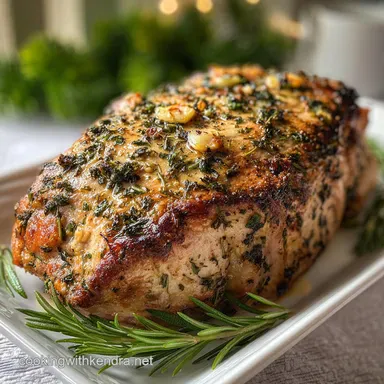
Garlic Herb Turkey Breast
Ingredients:
Instructions:
Nutrition Facts:
| Calories | 512 kcal |
|---|---|
| Protein | 61.2 g |
| Fat | 27.4 g |
| Carbs | 2.8 g |
| Fiber | 0.6 g |
| Sugar | 0.8 g |
| Sodium | 695 mg |
