Italian Beef Stew Spezzatino Di Manzo Tender and Rich Comfort Food
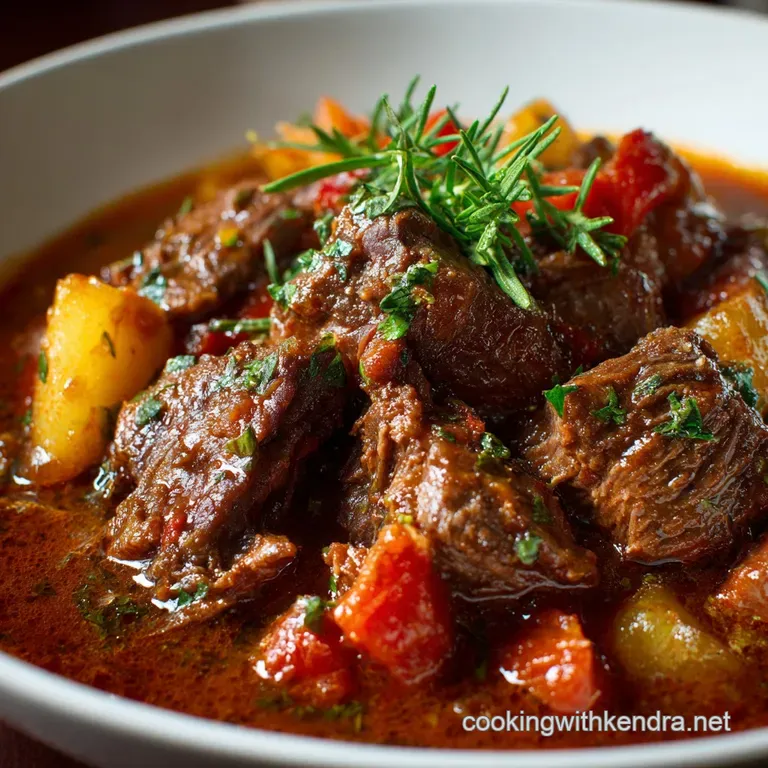
- The Soul and Restoring Magic of Spezzatino
- Essential Components for an Authentic Flavor Base
- Required Kitchen Tools for Slow Cooking Success
- Mastering the Preparation: From Sear to Simmer
- The Patient Process of Slow Cooking
- Expert Tips and Serving Suggestions
- Preparing and Storing Your Italian Beef Stew
- Recipe FAQs
- 📝 Recipe Card
The Soul and Restoring Magic of Spezzatino
Listen, when the weather turns rotten, my brain immediately defaults to Spezzatino. This isn't just any old beef stew recipe; this is the one you make when you need a culinary hug. It is pure, unadulterated Italian comfort, and the smell while it cooks is enough to fix almost any terrible day.
I’m talking about deep, earthy, wine and soaked richness, with beef so tender you could legitimately cut it with a wooden spoon. Seriously.
I used to think stews were complicated, but they’re not. They just demand time . And patience. That’s the secret ingredient we forget about. Right then, let’s talk about how we nail this classic Italian beef stew, so it tastes like a nonna made it, even if your name is actually Chad from Cleveland.
What Makes This Classic Italian Beef Stew Stand Out?
A lot of people associate "beef stew" with something heavy, maybe thickened with a ton of flour, perhaps involving carrots and potatoes all boiled down into a bland mush. Not Spezzatino. (Which, by the way, just translates to "little pieces," referring to the cut and up beef.)
This Italian Beef Stew relies on building flavor layers, starting with the holy trinity: the soffritto . That gentle base of carrot, onion, and celery, cooked low and slow until it’s unbelievably sweet.
We use robust red wine, high and quality stock, and maybe a little touch of tomato often just enough to add depth, not to make it taste like a pasta sauce. The goal here is a rich, unctuous sauce that coats the beef, not soup.
A Note on Regional Spezzatino Variations
Italy is incredibly diverse, right? So, naturally, Spezzatino changes depending on whether you’re near the Alps or the Mediterranean. In the north, you often find Spezzatino served over creamy polenta, maybe with a few wild mushrooms thrown in for earthiness.
Down south, particularly in Sicily, you might see a touch of brightness maybe a bay leaf, maybe a pinch of fennel seed, or even a strip of orange zest added during the long simmer. That citrus lift? It sounds weird, but trust me, it cuts through the richness beautifully.
This recipe lands somewhere in the middle, achieving universal comfort without getting too bogged down in one specific regional rule.
Essential Components for an Authentic Flavor Base
You cannot fake quality here. You can try, but you will taste the difference. We need to be picky about two things: the tomatoes and the stock.
If you are using cheap, watery tinned tomatoes, this stew will taste thin. Find the best can of whole peeled San Marzano tomatoes you can get your hands on, or a good quality crushed variety. They have the perfect balance of acidity and sweetness. Next,, beef stock.
I know we all have those dusty bouillon cubes lurking in the back of the pantry, but for a stew that cooks for three hours, please, please use a high and quality, preferably low and sodium, liquid beef stock. It becomes the heart of your sauce.
Required Kitchen Tools for Slow Cooking Success
Honestly, if you don't own a Dutch oven yet, this is the time to splurge. A heavy and bottomed, enameled cast iron pot is the absolute king of stews. Why? Because it holds heat like nothing else, ensuring every part of the pot the sides, the bottom, the liquid stays at an incredibly consistent, gentle temperature.
| Tool | Necessity Level | Why It Matters |
|---|---|---|
| Dutch Oven | Non and Negotiable | Even heat distribution prevents scorching. |
| Sharp Knife | High | Precise, small dicing for the soffritto is crucial. |
| Tongs | High | Essential for searing beef without piercing it. |
Selecting the Perfect Cut of Beef for Melting Tenderness
We are looking for connective tissue, my friends. That's the stuff that breaks down into gelatin during a long, slow braise, transforming tough muscle into fork and tender magic.
Chuck steak or beef shoulder is your best friend here. It’s affordable, full of flavour, and built for slow cooking. When you trim the fat, be diligent, but don't obsess. Leave a bit of marbling, as that contributes richness, but remove the huge, obvious chunks of silver skin or solid white fat.
Cut the beef into decent 3 cm (or 1.2 inch) pieces. If they’re too small, they’ll break down and disappear into the sauce.
The Art of the Soffritto: Building Deep Flavor
The soffritto —that’s your onion, carrot, and celery base is non and negotiable in Italian cooking. It is the very soul of the dish. The goal is to cook these vegetables until they have surrendered all their structure and sweetness.
If you rush this step (and I used to, guilty as charged!), the stew will taste aggressive and disjointed. We’re aiming for soft, gentle, almost jammy vegetables.
Choosing the Right Red Wine and Quality Stock
Rule number one about cooking with wine: If you wouldn’t drink it, don’t cook with it. It doesn’t need to be fancy a standard Chianti, a good Merlot, or even a robust Montepulciano works perfectly. We’re looking for a dry wine with some structure that can stand up to the beef.
Crucial Note: Never use "cooking wine." It’s full of salt and preservatives and will give your beautiful stew a weird, metallic aftertaste. Use a proper bottle. It’s worth the extra five bucks.
Dutch Oven vs. Slow Cooker: Which Should You Use?
While the Slow Cooker is convenient, the Dutch Oven wins every single time for Spezzatino, specifically because of the searing step. You need high, even heat to get that deep crust on the beef, and most slow cooker inserts just don’t cut it.
Searing and building the soffritto in one vessel, then transferring it to the low, steady heat of the oven? That’s the pro move. The oven ensures the heat surrounds the pot equally, unlike a stovetop, which tends to concentrate heat only on the bottom, leading to potential scorching.
Related Recipes Worth Trying
- Taco Soup The Easiest OnePot Recipe with Ground Beef — This hearty Taco Soup recipe is ridiculously easy and uses simple pantry staples for max flavor Its a healthy Taco Soup with ground beef perfect for busy...
- Pasta E Fagioli Soup Slow Cooker Easy Hearty Italian Comfort — This authentic Pasta E Fagioli Soup Slow Cooker recipe delivers rich deep flavor with minimal effort Its an easy slow cooker pasta fagioli soup that tastes...
- Italian Thumbprint Cookies The Tender Almond Ricotta Recipe — Our Italian Thumbprint Cookies recipe uses fresh ricotta for a tender almost cakey shortbread base Perfect for Christmas shortbread or Italian pastries this...
Mastering the Preparation: From Sear to Simmer
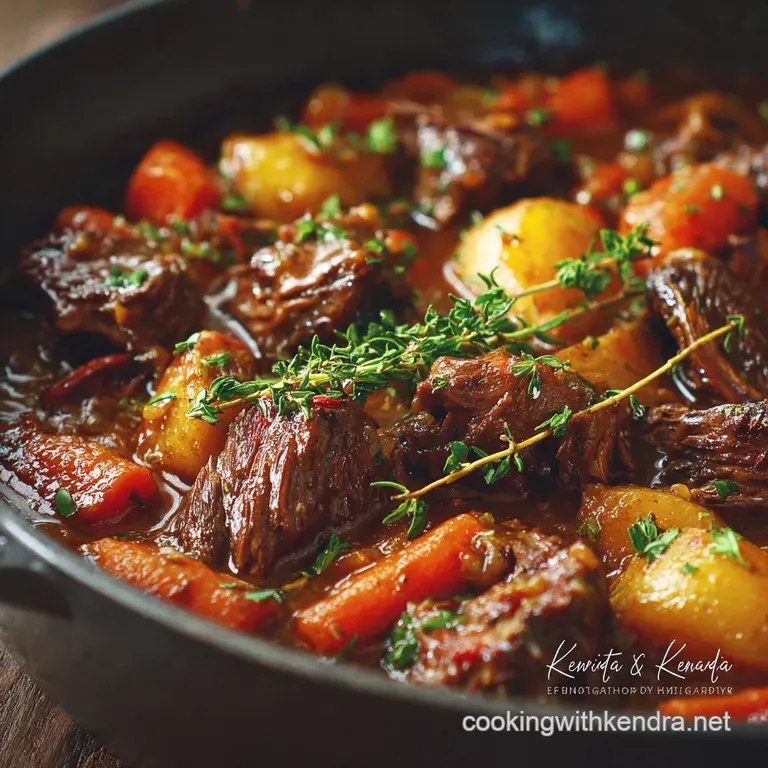
The first 25 minutes of this recipe are the most intense, but they define the next three hours. Every step matters. Do not skip the flour dusting; it aids in the browning process and helps thicken the final sauce naturally.
The Patient Process of Slow Cooking
This is where the magic happens. Once everything is in the pot, your job is basically done. But we must execute the initial steps flawlessly.
Properly Browning the Beef: Achieving Maximum Crust
This is my biggest warning: Do not crowd the pan. Seriously. I’m telling you, it’s the mistake I made for years. If you put too many cubes in at once, the temperature of the oil plummets, the meat releases liquid, and you end up steaming the beef.
Steamed beef is grey and flavorless. We want a deep mahogany crust. Work in at least two, maybe three, batches. Use a bit more oil if the pot looks dry between batches.
Sweating the Soffritto Mixture to Sweet Perfection
Once the beef is set aside, lower that heat right down. Add your diced onion, carrot, and celery. You need a full 8 to 10 minutes here, stirring occasionally. They will soften, deepen in colour, and smell incredibly sweet. Once they are soft and translucent, then add the garlic.
Garlic burns easily, so it gets the shortest cook time about 60 seconds until fragrant, and that's it.
The Deglazing Technique for Deep Flavor Extraction
This is the fun part. Pour that cup of red wine right into the hot pot. It will sizzle and immediately start lifting all those beautiful, sticky, dark brown bits (that's the fond ) off the bottom of the pot.
Use a wooden spoon to vigorously scrape the bottom as the wine simmers and reduces by about half. This deglazing step concentrates all the searing flavor into the liquid base. Once the alcohol smell dissipates, you know you’re ready for the tomatoes and stock.
Checking Consistency and Adjusting Seasoning
After the long braise, the beef should be so tender it falls apart. But now we need to finish the sauce. Remove the herb stems and bay leaves don't forget that step! Taste it. Does it need more salt? Maybe. Does it need balance? Almost certainly. This is where the balsamic vinegar comes in.
That little splash of acid at the end brightens the entire profile and cuts through the richness of the beef and wine. It’s a secret weapon.
Expert Tips and Serving Suggestions
Here are a few things I’ve learned over countless batches of Spezzatino:
- Make it Ahead: Spezzatino is one of those dishes that is genuinely better the next day. The flavors truly marry overnight, so if you can, cook it completely the day before and just reheat it gently.
- Keep it Low: Maintain that oven temperature. If you see the stew bubbling rapidly, your oven is too hot or the pot isn't sealed well. Slow and steady wins the tenderness race.
- The Parsley Finish: Toss in a handful of fresh chopped Italian parsley right before serving. The brightness makes the whole dish pop visually and texturally.
Preparing and Storing Your Italian Beef Stew
Achieving That Perfect, Rich Stew Thickness
We rely on two things for thickness: the flour dusting on the beef and the reduction during the long cook time. If, at the end of the cooking process, your stew still seems too thin, you have options.
One, remove the lid, set the pot on the stovetop over medium heat, and let it simmer uncovered for 5– 10 minutes. The liquid will evaporate and the sauce will thicken.
Two, if you are truly impatient, make a slurry: whisk 1 tablespoon of cornstarch (cornflour) with 2 tablespoons of cold water, then stir it into the simmering stew until it thickens.
The Best Accompaniments for Spezzatino
This stew demands something absorbent. Period. Don't try to serve it with rice (unless you absolutely must). The classics are classics for a reason:
- Creamy Polenta: My absolute favorite. Soft, buttery, and perfect for soaking up every molecule of that rich sauce.
- Pappardelle or Fettuccine: Wide, hearty noodles are fantastic if you want a true primo piatto feeling.
- Crusty Bread: Essential for fare la scarpetta —the Italian tradition of wiping the plate clean with bread.
Safely Freezing and Reheating Leftovers
Spezzatino freezes beautifully. Once cooled completely, portion the stew into airtight freezer and safe containers. It will last easily for 3 months. When you want to eat it, thaw it overnight in the fridge. Reheat it slowly on the stovetop or in the oven at a low temperature (160°C/325°F).
You might need to add a small splash of stock or water if the sauce has thickened too much upon reheating.
Scaling the Recipe for Larger Gatherings
If you need to double this recipe, remember to use a significantly larger vessel we’re talking 8 or 9 quart capacity here. While you can double the ingredients, do not double the searing time in total; double the number of batches you sear.
You still need that high, intense heat for each batch of beef. Also, when scaling up liquids, stick to the general rule: aim for the liquid to just cover the meat. If you add too much stock or wine, the stew will be watery, and you’ll have to spend forever reducing it later. Keep it cozy.
Recipe FAQs
I’ve followed the timing, but my Italian Beef Stew beef is still a bit chewy. Did I do something wrong?
Not at all! Toughness usually just means it needs more time; stewing beef relies on the collagen breaking down, which takes prolonged, gentle heat. If it’s chewy, simply cover the pot and keep braising for another 15 30 minutes until it yields easily to a fork patience is key!
Can I prepare this Spezzatino recipe the day before the dinner party?
Absolutely, and in fact, it improves! Making it ahead allows the fat to solidify, the sauce to settle, and the flavours to marry and deepen beautifully overnight. Store it tightly covered in the fridge for up to 3 days, and reheat gently on the stovetop.
Gosh, I’ve realised I don't have any red wine for the deglazing step. Is there a good substitute?
If you're out of wine or prefer an alcohol free version, a mix of half beef stock and half unsweetened cranberry or grape juice works perfectly. Add a teaspoon of red wine vinegar to this blend for the acidity needed to brighten the final dish.
What’s the traditional, best thing to serve with this gorgeous, rich stew?
For a truly authentic experience, serve it over creamy polenta or wide, fresh pasta like pappardelle to soak up that incredible sauce. Do ensure you have some crusty sourdough bread on hand for fare la scarpetta (mopping up the very last drops).
My sauce seems a little too runny after the long braise. How can I thicken it up a bit?
Easy peasy! Simply remove the lid, return the pot to the hob, and simmer vigorously over medium heat for 5 10 minutes; this reduction will naturally thicken the sauce to a perfect consistency, Bob’s your uncle.
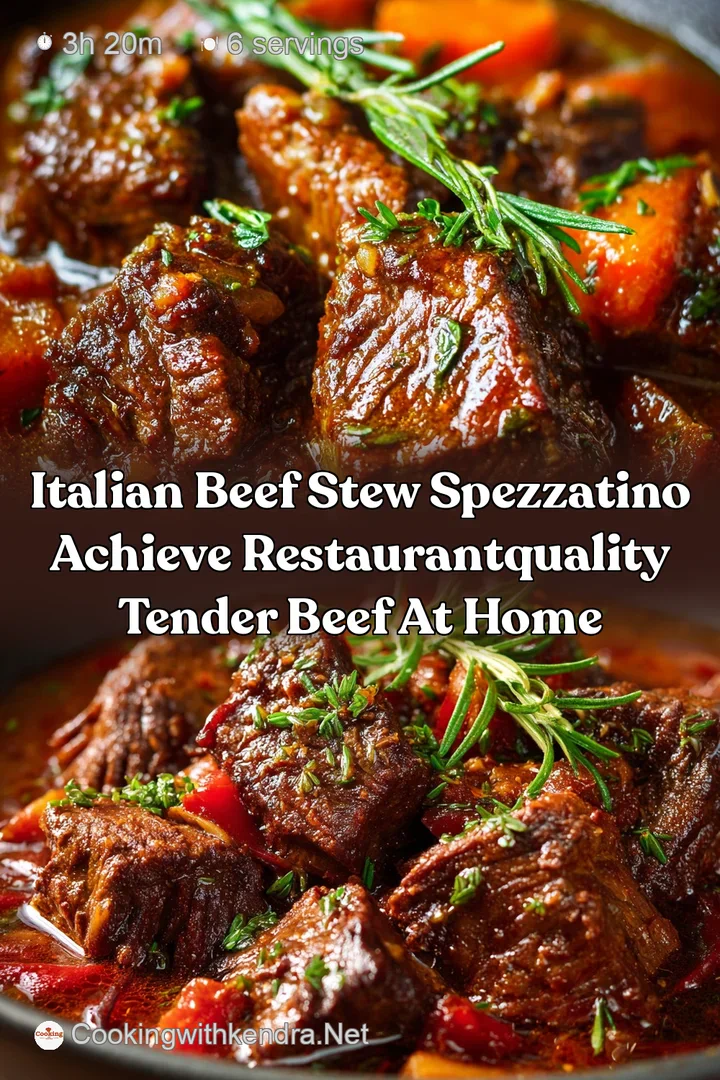
Hearty Italian Beef Stew Spezzatino
Ingredients:
Instructions:
Nutrition Facts:
| Calories | 580 kcal |
|---|---|
| Fat | 25 g |
| Fiber | 5 g |
