Rotisserie Chicken Soup: Proper Broth for Comfort Food
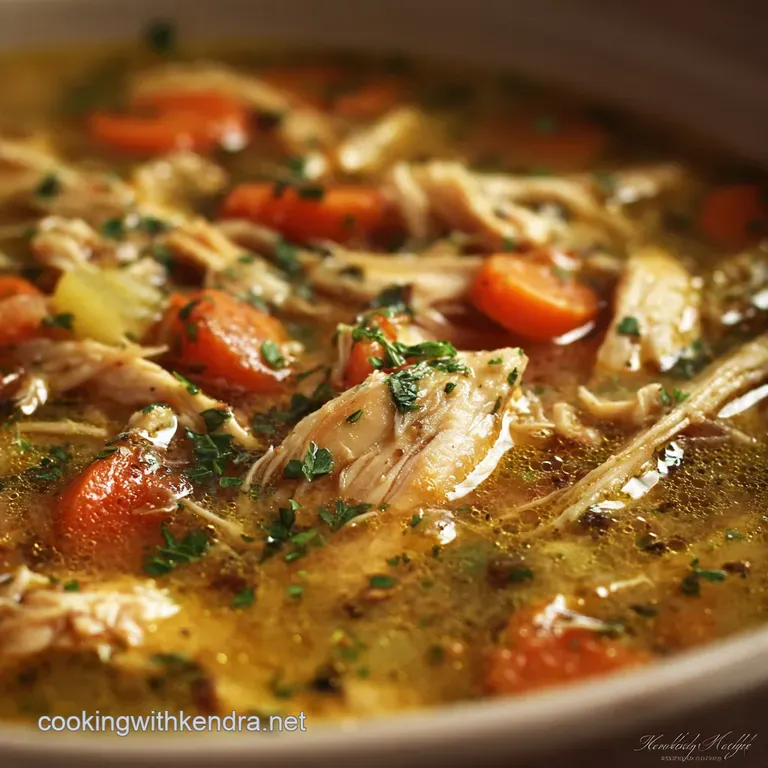
- The Proper Job: Elevating Convenient Rotisserie Leftovers into a Gourmet Meal
- Mastering Velvety Broth: The Secret to Intense Flavour Extraction
- Essential Components for the Hearty Rotisserie Chicken Soup
- Crafting the Ultimate Rotisserie Chicken Soup: Step-by-Step Method
- Troubleshooting Your Soup: Chef’s Tips and Pitfall Prevention
- Practical Guide to Storing and Freezing This Hearty Meal
- Perfect Pairings: What to Serve Alongside Your Comfort Bowl
- Recipe FAQs
- 📝 Recipe Card
The Proper Job: Elevating Convenient Rotisserie Leftovers into a Gourmet Meal
Okay, listen up. There is nothing and I mean nothing more comforting than walking through the door on a freezing Tuesday and smelling proper, slow simmered soup. This particular aroma, the deep, savoury scent of a truly rich Rotisserie Chicken Soup , hits different.
It's warm, it’s earthy, and it whispers promises of immediate coziness. Forget those watery, bland soups you get in a carton; this is the real deal, baby.
I know what you're thinking: another soup recipe? But trust me, this specific method for making Rotisserie Chicken Soup is revolutionary for the weeknight cook.
It takes that supermarket shortcut that brilliant, convenient, pre-cooked rotisserie bird and turns it into the most economical, flavour packed feast you could imagine. We're talking maximum flavour for minimum effort, which is basically my motto in life.
This technique is how you stretch one store-bought bird into dinner for a family of four, plus epic leftovers for lunch.
If you’re ready to graduate from "store-bought stock soup" to "homemade, velvety broth heaven," then let’s crack on. We’re going to strip that carcass clean and then give it a second life.
This is the ultimate, hearty, and unbelievably satisfying Rotisserie Chicken Soup recipe you will ever need.
Mastering Velvety Broth: The Secret to Intense Flavour Extraction
Most people buy a rotisserie and stop there . They use packaged stock and just toss in the shredded meat. That’s fine, but it’s leaving about 80% of the available flavour potential on the table!
The absolute magic in this specific Rotisserie Chicken Soup comes from using the bones, skin, and cartilage to make an ultra concentrated broth base.
The Economics of Effortless Comfort Cooking
When you buy a whole cooked bird, you’re not just paying for the meat. You are essentially getting a free, ready-made stock base. Don't waste that gold! By using the leftover bones and bits to simmer, we create something far superior to anything in a box for pennies.
This practice makes this Rotisserie Chicken Soup one of the cheapest yet most luxurious meals you can make. The process is almost entirely hands off, too.
The Difference Between Stock and A Proper Broth Base
Stock is generally made from roasted bones and takes hours, sometimes overnight, to cook down. For this Rotisserie Chicken Soup recipe, we make a quick, intense broth a hybrid, if you will that pulls all the remaining roasted flavour from the cooked carcass in just 60 minutes.
Because the bones are already caramelized and flavourful from the initial roasting, they release their goodness much faster than raw bones would.
Why This is the Ultimate Weeknight Comfort Meal
Honestly, it’s speed, flavour, and nutrition all rolled into one steaming bowl. The fact that the protein is ready is half the battle won. This dramatically cuts down active cooking time compared to starting with raw ingredients.
Making this hearty Rotisserie Chicken Soup transforms kitchen scraps into pure, deep comfort food quickly. If you’ve got 90 minutes total (and 60 of those are just simmering time), you’ve got a gourmet meal ready for the table.
Leveraging Collagen for Rich Mouthfeel and Body
This is the real science bit. When you simmer the cooked carcass, especially the joints and bits of skin, you dissolve collagen into the liquid. Collagen is what gives good stock that incredible, slightly sticky "lip-smacking" quality when it cools.
This results in a much thicker, richer mouthfeel for your final Rotisserie Chicken Soup without needing to add any heavy cream or thickeners.
The Maillard Effect and Residual Roasting Flavours
The deep, savory, umami flavour in your broth comes directly from the residual Maillard reaction the browning process that happened when the store initially roasted the bird. We simply extract those complex, beautiful flavours from the skin and bones into our liquid.
When you start building your final Rotisserie Chicken Soup , you're beginning with a broth that already tastes fantastic, not just a watery base.
The Essential Role of Slow Simmering the Carcass
Do not rush this step. Bring the water and carcass slowly to a simmer. A gentle simmer keeps the fat emulsified and the broth clear. A rolling boil will agitate everything, resulting in a cloudy, potentially greasy broth.
Sixty minutes is the perfect sweet spot to extract maximum flavour without making the final Rotisserie Chicken Soup overly bitter or reducing the liquid too much.
Essential Components for the Hearty Rotisserie Chicken Soup
You don't need exotic ingredients to achieve flavour depth; you just need the right technique and fresh vegetables. Here is exactly what we need to make this perfect bowl of Rotisserie Chicken Soup .
Selecting the Best Base Rotisserie Item and Meat Preparation
Look for a plump bird that hasn't been sitting under the heat lamp for five hours. The darker the skin and the more rendered fat in the bottom of the container, the better that fat is flavour gold! Carefully shred all the meat, separating the white and dark pieces.
You want generous chunks for a hearty final result. Remember to reserve that beautiful pile of shredded meat completely before you start the broth.
| Ingredient | Substitute | Tip/Rationale |
|---|---|---|
| Yellow Onion | White onion or shallots. | Shallots give a softer, sweeter flavour. |
| Carrots | Parsnips or sweet potato. | Adjust simmering time if using parsnips (they are firmer). |
| Celery | Leeks (white and light green parts only). | Milder flavour, excellent texture replacement. |
| Egg Noodles | White rice (cook separately) or Orzo. | Cooking rice/pasta separately prevents a "cement block" soup overnight. |
Building the Aromatic Foundation (Mirepoix Notes)
The aromatic base the fine dice of onion, carrot, and celery (the French Mirepoix) is non-negotiable for a truly classic Rotisserie Chicken Soup .
You need to sauté these slowly in butter or olive oil until they are soft and slightly sweet, about 8– 10 minutes. This foundational step unlocks their sweetness and stops them from tasting raw when the liquid is added.
Chef’s Note: Never rush the Mirepoix. If the vegetables are squeaky or still crunchy when you add the stock, the flavour will be sharp instead of smooth and mellow. Low and slow heat is your best friend here.
Adjusting Seasonal Vegetables and Starches
I love this Rotisserie Chicken Soup with simple egg noodles, but sometimes I switch it up. If it's autumn, maybe I'll throw in a handful of diced butternut squash. If I'm using rice instead of noodles, I usually opt for long grain white rice cooked fully before adding it to the final pot. This prevents the starch overload that can ruin a perfectly clear broth. If you loved my recipe for Rotisserie Chicken Tortilla Soup: Smoky, Creamy, Ready in 55 Mins , you know I like flexibility in my starches!
Pantry Staples for Depth and Final Seasoning
Don't underestimate the power of dried thyme and garlic. Thyme and bay leaves are classic partners to poultry, providing that earthy backbone. But the real magic happens at the very end: salt, pepper, and a touch of acid.
Soup needs much more salt than you think, especially when cooking with large volumes of liquid. A final squeeze of lemon juice at the end prevents the flavour profile of your Rotisserie Chicken Soup from tasting dull or flat.
Crafting the Ultimate Rotisserie Chicken Soup: step-by-step Method
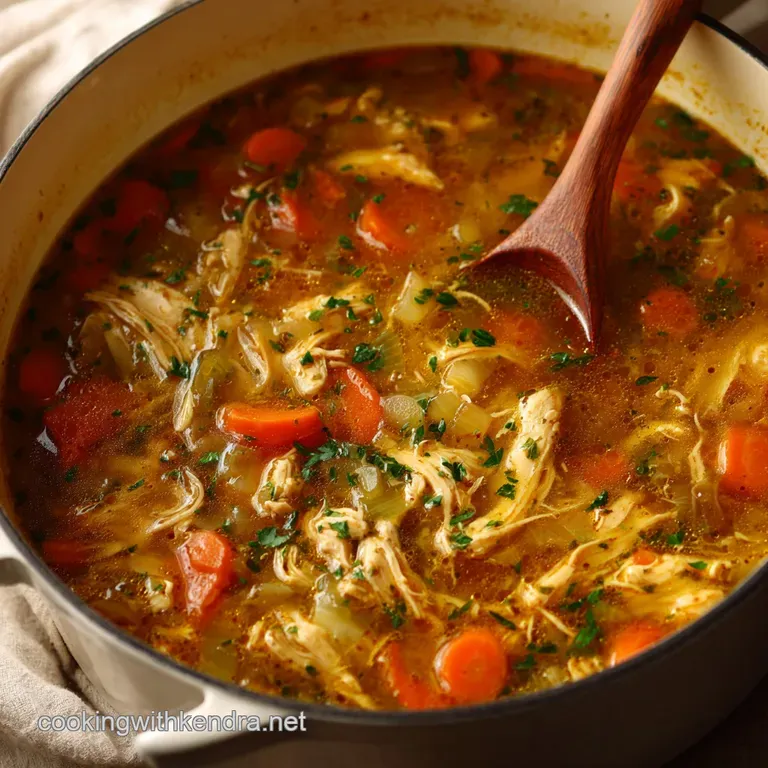
This method separates the stock making from the soup assembly, which is the key to achieving that clean, rich flavour and crystal clear presentation.
Stage One: Preparing the Ultra Flavoursome Broth Base
- Prep and Place: Carefully strip the entire rotisserie bird. Place the complete carcass, skin, and any residual juices (those yummy browned bits at the bottom of the container) into your largest stockpot. This is what makes the base for a truly flavourful Rotisserie Chicken Soup .
- Add Cold Ingredients: Add 12 cups of cold water, the rough chopped stock vegetables (the half onion, 2 rough carrots, 2 rough celery sticks), bay leaves, and peppercorns.
- Simmer and Skim: Bring the pot very slowly to a boil, then immediately reduce the heat to the lowest possible simmer. Cook uncovered for 60 minutes. During the first 15 minutes, use a shallow spoon to skim off any grey foam or impurities that rise to the surface. This step is vital for a clean Rotisserie Chicken Soup .
- Strain: Remove from heat. Using a fine mesh sieve (and optional cheesecloth if you’re feeling fancy), strain the liquid into a clean bowl. Discard all solids. You should have 8 10 cups of pure, liquid gold.
Stage Two: Sautéing the Vegetables and Aromatics
- Soft Start: In a clean Dutch oven or heavy bottomed pot, melt your butter or heat your olive oil over medium low heat. Add the finely diced "soup" vegetables (onions, carrots, celery).
- Sweat, Don't Brown: Sauté gently, stirring occasionally, until they are beautifully translucent and tender about 8 to 10 minutes. If you hear loud sizzling, your heat is too high. This is what unlocks the sweetness needed for a perfect Rotisserie Chicken Soup .
- Garlic and Thyme: Add the minced garlic and dried thyme. Cook for exactly one minute until you can smell the herbs blooming.
Stage Three: Combining the Liquid, Vegetables, and Reserved Meat
- Combine: Pour the glorious strained broth from Stage One into the Dutch oven with the vegetables. Bring it back to a gentle simmer.
- Noodle Time: Add your egg noodles or pasta. Cook for the time specified on the package, stirring occasionally to prevent sticking. They should be just shy of done (al dente).
- The Final Addition: Add the reserved, shredded rotisserie meat. We only want to heat the meat through, not cook it. Simmer for about 5 minutes. Over simmering pre-cooked meat makes it tough and chewy, ruining your perfect Rotisserie Chicken Soup .
Stage Four: Final Simmering, Skimming, and Adjusting Seasoning
- Final Check: Taste the broth. This is where you need to be brave with your seasoning. Add salt and pepper until the flavour pops. If it still tastes flat, add a squeeze of lemon juice.
- Serve: Ladle the hearty Rotisserie Chicken Soup into warmed bowls. Finish with a generous sprinkle of fresh chopped parsley. Dinner is served!
Troubleshooting Your Soup: Chef’s Tips and Pitfall Prevention
I’ve made every mistake possible in the kitchen, so you don't have to! Learning how to avoid common pitfalls ensures your next bowl of quick Rotisserie Chicken Soup is perfect every time.
Achieving Crystal Clear Broth (The Importance of Skimming)
The biggest failure point for homemade stock is cloudiness. This happens when the liquid boils too vigorously, emulsifying the fat and proteins. Mistake I Once Made: I let the stock boil hard while I went to answer an email, and when I came back, the broth looked like dishwater.
The Fix: Maintain a lazy simmer, almost like it’s sleeping. Most importantly, skim away the impurities (the grey foam) during the first 15 minutes of simmering.
That grey foam contains the stuff that makes the final Rotisserie Chicken Soup cloudy.
Preventing Vegetables from Turning Mushy
This is especially true for carrots and celery. If you add all your vegetables right at the start and simmer the soup for 30– 45 minutes, they will turn into bland, mushy lumps.
The Fix: Sauté them thoroughly first, which partially cooks them and locks in flavour. Then, once the broth is added, only simmer them until they are tender crisp.
They will soften slightly more as the soup cools down, providing the perfect bite in your hearty Rotisserie Chicken Soup .
The Critical Step of Resting Before Serving
While you want the soup hot, letting it rest off-heat for 5– 10 minutes allows the flavours to settle and marry. This brief resting period stops the starches from continuing to swell and allows the fat and seasoning to fully integrate throughout the liquid.
If you serve it straight off a rolling boil, the flavours can feel disjointed. Taking a breather before serving guarantees a more nuanced, deeply flavourful Rotisserie Chicken Soup .
Practical Guide to Storing and Freezing This Hearty Meal
One of the great joys of making a big batch of Rotisserie Chicken Soup is the leftovers. But storing soup improperly can quickly turn it from a delight into a disaster.
Refrigeration Safety and Optimizing Shelf Life
Cool your soup quickly! If you leave a huge stockpot on the counter, it can stay in the "danger zone" (40°F to 140°F) for too long, encouraging bacterial growth. The Best Method: Divide your soup into smaller, shallow containers immediately after cooling it slightly.
This allows it to chill rapidly in the fridge. This delicious Rotisserie Chicken Soup will keep beautifully for 3 4 days in the refrigerator.
The Best Way to Freeze Soup for Future Enjoyment
This recipe freezes perfectly, making quick comfort food even easier later on. Top Tip: If you made the soup with the noodles or rice cooked directly in the pot, the starches will swell up and become grainy upon thawing.
If you plan to freeze your Rotisserie Chicken Soup , do not add the noodles or pasta during the cooking stage. Freeze the broth, meat, and vegetables on their own.
- Freezing Technique: Cool completely, then portion into heavy duty freezer bags or airtight containers, leaving about an inch of headspace for expansion. It will last 3 4 months. When ready to eat, thaw overnight in the fridge and add freshly cooked noodles or rice right before reheating. This ensures your quick Rotisserie Chicken Soup tastes fresh and vibrant.
Reheating Techniques Without Degrading Texture
Slow and low is the mantra for reheating. If you zap your Rotisserie Chicken Soup on high heat in the microwave or blast it on the stovetop, the delicate shredded meat will seize up and become tough. Gently reheat the soup over medium low heat on the stovetop until simmering hot.
If it seems too thick after storage (especially if you kept the noodles in it), stir in a splash of fresh water or more stock to achieve the perfect consistency.
Perfect Pairings: What to Serve Alongside Your Comfort Bowl
While this hearty Rotisserie Chicken Soup is basically a meal unto itself, a few strategic side dishes can really round out the experience.
We are talking about pure comfort food here, so the pairings should be equally cosy and easy. A simple, crunchy textural contrast is key.
- The Classic Bread: You absolutely need a good quality, crusty piece of bread. I love serving this quick Rotisserie Chicken Soup with thick slices of sourdough toasted with butter.
- A Simple Salad: To cut through the richness of the broth, a small side salad dressed with a sharp, vinegary dressing (like a red wine vinaigrette) is perfect.
- Savory Bakes: If you have more time, try pairing the soup with a baked savory item. While you might be focusing on this gorgeous soup, if you’re looking for another comfort classic for next time, check out my recipe for Chicken Cottage Pie: Creamy Filling Crispy Cheesy Mash . The savoury depth works beautifully with simple soup recipes like this.
Making truly excellent Rotisserie Chicken Soup doesn't require hours of slaving away, but it does require attention to the details of the broth. You’ve got this. Now go forth, conquer that carcass, and make yourself a bowl of pure, unadulterated comfort!
Enjoy every spoonful of this brilliant, flavourful, homemade Rotisserie Chicken Soup .

Recipe FAQs
My soup base tastes a bit thin even after simmering the carcass. What went wrong?
The key to deep flavour, known as umami, is time and proper technique when extracting goodness from the bones. Ensure you simmer the carcass with aromatics (onion, celery, carrots) for at least 90 minutes after scraping off the meat, pressing down occasionally to extract the bone marrow and collagen.
A small splash of acid, like apple cider vinegar, can also help pull minerals from the bones, intensifying the broth’s richness.
Is Rotisserie Chicken Soup suitable for freezing, and what is the best method?
Yes, this hearty soup freezes beautifully for up to three months. Allow the soup to cool completely before portioning it into airtight, freezer safe containers, ensuring you leave about an inch of headspace for expansion.
For best results upon reheating, thaw the soup overnight in the refrigerator and gently warm it on the stovetop rather than using the microwave.
Why is my finished broth cloudy, and how can I achieve a clearer result?
Cloudiness usually results from boiling the broth too vigorously, which emulsifies the fat and breaks down fine bone particles. To prevent this, always maintain a gentle simmer (barely bubbling) and never allow it to reach a rolling boil.
If the broth is already cloudy, chilling it overnight allows the fat to solidify for easy skimming, and straining it through a fine mesh strainer lined with cheesecloth can dramatically improve clarity.
When should I add ingredients like rice, pasta, or egg noodles to the soup?
Add grains or pasta toward the end of the cooking process, typically 10 to 15 minutes before serving, as they can quickly absorb too much liquid and become mushy. If you plan to freeze large batches of the soup, it is highly recommended to cook the rice or noodles separately and only add them to the portion being reheated.
This maintains optimal texture.
I only have dried herbs. How should I adjust the quantity required by the recipe?
The flavour concentration in dried herbs is significantly higher than in fresh herbs due to water removal. A good culinary rule of thumb is to use one-third the amount of dried herbs compared to fresh (e.g., 1 teaspoon dried for 1 tablespoon fresh).
Be sure to add dried herbs early in the simmer process to allow their essential oils time to fully infuse the broth.
The rotisserie chicken and store-bought stock can be very salty. How do I reduce the sodium content?
To control salinity, utilize low-sodium or unsalted chicken stock when building the broth base and skip adding any salt until the very final taste test. If the rotisserie chicken meat itself is overly seasoned, adding a squeeze of fresh lemon juice or even a peeled potato slice during the final simmer can help balance or absorb some of the excess salinity, which should be removed before serving.
Can I use this recipe base to make an Italian style Stracciatella or Avgolemono soup?
The deeply flavourful rotisserie carcass broth is an excellent foundation for these classic variations. For Stracciatella, simply omit the large chopped vegetables and whisk eggs with Parmesan and parsley, pouring the mixture into the hot, simmering broth at the end.
For Avgolemono, temper a mixture of egg and lemon juice with hot broth before stirring it back into the pot, giving you a beautiful, creamy, and tangy Greek finish.
Hearty Rotisserie Chicken Soup
Ingredients:
Instructions:
Nutrition Facts:
| Calories | 369 kcal |
|---|---|
| Protein | 10.5 g |
| Fat | 9.5 g |
| Carbs | 53.6 g |
