Oven Beef Tenderloin: Herb-Crusted Roast Perfection
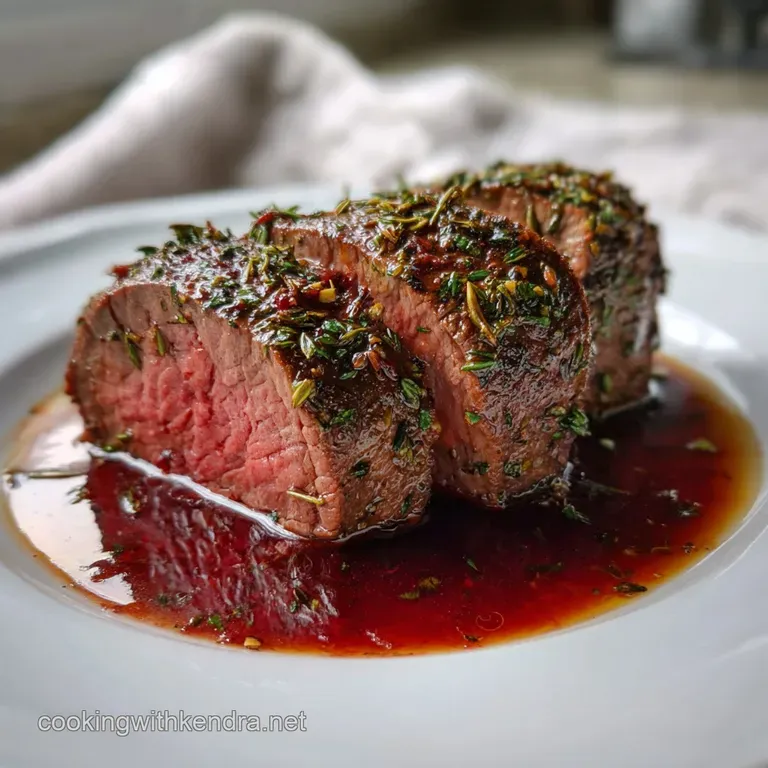
- The Ultimate Herb-Crusted Fillet of Beef Roast
- Mastering the Perfect Texture: The Science Behind This Roast
- Essential Ingredients for the Oven Beef Tenderloin
- Prepping the Roast and Key Ingredient Notes
- Step-by-Step: Roasting Beef Tenderloin to Perfection
- Expert Tips and Troubleshooting Common Roasting Mistakes
- Pairing Suggestions for Oven-Roasted Fillet of Beef
- Storing Leftovers and Reheating Sliced Tenderloin
- Recipe FAQs
- 📝 Recipe Card
The Ultimate Herb Crusted Fillet of Beef Roast
Oh my goodness, friend, you absolutely have to try this method. There is nothing and I mean nothing more showstopping or sophisticated than pulling a perfectly rosy, beautifully crusted Oven Beef Tenderloin out of the oven.
The smell of thyme and rosemary combined with that deep, caramelized sear is intoxicating. When your knife finally slices through that gorgeous exterior, the meat inside is impossibly tender, practically buttery.
For years, I avoided making a large roast because I was terrified of wasting money on an expensive cut only to dry it out. Sound familiar? This recipe is the one that changed everything. It relies on temperature science, not guesswork, making it easier than even some weeknight meals.
This specific method for Oven Beef Tenderloin is your secret weapon for holiday dinners, special anniversaries, or just proving to yourself that you are a culinary master.
This isn’t just about cooking a fillet; it’s about guaranteeing success. Forget complicated techniques that require constant supervision. We are using the simplest tools and an unforgettable herb crust to deliver the most perfect, medium rare centerpiece.
Let’s crack on and get this stunning roast ready for your table.
Mastering the Perfect Texture: The Science Behind This Roast
Why Tenderloin is the King of Effortless Elegance
Tenderloin, often called fillet of beef, is prized because it’s inherently low in connective tissue and fat. That’s why it’s so tender, but it’s also why it can dry out quickly. Unlike fattier roasts that forgive longer cooking times, the tenderloin demands precision.
We embrace its lean nature here, focusing on a robust exterior crust while protecting the delicate interior.
The Reverse Sear Roasting Technique Explained
If you’ve heard of the reverse sear method for steaks, this is the grand finale version for a whole roast. Typically, you sear after roasting, but for a huge cut of Oven Beef Tenderloin , we do a quick, intense sear first . Why?
Because we want that beautiful, dark, herby crust locked in before the meat goes into the gentle, low-temperature oven. This technique, essential for the best oven beef tenderloin roast , allows the heat to penetrate slowly and evenly, preventing the edges from turning grey before the center reaches temperature.
A Showstopping Centerpiece for Any Celebration
The beauty of this particular roast is its lack of fuss. Once you’ve done the quick sear and popped it into the low oven, you are free. No continuous basting, no complicated flipping, just wait for that thermometer to sing.
This effortless approach makes the Oven Beef Tenderloin the quintessential celebration meal because you can actually enjoy your guests instead of stressing over the stove.
Achieving the Crispy Herb Crust (The Maillard Reaction)
The crust isn't just for looks; it's pure flavor. We use a combination of coarse salt and finely chopped herbs, binding them to the meat with olive oil. When this hits the blazing hot pan (Phase I), the Maillard reaction happens instantly, creating a deep brown, savory, aromatic shell.
This shell protects the interior moisture while providing an incredible textural contrast to the buttery meat.
Guaranteeing a Buttery, Perfectly Pink Interior
The key to that uniform, pink center is the low oven temperature we’re talking 250°F (120°C). This gentle heat ensures the muscle fibers don't seize up and squeeze out all their precious moisture.
When combined with our critical resting time, every slice of this Oven Beef Tenderloin will be perfectly juicy and tender, hitting that ideal medium rare.
Building Depth with the Rich Red Wine Jus Base
What good is a majestic roast without a phenomenal sauce? The Red Wine Jus is built directly in the same pan, scraping up all those savory browned bits (the fond ). Trust me, those sticky bits are pure gold.
They give the sauce an incredible depth of flavor that complements the richness of the tenderloin perfectly.
Essential Ingredients for the Oven Beef Tenderloin
We are keeping this simple and focusing on quality, not quantity. If you start with a high-quality cut, you only need basic, fresh ingredients to make it shine. This is one of those classic, reliable tenderloin recipes oven style that you’ll come back to time and again.
| Ingredient | Role | Substitution Tip |
|---|---|---|
| Beef Tenderloin (Center Cut) | The star. | Cannot substitute the cut, but ensure it is well trimmed. |
| Coarse Sea Salt | Flavor, crust formation. | Use Kosher Salt. Table salt is too fine and too salty here. |
| Fresh Herbs (Rosemary, Thyme) | Aromatic crust. | Use 1 tsp of dried herbs per fresh sprig, but fresh is VITAL for Oven Beef Tenderloin . |
| Olive Oil | Binder and searing fat. | Grapeseed or avocado oil (higher smoke point) also works well for the initial sear. |
| Dry Red Wine | Jus Deglazing. | Use good quality, low-alcohol beer, or unsweetened cranberry juice mixed with vinegar. |
| Shallots | Sweet, gentle base for the jus. | Finely diced brown onion if absolutely necessary. |
| high-quality Stock | Body for the jus. | Vegetable stock in a pinch, but the beef stock provides the best flavor for the oven beef tenderloin roast . |
Prepping the Roast and Key Ingredient Notes
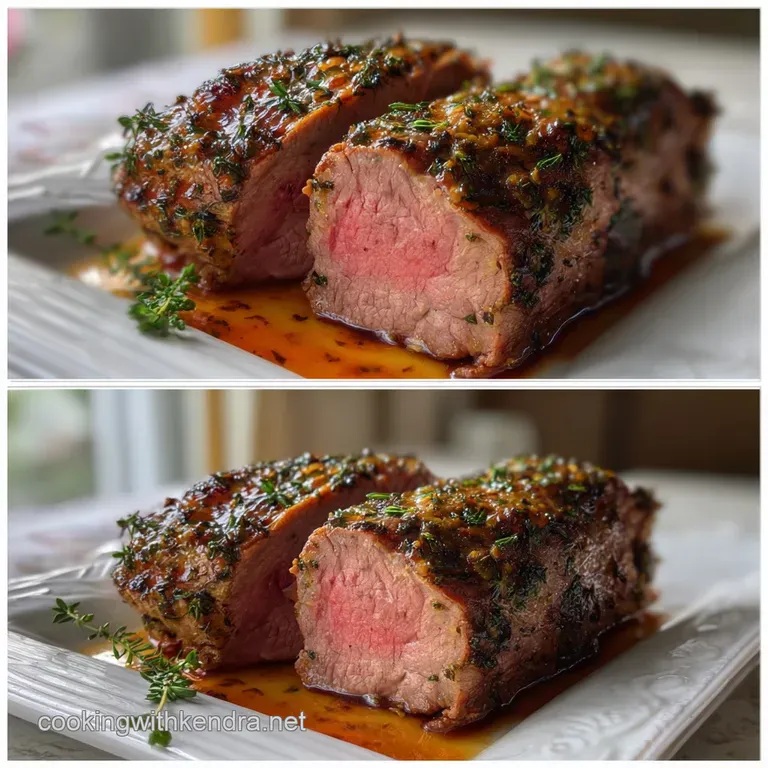
Selecting the Right Cut (Whole vs. Center Cut Fillet)
If you have a whole tenderloin, you will need to trim it. Remove the silver skin (the shiny, tough membrane) using a sharp knife it won't dissolve when cooking. For the best, most uniform roast, I always recommend buying the center cut (Chateaubriand).
It’s the thickest, most consistently sized part, which makes it perfect for consistent cooking.
The Signature Herb Crust Blend
My go-to blend for the Herb Crusted Beef Tenderloin Recipe is simple: Rosemary, Thyme, Salt, and Pepper. Crush the herbs slightly in your palm before chopping to release their oils.
I use a ton of coarse salt and black pepper because this thick roast needs heavy seasoning to penetrate the center. Don't be afraid! This creates the beautiful crust we are looking for.
Pantry Staples for the Rich Red Wine Jus
The secret to a great jus is starting with quality ingredients that build flavor layers. Use a decent, dry red wine, one that you would actually drink, like a Merlot. For the stock, always choose low-sodium stock. Why?
Because you are going to reduce the liquid, and if you start with salty stock, the final jus will be utterly inedible.
Binding and Tying the Tenderloin (Butcher's Twine Method)
This is a non-negotiable step for a successful roast. Because the tenderloin tapers (it’s thin at one end and thick at the other), you must truss it. Tying with butcher’s twine at 1 inch intervals ensures the roast holds a uniform shape.
This guarantees the entire fillet cooks evenly so you don't end up with overcooked, dry tail ends.
Crucial Chef’s Note: If you bought a whole tenderloin, you should always fold the thin 'tail' section underneath the thicker middle and tie it firmly to create a uniform cylinder.
This single step prevents the most common mistake when making Oven Beef Tenderloin .
dairy-free Alternatives for the Fat Component
We use butter in two places: searing and finishing the jus. For dairy-free cooking, you can easily substitute over high heat cooking oil (like avocado oil) for the searing butter. To finish the jus and add that signature richness, a teaspoon of high-quality plant based butter (like Miyoko’s Kitchen) works beautifully to achieve that luxurious, silky mouthfeel.
step-by-step: Roasting Beef Tenderloin to Perfection
Phase I: Preparing the Tenderloin and Applying the Herb Rub
First, get your tied and trimmed fillet fully seasoned. Brush it lightly with oil, then press the heavy herb salt mixture firmly onto all sides. Now, let it sit out for 30– 60 minutes. This is critical this tempering ensures you aren't fighting a cold center when you start cooking.
Phase II: The Initial over High heat Sear
Preheat your heaviest, oven safe pan (cast iron is perfect) until it is screaming hot we want smoke! Add oil, then gently lay the tenderloin in the pan. Listen for that aggressive sizzle; that's the sound of flavor happening.
Sear hard for 2– 3 minutes per side until you have a deep, mahogany crust all around. Drop the butter and smashed garlic into the pan and baste the roast quickly, tilting the pan and spooning the melted fat over the meat.
Phase III: Low and Slow Roasting to Target Temperature
Transfer the skillet into a preheated 250°F (120°C) oven. Insert your probe thermometer into the thickest part— don't pierce the center. This slow, gentle approach is how to cook a beef tenderloin roast in oven without fail.
Depending on your fillet's thickness, this will take 30– 45 minutes. Remove the roast when it is 5°F/3°C below your target final temperature.
Creating the Pan-Sauce: Finishing the Red Wine Jus
While the Oven Beef Tenderloin is resting (remember the rest!), put the skillet on medium heat. Add the shallots and sauté until translucent. Pour in the red wine and deglaze use a wooden spoon to scrape up every brown morsel from the bottom.
Reduce the wine by half, then add the stock. Simmer until the sauce coats the back of a spoon lightly. Strain it, whisk in that final tablespoon of cold butter for shine, and boom: perfect jus.
Resting Temperature vs. Serving Temperature
Resting is arguably more important than the cooking itself. The internal temperature will climb about 5-10°F during this time (carryover cooking). Rest the roast for a full 15– 20 minutes, tented lightly with foil.
This allows the juices, which were driven to the center by the heat, to redistribute evenly throughout the meat. Slicing too early results in a delicious puddle of juice on your cutting board, not in your mouth.
Temperature Charts for Medium Rare to Medium
You need to know your temps to achieve the best Oven Beef Tenderloin Recipe . Remove the meat from the oven at the "Pull Temperature," and the final temperature will be reached during the rest.
| Desired Doneness | Pull Temperature (Remove from oven) | Final Temperature (After Resting) |
|---|---|---|
| Medium Rare (Recommended) | 130°F (54°C) | 135°F (57°C) |
| Medium | 135°F (57°C) | 140°F (60°C) |
| Medium Well | 145°F (63°C) | 150°F (66°C) |
Expert Tips and Troubleshooting Common Roasting Mistakes
Preventing the Ends from Overcooking (Tucking Techniques)
As I mentioned earlier, trussing is everything. If you don't have butcher's twine, use cotton thread, but make sure the ends of the roast are either tucked under or tightly compressed.
If you are roasting a very large Whole Tenderloin In The Oven , you can also use small pieces of aluminum foil, wrapped loosely around the thin tail section, to insulate it during the low and slow phase.
How to Fix a Crumbly or Soggy Herb Crust
A soggy crust usually means two things: you didn't sear hot enough, or you used too much oil in the rub. The crust needs to sear quickly and lock in place. If it looks crumbly, you likely didn't use coarse enough salt and didn't press the mixture firmly enough into the raw meat.
Always use coarse salt, and press it like you mean it.
Troubleshooting a Thin or Under Reduced Jus
If your sauce is tasting weak or looks watery, you need more reduction time. Turn up the heat and let it simmer aggressively. The goal is to cook the water out, concentrating the flavor.
If it’s still thin but perfectly seasoned, whisk in a "beurre manié" (equal parts soft butter and flour mixed together) a teaspoon at a time until the sauce tightens slightly.
Pairing Suggestions for oven-roasted Fillet of Beef
This is one of the Best Beef Tenderloin Recipes out there, so the sides need to match the excellence.
Classic Potato and Root Vegetable Pairings
Keep it rustic and satisfying. I love serving this with a creamy potato gratin or a simple mash that can soak up the jus. For something with a little crunch, you could definitely bake some incredibly crisp [Baked Potato Chips: Ultimate Oven Baked Crunch Recipe] to serve on the side instead of traditional fries.
Seasonal Green Vegetable Sides
Asparagus or green beans are the traditional, perfect choice because they are light and crisp, balancing the richness of the roast. A vibrant, quick fix is lightly steamed French haricots verts tossed with a squeeze of lemon and a tiny bit of Maldon salt.
Enhancing the Meal with Complementary Sauces (Beyond the Jus)
While the Red Wine Jus is unbeatable, sometimes you want options! A creamy horseradish sauce offers a wonderful, sharp bite that cuts through the richness. Or, for a classic twist, a simple béarnaise sauce is phenomenal with oven beef tenderloin medium rare .
Storing Leftovers and Reheating Sliced Tenderloin
So you nailed the Oven Beef Tenderloin —congratulations! Now, what about leftovers?
Store any remaining sliced tenderloin in an airtight container in the fridge for up to 3 days. Since the meat is lean, you must be careful when reheating. If you toss slices into the microwave or a hot oven, they will dry out instantly.
To reheat, the best method is to use a pan sauce. Heat some reserved jus or a tablespoon of stock in a small skillet. Once simmering, add the slices and cover the pan immediately, warming them very quickly for 30 60 seconds per side, just until heated through.
Alternatively, you can use thin slices of cold tenderloin for the most epic sandwiches the following day. This is one of those fantastic beef tenderloin recipes oven style that ensures the leftovers are just as good as the meal itself.
Recipe FAQs
What internal temperature should my beef tenderloin reach?
Use a reliable instant read thermometer inserted into the thickest part of the roast to monitor doneness. Aim for 120-125°F for rare, 130-135°F for medium rare, and 135-140°F for medium.
Always pull the roast 5°F below the target temperature, as carryover cooking will increase the temperature during the rest period.
Why did my tenderloin come out dry or gray instead of pink and juicy?
Dryness is nearly always a result of overcooking or skipping the crucial resting time. If the internal temperature exceeds 145°F, the meat fibers constrict and squeeze out the moisture, leading to a tough texture and gray color.
Always allow the roast to rest, loosely tented with foil, for 15 to 20 minutes before slicing to redistribute the juices.
Do I need to tie (truss) the tenderloin before roasting?
Yes, trussing the tenderloin is highly recommended, especially if you purchased a whole cut with thinner, tapered ends. Tying the roast with butcher's twine ensures a uniform cylindrical shape and thickness throughout.
This technique guarantees that the meat cooks evenly from one end to the other, preventing the thin parts from drying out.
Why is searing necessary before the low-and-slow roast?
Searing the tenderloin at high heat before roasting is crucial for flavor and texture this is the Maillard reaction. This quick step creates a rich, deeply browned crust and seals in the herb mixture, adding complex, savory notes that cannot be achieved through roasting alone.
The sear contributes significantly to the visual appeal and overall complexity of the dish.
My Red Wine Jus is too thin. How can I thicken it?
If your jus lacks body, continue to simmer it gently over medium low heat to allow further reduction through evaporation. Alternatively, whisk together 1 teaspoon of softened butter with 1 teaspoon of flour (a beurre manié) and stir this into the simmering sauce until it reaches the desired viscosity.
Can I use a different cut of beef instead of tenderloin for this recipe?
While tenderloin is optimal due to its low-fat content and naturally tender structure, you could substitute a center cut sirloin roast or a ribeye roast. Be aware that these cuts have more internal fat marbling, and you will need to monitor the internal temperature closely, as cooking times will vary significantly.
How should I store leftover beef tenderloin, and can I freeze it?
Store any leftover cooked tenderloin in an airtight container in the refrigerator for up to 3 to 4 days. If freezing, slice the cooled meat, wrap the pieces tightly in plastic wrap followed by aluminum foil, and place them in a freezer bag for up to two months.
Thaw overnight in the refrigerator before reheating gently.
Herb Crusted Oven Beef Tenderloin
Ingredients:
Instructions:
Nutrition Facts:
| Calories | 365 kcal |
|---|---|
| Protein | 37.9 g |
| Fat | 20.1 g |
| Carbs | 3.1 g |
