Pumpkin Cinnamon Rolls: Fluffy and Spiced
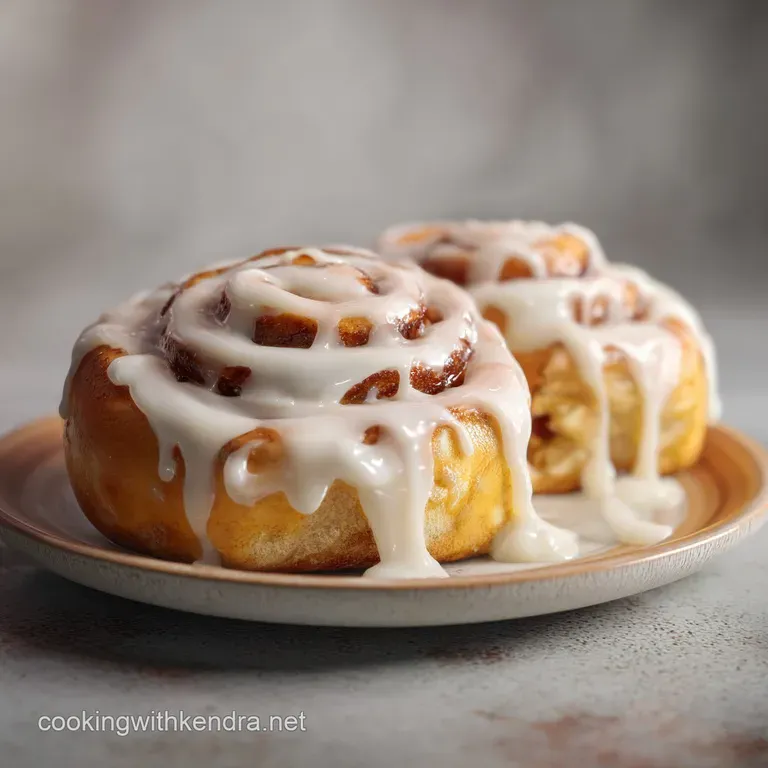
- Time: Active 150 minutes, Passive 25 minutes, Total 175 minutes
- Flavor/Texture Hook: Pillowy spiced dough with a velvety cream cheese finish
- Perfect for: Cozy holiday mornings or a soul warming weekend project
- Experience the Ultimate Cozy Pumpkin Cinnamon Rolls
- The Secret Behind the Pillowy Texture
- Timing and Yield for Holiday Planning
- Selecting Premium Elements for Maximum Flavor
- Essential Tools for Successful Yeast Baking
- Precision Techniques for Perfect Golden Spirals
- Solving Common Dough and Baking Hurdles
- Creative Ingredient Variations for Every Pantry
- Adjustment Guidelines for Scaling Up
- Debunking Common Baking Misconceptions
- Preserving Freshness and Reducing Food Waste
- Complementary Flavors for a Festive Brunch
- Recipe FAQs
- 📝 Recipe Card
Experience the Ultimate Cozy Pumpkin Cinnamon Rolls
There is a specific moment in my kitchen every October when the air changes. It happens right as the warm milk hits the yeast and sugar, creating that first whiff of fermentation, but it is quickly overtaken by the deep, autumnal scent of real pumpkin.
I remember the first time I decided to swap my standard brioche dough for something with more soul. I wanted a roll that didn't just taste like "spice," but actually carried the weight and moisture of the harvest.
The result was a kitchen bathed in amber light and an aroma so thick you could almost taste the cinnamon before the oven even preheated.
The hero of this entire operation is the 1/2 cup (120g) of 100% pure pumpkin puree. Now, I have tried roasting my own sugar pumpkins, and while that is lovely for a soup, it is a disaster for baking.
Fresh pumpkin is unpredictable; it’s often too watery or too stringy, which wreaks havoc on your flour to liquid ratio. By using a high-quality canned puree, we get a consistent level of pectin and starch. This acts as a natural dough conditioner, creating a crumb that stays soft for days.
It provides that beautiful sunset hue and a subtle earthiness that balances the punchy 1.5 tablespoons of ground cinnamon waiting in the center.
When you pull these out of the oven, the sizzle of the butter against the pan and the sight of that golden brown spiral will make you realize why we don't take shortcuts. We are making something that feels like a warm hug for the senses. These aren't your typical grocery store rolls that go dry in twenty minutes.
These are heavy, gooey, and deeply spiced masterpieces that demand a slow morning and a large cup of coffee. Trust me, once you see how that cream cheese icing melts into the warm crevices of the pumpkin dough, you will never go back to a plain roll again.
The Secret Behind the Pillowy Texture
Understanding how pumpkin interacts with yeast is the difference between a leaden loaf and a feather light roll. Most people assume pumpkin just adds flavor, but it’s actually doing heavy lifting in the structure of the dough.
- Pectin Power: The natural pectins in pumpkin puree act as a stabilizer, trapping moisture within the starch network so the rolls don't dry out during the 25 minutes of baking.
- Controlled Hydration: By using 1/2 cup (120ml) of whole milk warmed to 110°F, we provide the perfect environment for the 2.25 tsp (7g) of active dry yeast to bloom without being weighed down by the density of the vegetable fiber.
- Enzymatic Softening: Pumpkin contains enzymes that slightly break down gluten bonds, which might sound scary, but it’s actually what gives us that "melt in-your mouth" velvety feel rather than a chewy, bread like texture.
- Fat Emulsification: Adding the 1/4 cup (57g) of melted butter and one large egg at room temperature creates a rich emulsion that coats the flour proteins, ensuring the 5-7 minutes of kneading produces a tacky, supple dough.
Choosing Your Cooking Method
| Method | Time | Texture | Best For |
|---|---|---|---|
| Standard Oven | 25 minutes | Evenly golden, soft sides | Traditional brunch |
| Air Fryer | 15 minutes | Extra crispy exterior | Small batches |
| Overnight Rise | 12 hours (cold) | Deeply developed flavor | Stress free mornings |
If you decide to go the overnight route, simply perform the first rise in the fridge. This slow fermentation allows the starches to break down further, making the dough even more flavorful. Just be sure to let them come to room temperature for about 45 minutes before they hit the oven.
Timing and Yield for Holiday Planning
Success in baking is all about the checkpoints. When I first started making these, I would rush the rise, and the rolls would end up dense. You have to respect the 175 minutes total time.
The first 150 minutes of prep is mostly waiting it's the "passive" magic where the yeast does its work.
| Precision Checkpoint | Target Value | Why It Matters |
|---|---|---|
| Milk Temperature | 110°F | Too hot kills yeast; too cold stalls the rise |
| Dough Dimensions | 12x18 inches | Ensures even spiraling and 12 uniform rolls |
| Baking Temperature | 350°F (175°C) | Prevents the sugar from burning before the center sets |
This recipe yields exactly 12 servings. If you are feeding a crowd, I’ll explain how to scale this up later, but for a standard 9x13 inch baking dish, a single batch is the sweet spot.
You want the rolls just touching each other after the second rise so they pull apart with those soft, "shreddy" edges we all love.
Selecting Premium Elements for Maximum Flavor
Every ingredient in this list has a specific role to play in the final aroma and bite. Don't think of the pumpkin as a background player; it’s the foundation. If you're looking for other ways to use up a can of puree, you might also enjoy my ExtraMoist Pumpkin Bread, which uses a similar spice profile to achieve that classic autumn vibe.
Component Analysis
| Ingredient | Science Role | Pro Secret |
|---|---|---|
| All Purpose Flour | Provides the 500g of structural base | Spoon and level your flour to avoid a dry, heavy dough |
| Active Dry Yeast | The 7g responsible for the 2 hour rise | Always bloom in 110°F milk to verify it’s alive |
| Brown Sugar | Adds moisture and molasses notes to filling | Pack it tight to ensure the 150g is accurate for caramelization |
| Cream Cheese | Provides the 4oz of tangy fat for icing | Use full fat blocks only; tub spreads are too watery |
Ingredients and Substitutions
- 1/2 cup (120g) 100% pure pumpkin puree: Why this? Provides moisture and color without the additives of pie filling. (Sub: Butternut squash puree for a sweeter, nuttier profile).
- 4 cups (500g) all purpose flour: Why this? The perfect protein content for a soft yet sturdy roll. (Sub: Bread flour for a much chewier, artisanal texture).
- 1/2 cup (120ml) whole milk: Why this? Fat in whole milk yields a richer, more tender crumb. (Sub: Oat milk works well, though it lacks the same browning power).
- 1/4 cup (57g) melted butter: Why this? Adds richness to the dough base.
- 1/3 cup (65g) granulated sugar: Why this? Feeds the yeast and sweetens the dough.
- 2.25 tsp (7g) active dry yeast: Why this? The reliable engine for a 2 hour rise.
- 1 large egg: Why this? Provides structure and a golden interior.
- 1 tsp kosher salt: Why this? Sharpens the sweetness of the pumpkin and spices.
- 1/2 cup (113g) softened butter: Why this? The "glue" for the cinnamon sugar spiral.
- 3/4 cup (150g) light brown sugar: Why this? Creates a gooey, syrupy interior.
- 1.5 tbsp ground cinnamon: Why this? The primary aromatic driver.
- 1 tsp pumpkin pie spice: Why this? Adds complexity with nutmeg, ginger, and cloves.
- 4 oz (113g) cream cheese: Why this? The essential tang for the icing.
- 2 tbsp (28g) softened butter: Why this? Makes the icing velvety.
- 1.5 cups (180g) powdered sugar: Why this? Dissolves into a smooth, grit free glaze.
- 1 tsp vanilla extract: Why this? Rounds out the spice flavors.
- 1 tbsp heavy cream: Why this? Adjusts the icing to a spreadable consistency.
Essential Tools for Successful Yeast Baking
You don't need a professional bakery to pull these off, but a few specific items will make your life much easier. I always use a stand mixer (like a KitchenAid) because kneading 500g of tacky pumpkin dough by hand can be a real workout, and the machine ensures the gluten is developed perfectly every time.
A 9x13 inch baking dish is your best friend here. I prefer ceramic or glass because they distribute heat more gently than thin metal pans, which can scorch the bottom of your rolls before the middle is cooked through. You'll also want a sharp rolling pin and a ruler.
It might feel "extra" to measure your dough, but hitting that 12x18 inch mark ensures your rolls aren't too thick or too thin.
Finally, let’s talk about the dental floss. It sounds strange, but using unflavored dental floss to cut your rolls is a game changer. A knife, no matter how sharp, tends to squish the delicate layers of the dough.
The floss creates a clean "shatter free" cut that preserves those beautiful spirals you worked so hard to create.
Precision Techniques for Perfect Golden Spirals
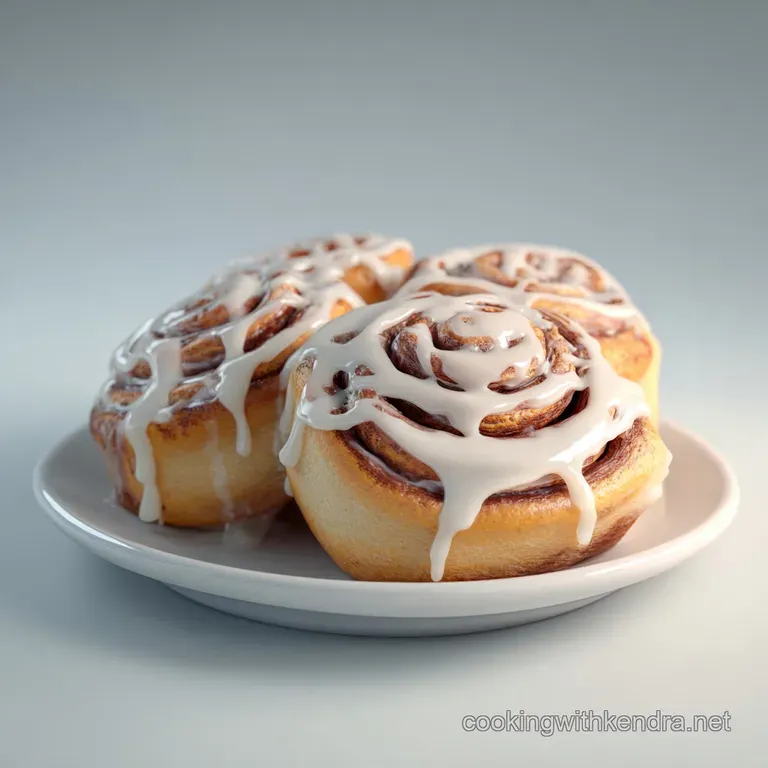
- Activate the yeast. In the bowl of your stand mixer, combine 1/2 cup warm milk (110°F), 1/3 cup granulated sugar, and 2.25 tsp yeast. Let it sit for 5-10 minutes. Wait until it smells like sweet, earthy bread and looks foamy.
- Combine wet ingredients. Whisk in 1/2 cup pumpkin puree, 1/4 cup melted (but cooled!) butter, and the large egg. Note: Using a room temperature egg prevents the melted butter from seizing up into clumps.
- Knead the dough. Add 4 cups flour and 1 tsp salt. Use the dough hook on medium low for 5-7 minutes. The dough should be tacky to the touch but pull away cleanly from the bowl sides.
- Perform the first rise. Place the dough in a lightly greased bowl and cover with a damp cloth. Let it sit in a warm, draft free spot for 2 hours. It is ready when it has doubled in size and feels airy.
- Roll and prep. On a floured surface, roll the dough into a 12x18 inch rectangle. Spread 1/2 cup softened butter across the entire surface, leaving a tiny margin at the very top edge.
- Layer the flavors. Mix 3/4 cup brown sugar, 1.5 tbsp cinnamon, and 1 tsp pumpkin pie spice. Sprinkle this evenly over the butter. The aroma of woodsy cinnamon should be overwhelming now.
- Shape the rolls. Roll the dough tightly starting from the long edge. Use unflavored dental floss to slice into 12 even rolls.
- The final bake. Arrange in a greased 9x13 dish. Bake at 350°F (175°C) for 25 minutes. Remove when the edges are golden brown and the house smells like a spice market.
- Ice the rolls. Whisk 4 oz cream cheese, 2 tbsp butter, 1.5 cups powdered sugar, vanilla, and 1 tbsp heavy cream. Spread over the rolls while they are still warm so the icing slightly melts into the spirals.
Solving Common Dough and Baking Hurdles
Even experienced bakers run into trouble sometimes. The most common issue with pumpkin dough is the moisture content. Because pumpkin varies, your dough might feel like a sticky mess that won't hold its shape. But don't panic!
Dough Consistency and Rise Issues
| Problem | Root Cause | Solution |
|---|---|---|
| Dough won't rise | Yeast was dead or milk was too hot | Check expiration; ensure milk is exactly 110°F |
| Sticky/Unmanageable | Too much moisture in the puree | Add 1 tbsp of flour at a time until it clears the bowl |
| Dry/Crumbly Roll | Overbaked or too much flour | Reduce bake time by 2 mins; measure flour by weight (500g) |
Common Mistakes Checklist
- ✓ Never use pumpkin pie filling - the added spices and sugars will ruin the dough's chemistry.
- ✓ Don't skip the "blooming" phase - if your yeast doesn't foam in step 1, your rolls will be bricks.
- ✓ Avoid over flouring your surface - too much extra flour during rolling makes the rolls tough.
- ✓ Let the rolls cool for 5 minutes - icing a piping hot roll makes the frosting disappear into the dough entirely.
Creative Ingredient Variations for Every Pantry
While the classic pumpkin cinnamon rolls are hard to beat, you can easily adapt this recipe to fit what you have on hand. If you find yourself out of cream cheese, you can make a simple glaze with just powdered sugar, vanilla, and a splash of maple syrup. The maple flavor actually highlights the pumpkin beautifully.
If you are looking for a different vibe, try swapping the cinnamon filling for a mixture of cardamom and orange zest. It gives the rolls a sophisticated, Scandinavian twist that smells absolutely incredible while baking.
For those who like a bit of crunch, adding 1/2 cup of toasted pecans to the filling adds a wonderful texture that contrasts with the "velvety" crumb of the dough.
Fresh vs. Shortcut Comparison
| Feature | From Scratch Pumpkin Dough | store-bought Dough Shortcut |
|---|---|---|
| Aroma | Yeasty, earthy, and complex | Mostly artificial vanilla |
| Texture | Shatter soft and moist | Drier and more bread like |
| Flavor | Deep spice and real pumpkin | Very sweet, one note |
Adjustment Guidelines for Scaling Up
If you're hosting a big family breakfast, you'll likely want to double this recipe. When doubling, don't just double every single thing blindly. For the spices and salt, I recommend using only 1.5x the amount (so about 2.25 tbsp of cinnamon and 1.5 tsp salt) to prevent the flavors from becoming too aggressive.
For liquids, reduce the total by about 10% when doubling; large batches of dough tend to retain moisture more effectively than small ones. If you are halving the recipe, it’s a bit tricky because of the egg. Simply beat the egg in a small bowl and use half of it by weight or volume.
You'll also want to reduce your baking time by about 20% since a smaller pan will heat through faster.
Debunking Common Baking Misconceptions
One of the biggest myths in yeast baking is that "more sugar makes it rise faster." In reality, too much sugar can actually slow down the yeast through osmotic pressure, drawing water out of the yeast cells. Stick to the 1/3 cup granulated sugar in the dough for the best results.
Another myth is that you must use bread flour for cinnamon rolls. While bread flour provides more "chew," all purpose flour is actually superior for this specific recipe. The pumpkin already adds a lot of weight, and the lower protein content of all purpose flour keeps the rolls from becoming overly tough or rubbery.
We want a "pillowy" bite, not a sourdough style tug.
Preserving Freshness and Reducing Food Waste
Storage: These rolls are best eaten the day they are made, but they will stay soft in an airtight container at room temperature for up to 2 days. For longer storage, keep them in the fridge for up to 4 days.
When you're ready for a second round, microwave a roll for 15-20 seconds to bring back that "just baked" silkiness.
Freezing: You can freeze the baked, un iced rolls for up to 2 months. Wrap them individually in plastic wrap and then foil. To reheat, let them thaw at room temperature and then pop them in a 300°F oven for 10 minutes before icing.
Zero Waste: If you have leftover pumpkin puree (about half a can usually remains), don't throw it out! You can freeze it in an ice cube tray for future batches, or stir it into your morning oatmeal with a dash of the leftover pumpkin pie spice.
Even the scraps of dough from the ends of the log can be tucked into a ramekin and baked as "chef's snacks" so nothing goes to waste.
Complementary Flavors for a Festive Brunch
To really turn these rolls into a full experience, think about balance. Because the rolls are so rich and sweet, they pair beautifully with something acidic or salty. A side of thick cut crispy bacon or a savory sausage hash is the perfect foil to the cinnamon and sugar.
For drinks, you can't go wrong with a dark roast coffee to cut through the cream cheese icing. If you're feeling fancy, a Pumpkin Old Fashioned makes for a stunning seasonal cocktail pairing if you're serving these as a late morning treat. The bourbon and bitters notes echo the spices in the rolls without overwhelming them. Whether it’s a quiet morning by the fire or a bustling holiday table, these rolls are the centerpiece that everyone will remember.
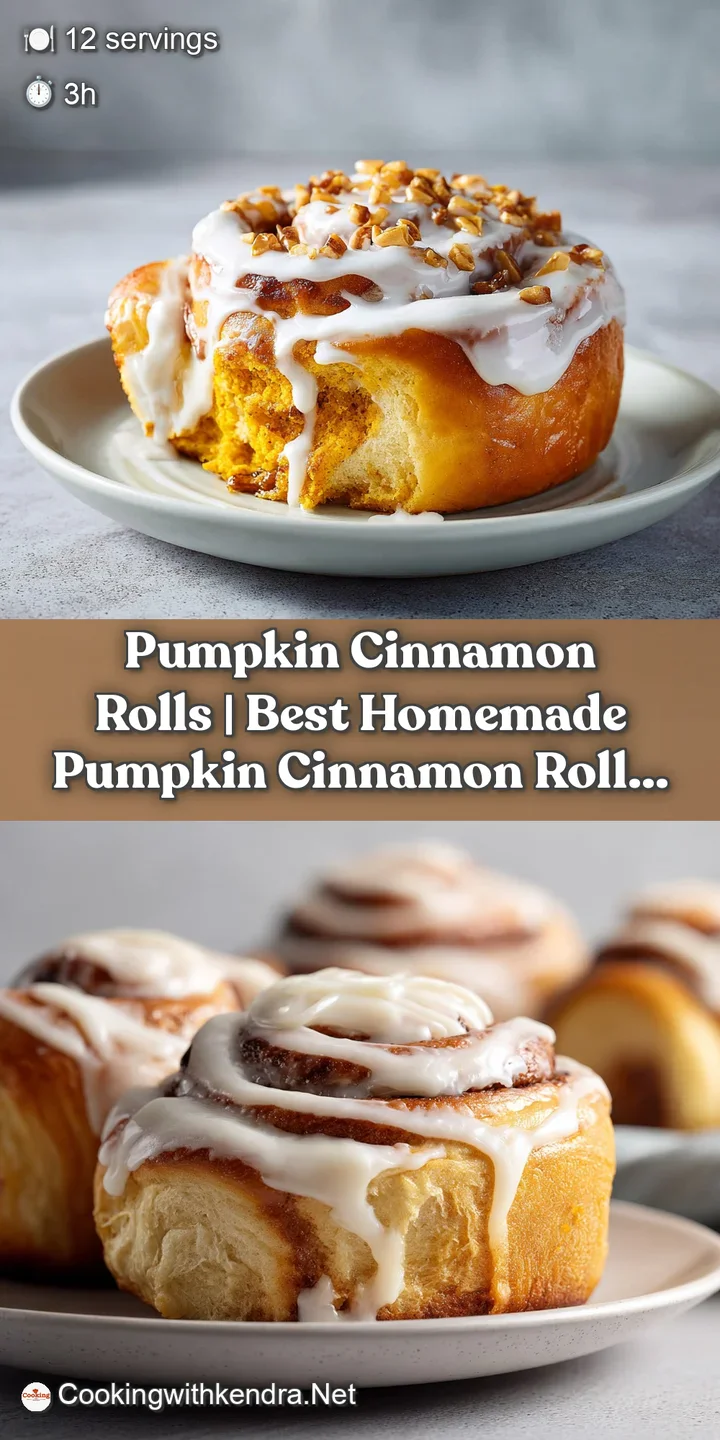
Recipe FAQs
Can I use fresh roasted pumpkin instead of canned puree?
No, avoid fresh roasted pumpkin. Fresh pumpkin contains excess moisture that disrupts the required dough hydration, leading to gummy or dense rolls instead of the light, pillowy crumb we achieve with the canned 100% pure puree.
How to ensure the dough rises properly?
Place the bowl in a warm, draft free spot. Covering the bowl with a damp cloth maintains the humidity necessary for the yeast to work, ensuring the dough doubles in size during the 2-hour proofing window.
Is it true that over kneading the dough makes the rolls tough?
Yes, this is accurate. While you need to knead for 5-7 minutes to develop structure, pushing past the point where the dough pulls away from the sides of the bowl can create an overly chewy texture rather than the desired soft finish.
How to cut the rolls without squishing the spiral shape?
Slide unflavored dental floss under the log and pull the ends upward to crisscross. This technique slices through the dough cleanly without compressing the layers, which is a method you can also apply when mastering the structure of our fluffy sourdough bread.
Should I bake these at a higher temperature for a crispier crust?
No, stick to 350°F. A higher heat will brown the exterior too quickly before the center of the pumpkin enriched dough is fully baked through, resulting in an uneven texture.
Can I make these rolls ahead of time?
Yes, you can refrigerate the shaped rolls overnight before the final bake. Simply bring them back to room temperature before placing them in the 350°F oven to ensure they bake evenly and maintain their soft crumb.
How to get the perfect icing consistency?
Whisk the softened cream cheese, butter, and powdered sugar until completely smooth before adding the heavy cream. Adding the liquid slowly ensures a silky, spreadable icing that melts slightly into the warm cinnamon swirls.
Homemade Pumpkin Cinnamon Rolls
Ingredients:
Instructions:
Nutrition Facts:
| Calories | 452 kcal |
|---|---|
| Protein | 5.8 g |
| Fat | 18.2 g |
| Carbs | 66.5 g |
| Fiber | 1.6 g |
| Sugar | 33.8 g |
| Sodium | 228 mg |
