Horseradish Cream Sauce: Piquant Zing
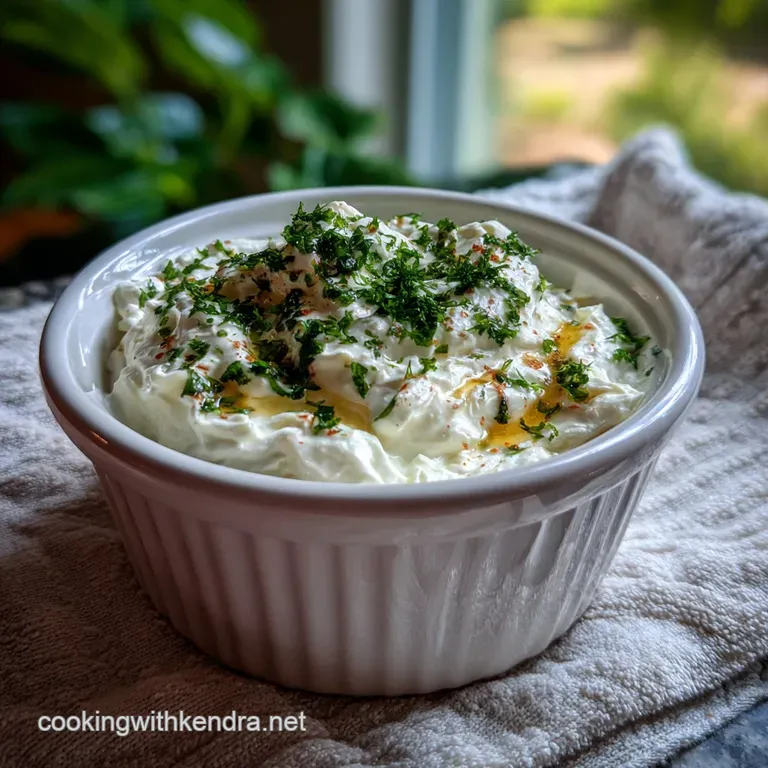
- Time: Active 10 minutes, Passive 30 minutes, Total 40 minutes
- Flavor/Texture Hook: Piquant zing with a silky, spreadable finish
- Perfect for: Holiday prime rib, weeknight steak, or grilled salmon
- Crafting a Pungent Velvety Horseradish Cream Sauce
- The Science of Zesty Balance
- Fresh Versus Shortcut Comparison
- Component Deep Dive Analysis
- Essential Ingredients and Substitutions
- Tools for a Smooth Sauce
- Simple Steps for Perfect Texture
- Solving Consistency and Spice Problems
- Adjusting the Batch Size
- Debunking Pungent Sauce Myths
- Storage and Waste Prevention
- Best Food Pairing Options
- Horseradish Cream Sauce FAQs
- 📝 Recipe Card
Crafting a Pungent Velvety Horseradish Cream Sauce
You know that feeling when you're sitting down to a gorgeous, expensive piece of prime rib, and the only thing on the side is a watery, flavorless blob from a jar? It’s heartbreaking. I’ve been there, and I decided right then that my family deserved better.
This homemade Horseradish Cream Sauce is exactly what a high-quality roast needs. It has that sharp, unmistakable zing that wakes up your palate, but it's mellowed out by a rich, triple threat cream base that keeps you coming back for "just one more" bite.
The first time I tried making this, I just stirred some jarred stuff into sour cream and called it a day. It was... fine. But "fine" doesn't cut it for a holiday dinner. I started experimenting with the ratios, adding a bit of mayo for body and heavy cream for a more luxurious mouthfeel.
The real secret I found was the lemon juice and Dijon they act like a bridge between the spicy root and the fatty dairy. Now, this is the only version my friends ask for, and I honestly think I'd be banned from Christmas dinner if I didn't bring it.
What makes this easy horseradish cream sauce stand out is the texture. It isn't just a dip; it's an emulsion that holds its own on the plate without running into your mashed potatoes.
Whether you are looking for a horseradish cream sauce for steak or something to drizzle over a smoky piece of fish, this recipe hits that sweet spot between fiery and refined. Let's get into why this specific combination of ingredients works so well on a chemical level.
The Science of Zesty Balance
The reason this Horseradish Cream Sauce feels so balanced on your tongue involves a few neat chemical reactions. We aren't just mixing things together; we are managing volatile compounds and stabilizing fats to ensure every spoonful is consistent.
- Isothiocyanate Release: The "heat" in horseradish comes from allyl isothiocyanate, which is only released when the root's cells are crushed. Vinegar in the prepared horseradish stops this reaction, "locking in" the spice level at its peak.
- Acidic Brightening: Lemon juice and vinegar don't just add flavor; they lower the pH of the sauce, which causes the proteins in the sour cream to tighten slightly, creating a thicker, more stable texture.
- Lipid Buffer: The fat molecules in the sour cream and mayonnaise coat your taste buds, slowing down the absorption of the spicy compounds. This prevents the horseradish from being purely painful and allows you to taste the underlying peppery notes.
- Emulsification Stability: Using Dijon mustard introduces lecithin, a natural emulsifier that keeps the heavy cream and sour cream from separating, much like the technique used in The Creamy Chicken recipe.
The Science of Why it Works
The pungent heat of horseradish is a chemical defense mechanism called the "mustard oil bomb." When we mix it with fat rich dairy, we create a temporary emulsion that traps these volatile oils, delivering flavor without excessive burn.
Fresh Versus Shortcut Comparison
| Method | Prep Time | Flavor Profile | Best For |
|---|---|---|---|
| Fresh Grated Root | 20 minutes | Explosive, volatile, earthy | Ultimate prime rib feast |
| Prepared Jarred | 2 minutes | Consistent, vinegary, sharp | Quick weeknight steak dinner |
| Horseradish Powder | 5 minutes | Mellow, lacks "sting" | Dry rubs or spice blends |
When you're choosing your base, remember that prepared horseradish is not the same as "horseradish sauce." The former is just the root, vinegar, and salt, which is what we want here. The latter is already diluted with fillers and won't give you the same punchy results.
Component Deep Dive Analysis
| Ingredient | Science Role | Pro Secret |
|---|---|---|
| Sour Cream | Primary Fat Base | Use full fat only; low-fat versions contain thickeners that turn grainy when mixed. |
| Prepared Horseradish | Flavor Catalyst | Drain it in a fine mesh sieve to prevent the vinegar from thinning your sauce. |
| Dijon Mustard | Emulsifier | Choose a smooth Dijon to help bridge the gap between the acid and the dairy. |
| Heavy Cream | Texture Softener | A splash of heavy cream creates a "velvety" finish that mimics high end steakhouse sauces. |
One mistake I once made was skipping the heavy cream. I thought the sour cream was enough, but the resulting sauce felt a bit too "stiff." Adding that tiny bit of liquid fat makes it pourable enough to look elegant but thick enough to stay put.
It's a small change that makes a massive difference in the final presentation.
Essential Ingredients and Substitutions
To make the best horseradish cream sauce recipe, you’ll need a few staples from your pantry. I always recommend using the highest quality dairy you can find, as there are so few ingredients that each one really has to pull its weight.
- 1 cup (240g) full fat sour cream: Why this? Provides the tangy, thick foundation needed for a substantial sauce.
- 1/4 cup (60g) high-quality mayonnaise: Why this? Adds egg based richness and extra stability to the emulsion.
- 2 tbsp (30ml) heavy whipping cream: Why this? Thins the sauce to a silky, pourable consistency.
- 1/2 cup (125g) prepared horseradish, drained: Why this? The main flavor engine; draining prevents a watery mess.
- 1 tsp (5ml) Dijon mustard: Why this? Adds a subtle depth and acts as a natural binder.
- 1 tbsp (15ml) freshly squeezed lemon juice: Why this? Cuts through the heavy fats and brightens the root flavor.
- 1 tsp (5ml) Worcestershire sauce: Why this? Provides a hidden savory umami backnote.
- 1/2 tsp fine sea salt: Why this? Enhances all the other pungent flavors.
- 1/4 tsp freshly cracked black pepper: Why this? Adds a different kind of heat that lingers.
- 2 tbsp fresh chives, finely minced: Why this? Adds color and a mild onion sweetness.
| Original Ingredient | Substitute | Why It Works |
|---|---|---|
| Sour Cream | Greek Yogurt (Full fat) | Similar tang and thickness. Note: Slightly more acidic; may need a pinch of sugar. |
| Lemon Juice | Apple Cider Vinegar | Provides necessary acidity. Note: Adds a fruity note that pairs well with pork. |
| Fresh Chives | Finely Minced Scallions | Similar allium flavor. Note: Use only the green parts for the most delicate taste. |
Tools for a Smooth Sauce
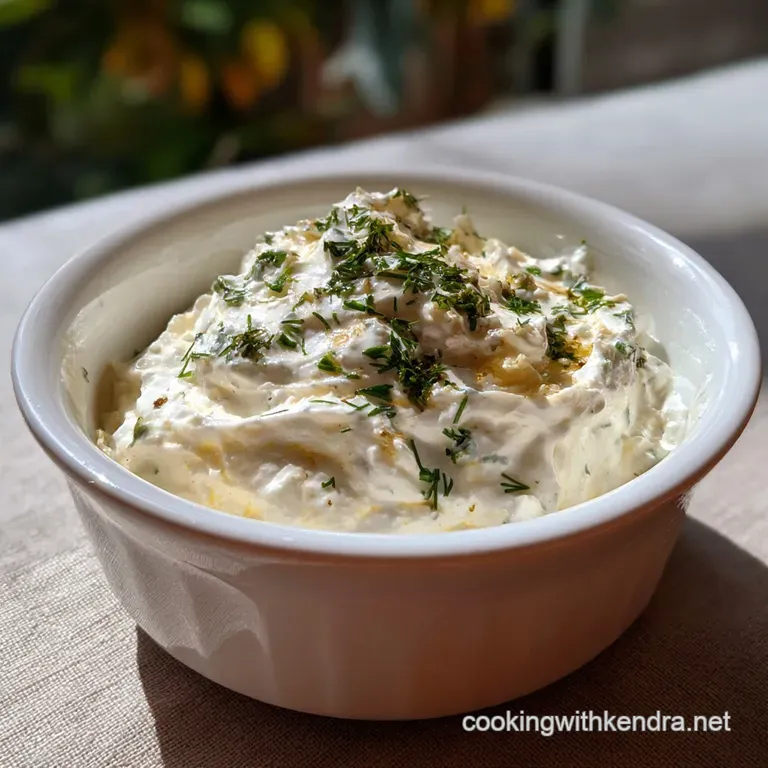
You don't need a lot of fancy gear for this, which is why I love it for busy weeknights. However, a few specific tools will make the process much cleaner.
- Fine Mesh Sieve: Essential for draining the prepared horseradish. If you skip this, your sauce will be soupy.
- Stainless Steel Mixing Bowl: I prefer metal over plastic because it stays cold, which helps keep the dairy stable while you whisk.
- Small Silicone Spatula: Great for folding in the chives at the end without bruising them.
- Glass Jar with Lid: For the "resting" phase in the fridge. Glass doesn't absorb the strong horseradish odor like plastic containers can.
If you happen to be making a larger meal, this sauce is a fantastic companion to other classic side dishes. It's much simpler than making a complex gravy, and the clean up is basically non existent compared to a stovetop reduction.
Simple Steps for Perfect Texture
- Drain the horseradish. Place the 1/2 cup of prepared horseradish in a fine mesh sieve and press gently with a spoon. Note: This removes excess vinegar that would otherwise break your cream base.
- Combine the bases. In your chilled mixing bowl, whisk together 1 cup sour cream and 1/4 cup mayonnaise until smooth.
- Add the aromatics. Stir in the drained horseradish, 1 tsp Dijon mustard, and 1 tsp Worcestershire sauce.
- Brighten the mix. Pour in 1 tbsp lemon juice and whisk until the sauce begins to look glossy and unified.
- Season the sauce. Sprinkle in 1/2 tsp sea salt and 1/4 tsp cracked black pepper.
- Incorporate the cream. Slowly stir in 2 tbsp heavy whipping cream. The sauce should become velvety and trail slightly from the spoon.
- Fold in herbs. Gently mix in the 2 tbsp of minced chives using a spatula.
- Chill and bloom. Cover the bowl and refrigerate for at least 30 minutes. The aroma will become noticeably more integrated as it rests.
- Final taste test. Give it a quick stir before serving. If it’s too thick, add one more teaspoon of heavy cream.
Chef's Tip: If you want a really "nasal clearing" experience, use a fork to mix the horseradish into the cream rather than a whisk. Whisking can sometimes whip too much air into the sauce, which slightly dilutes the concentration of the spicy oils.
Solving Consistency and Spice Problems
Sometimes things don't go perfectly, especially if your sour cream has a different moisture content than mine. But don't worry, almost every horseradish cream sauce for prime rib issue is fixable with a quick adjustment.
Fixing a Watery Consistency
If your sauce looks more like a dressing than a dip, you likely had too much liquid in your horseradish or used a low-fat sour cream. To fix this, you can whisk in an extra tablespoon of mayonnaise or, if you're desperate, a tiny pinch of xanthan gum (though use that sparingly!).
Usually, just letting it sit in the fridge for another hour will help it set back up as the fats firm up.
Taming an Overpowering Bite
We've all been there you take a bite and your eyes start watering uncontrollably. If your horseradish was particularly potent, you need to "buffer" the heat. Add another dollop of sour cream or a teaspoon of honey.
The sugar in the honey doesn't make the sauce "sweet," but it interferes with how your tongue perceives the sharpest notes of the root.
Brightening a Flat Sauce
If the sauce tastes heavy and dull, it’s lacking acid. Add another half teaspoon of lemon juice or a tiny splash of white wine vinegar. Salt is also a common culprit here; a small pinch can often "wake up" the horseradish flavor if it feels muted.
| Problem | Root Cause | Solution |
|---|---|---|
| Separating Sauce | Temperature changes | Whisk vigorously and add 1 tsp mayo to re emulsify. |
| Too Grainy | low-fat dairy | Pass through a fine sieve or add heavy cream to smooth it out. |
| Lacks "Kick" | Old horseradish | Stir in 1/2 tsp of dry mustard powder to boost the heat. |
Common Mistakes Checklist:
- ✓ Always drain your horseradish before measuring; the liquid volume varies wildly by brand.
- ✓ Use fresh lemon juice instead of the bottled stuff; the oils in the zest add a necessary floral note.
- ✓ Don't skip the resting period! The flavors need that 30 minute "date" in the fridge to really get to know each other.
- ✓ Check the expiration date on your horseradish jar; it loses its heat surprisingly fast once opened.
- ✓ Mince your chives with a sharp knife to avoid bruising them, which can make the sauce taste "grassy."
Adjusting the Batch Size
Scaling this homemade horseradish cream sauce is straightforward because the ratios are quite forgiving. However, there are a few things to keep in mind if you're cooking for a massive party or just a quiet dinner for two.
Downscaling (1/2 Batch) If you only need a small amount for a couple of steaks, simply halve everything. Use 1/2 cup sour cream and 2 tablespoons of mayo. Since you're working with smaller volumes, use a very small bowl so the sauce doesn't just smear against the sides.
You might find you need a tiny bit less salt than a perfect half measure, so season at the very end.
Upscaling (2x-4x Batch) When doubling for a large holiday gathering, keep the horseradish and dairy ratios the same, but be careful with the lemon juice and salt. I suggest starting with 1.5x the lemon and salt, tasting it, and then adding the rest if needed. Acids and salts can sometimes become overwhelming when scaled up linearly. If you're making a huge batch, use a stand mixer with the whisk attachment on low speed to get a perfectly uniform Horseradish Sauce for recipe consistency without wearing out your arm.
Debunking Pungent Sauce Myths
One of the biggest myths is that adding more vinegar makes the sauce spicier. In reality, vinegar actually stops the heat producing reaction in horseradish. If you want it hotter, you actually want less vinegar and more of the raw root.
Another common misconception is that the "heat" comes from the seeds or the skin of the root. It’s actually an enzyme reaction that happens throughout the entire vegetable when the cell walls are broken.
I’ve also heard people say you should never use mayonnaise in a "real" horseradish sauce. That’s just culinary gatekeeping! The mayo provides an egg based lecithin that keeps the whole thing from separating when it hits a warm piece of meat.
Without it, your sauce might turn into a puddle of melted cream the second it touches your steak.
Storage and Waste Prevention
This sauce keeps remarkably well in the fridge, but it doesn't do great in the freezer. The dairy will likely "break" or become grainy when thawed, losing that velvety texture we worked so hard for.
- Fridge: Store in an airtight glass jar for up to 1 week. The flavor actually peaks around day 2 or 3.
- Freezer: Not recommended.
- Zero Waste Tip: If you have leftover sauce that you aren't going to use on meat, stir it into your mashed potatoes the next day. It adds a fantastic tang and depth. You can also use it as a spread for a roast beef sandwich or even a "zesty" base for a potato salad. If you have leftover fresh chives, wrap them in a damp paper towel and put them in a zip top bag; they'll stay fresh for another 5 days.
Best Food Pairing Options
While we often think of this as a horseradish cream sauce for beef tenderloin, it’s actually much more versatile. The creamy, sharp profile makes it a perfect partner for anything rich or smoky.
- Beef: Prime rib, ribeye steak, or even a simple burger.
- Fish: It is a stunning horseradish cream sauce for salmon, especially if the fish is grilled or cedar planked. The smoke and the spice are a match made in heaven.
- Poultry: Believe it or not, this is a fantastic horseradish cream sauce for chicken. I love it with a simple roasted bird to add some excitement to the breast meat.
- Vegetables: Drizzle this over roasted beets or use it as a dip for crispy smashed potatoes. The sweetness of the beets against the bite of the horseradish is a classic pairing for a reason.
If you want a specific vibe, try these tweaks: If you want a Smoky Variation, add 1/2 teaspoon of smoked paprika. If you want a Zesty Herb Twist, swap the chives for fresh dill and tarragon.
If you want a Steakhouse Style, fold in an extra tablespoon of heavy cream for a more fluid consistency.
Whether you're serving this at a fancy dinner or just looking for a way to make Tuesday night's steak feel a bit more special, this recipe is a reliable win. It’s simple, fast, and brings a level of punchy flavor that you just can’t get from a grocery store shelf.
Give it a try, and let me know how it transforms your next meal!

Horseradish Cream Sauce FAQs
What is in horseradish cream sauce?
Typically sour cream, mayonnaise, prepared horseradish, and seasonings. Common additions include Dijon mustard, lemon juice, Worcestershire sauce, salt, pepper, and fresh chives for garnish. The base provides richness, while the horseradish brings its signature pungent heat.
What's the difference between horseradish sauce and horseradish cream?
"Horseradish cream" implies a richer, dairy based sauce, often using sour cream or heavy cream. "Horseradish sauce" is a broader term that could include vinaigrettes or simpler preparations. This recipe focuses on the creamy, decadent version, perfect for balancing rich meats, similar to the creamy sauce in our Green Bean Casserole: The Best Posh Upgrade with Homemade Creamy Sauce.
How do you make Bobby Flay horseradish sauce?
While Bobby Flay's exact recipe varies, key components usually include prepared horseradish, sour cream, and often mayonnaise for body. He frequently incorporates fresh herbs like chives or parsley and uses a touch of acid like lemon juice or vinegar to brighten the flavors.
Many of his sauces emphasize a balance of pungent heat and creamy texture, achieved through precise ingredient ratios.
Is horseradish cream sauce healthy?
Generally, no, it is not considered a "health food" due to its high fat content from dairy and mayonnaise. However, it's a condiment used in small quantities, and the horseradish itself offers some potential digestive benefits. If you're seeking lighter alternatives, consider incorporating it into dishes like our Creamy Chicken Enchiladas Recipe Blanco Style with Homemade White Sauce where the sauce is a key component but not the sole focus.
How do I drain prepared horseradish properly?
Place prepared horseradish in a fine mesh sieve set over a bowl and gently press with a spoon. This removes excess vinegar without sacrificing too much flavor, preventing a watery sauce. This step is crucial for achieving the proper thick, velvety texture.
Can I make horseradish cream sauce ahead of time?
Yes, it's best made ahead of time. Refrigerating for at least 30 minutes, or up to 48 hours, allows the flavors to meld and the sauce to thicken beautifully. This resting period is key to developing a well balanced, pungent flavor profile.
How do I adjust the spice level of horseradish cream sauce?
Add more prepared horseradish for increased heat, or more sour cream/mayonnaise to dilute it. For a sharper, more immediate kick, use freshly grated horseradish, but be aware it can be more volatile and may require a longer resting period for the flavors to mellow. If you enjoyed balancing sharp flavors here, see how that principle applies in our Ultimate Penne Alla Vodka The Trick to a Velvety Glossy Sauce.
Horseradish Cream Sauce
Ingredients:
Instructions:
Nutrition Facts:
| Calories | 44 kcal |
|---|---|
| Protein | 0.4 g |
| Fat | 4.2 g |
| Carbs | 1.2 g |
| Fiber | 0.1 g |
| Sugar | 0.6 g |
| Sodium | 54 mg |
