Baked Salmon: Effortlessly Elegant Lemon-Herb Recipe
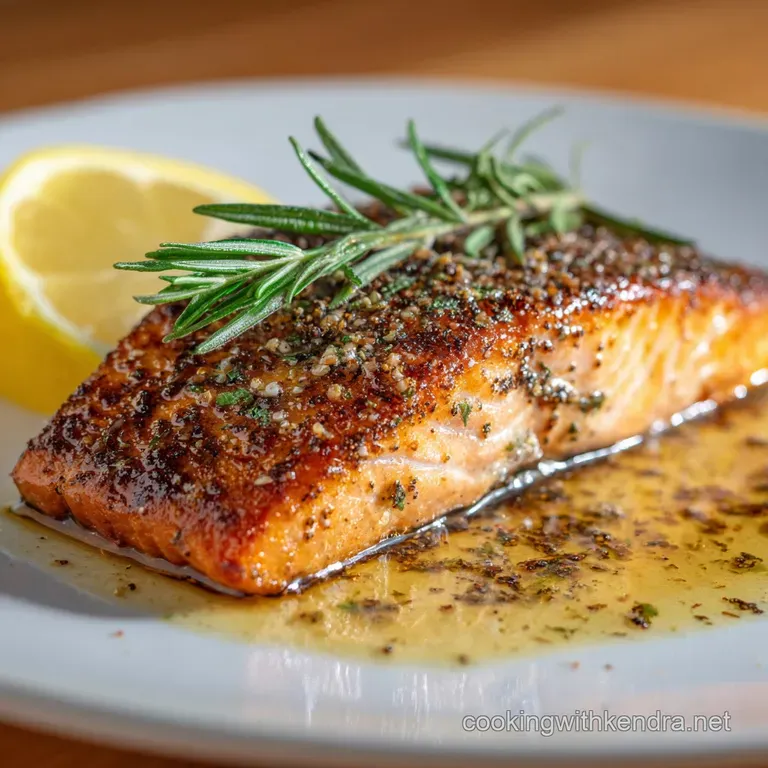
- over High heat Roasted Salmon: The 30 Minute Dinner Solution
- The Science of Flaky Fish: Why over High heat Baking Wins
- Essential Components for Your Lemon-Herb Baked Salmon
- How to Achieve Perfectly Tender Oven-Baked Salmon: The Full Method
- Troubleshooting Your Bake: Expert Tips for Flawless Results
- Maximizing Freshness: Storage and Reheating Guidelines
- The Ultimate Pairings: What to Serve Alongside Your Baked Fillet
- Recipe FAQs
- 📝 Recipe Card
over High heat Roasted Salmon: The 30 Minute Dinner Solution
Can we talk about the sheer magic of perfectly cooked fish? When that aroma of fresh dill and lemon hits the oven air, seriously, it’s instant restaurant quality right in your kitchen.
This perfectly tender, buttery, Baked Salmon is everything: rich without being heavy, flaky without being dry, and deeply satisfying.
Forget those complicated, multi step recipes that promise perfection and deliver despair. We’ve all been there, pulling out fish that looks suspiciously pale or, worse, tastes like cardboard. This method is the culinary equivalent of an instant win, making Baked Salmon a weeknight hero.
You spend ten minutes prepping, and then dinner handles itself while you chill.
This recipe simplifies everything you thought you knew about cooking fish. We are cranking up the heat, using a foolproof flavor barrier, and guaranteeing you the best, most consistently moist Baked Salmon you’ve ever had. Let’s get cooking!
The Science of Flaky Fish: Why over High heat Baking Wins
If you want truly phenomenal Baked Salmon , you have to ignore tradition for a second. We aren’t setting the oven to a timid 350°F (175°C) and hoping for the best over 20+ minutes. That slow approach often cooks out the moisture.
What Defines 'Effortlessly Elegant' Cooking?
over High heat cooking is the secret weapon here. Roasting at 400°F (200°C) allows the exterior to crisp up ever so slightly, but more importantly, it speeds up the process. This dramatically reduces the risk of drying out the delicate fats and proteins inside. Faster cooking equals juicier fish, period.
This method proves that the Best Baked Salmon is simply a speedy salmon. It’s brilliant.
Required Kitchen Equipment Checklist
You don't need a fancy fish poacher or a specialized gadget for this. The key is accuracy, not complexity.
- Rimmed Baking Sheet (Standard half sheet size is great)
- Parchment Paper (Crucial for non-stick release!)
- Sharp Knife and Cutting Board
- Instant Read Digital Thermometer (Non-negotiable for perfect Baked Salmon)
- Small Mixing Bowl for the butter
The Magic of Compound Herb Butter
If you spread plain olive oil on the fish, that’s fine. But if you want fish that truly sings, you need the compound butter. This mixture of softened butter, dill, parsley, and garlic melts beautifully.
It not only infuses the fish with incredible flavor, but it also creates a protective fat shield against the intense oven heat. That butter barrier is what guarantees that moist interior.
Perfecting the Internal Temperature (Doneness Guide)
Stop guessing! The biggest blunder when making Baked Salmon is relying on the "flaking test" alone. While it’s a decent visual cue, it’s often too late.
Chef's Note: The official FDA recommended safe internal temperature for fish is 145°F (63°C). For the moistest salmon possible, pull the fish out of the oven when your thermometer registers 140°F (60°C). The residual heat, known as carryover cooking, will bring it up to a safe 145°F while it rests.
Preventing Dryness: The Herb Butter Barrier
Think of the herb butter like a natural sealant. As the butter melts, it bastes the Simple Baked Salmon continuously. This technique keeps the outside moist and prevents the oven heat from aggressively evaporating the internal juices.
Without that layer of fat, those precious Omega-3s would render out and leave you with tough, dry fillets. This is why our method works every time.
Skin On vs. Skin Off: Making Your Choice
When I’m making Baked Salmon Fillets in the oven, I almost always leave the skin on. Why? The skin acts as a natural protective layer between the delicate flesh and the hot baking sheet. It helps insulate the fillet, which is a big bonus when roasting at high temperatures.
Plus, if you cook it right, the skin lifts right off the parchment after cooking.
If you hate the skin, go ahead and ask your fishmonger to remove it. Just remember to lightly oil the underside of the fish before placing it on the baking sheet to prevent sticking.
Essential Components for Your Lemon Herb Baked Salmon
The ingredient list is short and sweet. When you’re cooking something as naturally flavorful as salmon, you don’t need a huge array of spices just high-quality components that complement the fish without masking it. This approach results in the best Baked Salmon .
Choosing the Right Salmon Fillet (Farmed vs. Wild)
A great dish starts with great fish. I always recommend going for a fillet that is uniform in thickness. This ensures every piece of your Baked Salmon cooks evenly. If you have a huge, thick end and a very thin tail end, the thin part will be overcooked by the time the thick part is done.
- Wild: Generally leaner, firmer texture, stronger flavor.
- Farmed: Higher fat content (which means it stays moister during baking), milder flavor, and usually thicker portions.
For this Baked Salmon Recipe , I actually prefer farmed Atlantic salmon because the higher fat content is very forgiving under the high heat.
Breaking Down the Lemon Herb Marinade
We aren't actually marinating the fish; we are creating a compound butter rub. The dill provides a light, classic, slightly grassy flavor that pairs perfectly with the salmon. Parsley adds color and freshness, while the lemon zest contributes bright, concentrated citrus oils without adding excess acidity (we save the juice for the finish!).
Measuring Units: Metric and Imperial Conversions
I know some folks swear by grams and others by spoons. I try to make this Baked Salmon recipe accessible to everyone. Here are the measurements side-by-side, though for this recipe, simple measurement cups work fine.
| Ingredient | US Customary | Metric |
|---|---|---|
| Salmon Portions | Four 6 ounce portions | Four 170 g portions |
| Unsalted Butter | 4 tablespoons | 56 grams |
| Fresh Dill/Parsley | 1 tablespoon each | 15 ml each |
Smart Ingredient Swaps and Allergy Notes
Don't have fresh dill? No problem. Flexibility is the key to happy cooking!
| Ingredient | Substitution | Notes |
|---|---|---|
| Butter | Extra Virgin Olive Oil or Ghee | Use 3 Tbsp oil instead of 4 Tbsp butter for a lighter coat. |
| Dill | Fresh Chives or Tarragon | Use the same quantity. Thyme works well too, but use half the amount. |
| Lemon | Lime Zest or Orange Zest | Changes the flavor profile, but still provides brightness. |
If you are sensitive to garlic, you can swap it for 1/4 teaspoon of onion powder in the herb butter. These tiny adjustments still deliver fantastic Baked Salmon Recipes Oven results.
How to Achieve Perfectly Tender Oven Baked Salmon: The Full Method
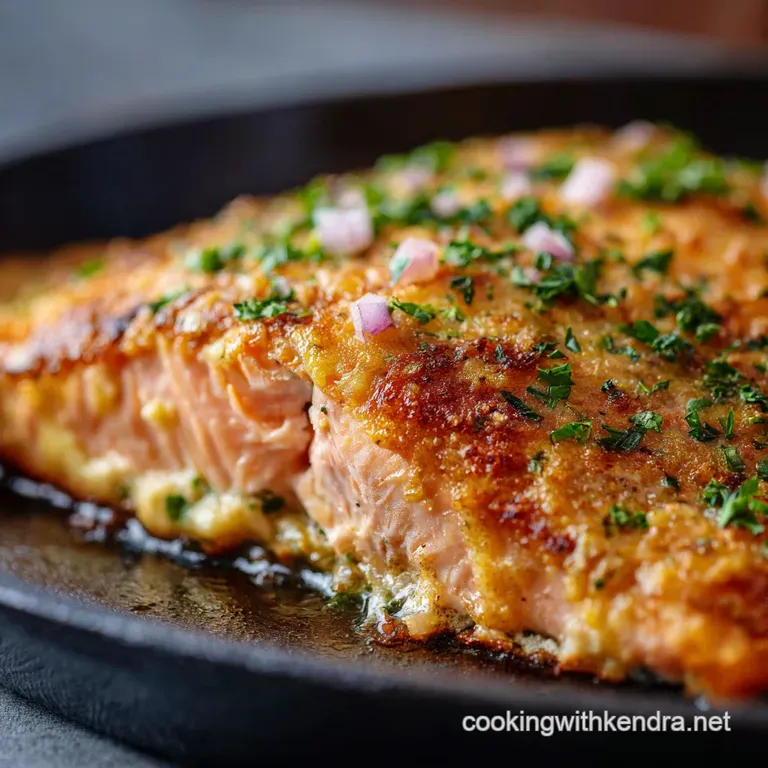
You’re about 25 minutes away from a fabulous meal. Let’s crack on!
Prep: Seasoning and Preparing the Baking Sheet
First, preheat that oven to 400°F (200°C). Line a rimmed baking sheet with parchment paper. Trust me, parchment paper makes cleanup a dream, especially with buttery fish. Lightly oil the paper a crucial step for ensuring the Baked Salmon doesn't tear when you lift it.
Now, take your fillets and pat them down vigorously with paper towels. I cannot stress this enough. If the surface is wet, the fish steams itself in the oven. Next, season generously with salt and pepper. Place the fish, skin side down, on the prepared sheet.
The mistake I once made? I was aiming for moist results but baked How Long To Cook Salmon In Oven At 350 for too long, trying to "catch up" after seeing it pale. The result was dry edges and a messy, stuck-on skin. Stick to 400°F!
Method: Roasting Timeline and Oven Placement
Mix up your compound butter (softened butter + herbs + garlic + zest) until it looks gorgeous and green. Divide the butter evenly among the fillets and gently spread it across the entire top surface of the Baked Salmon . This is our flavor moisture insurance policy.
Place the sheet pan on the middle rack of the preheated oven. Bake for 12 to 15 minutes. Start checking at the 12 minute mark if your fillets are on the thinner side (about 1 inch).
How to Test for Flakiness and Doneness
Twelve minutes in, gently insert that digital thermometer into the thickest part of the Best Baked Salmon . If you hit 140°F (60°C), pull it out!
If you don't have a thermometer, use the fork test: insert a fork into the thickest part and gently twist. The flesh should separate easily into large, moist flakes. If it looks raw or resists, give it another 1– 2 minutes, but be very vigilant.
Resting and Garnishing for Maximum Flavor
Do not skip the rest! Once out of the oven, let the fish sit right on the baking sheet for 3 minutes. This resting period allows the juices to settle back into the flesh.
Just before serving, drizzle the reserved fresh lemon juice over the top. The acidity brightens the heavy fat and herbs, lifting the flavor profile completely. Serve the Baked Salmon immediately.
Troubleshooting Your Bake: Expert Tips for Flawless Results
Every home cook runs into issues. Don't panic if something goes sideways; we have easy fixes!
Common Mistake: Overcrowding the Pan
I know you want to cook all six fillets at once, but resist the urge. Baked Salmon needs space. If you crowd the baking sheet, the steam released by the fish gets trapped, causing the fish to steam rather than roast. This results in soft, unappealing edges instead of that lovely roasted crust.
Give each fillet at least an inch of breathing room.
Dealing with Albumin (The White Stuff)
Ever notice that cloudy white substance oozing out of your fish? That's albumin, a harmless protein that solidifies when heated. It's totally edible, but it definitely doesn't look pretty.
Albumin usually seeps out when the salmon cooks too fast or is slightly overcooked. To minimize this, ensure your fillets are at room temperature for 10 minutes before baking, and stick strictly to that 140°F pull out temperature.
If a little bit of albumin appears on your Simple Baked Salmon , just scrape it off gently with a spoon before serving.
The Secret to Crisp Skin (If desired)
If you are a skin-on person, you need a different technique for crispy results. Instead of placing the salmon on the parchment paper and buttering the top, skip the parchment and place the skin directly onto a very lightly oiled, preheated sheet pan (or a cast iron skillet).
Bake the Baked Salmon skin side down for the whole cook time. High heat and direct contact with the metal create ultimate crispness.
Slicing and Serving Technique
If you baked one large side of Baked Salmon , don’t try to slice it directly on the baking sheet. Transfer the whole piece carefully to a cutting board first. Use a spatula to gently lift the serving portion away from the skin (if present) and plate it immediately.
Maximizing Freshness: Storage and Reheating Guidelines
Fish always tastes best fresh, but sometimes you just have leftovers. Knowing how to handle your delicious Baked Salmon Recipe correctly is crucial.
Safely Storing Leftover Roasted Salmon
Once cooled, store the leftover Baked Salmon in an airtight container in the refrigerator. It is best eaten within 3 to 4 days. Salmon tends to get fishier the longer it sits, so try to use it up quickly. It's fantastic cold, flaked over a salad, or mixed into a hearty bowl of Loaded Baked Potato Soup: Ultimate Decadent Creamy Pub Classic (just toss it in at the end!).
Best Practices for Freezing Cooked Salmon
Yes, you can freeze cooked salmon! Cool it completely, wrap individual portions tightly in plastic wrap, and then place those wrapped portions in a zip-top freezer bag, squeezing out all the air. It will last safely for up to 3 months.
To reheat, thaw the salmon overnight in the fridge. The best way to warm up Baked Salmon without drying it out is in a toaster oven or standard oven. Place the fish on foil, splash it with a teaspoon of water or stock, and cover it loosely with foil.
Bake at 300°F (150°C) for about 8– 10 minutes until warmed through. Low and slow is the secret to retaining moisture upon reheat.
The Ultimate Pairings: What to Serve Alongside Your Baked Fillet
This Baked Salmon Fillet is the star, but every star needs a stellar supporting cast!
For sides, I tend to go classic comfort. You cannot beat a rich, creamy starch next to bright, flaky fish. Why not try serving the salmon alongside my famous Twice Baked Potatoes: Ultimate Cheesy Creamy Recipe ? The texture contrast is heaven.
If you’re leaning toward lighter options, simple roasted green beans tossed with toasted almonds are always a winner. A light quinoa salad or even my easy Baked Omelette for a fancy brunch twist works beautifully.
Whatever you choose, remember that cooking the perfect Baked Salmon is less about fancy footwork and more about understanding temperature and using protective fat. You nailed it. Enjoy!
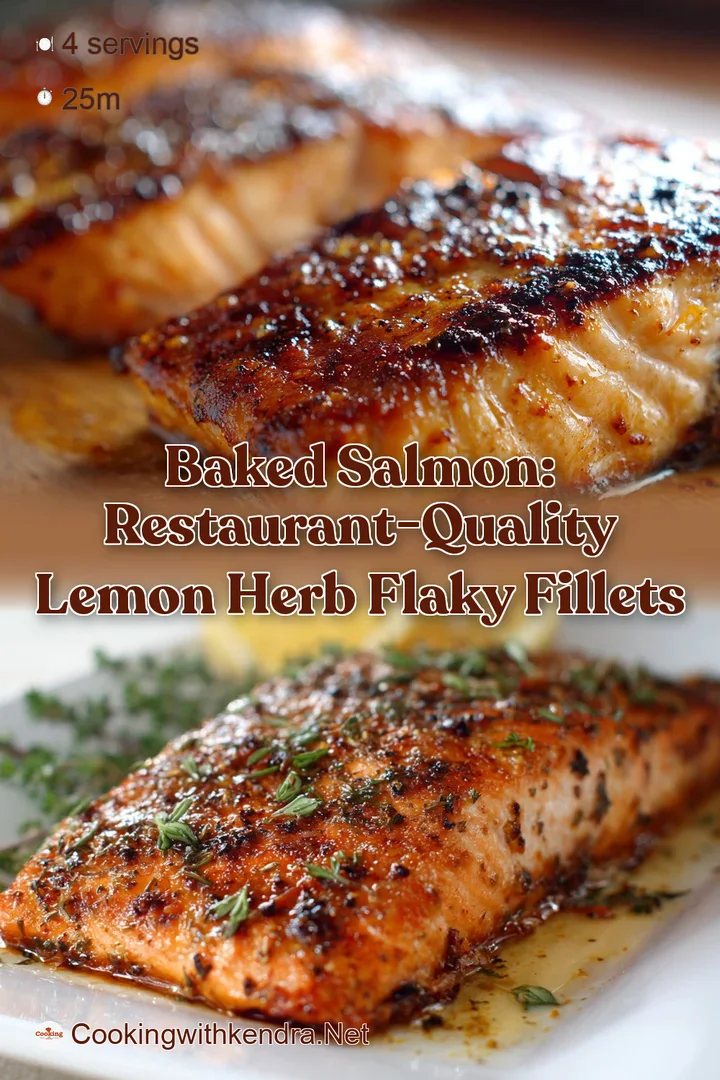
Recipe FAQs
Why did my baked salmon turn out dry and tough?
Dryness is almost always a result of overcooking. To prevent this, measure the temperature at the thickest part of the fillet and remove it from the oven when it reaches 135°F to 140°F.
Let the salmon rest for five minutes tented with foil; the residual heat, known as carryover cooking, will safely bring it to the FDA-recommended 145°F while retaining moisture.
What is the ideal internal temperature for perfectly cooked salmon?
The standard safe internal temperature for fish is 145°F (63°C). However, for maximum moisture and flakiness, many chefs pull the salmon out around 135°F, as the temperature will rise during the resting period.
A simpler method is checking if the flesh flakes easily when gently pressed with a fork; if it resists or looks translucent, it needs a few more minutes.
Should I remove the skin before baking the salmon?
We highly recommend leaving the skin on while baking. The skin acts as a crucial natural barrier, protecting the delicate flesh from the direct heat of the pan and helping the fish retain its oils and moisture.
If you prefer not to eat the skin, you can easily slide a spatula between the crispy skin and the cooked fillet just before serving.
How long can I safely store leftover baked salmon?
Leftover baked salmon should be cooled quickly and then stored in an airtight container in the refrigerator.
It will remain fresh and safe to eat for 3 to 4 days, making it perfect for incorporating into salads, pasta, or wraps the following day.
Can I bake frozen salmon fillets without thawing them first?
Yes, you can bake salmon straight from the freezer, but you must increase the total cooking time by approximately 50%.
Season the frozen fillets lightly, bake them for half the extended time, and then apply any sauces or compound butter for the remainder of the cooking to prevent burning the herbs.
What are good herb substitutions if I don't have dill or parsley?
Rosemary and thyme are excellent substitutions, providing a more savory, earthy depth that pairs beautifully with the rich salmon fat.
For a lighter, zestier profile, try substituting fresh tarragon or chives, which offer a mild onion flavor that complements lemon well.
Is it safe to freeze cooked salmon leftovers?
While safe, freezing cooked salmon is generally not recommended as the texture drastically degrades upon thawing, often becoming mushy or dry.
If you must freeze it, store it tightly wrapped for up to two months, but plan only to use the thawed fish in dishes where texture is less important, like salmon cakes or casseroles.
Lemon Herb Baked Salmon
Ingredients:
Instructions:
Nutrition Facts:
| Calories | 405 kcal |
|---|---|
| Protein | 38.0 g |
| Fat | 27.1 g |
| Carbs | 2.2 g |
