Butterless Cookie Recipes: Olive Oil Chewy Choc Chip
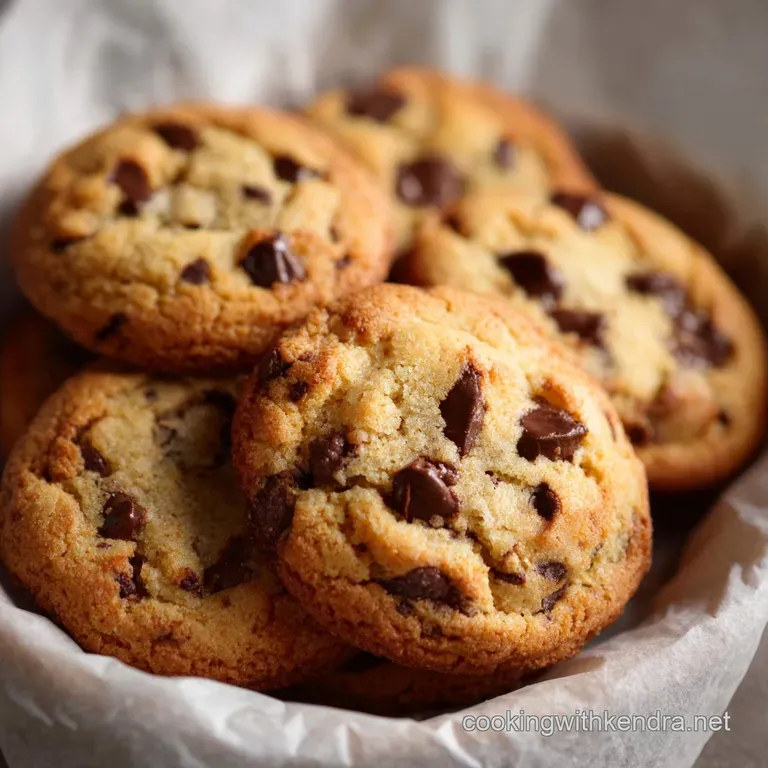
- Ditching the Butter: Achieving Bakery-Quality Cookies with Olive Oil
- The Science of a Chewy Bake: Structure Without Saturated Fat
- Essential Components for the Best Butterless Chocolate Chip Cookies
- Baking Mastery: Your 8 Step Guide to Light & Chewy Olive Oil Cookies
- Troubleshooting Your Bake: Pro Tips for Flawless Butterless Cookie Recipes
- Maximizing Freshness: Storing Your Butterless Dough and Baked Goods
- Elevating the Experience: Perfect Pairings for Olive Oil Chocolate Chip Cookies
- Recipe FAQs
- 📝 Recipe Card
Ditching the Butter: Achieving Bakery Quality Cookies with Olive Oil
Imagine sinking your teeth into a cookie that's both impossibly chewy and incredibly light. That slightly nutty, warm smell filling your kitchen isn't butter; it's something way better.
This butterless cookie recipe hits all the right notes: crinkly edges, gooey centers, and that rich chocolate flavor we all crave.
Honestly, this recipe is a total game changer for those last minute baking panics. We’ve all been there, reaching for the fridge only to realize the butter is rock hard or just plain gone.
Forget the long wait for softening; we are swapping that solid fat for liquid gold, and it speeds up the entire mixing process beautifully. It’s faster, cheaper, and bonus, it significantly cuts down the saturated fat, which never hurts!
I know, "olive oil in cookies?" Sounds bonkers, right? Trust me, I was skeptical too, until I cracked the code on managing the texture and preventing that greasy spread. We’re using a couple of clever tricks like Greek yogurt and strategic chilling to deliver a bakery level easy butterless cookie recipe every single time.
Let’s crack on and get baking.
The Science of a Chewy Bake: Structure Without Saturated Fat
Why Olive Oil is the Secret Ingredient for Tender Cookies
When you use butter, you are relying on aeration whipping air into the solid fat to create a tender structure. Oil, being liquid, can’t hold air the same way, but it excels at coating flour proteins, which is why these cookies stay so incredibly moist and tender.
Because the oil is already liquid, the fat melts instantly in the oven, encouraging the signature spread and the chewy centre we are aiming for.
The Myth of Butter: How Solid Fats Affect Texture
Butter is roughly 80% fat, 18% water, and 2% milk solids. Those solids are actually vital for structure in classic baking! When we switch to oil, we lose those milk solids and all that water, which is why many no butter cookie recipes turn out greasy or flat. My trick?
We replace those lost solids and moisture using a tiny boost of Greek yogurt.
Quick Recipe Overview: Yield and Prep Time
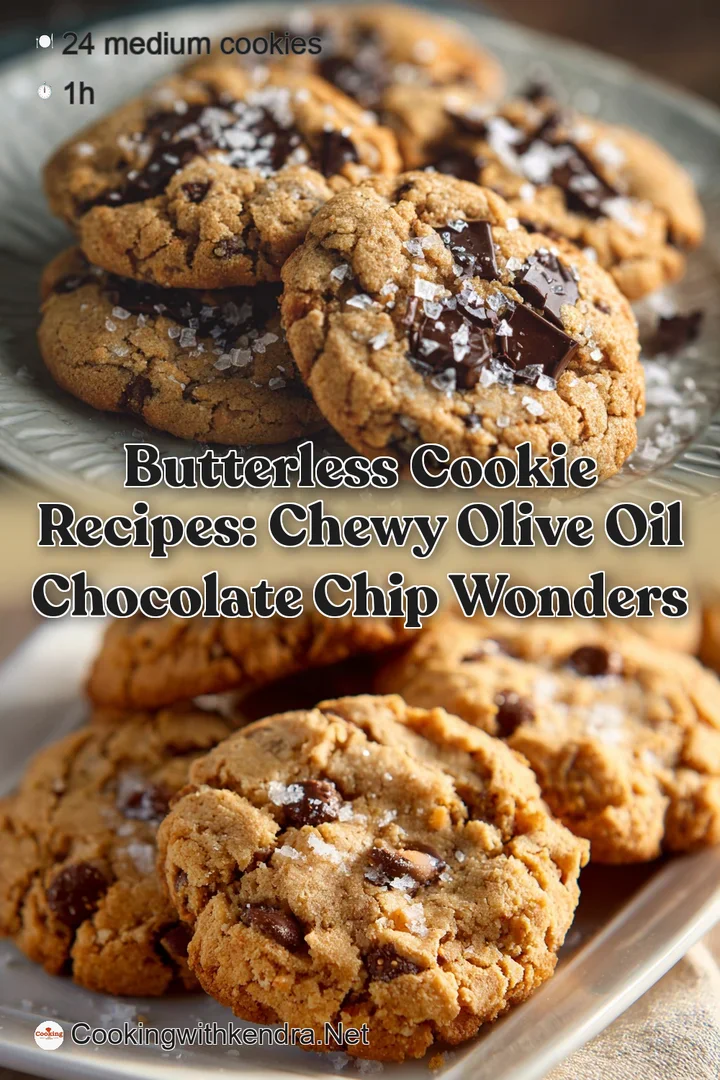
This recipe makes about two dozen lovely, medium sized cookies. The active mixing time is ridiculously fast, maybe 15 minutes max. However, do not skip the chilling period; it’s non-negotiable for these butterless biscuit recipes to achieve the right texture.
The Role of Greek Yogurt in Emulsification and Moisture
Greek yogurt is the unsung hero here, acting as a structural replacement for the butter's milk solids. It introduces just enough moisture and protein to help bind the liquid oil with the sugars and eggs. This results in a much less crumbly, deeply moist dough that holds its shape brilliantly in the oven.
Achieving the Perfect Spread: Oil vs. Solid Fat Dynamics
Liquid fat like olive oil encourages more spread than solid, cold butter does, simply because it melts faster. To counteract that, we rely heavily on the brown sugar content, which retains moisture, and the chilling period.
That quick rest in the fridge thickens the oil enough to slow the initial spread and keep the cookies from becoming paper thin.
Balancing Flavors: How to Prevent an Overly Oily Taste
The biggest mistake people make with olive oil chocolate chip cookies is grabbing the wrong bottle. You absolutely need a mild, light tasting olive oil, or a blend. Robust Extra Virgin Olive Oil, while delicious on salads, is far too pungent and peppery here.
Chef's Note: If you want a perfectly neutral flavour, swap the olive oil for an equal amount of canola or vegetable oil. The function is the same, but the taste vanishes completely.
Essential Components for the Best Butterless Chocolate Chip Cookies
Choosing Your Oil: Why Extra Virgin is Not Always Best
As mentioned, choose a mild or "light" olive oil. We aren’t aiming for an oily taste, but a beautifully tender texture. If you are baking something like my Funfetti Cookies: The Best Soft And Chewy Birthday Recipe where the flavour needs to be totally neutral, definitely reach for canola instead.
Flour Power: Getting the Right Protein Content for Chew
All-purpose flour works perfectly for these cookies, providing the necessary gluten structure without making them tough. Remember to spoon and level your flour; scooping directly from the bag packs it in, resulting in way too much flour and a dry, cakey cookie. Always spoon and level the flour, or weigh it!
Dairy Alternatives: Swapping Greek Yogurt for Plant Based Options
If you need a dairy-free option, you still need something to provide moisture and binding power. Full fat sour cream works exactly the same as Greek yogurt if dairy isn't the issue.
For a truly vegan bake, use 3 tablespoons of unsweetened applesauce, which performs similarly, although the resulting cookie will be slightly softer and perhaps a touch more cakey.
Sweetener Secrets: Achieving Depth with Brown and Granulated Sugar
The combination of both sugars is crucial for texture. Brown sugar is hygroscopic it holds moisture giving us that essential chewiness and deep flavour. Granulated sugar, however, helps the cookies spread and provides the necessary crispness around the edges. Don't mess with the ratio!
| Ingredient | Role | Substitution |
|---|---|---|
| Mild Olive Oil | Moisture, tenderness | Canola or vegetable oil |
| Greek Yogurt | Binder, structural moisture | Sour cream or applesauce |
| All-Purpose Flour | Structure | Bread flour (use slightly less) or gluten-free 1 to-1 blend |
| Egg | Emulsifier, rise | Flax egg (for vegan eggless and butterless cookie recipes ) |
Baking Mastery: Your 8 Step Guide to Light & Chewy Olive Oil Cookies
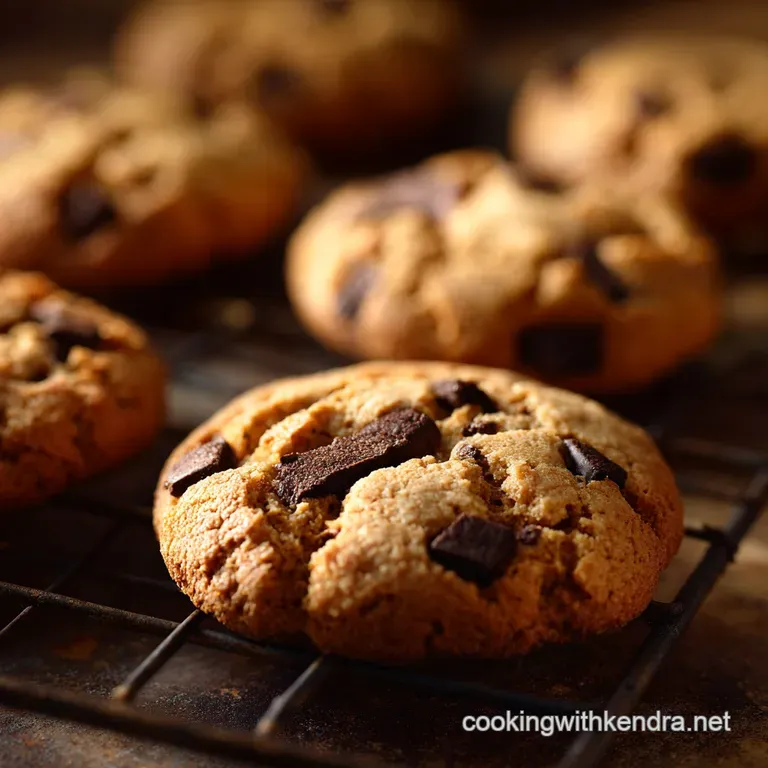
Creaming the Oil and Sugar: A Different Approach to Aeration
Since oil doesn't "cream" like butter, we are aiming for emulsification, not fluffiness. Whisk the sugars and oil vigorously for about a minute until the mixture looks thick and glossy. This ensures the sugar dissolves slightly into the oil, preventing a grainy texture later on.
Chilling vs. Immediate Baking: When and Why to Rest the Dough
Chilling is mandatory for these easy cookie recipes no butter . When you use liquid fat, the dough needs time for the flour to fully hydrate and, more importantly, for the oil to firm up slightly in the cold.
A minimum of 30 minutes in the fridge prevents your cookies from melting into thin puddles the moment they hit the hot oven.
Perfect Scooping Technique for Uniform Results
I recommend a 1.5 tablespoon cookie scoop it’s the ideal size for medium, perfectly round cookies. Place the scooped dough balls onto your lined sheet, leaving at least 2 inches of space between each. Uniform size means uniform baking, which is the key to perfect results.
Determining Doneness: The Visual Cues for a Soft Center
These cookies bake fast, typically 10 to 12 minutes at 375°F (190°C). Look for edges that are beautifully set and golden brown, while the center still looks slightly puffed and underbaked.
That soft center will continue to cook perfectly on the cooling sheet, guaranteeing maximum chewiness.
Troubleshooting Your Bake: Pro Tips for Flawless Butterless Cookie Recipes
Why Your Cookies Spread Too Much (And How to Fix It)
Nine times out of ten, spreading is due to either warm dough or too much oil. Fix it: Ensure the dough is properly chilled (at least 30 minutes, or longer if your kitchen is warm).
If the problem persists, try adding 1 2 extra tablespoons of flour to the remaining dough to absorb excess moisture.
The Best Way to Incorporate Chocolate Chips Without Crushing
Always fold in the chocolate chips gently by hand using a rubber spatula at the very end. Overmixing them with an electric mixer can crush them into shards, leading to streaks of chocolate through your dough. We want beautiful, whole pools of chocolate.
Avoiding a Cakey Texture: The Importance of Accurate Measuring
Cakey cookies are usually caused by too much flour or not enough fat/moisture. Make sure you are accurately measuring the flour (remember: spooned and levelled!), and definitely use the brown sugar. If you prefer a delicious, chewy bar format, try making my Classic Peanut Butter Lunch Lady Cookie Bars Easy 9x13 Bar next time they always stay moist.
Maximizing Freshness: Storing Your Butterless Dough and Baked Goods
Fridge Life: Keeping Cookie Dough Ready to Bake
This olive oil dough is fantastic for making ahead. Store the dough, tightly wrapped in plastic wrap or sealed in an airtight container, in the fridge for up to 4 days. When you’re ready to bake, just scoop and bake as directed. No need to bring it back to room temperature.
Flash Freezing Baked Cookies for Long Term Enjoyment
If you have leftovers (what are leftovers?), wait until they are completely cool, then place them in a freezer safe bag, pressing out as much air as possible. They keep brilliantly for up to 3 months.
Reinvigorating Day-Old Cookies
This is my favorite trick for any cookie! To make a day-old cookie taste fresh from the oven, place it on a baking sheet and heat it in a 300°F (150°C) oven for just 3 to 5 minutes. The oil and chocolate melt slightly, returning it to that glorious, gooey state.
Elevating the Experience: Perfect Pairings for Olive Oil Chocolate Chip Cookies
These light and chewy delights pair beautifully with anything slightly acidic or bright. A glass of cold milk is classic, obviously, but let’s get a bit more interesting.
Serve them with a small dish of creamy, plain ricotta cheese dusted with a bit of sea salt it’s very Mediterranean. Or, if you want to lean into the lighter side of baking, try pairing them with a bright, zesty curd. For a different kind of citrus cookie joy, check out my Lemon Meltaway Cookies: The Ultimate Buttery, Zesty, Easy Recipe . We all need options!
Recipe FAQs
Will these cookies taste strongly of olive oil?
The final flavor heavily depends on the quality and robustness of the oil you select. Use a high-quality, mild or light Extra Virgin Olive Oil (EVOO) for the best results, as a robust, peppery oil will likely overpower the sweetness.
The goal is for the olive oil to provide moisture and a subtle, pleasant fruitiness that complements the chocolate, not dominate the cookie.
Why did my butterless cookies spread too much during baking?
Excessive spreading often occurs if your Greek yogurt wasn't thick enough or if the dough wasn't chilled adequately before entering the oven. Ensure you use full fat, thick Greek yogurt and allow the dough to chill for a minimum of 30 minutes to firm up the fats.
If you notice persistent spreading despite chilling, you may need to incorporate one additional tablespoon of flour into the dough.
Can I use a different type of oil or substitute for the Greek yogurt?
You may substitute the olive oil with another neutral liquid fat like grapeseed or canola oil, although this will eliminate the unique fruity undertone. For the Greek yogurt, the thick viscosity is crucial; full fat sour cream or a similar thick dairy alternative can work, but avoid standard thin yogurts or milks as they will destabilize the dough structure.
My cookies came out cakey instead of chewy and light what went wrong?
A cakey texture is typically a result of overmixing, which develops the gluten in the flour excessively, or adding too much leavening agent. Ensure you measure your flour accurately by spooning it into the measuring cup and leveling it off, rather than scooping directly.
Stop mixing the dough immediately once the last streaks of dry ingredients have just disappeared.
Can I make this recipe fully vegan?
Yes, this recipe is easily adapted by replacing the Greek yogurt with a very thick, high fat plant based alternative, such as a coconut or soy Greek style yogurt. Additionally, make sure the sugar used is bone char free and that your chocolate chips or chunks are certified dairy-free.
The olive oil naturally serves as an excellent vegan fat base.
How should I store these cookies, and can I freeze the dough?
Baked butterless cookies store well in an airtight container at room temperature for up to five days; to maintain freshness, you can place a half slice of bread in the container to absorb excess moisture.
You can easily freeze the raw dough: scoop the balls, flash freeze them on a tray until solid, and then transfer them to a freezer safe bag for up to three months.
Light Olive Oil Cookie Recipes
Ingredients:
Instructions:
Nutrition Facts:
| Calories | 140 kcal |
|---|---|
| Fat | 6.5 g |
| Fiber | 0.5 g |
