Cheesecake Decoration Methods: a Chefs Guide to Stunning Presentation
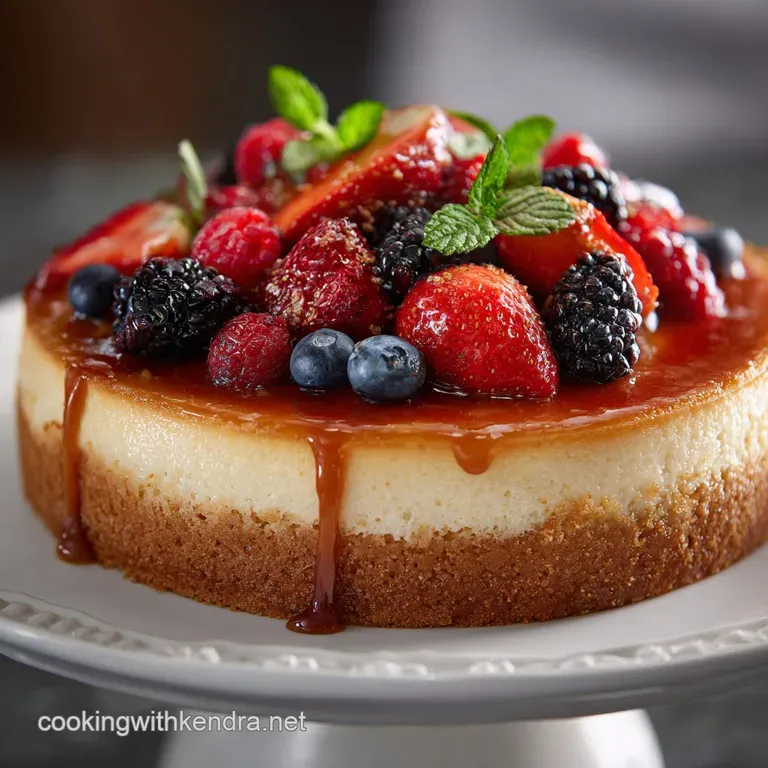
- Moving Beyond Basic: Elevating Your Cheesecake with Advanced Decoration Techniques
- The Art and Science of Shine: Why These Cheesecake Decoration Methods Outperform Basic Toppings
- Essential Supplies for Flawless Cheesecake Decoration Methods
- Technique 1: Creating the Perfect, Seamless Mirror Glaze Finish
- Technique 2: Mastering the Controlled Chocolate Ganache Drizzle
- Technique 3: Precision Garnishing for a Professional Aesthetic
- Troubleshooting Common Cheesecake Decoration Mistakes (A Professional’s Guide)
- Extending the Shelf Life of Decorated Cheesecakes
- Serving Suggestions: Pairing Your Decorated Masterpiece
- Recipe FAQs: Mastering Cheesecake Decoration
- 📝 Recipe Card
Moving Beyond Basic: Elevating Your Cheesecake with Advanced Decoration Techniques
That perfect, smooth cheesecake comes out of the springform pan, firm and cool, filling your kitchen with that luxurious, sweet aroma. It’s the smell of victory, really.
You’ve mastered the water bath, you’ve avoided the dreaded center crack, and now it’s time for the final, crucial step: making it look like a million bucks.
But honestly, a plain cheesecake is only half the fun, right? We aren't content just scattering a few raspberries and calling it a day, because we deserve the drama and the visual punch that turns dessert into an event .
These cheesecake decoration methods are high impact techniques that are faster and cheaper than ordering a custom cake from a bakery, allowing you to achieve a professional cheesecake finish right at home.
Forget the messy dollop of canned whipped cream; we are tackling the three big showstoppers today. We’re covering the perfect, glossy mirror glaze, the reliable ganache drip, and truly elegant, structural garnishing.
Let’s crack on and turn your beautifully baked cheesecake into a showstopper cheesecake decor masterpiece.
The Art and Science of Shine: Why These Cheesecake Decoration Methods Outperform Basic Toppings
The difference between a basic dessert and a stunning centerpiece often boils down to preparation temperature. We are using science, people! These advanced cheesecake decoration methods work because they rely on temperature shock: applying a precisely controlled warm coating (glaze or ganache) onto a rock hard, super chilled cake surface.
The Three Pillars of Cheesecake Decoration Methods: Glaze, Drizzle, and Garnish
These techniques are complimentary, giving you maximum control over the final aesthetic. Glazing creates that sleek, continuous surface, making the cake look almost too perfect to eat. Drizzling offers textural contrast and gravity defying movement.
Garnishing provides height, color, and aromatic elements that truly define the flavor profile.
Cheesecake as Canvas: Why Presentation Matters More Than the Recipe Itself
Let’s be real: your cheesecake is delicious, but the eyes eat first. If you want elegant cheesecake ideas that elicit an audible gasp from your guests, presentation is everything.
Taking the time to execute a clean glaze or a controlled drizzle demonstrates skill and care, signaling that this dessert is truly special.
Achieving the Perfect Sheen: Understanding the Physics of Mirror Glaze
The high sugar content combined with the fast setting power of gelatin (or agar agar) is what creates that signature reflection. The magic is in the temperature: if the glaze is too hot, it will melt the cream cheese surface; if it’s too cool, it will set too quickly and create streaks.
This is a game of precision, my friends.
Thermal Stability: Ensuring Your Chocolate Ganache Drizzle Holds Its Shape
A good ganache is all about the cream-to-chocolate ratio. If your ganache is too thin, it runs right off the cake and pools at the bottom. We are aiming for a ratio that allows the mixture to be thick enough to cling to the edges, creating those desirable, controlled drips, but still flow smoothly enough to cover the top.
Visual Balance: How Color and Texture Impact the Final Look
When considering your cheesecake garnish ideas , think opposites. If your cheesecake is light (like a Key Lime Cheesecake: The Ultimate Creamy, Zesty Summer Dessert ), use bright garnishes like lime zest or sharp red raspberries. If it’s dark (like chocolate or coffee), use light garnishes like gold dust or white chocolate curls.
Essential Supplies for Flawless Cheesecake Decoration Methods
Don't panic you probably have most of this already, but a digital thermometer is non-negotiable for the glaze. Trust me on this one. You don't want to wing the temperature and ruin a perfect cake.
The Glaze Base: Selecting high-quality White Chocolate and Gelatin (or Vegan Alternatives)
For the brightest, most reflective glaze, quality matters, especially with white chocolate. Cheap chocolate contains too many fillers and won't melt smoothly. Gelatin sheets often give a clearer finish than powdered gelatin, but either works if you measure correctly.
Drizzle Components: Cream-to-Chocolate Ratios for Ideal Ganache Flow
For our controlled drizzle, we are using a slightly higher chocolate ratio than traditional dipping ganache. This ensures it sets up quickly and maintains those beautiful, structured drips down the side of the cake.
Precision Garnishes: Using Edible Dusts, Citrus Zests, and Microgreens
This is where you show off. Edible gold or silver dust takes almost no effort but adds incredible impact. Microgreens, like small basil leaves, offer a sharp, unexpected green color pop against the white cake that screams chef .
| Decoration Component | Ideal Choice | Viable Substitution |
|---|---|---|
| Glaze Setting Agent | Gelatin Sheets (Silver Grade) | Agar Agar Powder (Use 1 tsp per 4 sheets) |
| Glaze Flavor/Color | Strained Raspberry Purée | Mango or Passion Fruit Purée |
| Ganache Cream | Heavy Cream (35% fat) | Full Fat Canned Coconut Cream |
| Garnish | Fresh Berries (e.g., Raspberry) | Thinly Sliced, Candied Citrus Peel |
Technique 1: Creating the Perfect, Seamless Mirror Glaze Finish
This is the most impressive cheesecake decoration method and requires the most focus. Remember, speed and temperature control are your best friends here.
Technique 2: Mastering the Controlled Chocolate Ganache Drizzle
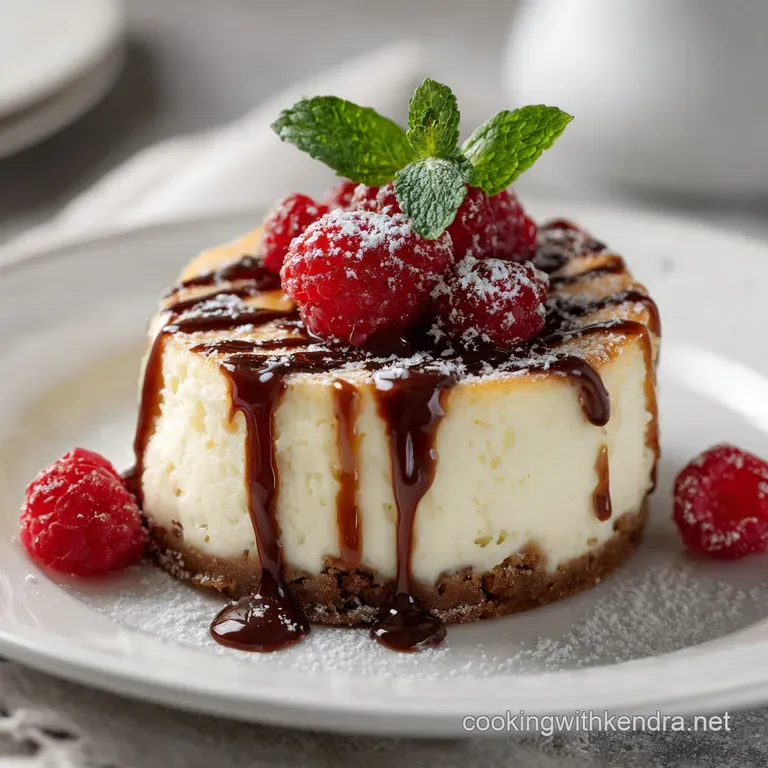
This method is reliable, rich, and provides a gorgeous contrast. Getting the piping consistency right is the main hurdle here.
Technique 3: Precision Garnishing for a Professional Aesthetic
Garnishing adds the final story to your homemade cheesecake presentation . Think about symmetry, but don't overthink it; sometimes a cluster of three strawberries looks better than a perfect ring.
Preparation: Chilling the Cheesecake and Achieving the Ideal Glaze Temperature (88°F Rule)
The cheesecake must be chilled until rock hard straight from the freezer for 15 minutes is even better. This is non-negotiable! The ideal glaze application window is super tight, roughly between 90°F 95°F (32°C 35°C).
If it's over 100°F (38° C), step away immediately and let it cool.
The Pouring Technique: Applying the Glaze in a Single, Confident Motion
Set your chilled cake on a wire rack over a large sheet tray. Start pouring the glaze slowly but steadily in the absolute center, letting the glaze push itself out to the edges and flow down the sides. Do not use a spatula to try and smooth the glaze; this creates streaks and ruins the mirror finish.
Walk away and let gravity do its job.
Troubleshooting Glaze Bubbles and Uneven Coverage
Tiny bubbles are the enemy of a mirror glaze. To fix this, when you are emulsifying the glaze, use your immersion blender only while tilted at a 45 degree angle, keeping the head fully submerged.
If bubbles still appear, strain the mixture twice, or carefully use a handheld kitchen torch to gently pop them right before pouring.
Achieving Piping Consistency: When to Stop Whisking Your Ganache
After pouring the hot cream over the chopped chocolate, let it sit for five minutes before you touch it. Whisk gently, starting in the middle, until it is beautifully glossy. Let the ganache cool until it is the consistency of thick Greek yogurt, not liquid honey. This is when it’s ready for the perfect drizzle.
The "Drip Test": Tools and Methods for Edge Drizzling
If you’re unsure about your ganache consistency, load a small amount into a piping bag and snip off a tiny corner. Test a drip on the side of a cold glass. If it races to the bottom, it's too warm or too thin.
For consistent drips, start the drizzle right on the edge of the cake, letting gravity pull the chocolate down slightly before continuing to cover the rest of the top surface.
Creating Structured Height: Positioning Fruit and Edible Flowers
To get that truly elegant cheesecake idea , avoid laying fruit flat. If using whole strawberries, slice them in half vertically and place them cut-side down, slightly overlapping. For structural height, wedge thin chocolate shards or candied citrus slices into the cake vertically.
We want visual interest and dimension!
Kendra’s Critical Tip: Always use white cotton gloves when transferring a mirror glazed cake from the rack to the serving plate. Even clean, warm hands will leave smudges on that perfect glass surface.
Troubleshooting Common Cheesecake Decoration Mistakes (A Professional’s Guide)
Even I mess up sometimes! I once poured a raspberry glaze that was way too hot and watched the top of my cheesecake turn into soup. Learn from my panic!
Preventing Glaze Migration: The Importance of a Hard Chill Post Pour
Once your glaze is poured, you must chill the cake for at least 60 minutes. Moving it too soon, or placing warm garnishes on a soft glaze, will cause the glaze to ripple or migrate. The glaze has to set completely before you touch it again.
Fixing a Too-Thick Ganache: Quick Reheating Solutions
If your ganache has cooled too much and is too stiff to drizzle, don't panic and microwave it wildly. Place the bowl of ganache over a pot of barely simmering water (a double boiler) and stir constantly for about 30 seconds until it softens back to the correct consistency. A splash of hot cream helps too!
Keeping Garnishes Fresh: Preventing Fruit from Weeping Moisture
Fruit contains moisture, and that moisture will weep, especially onto a delicate mirror glaze. The fix: dry your berries meticulously, and toss them quickly in a tiny amount of neutral glaze or apricot jam before placing them on the cake.
This barrier locks in the moisture and makes them extra shiny.
Extending the Shelf Life of Decorated Cheesecakes
If you’ve gone to all the trouble of making a showstopper cheesecake decor , you want it to last, but decoration adds complexity to storage.
Optimal Refrigeration: Storing Mirror Glazed Cakes (Covering without Touching)
Glazes are sticky and delicate. If you cover a glazed cake tightly with plastic wrap, the plastic will stick and pull off your beautiful finish. Instead, use toothpicks inserted into the top of the cake around the edges, then lightly drape plastic wrap or foil over the toothpicks, creating a protective tent.
Freezing Decorated Cheesecakes: When It Works (and When It Doesn’t)
Freezing works perfectly for the base cheesecake, but mirror glazes? Not so much. Because glazes contain high moisture, freezing often causes them to "sweat" upon thawing, resulting in a dull, slightly marred finish. If you plan to freeze, freeze the plain cake, then decorate fresh the day before serving. However, the ganache on our rich Nutella Cheesecake Dip The Ultimate Decadent NoBake Dessert holds up to freezing better than the high gelatin glaze.
Serving Suggestions: Pairing Your Decorated Masterpiece
Complementary Flavor Profiles: Matching Garnishes to Cheesecake Base (E.g., Citrus vs. Dark Chocolate)
Always consider your base flavor when choosing your cheesecake garnish ideas . For a classic vanilla base, you can use almost anything. If you made a dark chocolate base, use something tart like passion fruit drizzle or bright white chocolate curls to provide contrast.
Complementary Flavor Profiles: Matching Garnishes to Cheesecake Base (E.g., Citrus vs. Dark Chocolate)
For a little extra flair, serving a small, chilled sauce on the side really elevates the experience. A simple Crème Anglaise (vanilla custard sauce) is classic, providing a lovely smooth texture against the dense cheesecake .
Or, if you used a fruit purée in the glaze, a matching fruit sorbet served next to the slice adds a delicious, refreshing tang.
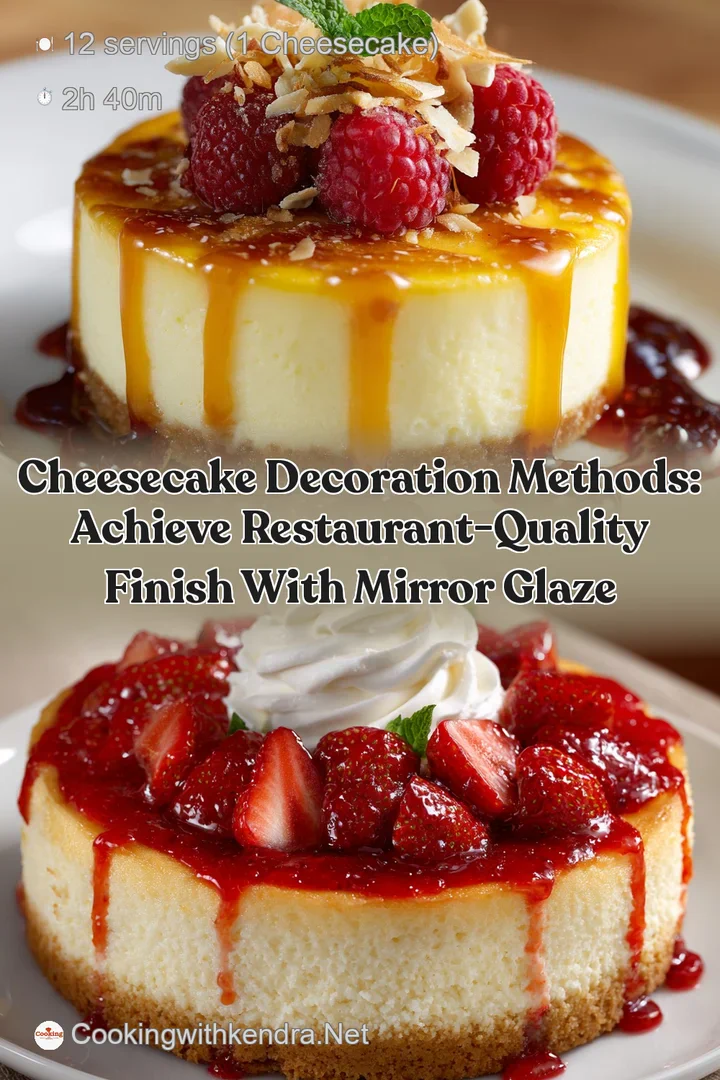
Recipe FAQs: Mastering Cheesecake Decoration
Why does my mirror glaze look cloudy or dull instead of beautifully shiny?
Cloudiness usually results from pouring the glaze when it is too hot, which breaks the emulsion, or from incorporating too many air bubbles during the mixing phase. To prevent this, ensure you use an immersion blender at an angle without lifting it (to avoid aeration), and always check the precise temperature (ideally 85-95°F or 30-35°C) before pouring onto your chilled cake.
How do I achieve the perfect 'drip' consistency for the Ganache Drizzle?
The ideal consistency is often described as the "ribbon stage," where the ganache slowly flows off a spoon. If your ganache is too thick, incorporate a teaspoon of warmed cream and stir gently; conversely, if it is too thin, allow it to cool slightly and stir until it naturally tightens up before applying it to the cold cheesecake.
Can I decorate the cheesecake and then freeze it for later use?
While you can freeze a decorated cheesecake, glossy finishes like mirror glaze may lose some of their shine and potentially weep slightly upon thawing due to condensation. If freezing, stick to stabilized ganache or dry garnishes, and wrap the cake tightly in plastic wrap only after the liquid decoration has fully set in the refrigerator.
When is the best time to apply the liquid decorations (glaze/ganache) and the garnishes (fruit/herbs)?
Liquid decorations must be applied only to a completely chilled and firmed cheesecake, preferably one that has been frozen briefly to ensure sharp edges and rapid setting. Garnishes like fresh fruit, edible flowers, or delicate herbs should be applied right before serving to prevent them from wilting, browning, or causing moisture migration.
My mirror glaze isn't setting or seems too runny what went wrong?
If your mirror glaze is failing to set, the most common culprit is insufficient or improperly bloomed gelatin, or the glaze was poured too warm, damaging the setting agents. Ensure your gelatin dissolves completely without boiling and give the glaze adequate time it often needs a full 4 6 hours in the refrigerator to reach its ideal firm and elastic texture.
What is the professional technique for placing fresh fruit so it doesn't dry out?
For a truly polished appearance, always dry your fruit thoroughly before placement, and then use a thin application of clear piping gel or a reduced apricot jam glaze (known as nappage) brushed over the fruit. This process seals the fruit, prevents it from losing moisture, and neatly locks it onto the cake surface.
Can I substitute a simple melted chocolate chip coating for a formal ganache drizzle?
While melted chocolate chips will solidify, they often result in a brittle coating that cracks when sliced, lacking the smooth, fluid consistency of true ganache. Ganache includes cream, which adds flexibility and a stable sheen, making it the superior choice for professional looking drizzles that hold their shape and texture.
Master Cheesecake Decoration Methods
Ingredients:
Instructions:
Nutrition Facts:
| Calories | 698 kcal |
|---|---|
| Protein | 7.9 g |
| Fat | 38.5 g |
| Carbs | 83.7 g |
