Health Bowls: the Ultimate Mediterranean Rainbow Recipe for Easy Prep
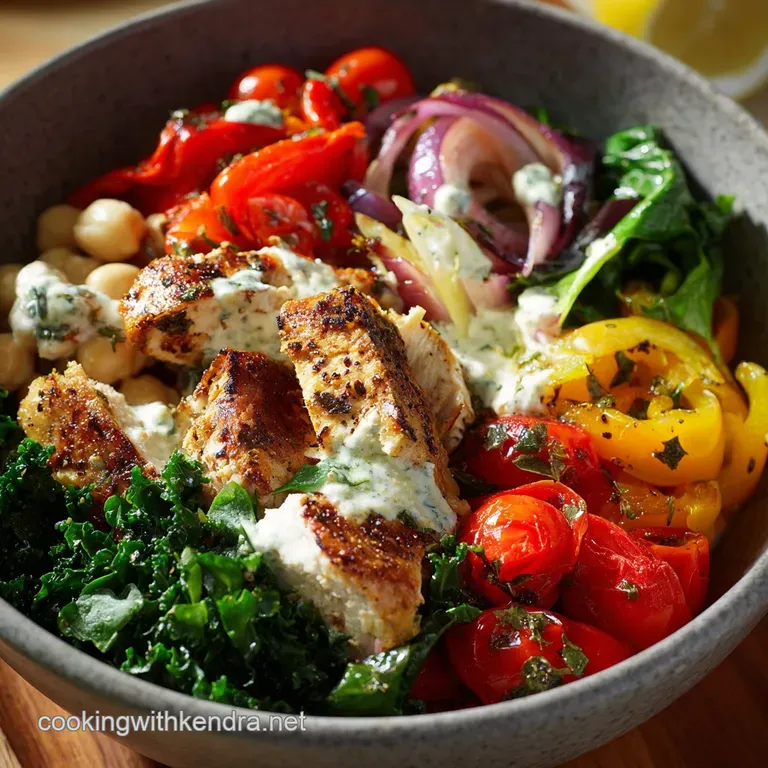
- Unlocking Vibrant Flavor: The Ultimate Mediterranean Rainbow Health Bowl
- Essential Components for Your Rainbow Bowl: Ingredients and Smart Swaps
- Assembly Line Strategy: Step-by-Step Guide to Layering Your Health Bowl
- Mastering Texture and Taste: The Science Behind Satisfying Health Bowls
- Beyond the Recipe Card: Pro Tips for Next-Level Mediterranean Health Bowls
- Mastering Meal Prep: Storage Solutions for Freshness
- Recipe FAQs
- 📝 Recipe Card
Unlocking Vibrant Flavor: The Ultimate Mediterranean Rainbow Health Bowl
Can you smell that? It’s the sweet, earthy aroma of dried oregano hitting 400°F heat, mingling with bright, sharp lemon zest. This is the smell of a truly satisfying dinner that doesn't feel heavy or complicated. If you believe healthy food must be boring, buckle up.
I used to spend my Sundays agonizing over meal prep, creating bland, repetitive lunches that I secretly dreaded by Wednesday. This Health Bowl changed everything. It’s lightning fast to assemble, incredibly flexible with whatever veggies you have lurking in the crisper, and honestly, it keeps you full until dinner.
It's the weeknight lifesaver you desperately need, especially when the fridge is looking a bit sad.
Forget those expensive, pre-packaged salad kits that leave you hungry an hour later. We are building maximum flavour and texture here, focusing on warm roasted elements contrasted with crisp, fresh crunch.
Let’s stop talking about how good it is and just crack on with making the best Mediterranean Health Bowls for your entire week.
What Defines a True Rainbow Health Bowl?
A true Rainbow Health Bowl is all about balance, not just colour. We aren't just stacking raw vegetables; we are employing cooking methods that intensify sweetness and depth. Roasting red peppers and zucchini makes their natural sugars caramelize, giving you complex flavour layers you just can’t achieve with raw veg.
The key component is the hot/cold dynamic.
Why We Love Meal Prepping Mediterranean Bowls
I swear by Mediterranean ingredients because they are naturally bursting with zest, herbs, and healthy fats. This bowl is inherently scalable, meaning you can double the recipe and be set for days without losing quality. It travels beautifully for lunches, provided you follow my secret rule for separating the dressing. If you're into the high protein, easy meal prep vibe, you might also love my principles for making a fantastic Chicken Burrito Bowl: Healthy Cilantro Lime Recipe for Meal Prep — the underlying assembly strategy is basically the same!
Flavor Profile Breakdown: The Sunny Blend of Roasting and Zest
We are aiming for tang, warmth, sweetness, and saltiness all in one bite. The roasting process provides the grounding warmth, enhancing the sweetness of the vegetables. The feta brings the salty tang, and the Zesty Lemon Herb Vinaigrette absolutely cuts through the richness of the olive oil and grains.
It’s an easy way to achieve maximum flavour without relying on heavily processed sauces.
Essential Components for Your Rainbow Bowl: Ingredients and Smart Swaps
Building the Base: Choosing Your Hearty Grain
The base is crucial because it’s the sponge that soaks up all that glorious vinaigrette. I prefer whole wheat couscous because it cooks in five minutes, meaning less active time in the kitchen for me. Brown rice or quinoa work brilliantly too, but they definitely take longer.
The Bright Stars: Which Vegetables Roast Best?
Not all vegetables are created equal for roasting. We need hardy vegetables that can handle the heat and gain sweetness under high temperatures. Red onions, bell peppers, and zucchini are my go-to trio for Mediterranean vibes. They soften perfectly and hold their shape once tossed.
Don't use delicate greens here! They will evaporate.
Creating the Signature Zesty Lemon Herb Vinaigrette
This vinaigrette is the soul of the bowl. It must be aggressively seasoned and properly emulsified. The Dijon mustard isn't just for flavour; it acts as the emulsifier, helping the oil and lemon juice stay together beautifully. Don't skimp on the fresh lemon juice.
It needs that acidic punch to bring the entire dish to life.
Ingredient Flexibility: Allergy Friendly Substitutions
I love that this recipe is so forgiving if you need to make swaps. Need to go gluten-free? Swap couscous for quinoa, immediately. Dairy is easy to ditch here by just swapping the feta for toasted seeds or nuts for the crunch element.
| Component | Original Ingredient | Viable Substitution |
|---|---|---|
| Base | Whole Wheat Couscous | Quinoa, Farro, or Buckwheat |
| Protein | Roasted Chicken or Chickpeas | Cubed and Roasted Tofu or Lentils |
| Fresh | Cucumber | Diced Celery or Radishes for crunch |
| Cheese | Feta Cheese | Toasted Pine Nuts or Sunflower Seeds |
Assembly Line Strategy: step-by-step Guide to Layering Your Health Bowl
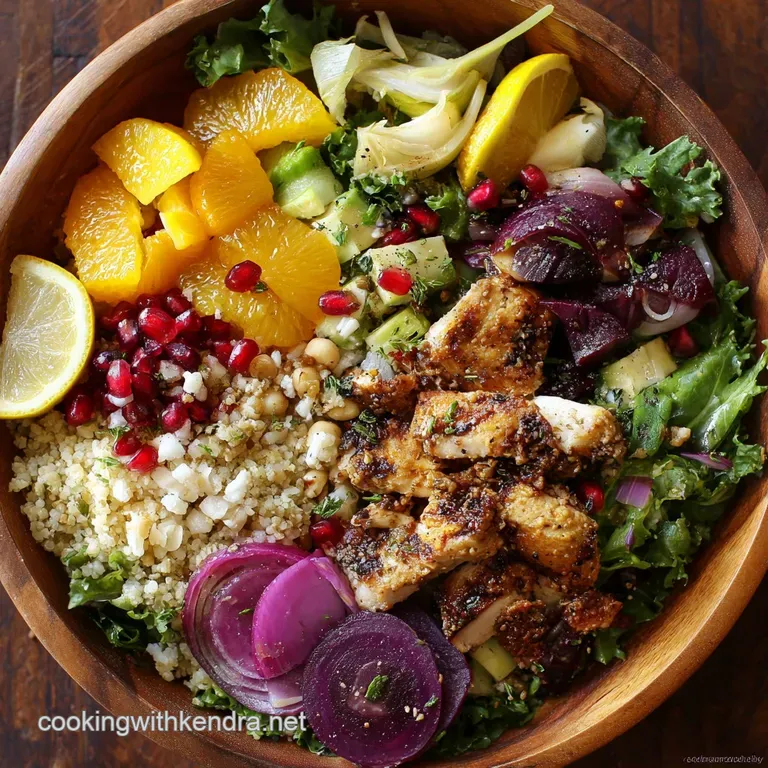
Phase 1: Perfecting the Roasted Components (Temperature and Timing)
We are running a hot oven at 400°F (200°C) to ensure rapid caramelization. Chop your bell peppers and zucchini into large, even pieces; this prevents them from turning mushy after 20 minutes. Toss them generously with olive oil and that lovely dried oregano.
Crucially, give everything space. If you crowd the pan, the vegetables will just steam and taste sad. If you are using chicken, ensure those cubes are spaced out so they can brown beautifully.
Phase 2: Preparing the Grains and Fresh Components
Couscous is your best friend here, seriously. Boil your stock, stir in the couscous, remove it from the heat, and cover tightly for five minutes. That’s it. Meanwhile, dice your cucumber and halve your cherry tomatoes. Once the couscous is done, immediately fluff it with a fork and let it cool slightly.
Never add hot grains to fresh greens.
Phase 3: Whisking the Vinaigrette to Emulsion
Grab that jar and dump in the oil, lemon juice, Dijon, vinegar, dill, and seasonings. Pop the lid on TIGHTLY. You need to shake it like you mean it until the dressing turns cloudy and slightly thick that means it has emulsified properly.
This simple step ensures the dressing clings to the grains and vegetables instead of pooling sadly at the bottom of the bowl.
Kendra’s Quick Tip: Rub the dried dill and oregano in the palm of your hand before adding them to the dressing or vegetables. Warming the dried herbs releases their potent volatile oils, making the flavour far more intense.
The Final Layering Technique for Maximum Visual Appeal
Layering is vital for visual appeal and textural integrity. Start with the warm, fluffy base of couscous. Then add the roasted vegetables and protein to one side, followed by the crisp cucumber, tomatoes, and greens on the other. This ensures the warm components don't immediately wilt the delicate spinach.
Finish strong with the feta and a generous drizzle of that zesty vinaigrette.
Mastering Texture and Taste: The Science Behind Satisfying Health Bowls
This bowl isn't just arbitrarily healthy; it hits all the markers for a truly satisfying meal. We need fat (olive oil), acid (lemon), crunch (cucumber/feta), warmth (roasted veg), and softness (grains). When you balance these textures and tastes, your brain registers the meal as complete and deeply satisfying.
This means no reaching for emergency biscuits an hour later.
Beyond the Recipe Card: Pro Tips for Next Level Mediterranean Health Bowls
The Contrast Principle: Warm Grains Meet Crisp Vegetables
The delightful contrast between the warm, soft couscous and the cold, crunchy cucumber is what makes this dish addictive. To execute this perfectly for meal prep, keep the warm ingredients separate from the fresh components until the moment you are ready to eat. A simple trick I learned?
Spoon the vinaigrette over the warm grain first , letting it soak in, before adding the cool ingredients on top.
The Power of Umami in Roasted Components
Umami isn't just for meat! Roasting the bell peppers and onions at high heat concentrates their glutamates, which gives them a deeper, savory, almost meaty flavour. This is your vegetarian secret weapon for depth.
Balancing the Five Tastes with the Zesty Vinaigrette
If your dressing tastes flat, it needs more acid or salt usually both. If it tastes too sharp, balance it with a tiny pinch of sugar or a bit more olive oil. Taste frequently and adjust until your mouth sings, seriously.
Mastering Meal Prep: Storage Solutions for Freshness
Common Mistake: Soggy Grains and How to Prevent Them
The biggest fail when prepping health bowls is mixing everything together too soon. The moisture from the fresh ingredients or the heat from the roasted elements turns the couscous into a sad, sticky mess.
Always cool the roasted vegetables and grains completely before storing them next to the fresh components.
Mastering Meal Prep: Storage Solutions for Freshness
Portion the meals into airtight containers. In the first layer, place the cool grains and the cooled roasted vegetables/protein. In the second, separate compartment (or use a small zip-top bag), place the mixed greens, cucumber, and tomatoes.
The vinaigrette must be stored separately in a tiny dressing pot. Stored this way, the bowls will last perfectly for 4 5 days in the refrigerator.
Elevating the Experience: Serving Suggestions and Flavor Add-Ins
Adjusting the Acidity Level of Your Lemon Dressing
If the lemon is too overpowering, try using half lemon juice and half orange juice for a slightly sweeter, rounder citrus note. This works especially well if you add a pinch of smoked paprika to your roasted vegetables, leaning toward a Moroccan style flavour. If you like smoky, complex flavours, you might be ready to tackle my Sweet potato black bean tacos: Smoked, Healthy, Easy 40 Minute Recipe next!
The Power of Umami in Roasted Components
Achieving Maximum Caramelization on Roasted Vegetables
Common Mistake: Soggy Grains and How to Prevent Them
Adjusting the Acidity Level of Your Lemon Dressing
Serve these bowls with a side of warm pita bread and perhaps a scoop of homemade hummus. A chilled glass of iced green tea or mineral water infused with mint and lemon slices complements the bright Mediterranean flavours perfectly.
Sometimes I’ll throw in a handful of Kalamata olives for extra saltiness, just because I can.
Recipe FAQs
Can I prepare the components of the Health Bowl ahead of time?
Yes, meal prepping is highly recommended for this recipe. Cooked grains, like farro or quinoa, and the roasted vegetables can be stored separately in airtight containers for up to 4 days. Assemble the bowl and add the vinaigrette just before serving to maintain the texture and crispness of the fresh elements.
My bowl tastes a bit dry or muted. How can I boost the flavor profile?
The key to a vibrant health bowl is adequate seasoning and proper dressing distribution. Ensure you lightly dress the grains before assembly, infusing flavor from the base upward, and taste the vinaigrette for the right balance of salt and acidity.
A final squeeze of fresh lemon juice often helps brighten all the components.
I don't have farro available. What other grains work best as a substitute?
Excellent and reliable substitutes include quinoa, brown rice, or Israeli couscous. Quinoa is a great option for a lighter texture and higher protein content, while brown rice offers a heartier, nuttier base. Always ensure that the cooked grain is completely cooled before combining it with the fresh ingredients.
How can I make this Mediterranean bowl fully vegan while maintaining the protein content?
If the recipe includes feta cheese, swap it for a high-quality plant based feta or incorporate spiced, toasted chickpeas for texture and protein density. Since the Lemon Herb Vinaigrette is typically dairy-free, simply ensure all vegetable oils and ingredients used in the bowl are plant based.
My roasted vegetables turned out soggy instead of caramelized. What went wrong?
Sogginess usually occurs when vegetables are overcrowded on the baking sheet, which causes them to steam rather than roast. Use two separate trays if necessary, ensuring all pieces are spread in a single layer with space around them for the moisture to properly evaporate.
Also, ensure your oven temperature is accurate and high enough.
How long does the Zesty Lemon Herb Vinaigrette last, and should it be refrigerated?
The vinaigrette should be stored in an airtight jar in the refrigerator and will remain fresh for 5 to 7 days. If the olive oil solidifies when chilled, simply let the jar sit at room temperature for about 15 minutes before shaking it vigorously to re-emulsify the dressing.
Can I freeze any prepared ingredients from the Health Bowl?
You can successfully freeze the major base components, such as the fully cooled cooked grains and the roasted vegetables, for up to two months. However, the fresh ingredients (cucumbers, herbs, greens) and the liquid vinaigrette should never be frozen, as they will lose their texture and vibrancy upon thawing.
Mediterranean Rainbow Health Bowls
Ingredients:
Instructions:
Nutrition Facts:
| Calories | 195 kcal |
|---|---|
| Protein | 4.9 g |
| Fat | 13.2 g |
| Carbs | 14.0 g |
