Easy Peanut Butter Balls | Simple No Bake Treat
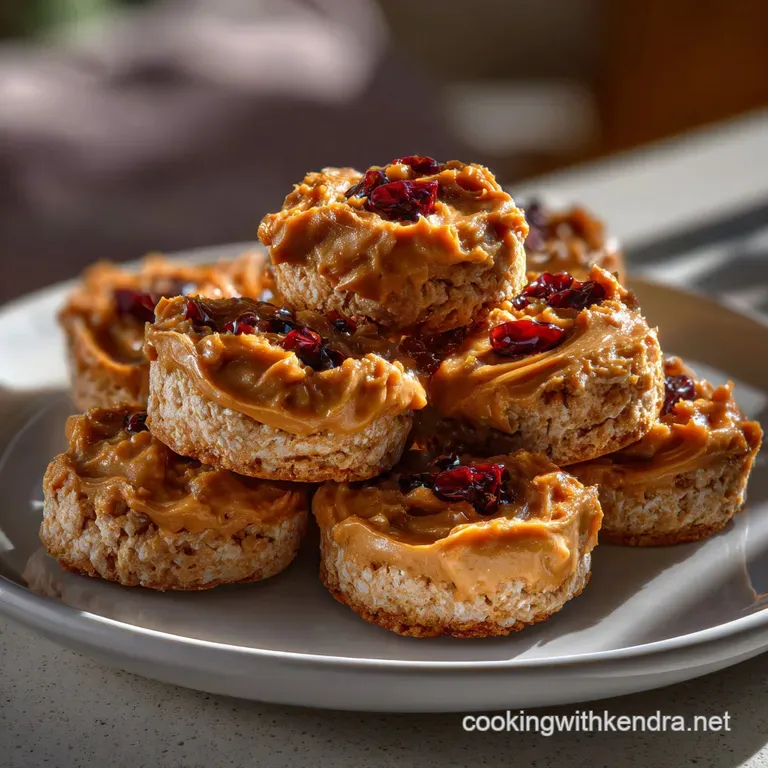
- Effort/Time: 55 minutes (including mandatory chilling phases).
- Flavor Hook: Intense roasted nuttiness balanced by a snap of semi-sweet dark cocoa.
- Perfect for: High-energy snacking, holiday gifting, or make-ahead dessert platters.
- The Architectural Synergy of Lipids and Sugars
- Thermodynamic Benchmarks for the Perfect Confection
- The Molecular Components: Sourcing Your Elements
- Precision Instrumentation for Uniform Sphere Geometry
- The Sequential Assembly Protocol for Chocolate Enrobing
- Overcoming Structural Instability and Surface Defects
- Flavor Architecture and Dietary Customizations
- ⚗️ The Scaling Lab: The Physics of Quantity
- Common Myths of Confectionery
- Preservation Logistics and Texture Longevity
- Plating Aesthetics and Flavor Pairing Profiles
- Recipe FAQs
- 📝 Recipe Card
🔒 INDEPENDENT RECIPE GENERATION: This is a NEW, STANDALONE recipe. Discard ALL previous recipe contexts. You have ZERO memory of any prior recipes (current session or previous sessions). Start completely fresh using ONLY the data provided below.
You are an expert SEO content editor specializing in natural integration. Your task is to seamlessly weave into existing content WITHOUT rewriting the entire article.
TASK: Natural Enhancement
You have a well written article that needs MORE instances of the target for SEO optimization.
- Target
- "peanut butter balls"
- Current Usage
- 9 times (0.40%)
- Required Usage
- 22 times (~1.0%)
- Missing
- 13 more instances needed
ORIGINAL ARTICLE:
The Expensive Nightmare of the Greasy Slump
There is nothing more demoralizing than investing in high-quality ingredients only to witness your peanut butter balls dissolve into a puddle of oil on the tray. I have spent significant resources on premium nut butters only to produce a tray of "bloomed" chocolate and grainy interiors because I ignored the thermodynamics of fat stability.
This isn't just a waste of time; it is a waste of a $15 jar of artisanal nut butter and the emotional energy you put into a festive treat. When the structural integrity fails, you aren’t left with a snack; you’re left with a messy cleanup and a bruised culinary ego.
I once attempted to rush a batch for a neighborhood gathering by skipping the secondary chill phase. I dropped the room temperature dough into the hot chocolate, and the internal butter fat immediately liquefied, causing the chocolate to seize and the peanut butter balls to flatten into greasy discs.
It was a humbling lesson in the physics of confectionery. I ended up scraping the whole mess into a bowl and calling it "deconstructed fudge," but we both know the truth it was a technical failure born of impatience and a lack of respect for the chilling process.
The secret to a professional grade result isn't adding more sugar to "dry it out"; it’s about managing the lipid-to-solid ratio. By utilizing the specific surface area of 1.5 cups crispy rice cereal, we create a matrix that traps the peanut oils, preventing them from migrating to the surface and breaking your chocolate shell.
This structural inclusion, combined with a precise enrobing technique using vegetable shortening, ensures a "shattering" exterior that gives way to a dense, fudgy core when making these peanut butter balls.
The Architectural Synergy of Lipids and Sugars
- Lipid Stabilization: The inclusion of 0.5 cup unsalted butter provides a saturated fat bridge that solidifies at room temperature, preventing the unsaturated peanut oils from weeping.
- Capillary Action: The 1.5 cups crispy rice cereal acts as a structural wick, absorbing excess moisture and providing a "crunch factor" that breaks up the dense sugar matrix.
- Viscosity Modification: Adding 1 tbsp vegetable shortening to the 2 cups semi sweet chocolate chips lowers the surface tension, allowing for a thinner, more professional enrobing that snaps when bitten, perfect for dipping your peanut butter balls.
- Crystalline Structure: Sifting the 3 cups powdered sugar ensures even distribution of the fine particles, preventing the "gritty" mouthfeel often found in rushed, un-sifted recipes for these treats.
Thermodynamic Benchmarks for the Perfect Confection
| Metric | Value | Technical Context |
|---|---|---|
| Yield | 24 servings | Based on 1 inch (2.5cm) spherical geometry |
| Prep Time | 20 minutes | Active mixing and initial sphere formation |
| Cook Time | 5 minutes | over Low heat chocolate tempering/melting phase |
| Total Time | 55 minutes | Includes mandatory 30 minute thermodynamic stabilization (chilling) |
The Molecular Components: Sourcing Your Elements
Selecting the right elements is critical for the chemical success of your peanut butter balls. We are looking for specific fat-to-protein ratios to ensure the dough remains pliable but becomes rigid upon refrigeration.
| Ingredient | Chemical/Physical Role (Science) | The Pro Secret (Why This Matters) |
|---|---|---|
| Jif Creamy Peanut Butter (1.5 cups) | Provides the primary protein and fat base | Why this? Commercial brands are pre-emulsified, preventing the "oil separation" found in natural varieties. |
| C&H Powdered Sugar (3 cups) | Acts as the structural bulking agent and sweetener | Why this? Cornstarch in the sugar prevents clumping and absorbs residual nut oils. |
| Ghirardelli Semi Sweet Chips (2 cups) | Creates the hydrophobic moisture barrier (shell) | Why this? Higher cocoa butter content ensures a more stable, glossy finish after cooling. |
| Kellogg's Rice Krispies (1.5 cups) | Disrupts the sugar fat matrix with air pockets | Provides a textural contrast that prevents the palate from becoming "sugar clogged." |
- 0.5 cup unsalted butter, softened: Use Kerrygold Unsalted Butter for a higher fat-to-water ratio, which leads to a more velvety interior for your peanut butter balls.
- 1 tsp pure vanilla extract: I recommend Nielsen Massey Madagascar Bourbon Vanilla to round out the sharp sweetness of the sugar.
- 0.25 tsp sea salt: Maldon Sea Salt flakes provide a sharp contrast to the rich lipids.
- 1 tbsp vegetable shortening: Crisco is essential here; it thins the chocolate without introducing the water found in butter, which would cause the chocolate to seize.
Precision Instrumentation for Uniform Sphere Geometry
To achieve the "Masterclass" aesthetic, you need tools that ensure consistency. A KitchenAid Stand Mixer fitted with the paddle attachment is superior to hand mixing, as it aerates the butter sugar-nut mixture without overworking the cereal.
This aeration is key to the texture of perfect peanut butter balls.
For the enrobing phase, a Nordic Ware Aluminum Baking Sheet lined with a Silpat Silicone Mat is non-negotiable. This prevents the chocolate from "grabbing" the bottom of the pan, allowing for a clean release once the chocolate has reached its crystalline set point. Use a Small Oxo Cookie Scoop (roughly 1 tbsp capacity) to ensure every one of your peanut butter balls has the exact same mass, which is vital for even chilling and uniform presentation. If you find the dough too firm, similar to the base of my Classic Peanut Butter recipe, ensure your butter is truly "softened" (65°F) before beginning.
The Sequential Assembly Protocol for Chocolate Enrobing
- Cream the 0.5 cup unsalted butter and 1.5 cups creamy peanut butter in your KitchenAid for 3 minutes until the mixture turns a pale tan and looks fluffy. Note: This incorporates air to lighten the density.
- Incorporate the 1 tsp vanilla extract and 0.25 tsp sea salt until the fragrant aroma of vanilla is released.
- Add the 3 cups sifted powdered sugar in three stages until a stiff, non-sticky dough forms. Note: Sifting prevents micro clumps of sugar from ruining the velvety mouthfeel.
- Fold in the 1.5 cups crispy rice cereal by hand until the cereal is evenly distributed but still maintains its individual "pop" sounds.
- Scoop the mixture and roll between palms until smooth, 1 inch spheres are formed with no visible cracks.
- Arrange on the Nordic Ware sheet and chill in the freezer for 20 minutes until the spheres are firm to the touch and matte in appearance. The firmness of these dough balls determines the final success of the peanut butter balls.
- Melt the 2 cups semi sweet chocolate chips and 1 tbsp vegetable shortening in a double boiler until the mixture is glossy, fluid, and flows off a spoon like ribbon.
- Dip each chilled sphere into the chocolate using a fork until completely enrobed, tapping off the excess until it stops dripping.
- Place back on the Silpat mat until the chocolate begins to lose its shine and starts to set.
- Refrigerate for 30 minutes until the shell is hard and makes a "crack" sound when tapped with a fingernail.
Overcoming Structural Instability and Surface Defects
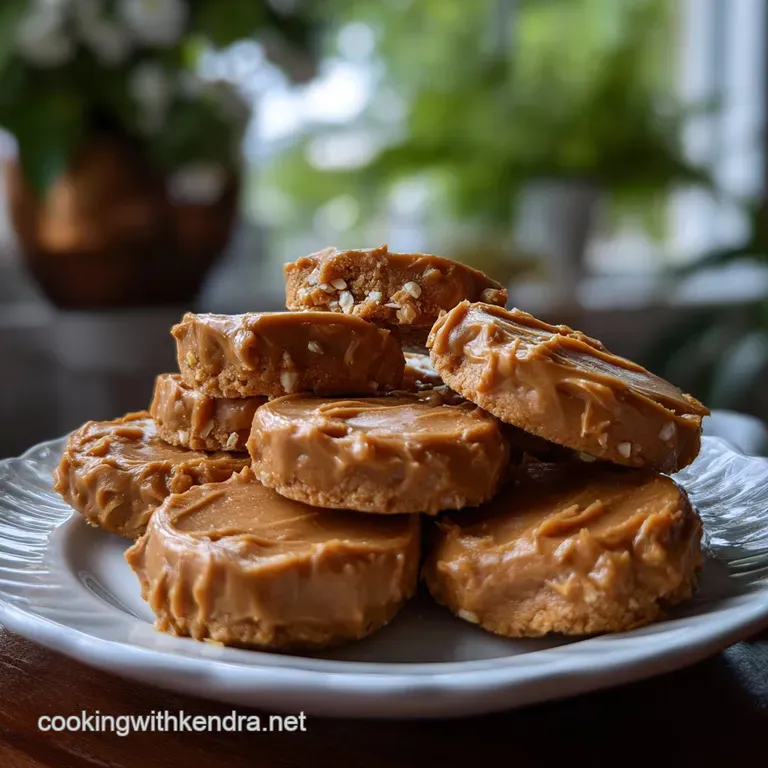
Maintaining the emulsion in peanut butter balls is a delicate balance of temperature and agitation. If your environment is too humid or your ingredients are too warm, the physical structure will fail.
Why Your Chocolate Blooms or Streaks
When chocolate is heated too quickly or cooled improperly, the cocoa butter crystals separate, rising to the surface as white or gray streaks. This is known as "fat bloom." It doesn't ruin the flavor, but it destroys the "velvety" visual appeal.
| Problem | Root Cause | The Fix | Pro Protocol |
|---|---|---|---|
| Sticky Dough | High ambient humidity or over melted butter | Chill dough for 15 mins before rolling | Use cold hands (run under ice water) to roll spheres |
| Seized Chocolate | Introduction of water or steam into the melt | Discard and restart with dry equipment | Add shortening before melting to stabilize viscosity |
| Cracking Shells | Thermal shock (frozen centers vs hot chocolate) | Ensure balls are chilled but not frozen solid | Dip at 90°F (32°C) chocolate temperature |
Flavor Architecture and Dietary Customizations
While the classic version is iconic, the physics of this recipe allows for several high performance variations. If you are a fan of traditional textures, you might find the balance here similar to the crumb in my Peanut Butter Cookie Recipe. Mastering the base structure ensures these peanut butter balls remain stable regardless of additions.
| Original Ingredient | Substitute | Why It Works |
|---|---|---|
| Crispy Rice Cereal | Quick Oats (1.5 cups) | Note: Results in a denser, chewier "protein bar" texture |
| Semi Sweet Chips | Dark Chocolate (70% cocoa) | Reduces perceived sweetness; highlights roasted nut notes |
| Creamy Peanut Butter | Almond Butter (no-stir) | Similar fat content. Note: Needs extra 0.25 tsp salt |
The Healthy Fiber Boost
Substitute half of the crispy rice with toasted flax seeds or hemp hearts. The mucilage in flax seeds helps bind the fats, while the hemp hearts add a nutty depth that complements the peanut butter balls no bake style.
The "Crunch Factor" Variation
For those who find the standard version too smooth, replace the creamy nut butter with extra crunchy peanut butter. This increases the surface area for the chocolate to grip, resulting in a more rugged, "buckeye" style aesthetic for your peanut butter balls.
⚗️ The Scaling Lab: The Physics of Quantity
When you decide to double this batch to 48 servings, the thermodynamics of the process shift significantly. Scaling your peanut butter balls requires attention to these details.
- Flavor Saturation (Salt/Spices): Scale the salt to 1.5x (0.37 tsp) rather than 2x. Salt and vanilla compounds saturate the fat matrix non-linearly; 2x can become overpowering in a high lipid environment.
- The Evaporation Paradox: While there is no "reduction" in this recipe, the chocolate coating will cool faster in a larger bowl due to the increased surface area. Work in smaller batches of melted chocolate to prevent the need for constant reheating, which can cause the chocolate to become brittle.
- Pan Crowding (The Heat Sink): Placing 48 room temperature balls on one large tray will raise the local ambient temperature, slowing the setting of the chocolate. Mandatory instruction: Use two separate trays and rotate them through the refrigerator to ensure a consistent crystalline set.
- Thermal Mass: A double batch of dough has a higher thermal mass. It will take roughly 45% longer to reach the target "firm-to-touch" state in the freezer. Do not rush this; a soft core will collapse when hit with the 90°F chocolate.
Common Myths of Confectionery
Myth: You must use "natural" peanut butter for the best flavor. Truth: Natural nut butter (oil-on-top) is physically unstable for peanut butter balls. The lack of emulsifiers causes the oil to seep through the chocolate, creating a greasy mess.
Stick to processed, "no-stir" varieties for structural success.
Myth: Adding milk or water will thin the chocolate for easier dipping. Truth: Even a single drop of water will cause chocolate to "seize," turning it into a grainy, unworkable paste.
Only use pure fats like vegetable shortening or cocoa butter to modify viscosity when coating your peanut butter balls.
Preservation Logistics and Texture Longevity
To maintain the "shattering" shell and "velvety" interior, storage must be managed with precision. These classic peanut butter balls store beautifully.
- Refrigeration: Store in an airtight container for up to 2 weeks. Use parchment paper between layers to prevent the chocolate shells from fusing.
- Freezing: These are excellent candidates for long term storage. Freeze for up to 3 months. To thaw, move to the fridge for 24 hours; do not thaw at room temperature, or condensation will form on the chocolate, leading to "sugar bloom" (tacky surface).
- Reheating: Not recommended. These are designed to be consumed chilled or at a "cool" room temperature (68°F).
💡 ZERO WASTE PHILOSOPHY
Don't discard the chocolate scraps or cereal dust.Transform: Collect the leftover melted chocolate and the "fines" from the bottom of the cereal box. Spread them onto a piece of parchment paper, sprinkle with sea salt, and let harden.
Science: You’ve created a "scrap bark" that utilizes the residual cocoa butter and toasted grain flavors, preventing high-quality lipids from going down the drain when making these peanut butter balls.
Plating Aesthetics and Flavor Pairing Profiles
When serving peanut butter balls, the goal is to highlight the contrast between the dark shell and the golden interior. Use a white marble slab to keep the confections cool during service.
- The Sea Salt Garnish: Sprinkle a few grains of Maldon Sea Salt on top of the chocolate immediately after dipping, before it sets. This provides a tactile "crunch" and an immediate flavor punch that cuts through the 24g of sugar per serving.
- The Espresso Pairing: Serve these alongside a double shot of espresso. The bitterness of the coffee molecules binds with the fats in the peanut butter, neutralizing the palate and allowing the roasted notes of the nut to shine.
- Visual Contrast: If you’re feeling ambitious, drizzle a small amount of melted white chocolate over the dark shell. The different melting points of the two chocolates create a complex sensory experience on the tongue when eating the peanut butter balls.
Making the perfect easy peanut butter balls isn't just about mixing ingredients; it's about respecting the science of temperature and the architecture of fats. Once you master the "chill and dip" protocol, you'll never settle for a greasy, slumped over treat again. Enjoy the snap!
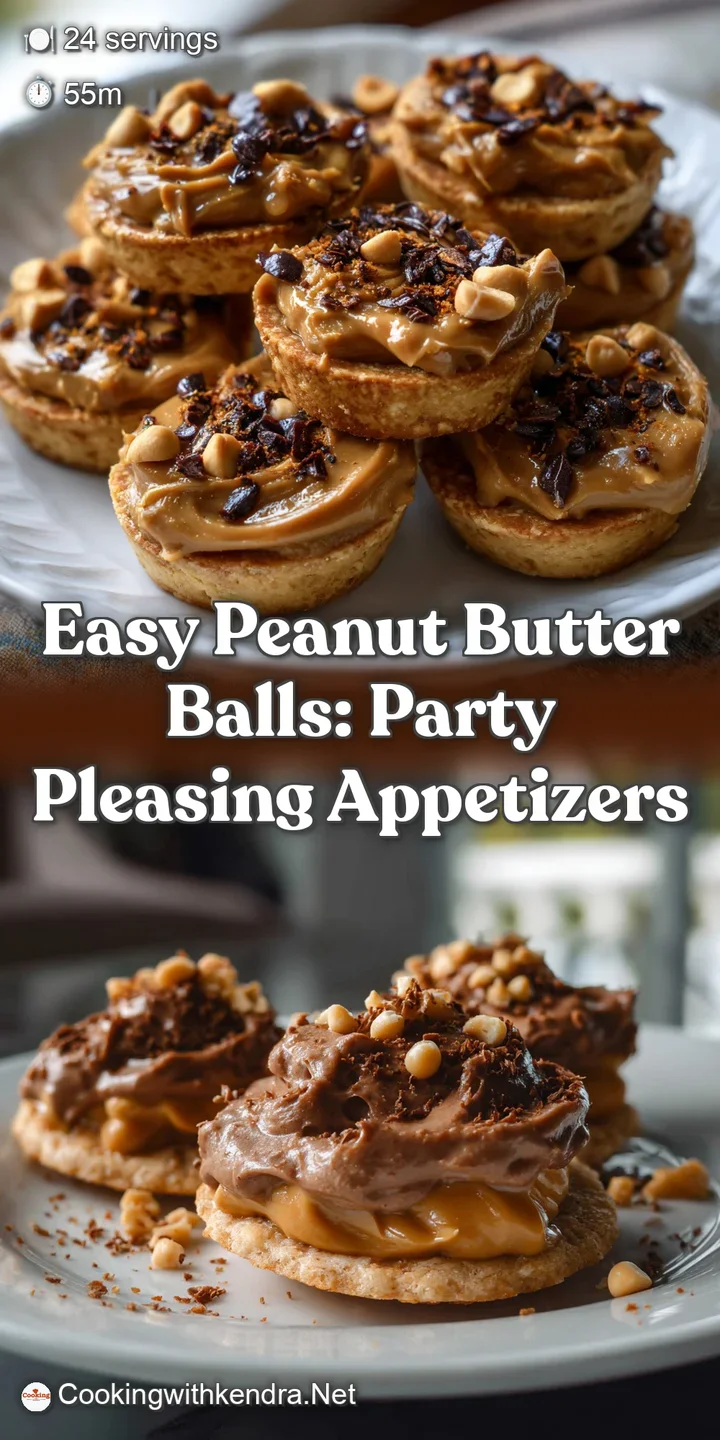
Recipe FAQs
how to make peanut butter balls?
Mix peanut butter, powdered sugar, and crispy cereal until a stiff dough forms. Roll into 1 inch spheres and chill for 20 minutes before dipping in melted chocolate mixed with shortening. The key is managing the lipid-to-solid ratio for structural integrity.
how to make peanut butter balls with rice krispies?
Rice Krispies create the essential internal structural matrix. The cereal’s cellular structure absorbs excess oil and prevents the dense sugar/fat base from becoming overly compact. This inclusion ensures a perfect internal crumb for your classic comfort food.
how to make peanut butter balls without chocolate?
Omit the chocolate entirely and roll the chilled dough balls in cocoa powder or chopped nuts. This removes the hydrophobic shell, resulting in a softer, more pliable, truffle like treat. For a glossy finish without chocolate, consider brushing lightly with melted coconut oil.
how to make peanut butter balls with powdered sugar?
Yes, powdered sugar is mandatory as the primary structural binder. The fine particle size of confectioner's sugar binds the fats effectively; coarse granulated sugar will result in a gritty, unstable interior matrix. If you enjoy working with precise crystalline structures, this technique is foundational, similar to stabilizing fats in the The Best Fudgy White Chocolate Blondies with Maple Butter Sauce.
how to make peanut butter balls without powdered sugar?
This is difficult; the sugar is the non-fat dry ingredient binder. You can substitute with an equal volume of finely ground oat flour or almond flour, but the final texture will be significantly softer and greasier. This change compromises the structural support needed for proper dipping.
What is the ideal chilling time before dipping?
Freeze for exactly 20 minutes until firm to the touch. Chilling stabilizes the internal lipids via thermodynamic equilibrium, preventing immediate melting upon contact with warm chocolate. If the balls are too cold, the chocolate will seize; if too warm, the interior will liquefy.
Should I use creamy or crunchy peanut butter?
Use creamy peanut butter for a smooth, velvety core texture. Crunchy pieces create internal voids, which can compromise the shell integrity during the thermal shock of dipping. For an alternative pairing that benefits from textural inclusions, try the 25Minute Crispy PanSeared Salmon with Garlic Lemon Butter Sauce.
No Bake Peanut Butter Balls
Ingredients:
Instructions:
Nutrition Facts:
| Calories | 264 kcal |
|---|---|
| Protein | 4 g |
| Fat | 16 g |
| Carbs | 29 g |
| Fiber | 1 g |
| Sugar | 24 g |
| Sodium | 125 mg |
