Frozen Salmon: High-Heat Roasted with Glaze
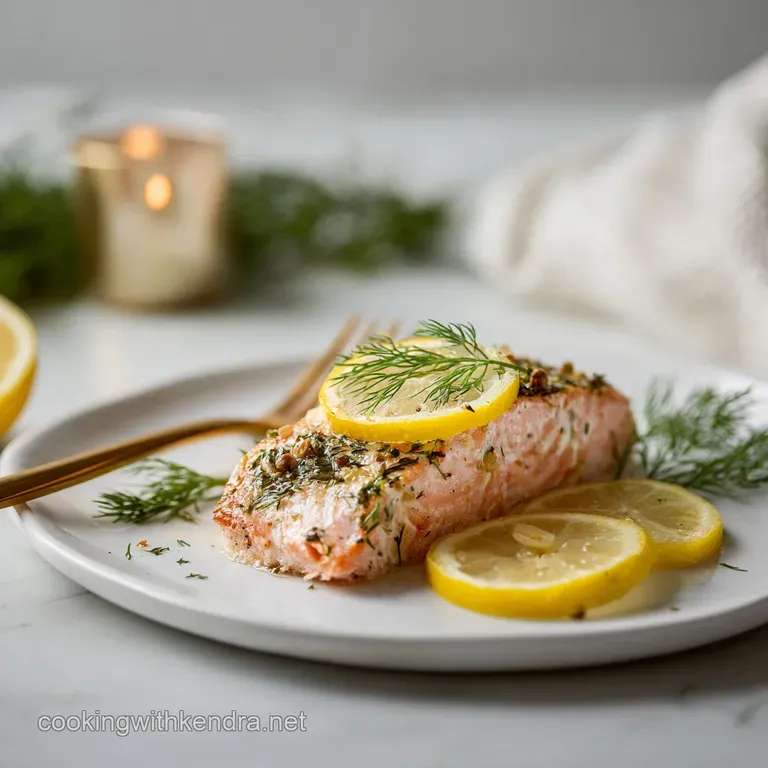
- The Secret to Flaky, Never-Watery Salmon: Roasting from Frozen
- Pantry Essentials for the Lemon-Dill Butter Glaze (and Substitutions)
- Unlocking the Perfect Texture: The Science Behind over High heat Roasting
- over High heat Method: Step-by-Step Guide to Cooking Frozen Salmon Fillets
- Pro Tips and Troubleshooting for Mastering the Freezer Fix
- What to Serve Alongside Your over High heat Salmon
- Handling Leftovers: Storage, Reheating, and Shelf Life
- Recipe FAQs
- 📝 Recipe Card
The Secret to Flaky, Never Watery Salmon: Roasting from Frozen
That moment when perfectly cooked salmon hits the plate is pure kitchen victory. Steam rises gently, carrying the bright aroma of lemon and garlic, and you know you nailed it. Even better? That glorious meal starts with rock solid, budget friendly Frozen Salmon .
We have all faced the 6 PM dinner panic, realizing the protein is still a literal ice block. This over high heat method is the ultimate lifesaver, turning those store-bought frozen salmon fillets into a gorgeous, gourmet level dinner in less than 35 minutes, proving convenience absolutely does not mean compromising on flavour.
This is the fastest, easiest way to bypass tedious thawing cycles and eliminate that dreaded waterlogged texture that makes people fear cooking frozen fish.
Forget soaking, microwaving, or lengthy fridge thawing we are skipping the fridge entirely. Trust me when I say we are diving straight into over high heat roasting for the most reliable, tender Frozen Salmon you will ever prepare. Let’s crack on.
Dispelling the Thawing Myth: Why Zero Thaw Time is Better
I know, I know. It sounds completely backward to blast a frozen block of fish with 425°F heat. However, the logic here is fantastic and solves the primary issue with cooking fish straight from the freezer.
When you slowly thaw salmon, the ice crystals melt, creating excess liquid that drains away, taking flavour and moisture with it; that’s why slow thawed fish often tastes dry or bland.
Roasting Frozen Salmon at a high temperature forces the intense heat to penetrate quickly, speeding up the process and minimizing the opportunity for those moisture destroying ice crystals to form large groups.
The result is a quick evaporation of surface moisture while the inside cooks through rapidly, sealing in the natural oils and delivering that beautiful, flaky texture we all crave. It’s science, but it tastes like a miracle.
Overview of the over High heat Roasting Method
This specific technique relies on two critical stages. First, a quick blast in a very hot oven cooks the Frozen Salmon through and dries the surface. Second, a flavourful, fat-based glaze (hello, lemon dill butter!) is applied halfway through to infuse flavour and seal the surface, preventing the fish from drying out during the remaining cook time.
This two-phase approach guarantees a moist interior without any burnt garlic on the exterior.
Time Commitment and Prep Requirements
The beauty of cooking Frozen Salmon this way is that the prep is minimal. You spend about 10 minutes mixing a super simple glaze and lining a tray, then the oven does all the heavy lifting.
This makes it an ideal candidate for busy weeknights when you need dinner ready fast. The total active time is just over half an hour, including resting the fillets.
Pantry Essentials for the Lemon Dill Butter Glaze (and Substitutions)
This glaze is utterly classic for a reason. It pairs perfectly with the rich texture of the fish, cutting through the fattiness of the salmon with bright acidity. Don't worry if you're missing an ingredient; I’ve got you covered with some easy swaps.
| Ingredient | Role | Viable Substitution |
|---|---|---|
| Unsalted Butter | Fat carrier, richness | high-quality Olive Oil or refined Coconut Oil |
| Fresh Lemon Juice | Acidity, brightness | Lime juice (use slightly less) or White Wine Vinegar |
| Fresh Dill | Herbaceous, classic flavour | Chives, Tarragon, or flat leaf Parsley |
| Minced Garlic | Depth, savory base | 1/2 tsp Garlic Powder (if fresh isn't available) |
| Kosher Salt & Pepper | Seasoning | Sea salt flakes or your favourite seasoned blend |
Unlocking the Perfect Texture: The Science Behind over High heat Roasting
Getting perfectly flaky Frozen Salmon isn't about luck; it's about following these small but mighty rules. These steps are what separate a gorgeous dinner from a watery disappointment.
Sourcing the Best Frozen Salmon Fillets
Look for individually vacuum sealed (IVP) Frozen Salmon portions. These are the gold standard. They lock in freshness right after harvesting and prevent freezer burn much better than those large, shared bags.
Thicker fillets (around 5 6 ounces) work better for over high heat roasting because they can withstand the heat for longer without drying out. Thin tail pieces will cook much faster, so stick to uniform center cut fillets if you can.
Ingredient List: Exact Measurements and Prep Notes
Remember, measurements matter, especially for the glaze which needs to be balanced.
- Frozen Salmon Fillets: 4 portions (5 6 oz each). Pat them down gently to remove any surface ice crystals before cooking.
- Neutral Oil: 1 Tbsp (for coating the fish before baking).
- Melted Unsalted Butter: 4 Tbsp. It needs to be melted so it brushes on easily and coats the cold, hard surface of the Frozen Salmon .
- Fresh Lemon Juice: 2 Tbsp. Must be fresh! The bottled stuff just doesn't deliver the same zing .
- Minced Garlic: 2 large cloves. Minced very finely so it releases maximum flavour without risking chunks that might burn.
- Fresh Dill: 1 Tbsp, finely chopped.
- Seasoning: 1 tsp Kosher Salt, 1/2 tsp Black Pepper.
Herb Swaps: Beyond Dill (Parsley, Chives, etc.)
If dill isn't your favorite or you just don't have any, don't fret. This recipe is really flexible. Fresh parsley gives a clean, mild flavour that works beautifully. Chives are also fantastic, offering a subtle onion note that complements the butter.
For a more intense flavour, try substituting the dill with 1 teaspoon of dried oregano and a pinch of smoked paprika. That small tweak completely changes the profile of your Frozen Salmon dinner!
The Critical Role of Initial Blast Heat
The high temperature (425°F/220°C) serves as a thermal shock absorber. It immediately begins cooking the outer layers, which helps the fish hold its shape as it begins to thaw internally.
This rapid cooking avoids the "steaming" effect that occurs at lower temperatures, which is the main culprit behind mushy fish texture. When cooking Frozen Salmon , you need heat, and lots of it, right away.
How the Lemon Dill Glaze Locks in Moisture
We hold back on the glaze until halfway through the cooking process for a crucial reason: protecting the garlic and butter. Applying the glaze to the cold fish and blasting it at 425°F is a recipe for scorched garlic. By waiting until the fish is partially cooked, the glaze acts as a flavour barrier.
The fat content in the butter seals the surface, locking in any remaining moisture and providing a rich, savory coating that browns beautifully without burning.
Identifying the Safely Cooked Internal Temperature
You cannot judge the doneness of Frozen Salmon by sight alone. When you cook from frozen, the edges might look opaque and done while the center remains raw. This is where your instant read thermometer earns its keep. The USDA safe internal temperature for salmon is 145°F (63°C).
Insert the probe into the thickest part of the fillet. Trust the thermometer, not your eyes, for the perfect, flaky texture.
over High heat Method: step-by-step Guide to Cooking Frozen Salmon Fillets
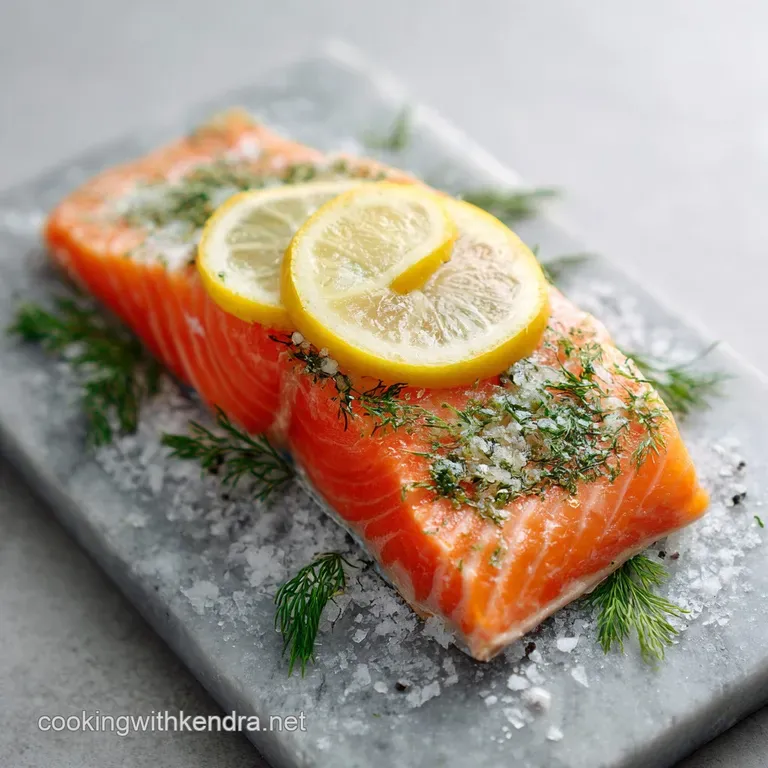
Follow these steps exactly, and you’ll be pulling off restaurant quality Frozen Salmon every single time.
Prepping the Pan and Preheating the Oven
First things first: crank that oven up to 425°F (220°C). Don't start cooking until it's fully preheated. Line a standard rimmed baking sheet with parchment paper. This is a non-negotiable step.
The parchment paper prevents the fish from sticking once the initial moisture releases, which trust me, happens quickly with Frozen Salmon .
In a small bowl, whisk together the melted butter, lemon juice, minced garlic, dill, salt, and pepper. Set that stunning glaze aside. Remove the frozen fillets from their packaging and gently pat away any visible ice crystals.
Rub the surface of the Frozen Salmon with the neutral oil to help the heat conductivity.
The Initial 10 Minute Cook Cycle (Phase 1)
Place the oil-coated fillets on the prepared parchment paper, spacing them out slightly. Put them directly into the ripping hot oven. Bake for exactly 12 minutes. During this phase, you are setting the structure of the fish and evaporating surface moisture.
You’ll see the edges turn slightly opaque, and the fillets will look dry on the surface. That is exactly what we want.
Applying the Butter Glaze and Finishing the Roast (Phase 2)
Carefully pull the baking sheet out. Using a basting brush, coat the tops and sides of the Frozen Salmon generously with about half of the lemon dill butter glaze. Be quick! We don't want the oven temperature to drop too much.
Return the glazed fillets to the oven for another 8 to 10 minutes. The high heat is now finishing the cook and baking that glorious, fragrant glaze into the fish. I typically start checking around the 8 minute mark.
Verifying Doneness and Resting the Fillets
Pull the sheet pan out and immediately check the internal temperature in the thickest part of the largest fillet. Once it reads 145°F (63°C), it’s done. If it needs longer, give it another 2 minutes and check again.
Once cooked, remove the Frozen Salmon from the oven. Drizzle the remaining glaze over the hot fillets that fresh hit of warm, bright butter is what takes this dish over the top. Tent the pan loosely with foil and let the fish rest for 5 minutes.
This resting period allows the juices to redistribute, guaranteeing a moist finish.
Chef’s Note: Do not try to rush the initial dry-bake phase. If you glaze too early, the cold surface of the Frozen Salmon combined with the high heat will cause the butter to separate and the garlic to burn before the fish is even close to cooked.
Patience here is key!
Pro Tips and Troubleshooting for Mastering the Freezer Fix
I’ve had my share of salmon flops (once I cooked a piece so unevenly the tail was jerky and the center was raw never again!). These tips fix the most common issues people face when cooking Frozen Salmon .
My Salmon is Cooking Unevenly: The Foil Trick
If you notice that the thin edges of your fillets are looking flaky and opaque while the center is still translucent after the first 12 minutes, you might have unevenly cut fish.
My favorite fix is simple: tear off small strips of foil and loosely wrap the thin tail edges of the Frozen Salmon . This shields them from the direct heat, allowing the thicker portions to catch up during the second cooking phase.
Preventing the Glaze from Burning or Smoking
If your glaze is smoking too much during the final phase, there are two likely causes. First, your garlic might be minced too chunky. Second, you might have too much liquid on the baking sheet already.
Always pat your Frozen Salmon dry initially, and make sure to only apply the glaze halfway through. If you absolutely must use dried herbs or garlic powder instead of fresh, mix it into the butter well and keep the baking tray on the middle rack.
Adapting Cooking Time for Thicker or Thinner Cuts
This recipe assumes standard 5 6 oz portions. If you bought thicker cuts (8 10 oz), you might need an extra 5– 8 minutes total cooking time, extending both the initial bake and the final roast.
Conversely, if your cuts of Frozen Salmon are thin (under 4 oz), reduce the initial blast cook to 10 minutes and the final cook to 5– 7 minutes.
Always check the internal temperature, but adjusting your timing based on thickness is crucial for avoiding dryness.
What to Serve Alongside Your over High heat Salmon
Since the main event is so fast, you need sides that can keep up. I love pairing this simple Frozen Salmon with something bright and quick.
Quick Side Dishes Ready in 20 Minutes
- Roasted Asparagus: Toss asparagus spears with a little olive oil, salt, and pepper, and roast them on a separate tray right next to the salmon. They finish at the same time!
- Simple Green Salad: Arugula tossed with a lemon vinaigrette and shaved Parmesan is clean and sharp, perfectly complementing the rich Frozen Salmon . If you're looking for other fast salmon ideas, you might love my recipe for Sheet Pan Honey Mustard Salmon with Veggies Ready in 30 Minutes .
Complementary Starches and Grains
For a more substantial meal, serve the salmon over quick cooking grains. Fluffy rice cooked in a rice cooker is effortless, or you can opt for quinoa. Israeli couscous, tossed with a little extra lemon zest and olive oil, also makes a brilliant, texturally interesting base for the flaky fish.
Pairing Recommendations for Wine and Beverages
When eating salmon with a bright, buttery glaze, you want something crisp. A light, unoaked Sauvignon Blanc is always a winner; its grassy, acidic notes cut through the fat wonderfully.
If you prefer red wine, reach for a chilled Beaujolais (Gamay) for something light and fruity that won't overwhelm the delicate flavour of the Frozen Salmon .
Handling Leftovers: Storage, Reheating, and Shelf Life
One of the best things about making a large batch of Frozen Salmon is having beautiful leftovers for lunch the next day. But let's be smart about safety and texture.
Cooked salmon should be stored in an airtight container in the refrigerator and consumed within 3 days. Do not try to refreeze previously frozen and cooked salmon; that’s just asking for textural trouble.
To reheat leftover Frozen Salmon without drying it out, I recommend using your oven or toaster oven set to a low temperature (around 275°F or 135°C). Place the fillet on a foil lined tray and warm for 5– 10 minutes, just until heated through. Alternatively, flake the cold leftovers over a hearty salad or toss them into pasta for a zero reheat meal. If you prefer the crispy skin method, definitely check out my guide on 25Minute Crispy PanSeared Salmon with Garlic Lemon Butter Sauce — but remember, that one starts thawed!
I hope this recipe convinces you that buying Frozen Salmon is not a compromise it’s a genius culinary strategy! Enjoy this unbelievably fast and flaky fish dinner.
Recipe FAQs
Do I really need to skip thawing for this high heat method?
Absolutely, skipping the thaw is critical for the success of this recipe! High heat roasting cooks the frozen fillet quickly and evenly, creating a lovely crust while maintaining a moist interior. Thawing actually increases the risk of mushiness or a rubbery texture due to excess surface moisture.
Why did my salmon turn out dry or rubbery?
Dryness is almost always caused by overcooking, especially at high temperatures. Ensure your oven is accurately set and always use an instant read thermometer to check the internal temperature; salmon is perfectly done at 145°F (63°C).
Pulling it slightly earlier (around 140°F) allows carryover cooking during the resting period to finish the job perfectly.
What is the white substance that sometimes appears on the cooked salmon?
That white substance is called albumin, a harmless protein that solidifies and is forced out of the muscle fibers as the fish heats up. While entirely safe to eat, you can reduce its appearance by briefly brining the salmon before cooking or by ensuring the heat level remains perfectly consistent during the roast.
Since we are cooking from frozen, minimizing cooking time is key.
How can I ensure the frozen salmon is safely cooked through?
The safest and most accurate way is to use a meat thermometer inserted into the thickest part of the fillet, aiming for 145°F (63°C). If you don't have a thermometer, the fish should flake easily when tested with a fork and appear completely opaque throughout, without any translucent areas.
The cook time provided is a reliable guideline for standard 6-ounce fillets.
What are some quick alternative glazes if I don't want to use lemon and dill?
For a quick flavour swap, try a spicy Asian glaze made from equal parts soy sauce, honey, and sriracha, brushed on halfway through cooking. Alternatively, a simple Italian dressing mixed with minced garlic works wonders and requires minimal effort.
Just ensure the glaze adheres well by gently patting the frozen fillet dry first.
Can I cook this frozen salmon recipe in an air fryer instead of the oven?
Yes, the high heat method adapts very well to the air fryer, often yielding an even crispier surface. Preheat your air fryer to 400°F (200°C) and cook the frozen fillets for approximately 12 to 15 minutes.
Remember to check the internal temperature, as timing can vary slightly depending on your unit and the fillet thickness.
How long can I safely store leftover cooked salmon?
Leftover cooked salmon should be placed in an airtight container and refrigerated promptly, ideally within two hours of cooking. It will remain high-quality and safe for consumption for 3 to 4 days. When reheating, do so gently in a microwave or low oven to prevent the salmon from drying out further.
No Fuss Frozen Salmon Roast
Ingredients:
Instructions:
Nutrition Facts:
| Calories | 398 kcal |
|---|---|
| Protein | 37.9 g |
| Fat | 26.8 g |
| Carbs | 2.1 g |
