Olive Garden Salad Dressing Recipe
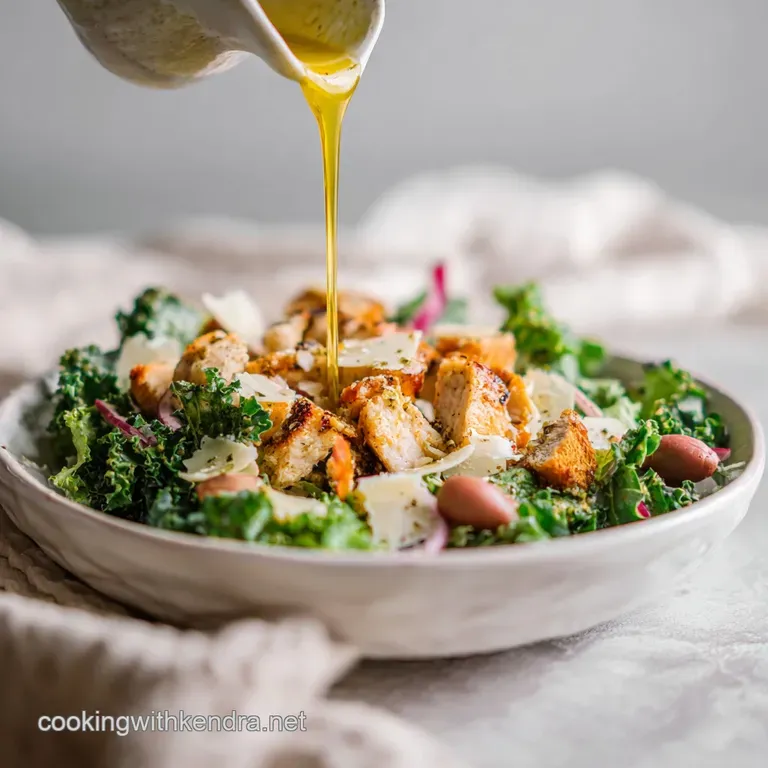
- Time: Active 10 minutes, Passive 0 minutes, Total 10 minutes
- Flavor/Texture Hook: Zesty, sharp, and velvety
- Perfect for: Family weeknight dinners or large potluck gatherings
- The Secrets of Olive Garden Salad Dressing
- Why This Zesty Mix Works
- Component Analysis
- The Essential Dressing Building Blocks
- Tools for a Smooth Blend
- Bringing the Flavors Together
- Pro Tips and Common Pitfalls
- Making This Recipe Your Own
- Storing and Reusing Your Dressing
- Perfect Pairings for Your Salad
- Olive Garden Salad Dressing FAQs
- 📝 Recipe Card
The Secrets of Olive Garden Salad Dressing
The moment that big wooden bowl hits the table, you smell it before you see it. It is that specific, sharp hit of vinegar softened by a whisper of herbs and something hidden that makes it cling to every leaf of romaine.
I used to think it was just a bottle of Italian dressing from the store, but every time I tried that, the salad ended up watery and sad at the bottom of the bowl.
I spent weeks trying to figure out why the "real" stuff felt so much richer than a standard vinaigrette. I made dozens of batches that were either too oily or far too acidic. Then, I saw a chef friend add a tiny dollop of mayonnaise to a clear dressing. It didn't turn it into a creamy ranch, it just made it velvety.
That was the breakthrough for my homemade olive garden salad dressing, and honestly, our family dinners haven't been the same since.
We make this at least twice a month now, especially when I’m serving a heavy pasta dish. It provides that necessary bright contrast that cuts through rich sauces. It is fast, cheap to pull together, and uses stuff you probably already have in your pantry.
Let's get into how you can stop buying the bottled version and start making the fresh one that actually tastes right.
Why This Zesty Mix Works
The Secret of Micro Emulsification: Adding a small amount of mayonnaise acts as a bridge between the vinegar and oil, preventing the dressing from separating into greasy layers.
The Texture of the Suspension: Grated Parmesan cheese provides tiny particles for the herbs to cling to, ensuring every bite of salad is evenly seasoned rather than the spices sinking to the bottom.
The Hydration of the Aromatics: Mixing the dried herbs with water and lemon juice first allows them to "bloom" and release their oils before they are coated in fat.
Serving Size Calculator
| Servings | Ingredient Adjustments | Container Size | Prep Time |
|---|---|---|---|
| 4 people | 1/3 of the recipe | Small mason jar | 5 minutes |
| 12 people | Standard recipe (as listed) | 16 oz dressing bottle | 10 minutes |
| 24 people | Double all ingredients | Large mixing bowl | 12 minutes |
If you are prepping for a big family reunion, doubling this recipe is a total breeze. Just make sure you have a large enough container to give it a really vigorous shake. For a smaller weeknight meal, you can easily scale down, though I usually just make the full batch because it stays fresh for quite a while.
Component Analysis
| Ingredient | Science Role | Pro Secret |
|---|---|---|
| White Distal Vinegar | Acidic backbone | Use white distilled for that specific "clean" restaurant bite. |
| Mayonnaise | Stabilizing emulsifier | It binds the water and oil without making the dressing heavy. |
| Parmesan Cheese | Umami booster | Finely grated (powdery) works better than shredded for suspension. |
| Extra Virgin Olive Oil | Flavor carrier | Mix with vegetable oil to prevent it from solidifying in the fridge. |
While the vinegar provides the punch, the oil choice is what really matters here. If you use 100% extra virgin olive oil, the flavor can become too bitter and the dressing will turn into a solid block of green wax once it gets cold.
By splitting the fat content between olive and vegetable oil, we keep it pourable and balanced.
The Essential Dressing Building Blocks
- 1 packet (0.7 oz) Good Seasons Italian Dressing Mix: This provides the complex herb base that is hard to replicate with single jars. Why this? It contains the specific stabilizers needed for that restaurant texture.
- 0.5 cup extra virgin olive oil: This adds the fruity, peppery depth. Why this? high-quality oil ensures the dressing tastes expensive and fresh.
- 0.25 cup vegetable oil: A neutral oil that stays liquid at cold temperatures. Why this? Prevents the dressing from "breaking" or hardening in the refrigerator.
- 0.33 cup white distilled vinegar: The sharp, clean acid source. Why this? Apple cider vinegar is too fruity; white distilled is the authentic choice.
- 1 tbsp mayonnaise: The secret stabilizer. Why this? Just enough to emulsify the oils without adding a heavy mayo flavor.
- 2 tbsp grated Parmesan cheese: For salt and texture. Why this? The salty "dust" helps the dressing grip the lettuce leaves.
- 1 tsp garlic powder: Enhances the savory profile. Why this? Powder disperses better than fresh garlic in a cold emulsion.
- 0.5 tsp dried oregano: Adds that classic Italian aroma. Why this? Dried oregano has a more concentrated "pizza shop" scent than fresh.
- 0.5 tsp sugar: To balance the high acidity. Why this? Cuts the harshness of the vinegar without making it taste sweet.
- 1 tbsp fresh lemon juice: Adds a bright, citrusy top note. Why this? Fresh juice provides a different layer of acid than the vinegar.
- 2 tbsp water: To hydrate the dry spices. Why this? Prevents the dressing from being too syrupy or overly oily.
| Original Ingredient | Substitute | Why It Works |
|---|---|---|
| White Distilled Vinegar | White Wine Vinegar | Slightly softer flavor but keeps the light color and sharp tang. |
| Vegetable Oil | Canola or Grapeseed Oil | Any neutral, liquid at-room temp oil works without changing the flavor. |
| Parmesan Cheese | Nutritional Yeast | Provides a similar savory umami kick for those avoiding dairy. |
Using the right vinegar is a common point of confusion. I’ve seen people try to use balsamic, but that completely changes the color and makes it far too sweet. If you want that classic look, stick to the clear stuff. For another great use of these flavors, you might want to try an Italian Pasta Salad recipe which uses a very similar acidic profile to keep the noodles bright.
Tools for a Smooth Blend
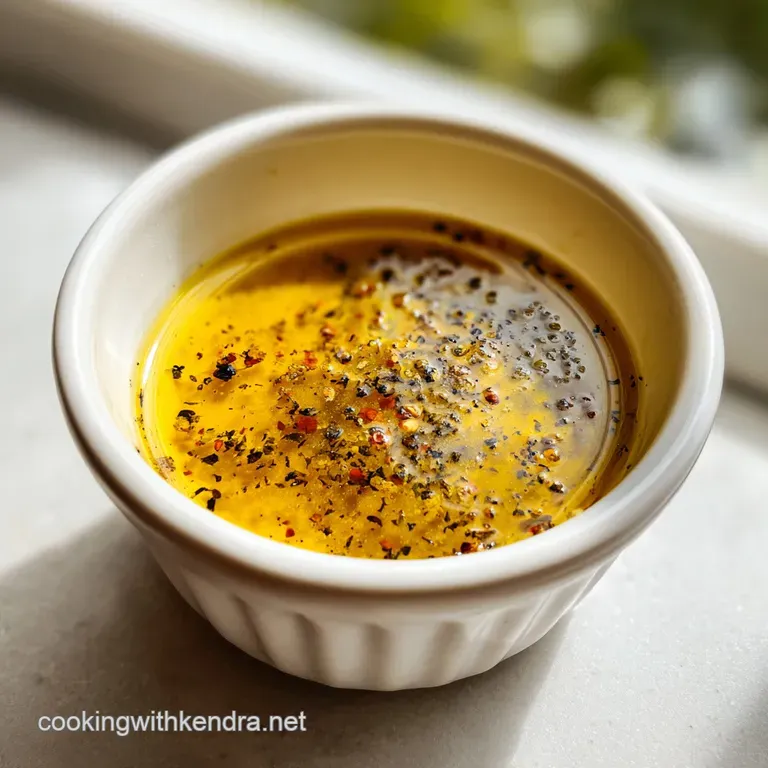
You don't need a fancy blender for this. In fact, a blender can sometimes over process the mayo and make it too thick. I find that a simple wide mouth mason jar is the best tool for the job. It allows you to shake the life out of the ingredients and then serves as its own storage container.
If you don't have a jar, a medium glass bowl and a balloon whisk will do. Just be prepared to put some elbow grease into it. You want to see the oil and vinegar completely merge into a cloudy, opaque liquid. If you see big bubbles of oil floating on top, you haven't shaken it enough.
Bringing the Flavors Together
- Hydrate the aromatics. Combine the 1 packet of Italian dressing mix, 1 tsp garlic powder, 0.5 tsp dried oregano, 0.5 tsp sugar, and 2 tbsp water in your jar. Note: Letting these sit for 2 minutes helps the dry herbs soften.
- Add the acids. Pour in the 0.33 cup white distilled vinegar and 1 tbsp fresh lemon juice.
- Incorporate the stabilizer. Drop in 1 tbsp mayonnaise. Whisk or shake until no white lumps remain.
- Add the savory element. Stir in the 2 tbsp grated Parmesan cheese.
- Pour the oils. Add the 0.5 cup extra virgin olive oil and 0.25 cup vegetable oil.
- Emulsify the mixture. Secure the lid tightly and shake for 60 seconds until the liquid is opaque and uniform.
- Rest the dressing. Let the jar sit on the counter for 10 minutes. Note: This allows the sugar to dissolve completely and flavors to meld.
- Final check. Look at the consistency; it should be thin enough to pour but thick enough to coat a spoon.
- Taste and adjust. Dip a leaf of lettuce in to check for salt; add a pinch more if the vinegar is too dominant.
- Chill before serving. Place in the fridge for at least 30 minutes until the flavors are sharp and chilled.
Pro Tips and Common Pitfalls
Achieving Perfect Emulsification
The biggest mistake people make with this garden salad dressing is not shaking it hard enough. Because we are using mayo as an emulsifier, you really need to break those oil molecules down so they can bond with the vinegar.
If it looks like it's "broken" or separated after just a minute of sitting, you likely didn't incorporate the mayo fully at the start.
Balancing the Acid Profile
Sometimes a batch can taste overly sharp. This usually happens if your lemon was particularly large or your vinegar is high acidity. Don't add more oil to fix it, as that makes it greasy. Instead, add another 0.5 tsp of sugar.
The sugar doesn't make it sweet; it acts as a chemical "buffer" that rounds off the sharp edges of the acid.
Troubleshooting Your Dressing
| Problem | Root Cause | Solution |
|---|---|---|
| Dressing is too thick | Too much mayonnaise | Add 1 tsp of water at a time until it reaches a pourable consistency. |
| Gritty texture | Parmesan didn't dissolve | Use a finer "powdered" Parmesan or let the dressing sit longer at room temp. |
| Bitter aftertaste | Low quality olive oil | Replace half of the olive oil with more neutral vegetable oil next time. |
Common Mistakes Checklist
- ✓ Using cold water instead of room temperature (prevents sugar from dissolving)
- ✓ Skipping the water entirely (makes the spices stay hard and crunchy)
- ✓ Using pre shredded Parmesan (the anti caking agents prevent a smooth texture)
- ✓ Forgetting to shake before every single use (it will naturally settle over time)
- ✓ Storing in a plastic container (vinegar can react with some plastics and change the flavor)
Making This Recipe Your Own
If you find this version is a bit too heavy for a light lunch, you can create an olive garden salad dressing light recipe by simply increasing the water by 1 tbsp and reducing the olive oil by 2 tbsp. You will still get the flavor, but the calorie count drops significantly.
It won't be quite as velvety, but it's a great trade off for daily use.
For those who want a more intense punch, try boosting the garlic. I sometimes add a half teaspoon of bottled minced garlic if I'm serving this with a very plain chicken dish. Just be careful, as raw garlic can become very spicy as it sits in the vinegar overnight. If you are looking for a completely different profile, you might enjoy The Homemade Olive recipe which explores more of the herb heavy variations.
Quick Customization Shortcuts
- If you want it creamier: Increase the mayonnaise to 2 tbsp and use a whisk to whip it airier.
- If you want it spicier: Add a pinch of red pepper flakes to the initial hydration step.
- If you want it cheesier: Double the Parmesan and add a teaspoon of Romano for extra funk.
Storing and Reusing Your Dressing
This dressing stores beautifully because of the high acid and salt content. Keep it in a glass jar in the refrigerator for up to 3 weeks. You will notice the oil might thicken slightly when it's very cold, so I always recommend taking it out of the fridge about 10 minutes before you plan to eat.
Give it a violent shake to re emulsify everything.
Don't throw away the dregs at the bottom of the jar! You can use the last couple of tablespoons as a marinade for chicken breasts or pork chops. The vinegar acts as a tenderizer, and the oil and herbs create a beautiful crust on the grill.
It is a fantastic zero waste hack that turns a salad topping into a flavor base for another meal.
Perfect Pairings for Your Salad
To get the full restaurant experience, you need more than just the dressing. The classic combo involves romaine lettuce, sliced red onions, whole pepperoncini, black olives, and roma tomatoes. I also highly recommend making some buttery garlic breadsticks on the side.
The way the bread soaks up the extra dressing on the plate is the best part of the meal.
Texture Comparison
| Method | Texture | Best For |
|---|---|---|
| Hand Shaken | Slightly rustic, visible herbs | Classic side salads |
| Blender Pulse | Very smooth, uniform color | Marinades or dip bases |
| Whisked | Aerated, light feel | Delicate greens like arugula |
This dressing also works remarkably well as a dip for fresh vegetables like cucumbers and bell peppers. If you are looking for a seafood option, it actually pairs quite well with a Coastal Classic shrimp recipe, where the acidity cuts through the sweetness of the shellfish.
There is a big myth that you need to use "Italian" vinegar for this. Honestly, the cheapest white distilled vinegar gives you the most authentic taste. Expensive balsamic or apple cider versions are great for other things, but they don't have the clean "zing" that we are looking for here. Also, don't fear the sugar.
That tiny half teaspoon is what makes the whole thing edible rather than just tasting like a bottle of acid. Trust the process, shake it hard, and enjoy that restaurant flavor right at your own table.
Olive Garden Salad Dressing FAQs
What is the dressing they use at Olive Garden?
It is a proprietary blend, essentially a stabilized Italian vinaigrette. The restaurant version is characterized by its subtle creaminess achieved via a small amount of emulsifier, which separates it from standard bottled Italian dressings.
What kind of oil does Olive Garden use in their salad dressing?
They use a blend of olive oil and a neutral vegetable oil. Using only extra virgin olive oil can make the dressing too bitter and cause it to solidify unpleasantly when chilled in the refrigerator.
Is the bottled Olive Garden dressing the same as the restaurant?
No, the bottled version is notably different from the restaurant's freshly made dressing. The restaurant uses fewer stabilizers and incorporates fresh components like lemon juice, resulting in a brighter, tangier flavor profile.
What makes Olive Garden salad so good?
The dressing's signature tanginess, combined with crisp romaine and salty Parmesan, creates the ideal texture contrast. The key is the mild emulsification that allows the flavor to cling to every lettuce leaf, which is similar to the stable binding achieved when mastering emulsions for sauces like in our Chicken Marsala Recipe.
How do I replicate the dressing's velvety texture at home?
Incorporate one tablespoon of mayonnaise or a similar oil binder into the initial mixture. This tiny amount acts as a bridge between the oil and vinegar, preventing separation without imparting a heavy, creamy taste.
What is the best way to mix the ingredients for the correct restaurant consistency?
Secure all ingredients in a wide mouth mason jar and shake vigorously for a full minute. Shaking is superior to whisking here because it ensures all dry spices are fully hydrated and the oil is broken down into fine droplets for a uniform look.
Can I make this dressing ahead of time and how should I store it?
Yes, you can make this dressing up to three weeks in advance; store it in a sealed glass jar in the refrigerator. Always allow the dressing to sit at room temperature for about ten minutes and shake vigorously before serving to re-emulsify any chilling separation.
Olive Garden Salad Dressing Copycat
Ingredients:
Instructions:
Nutrition Facts:
| Calories | 145 kcal |
|---|---|
| Protein | 0.4 g |
| Fat | 15.2 g |
| Carbs | 1.8 g |
| Fiber | 0.1 g |
| Sugar | 0.9 g |
| Sodium | 385 mg |
