Taco Pasta Recipe: the Best Cheesy One-Pot Weeknight Fiesta
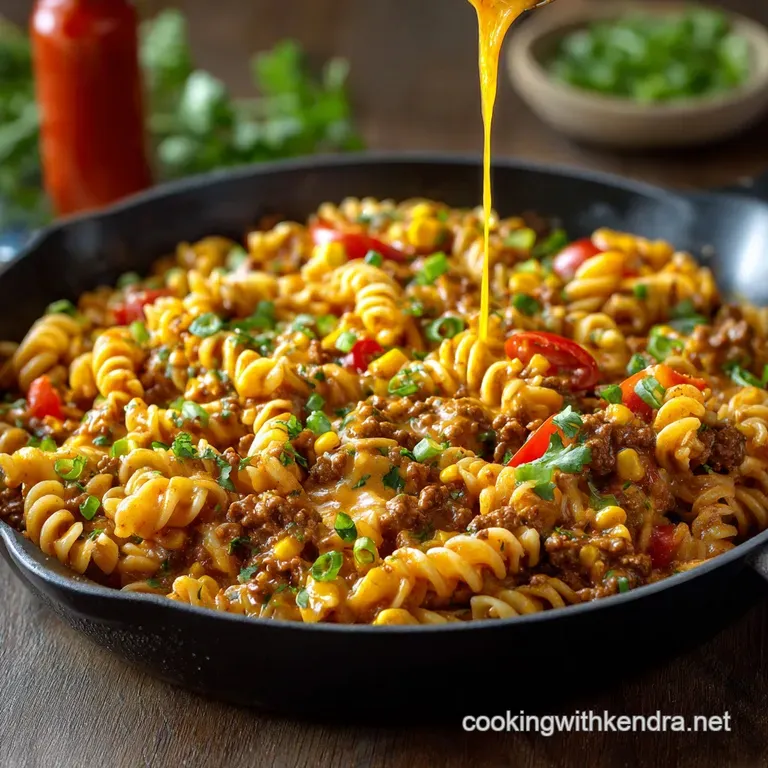
- The Ultimate Weeknight Winner: Cheesy One-Pot Taco Pasta
- Flavor Science: Why This Taco Pasta Tastes So Good
- Essential Ingredients for Deep-Flavored Taco Pasta
- Master the Method: How to Cook One-Pot Taco Pasta
- Pro Tips and Troubleshooting for Your Best Taco Pasta Yet
- Storage Solutions: Keeping Leftover Taco Pasta Fresh
- Serving Strategies: Perfect Pairings for Your Taco Pasta Fiesta
- Recipe FAQs
- 📝 Recipe Card
The Ultimate Weeknight Winner: Cheesy One-Pot Taco Pasta
When that craving hits you know the one, that urgent need for maximum comfort with zero effort this Taco Pasta is the answer. The aroma alone, a blend of toasted cumin, smoked paprika, and bubbling cheese, can pull even the most distracted teenager into the kitchen.
It’s warm, it’s rich, and it hits that perfect spot between hearty Tex-Mex and classic American comfort food.
This dish is my secret weapon for Tuesday nights, or really any night where the clock is ticking and I still need something substantial on the table fast. It’s incredibly fast, requires just one skillet (hallelujah for easy cleanup!), and uses basic pantry staples.
Plus, who doesn't love a dish that feels decadent but is actually super affordable to make?
Forget those sad, dry casserole recipes floating around the internet; we’re making a creamy, deeply flavored, one-pot wonder. We’re going to build layers of flavor before the pasta even hits the pan. Get ready, because this is about to become your family’s most requested meal.
Flavor Science: Why This Taco Pasta Tastes So Good
Merging Hearty Tex-Mex Flavor with Comfort Food Ease
We aren’t just dumping ingredients into a pot here; we are borrowing techniques from professional taco making to elevate the base. The key is giving the ground beef a chance to fully brown and then building our spice blend directly onto that fat and flavor.
That seared, caramelized meat flavor is essential. It provides the anchor that allows the cheesy sauce to sing, preventing the whole thing from tasting bland or watered down.
The Magic of One-Skillet Cooking: Less Mess, More Flavor
This isn’t just about convenience, though that is a massive benefit. Cooking the pasta directly in the stock means the liquid absorbs all the rich taco seasoning while simmering. The starch released from the pasta naturally thickens the sauce as it cooks down.
Trust me, the texture you get from this method is intensely creamy and impossible to replicate when boiling the pasta separately.
What Makes This Recipe the Definitive Version
I messed up taco pasta for years by adding the seasoning too late or using too much liquid. The definitive version requires patience in the beginning and a careful finish. We prioritize blooming the spices and then utilize both cream cheese and shredded cheese for a fantastic, multilayered dairy component.
The cream cheese adds tang and incredible stability, while the shredded cheese provides that satisfying, stretchy pull.
Blooming the Spices for Maximum Depth and Aroma
This step is non-negotiable! Spices like chili powder and cumin are fat-soluble, which means their flavor compounds are released and intensified when briefly cooked in hot oil or rendered beef fat.
By stirring the spices directly into the meat and tomato paste for sixty seconds, you unlock a depth of flavor that a premixed taco packet can only dream of. Seriously, do not skip this 60 second bloom.
Achieving the Perfect Creamy Sauce Consistency
We rely on two things for that beautiful, velvety sauce. First, the concentrated starch from the pasta water naturally thickens the simmering stock. Second, the addition of full fat cream cheese acts as an emulsifier, binding the dairy and liquid together into a smooth, stable sauce.
It keeps the shredded cheese from clumping, resulting in a perfectly homogeneous mixture.
The Role of Starch in a One-Pot Dish for Natural Thickening
When pasta is boiled in a huge pot of water, the starch is washed away. Here, the limited liquid means the starch stays right where we need it in the sauce. As the water evaporates, this starchy liquid reduces and thickens, transforming into a rich gravy that coats every piece of pasta beautifully.
This is why using the correct liquid-to-pasta ratio is absolutely crucial for success.
Essential Ingredients for Deep Flavored Taco Pasta
Building the Robust Spice Blend (Why Homemade is Better)
We are taking the time to measure out the key spices individually, and it makes all the difference. Pre-packaged seasoning often contains fillers, anti caking agents, and way too much sodium. By creating our own blend of chili powder, cumin, smoked paprika, and oregano, we control the heat and ensure maximum freshness.
This flavor base is what makes this dish truly pop.
Selecting the Right Pasta Shape for Optimal Sauce Coating
Short pasta shapes are the winner here. You need something robust enough to stand up to the hearty sauce and that has little crevices to hold the melted cheese. Elbow macaroni is classic and fun, but shells (conchiglie) or rotini also work beautifully.
Penne is great, but make sure your skillet is deep enough, as it takes up more vertical space.
Dairy Choices: Using Shreds vs. Blocks for the Melt
I like using a blend of shredded cheeses Cheddar for sharpness and Monterey Jack for meltability. Always shred your own cheese. The anti caking agents in pre-shredded cheese can prevent it from melting smoothly, leaving you with a slightly grainy sauce.
We need that velvety finish, so take the extra 30 seconds to grab the box grater.
Smart Swaps and Substitutions for Dietary Needs
No single recipe is perfect for everyone, so here are a few tested alternatives.
| Ingredient | Viable Substitution | Notes |
|---|---|---|
| Ground Beef | Ground Turkey or Plant Based Mince | Ground turkey/chicken is leaner; you might need an extra tablespoon of oil. |
| Chicken Stock | Vegetable or Beef Stock | Use a low-sodium version to control the overall saltiness of the dish. |
| Cream Cheese | dairy-free Cream Cheese Alternative | Make sure it’s a full fat version designed for cooking to maintain thickness. |
| Diced Tomatoes | 14.5 oz Can of Smooth Passata | Great if you prefer a less chunky sauce texture. |
Master the Method: How to Cook One-Pot Taco Pasta
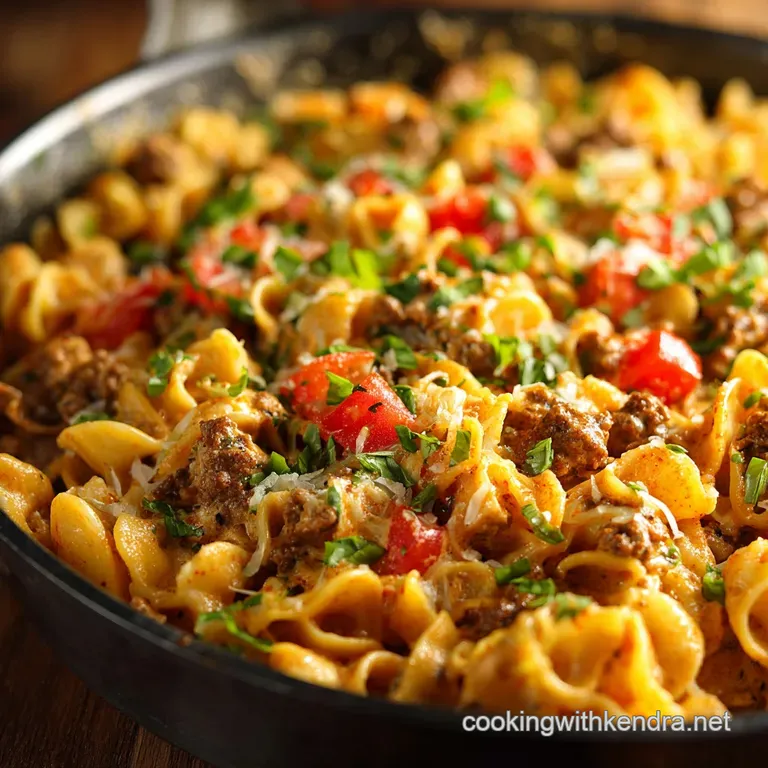
Searing the Filling Base and Activating Aromatics
Start by heating your oil and softening those onions until they are fragrant and translucent. Then, introduce the ground beef, breaking it up thoroughly as you brown it. Once the meat is completely cooked, drain off any excess grease especially if you used a higher fat blend.
This prevents the final dish from tasting oily or heavy.
The Crucial Liquid-to-Pasta Ratio for Skillet Success
After blooming the spices with the tomato paste (remember that crucial 60 seconds!), it’s time for the liquid. Add your diced tomatoes and your 3 cups of stock. Bring this liquid fully to a boil before adding the pasta.
This ensures an even temperature when the pasta goes in and helps prevent clumping.
Chef's Note: When adding the liquid, make sure to scrape up any browned bits on the bottom of the pan this is called fond , and it is pure flavor! Don’t let it burn, but definitely utilize it.
Simmering to Al Dente Perfection
Once the pasta is added and the liquid is boiling, reduce the heat immediately to a gentle simmer and cover the pot tightly. Set a timer for 10 minutes, but more importantly, set a reminder to stir every 3– 4 minutes.
This stirring is vital; pasta starch is a sticky beast and will happily glue itself to the bottom of your skillet if you let it. Simmer until the pasta is just shy of fully cooked.
The Final Cheesy Finish and Essential Resting Time
Remove the pan from the heat completely before adding the dairy. If the sauce is boiling when you add the cheese, it can split or become grainy we want smooth luxury! Stir in the cream cheese first until the sauce is completely velvety. Only then should you gradually add the shredded cheese blend.
Taste, adjust the salt, and then cover it loosely for a final 5 minute rest. This resting period allows the sauce to thicken beautifully and truly coat the pasta.
Pro Tips and Troubleshooting for Your Best Taco Pasta Yet
Avoiding a Sticky Mess (Preventing Scorching)
If you ignore the pot while the pasta is simmering, you are going to get scorching. Scorching creates a truly terrible burnt flavor that permeates the entire dish. My advice is simple: use a wooden spoon to scrape the bottom vigorously every time you check it.
If the mixture is drying out too fast before the pasta is cooked, add a splash of extra stock (1/4 cup at a time).
When to Introduce the Cheese for Maximum Smoothness
As mentioned above, timing is everything with dairy. The heat needs to be off. If you are using freshly shredded cheese, it will melt effortlessly into the warm, starchy sauce without the danger of high heat seizing the proteins.
Add the shredded cheese slowly, in batches, stirring constantly until fully incorporated.
Adjusting Spiciness Mid-Cook for Personal Preference
If you like more heat, you can add a pinch of cayenne pepper when you bloom the other spices. If you find the finished dish too mild, don't worry! You can easily adjust it at the end with a dash of your favorite hot sauce or some finely minced pickled jalapeños stirred right in. I sometimes make a batch of spicy Street Corn Tacos: Creamy Elote Recipe Ready in 35 Minutes on the side and use a bit of the leftover chipotle sauce in the pasta.
Storage Solutions: Keeping Leftover Taco Pasta Fresh
Optimal Refrigeration Techniques for Creamy Dishes
This taco pasta stores beautifully in the fridge for up to four days. Cool it down quickly (don't let it sit on the counter for hours!) and seal it tightly in an airtight container.
Because the pasta absorbs liquid even when resting, the leftovers will be significantly thicker than the fresh dish almost like a casserole.
Can You Freeze Dairy Based Pasta? (And How to Thaw It)
Dairy heavy sauces like this can be frozen, but sometimes the texture suffers slightly, becoming grainy when thawed. If you must freeze it, do so before adding the shredded cheese. Freeze the cooked meat, sauce, and pasta base in a freezer safe container for up to 3 months.
Thaw it overnight in the fridge, then gently reheat on the stovetop and finish with the shredded cheese and a splash of milk or stock.
Best Methods for Reheating Without Drying Out
Never blast this in the microwave without adding liquid. To reheat, transfer the desired portion to a pot on the stovetop over low heat. Add 1 2 tablespoons of water or chicken stock per serving. Stir gently and continuously until the sauce loosens up and the pasta is heated through. This brings back the creamy texture almost perfectly, making it just as good as a fresh batch. If you're looking for another quick, easy reheat pasta, you might also enjoy my recipe for Tuna and Sweetcorn Pasta: Our Creamy 25 Minute British Classic .
Serving Strategies: Perfect Pairings for Your Taco Pasta Fiesta
Serving this taco pasta is almost as fun as making it, because toppings are required. Think of the finished product as a blank canvas for fresh, bright flavors that cut through the richness of the cheese.
Start with the basics: a dollop of cool sour cream or Greek yogurt and a sprinkle of chopped fresh coriander (cilantro).
Here are a few other fantastic additions:
- Freshness: Diced tomatoes, sliced green onions, or a quick pickled jalapeño.
- Crunch: Crushed tortilla chips or strips of fried tortillas for texture.
- A Zesty Side: For contrast, serve a light, tangy side salad. Sometimes I skip the cooked veggies entirely and just make a batch of my famous Taco Salad: The Best Recipe with Creamy Cilantro Lime Dressing to serve alongside. The crisp lettuce and bright dressing are the perfect foil to this rich pasta.
Recipe FAQs
Why is my taco pasta too dry or not creamy enough?
If the pasta absorbs excess liquid, the dish can dry out quickly; simply stir in 1/4 to 1/2 cup of warm broth or milk until the desired creamy consistency returns. To achieve maximum creaminess, always remove the skillet from the heat before stirring in the cheese to prevent it from seizing or separating.
Can I use different types of meat instead of ground beef?
Absolutely. Ground turkey or chicken are excellent lean alternatives and integrate well with the Tex-Mex spices, though they may require slightly less cooking time. Ensure you drain any excess liquid or fat from the pan before adding the dry spices to maximize flavor absorption.
How can I make this taco pasta vegetarian or vegan?
For a vegetarian version, substitute the beef with cooked lentils, black beans, or crumbled plant based ground, adjusting the broth as needed. To make it vegan, use plant based ground, vegetable broth, and substitute the cheese with a combination of nutritional yeast and a dairy-free cheese alternative.
Is it safe to freeze taco pasta, and how should I store leftovers?
Leftovers should be stored in an airtight container in the refrigerator for up to 3 4 days; reheat gently on the stovetop, adding a splash of water or broth. Freezing is generally not recommended, as the pasta's starch structure breaks down upon thawing, resulting in a mushy texture.
Do I have to use elbow macaroni, and how long should the pasta cook?
You can substitute elbow macaroni with any small, short pasta shape, such as penne, rotini, or small shells, provided the cook time is similar. Since the pasta cooks directly in the sauce, rely on the package instructions but start checking for doneness a couple of minutes early to ensure it remains al dente.
How can I intensify the overall taco flavor profile?
The key to a deep flavor is "blooming" the spices; cook the chili powder and cumin in the hot oil/fat for 60 seconds before introducing any wet ingredients. For an extra kick, consider substituting regular chili powder with smoked paprika or adding 1/2 teaspoon of cayenne pepper.
Can I substitute cream cheese or sour cream for the shredded cheddar?
Yes, swapping some of the shredded cheese for 4 ounces of cream cheese or a dollop of sour cream adds a distinct tang and luxurious thickness. If using cream cheese, cut it into cubes and stir until fully melted before adding the traditional cheddar blend.
One Pot Cheesy Taco Pasta
Ingredients:
Instructions:
Nutrition Facts:
| Calories | 790 kcal |
|---|---|
| Protein | 50.8 g |
| Fat | 35.6 g |
| Carbs | 58.3 g |
