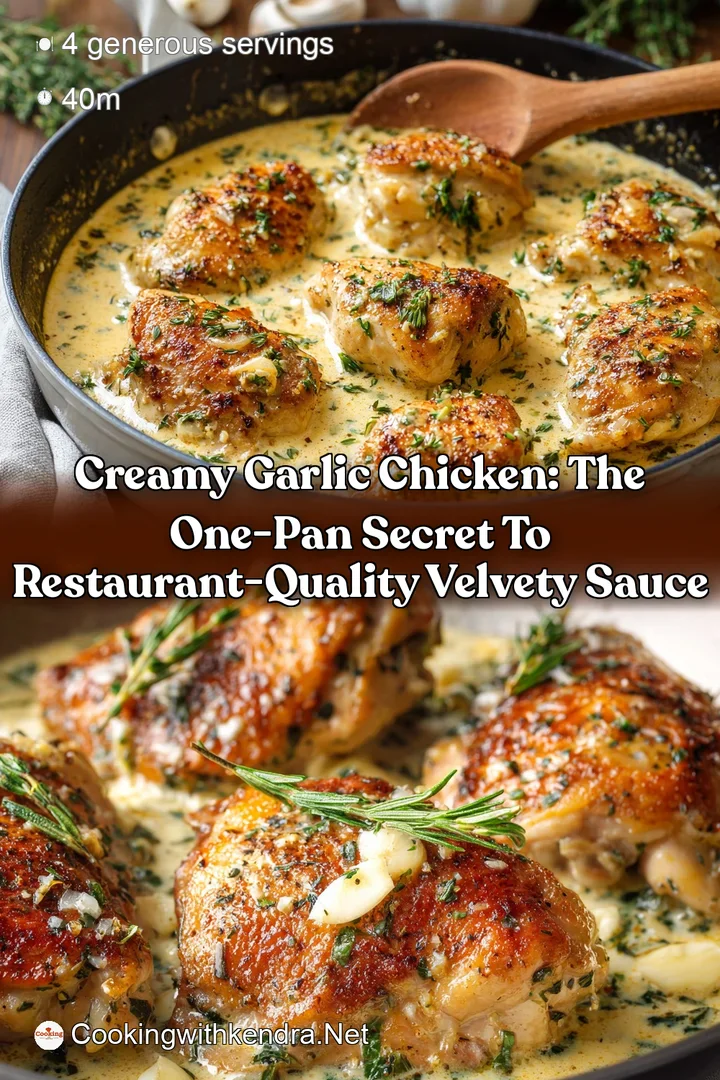
Creamy Garlic Chicken: the Chefs Classic Pan-Seared Weeknight Indulgence
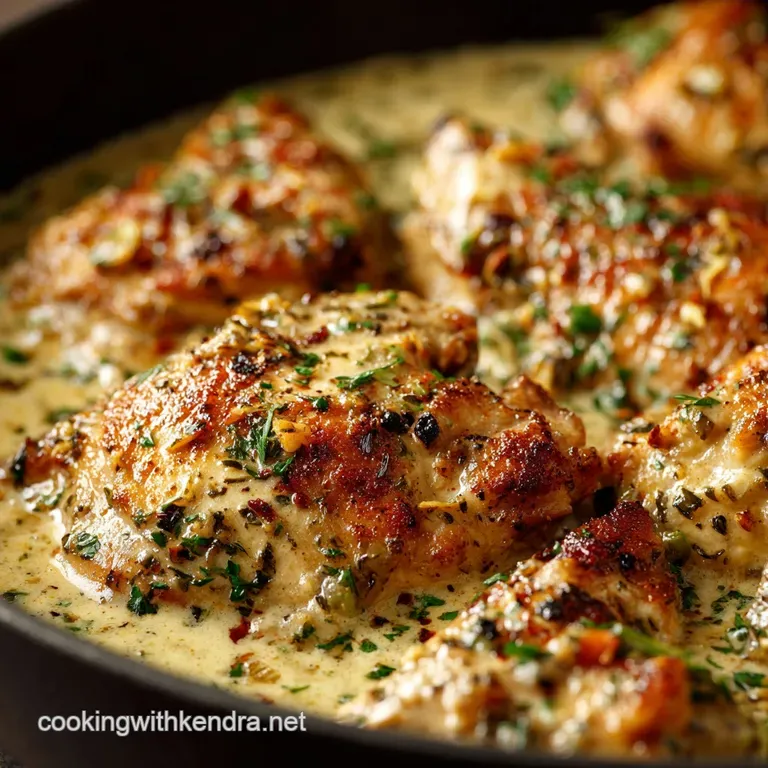
- The Ultimate Weeknight Indulgence: Pan-Seared Creamy Garlic Chicken
- Mastering the Velvety Texture: Why This Creamy Garlic Sauce Succeeds
- Essential Components for Your Creamy Garlic Chicken Recipe
- Essential Substitutions and Ingredient Notes
- How to Create Pan-Seared Creamy Garlic Perfection (Step-by-Step Guide)
- Professional Tips for Flawless Creamy Garlic Chicken
- Handling Leftovers: Storage, Reheating, and Freezing Guide
- Preparation Alternatives and FAQs
- Perfect Pairings: What to Serve Alongside This Dish
- Recipe FAQs
- 📝 Recipe Card
The Ultimate Weeknight Indulgence: Pan-Seared Creamy Garlic Chicken
If there is one dish that instantly signals a culinary hug, it’s this creamy garlic chicken recipe . The aroma alone that intoxicating cloud of deeply browned butter mingling with sharp, simmering garlic will pull everyone within a three house radius straight into your kitchen.
We’re talking about perfectly seared, golden crusted protein submerged in a decadent, silky, velvety sauce that is truly addictive.
This recipe is my weeknight MVP. It feels incredibly luxurious, like something you’d pay $30 for at a fancy Italian spot, but you can actually pull the whole thing off in under 40 minutes, using just one pan.
It saves time, minimizes cleanup, and relies on staples I bet you already have lurking in your fridge and pantry right now. This is budget friendly cooking that tastes like a million bucks.
Are you ready to stop making dry chicken with watery sauces? Good. We’re going to cover the absolute non-negotiables: achieving that epic sear, infusing the garlic without burning it, and creating a stable, rich sauce that absolutely will not curdle on you.
Let’s get this Pan-Seared Creamy Garlic Chicken done right.
Mastering the Velvety Texture: Why This Creamy Garlic Sauce Succeeds
This isn't just about throwing cream in a pan; it’s about layering flavor. The secret to an outstanding creamy garlic chicken breast lies in respecting the deglazing process and managing heat properly when dairy hits the skillet.
The Power of the Single Pan: Cleanup Made Simple
The single pan method isn't just about avoiding dishes, though that’s certainly a huge bonus. Cooking the protein first leaves behind a treasure trove of crispy, browned bits the culinary term is fond —that become the backbone of the sauce.
If you cook your chicken in a separate pan, you miss out on 80% of the complex, savoury depth that makes this sauce so brilliant.
What Makes The Chef's Classic Pan-Sear Technique Superior?
When you pan-sear, you are initiating the Maillard reaction, which is fancy talk for serious flavor development. We don't just want pale, white protein; we want that deep, nutty, golden brown crust that holds up to the richness of the cream sauce.
We use a mix of butter and olive oil because butter provides flavor and browning potential, while the oil raises the smoke point, preventing the butter from scorching instantly.
Is This Restaurant Quality Dish Achievable for a Home Cook?
Absolutely, yes! The core difference between a home cooked meal and a restaurant dish is often just technique, not exotic ingredients. By thinly slicing the chicken (creating cutlets) and dredging it in seasoned flour, we ensure every piece cooks quickly and evenly, simultaneously developing an immediate, beautiful golden crust.
This ensures the creamy garlic chicken stays super tender inside.
The Science of the Perfect Sear and Protein Prep
The most critical step happens before the protein even touches the heat: drying it completely. Seriously, pat that chicken dry . Any moisture steaming off the surface will drop the pan temperature and prevent browning. Pat the protein dry and don't overcrowd the pan.
I learned this the hard way after steaming an entire batch of expensive cutlets once.
Building Flavor Depth with Proper Garlic Infusion
Garlic is the star, but burned garlic is the villain. We infuse the butter with minced garlic on medium low heat for exactly 60 seconds after the searing is done. This brief, gentle sautéing extracts the garlic’s powerful, sweet aroma without allowing those tiny minced pieces to turn brown and acrid.
That bitter taste will ruin the whole dish.
Achieving the Ideal Sauce Consistency Without Curdling
Heavy cream (double cream) is your best friend here because it contains a high fat percentage, making it much more stable under heat than milk or half and half. The key is to bring the cream and stock mixture to a gentle simmer, never a rolling boil.
Crucially, remove the pan from the heat completely before stirring in the acidic Parmesan cheese and lemon juice.
Essential Components for Your Creamy Garlic Chicken Recipe
This dish shines because of the simplicity of its core ingredients. We need quality dairy, plenty of fresh garlic, and great seasoning for the creamy garlic chicken thighs or breasts we use.
Essential Substitutions and Ingredient Notes
We all run out of things sometimes. That’s okay! Here are my trusted swaps so you can still make this delicious dish tonight.
| Component | Must Use Ingredient | Viable Substitute | Notes/Reasoning |
|---|---|---|---|
| Protein | Boneless, Skinless Breasts | Boneless, skinless chicken thighs | Thighs offer richer flavor and are more forgiving if you slightly overcook them. Increase searing time to 5- 6 minutes per side. |
| Aromatics | Fresh Minced Garlic | Garlic powder (emergency only) | Use 1/2 tsp of garlic powder, adding it just before the stock. The flavor will be flatter, but it works in a pinch. |
| Dairy | Heavy Cream (35% Fat) | Full Fat Canned Coconut Cream | The rich texture mimics heavy cream, but you may detect a slight coconut undertone. Use it only when dairy-free is essential. |
| Fat | Unsalted Butter/Olive Oil | Ghee or Avocado Oil | Both have higher smoke points, which is great for searing. Ghee offers the lovely butter flavor without the burning risk. |
| Wine | Dry White Wine (Pinot) | Extra Chicken Stock or Water + Lemon | Use extra stock to deglaze, then add a tiny splash of vinegar or lemon juice later for that necessary acidic lift. |
Prepping the Proteins: Thickness and Scoring
I strongly recommend slicing the thicker chicken breasts horizontally to create thinner cutlets, sometimes called escalopes. This ensures even cooking and maximizes the surface area for the beautiful crust.
If you opt for creamy garlic chicken thighs , skip the slicing but make sure you trim any excessive fat.
Best Aromatics and Herbs to Amplify the Flavor
For the creamy garlic sauce , fresh is truly best. If you only have dried herbs, stick to Italian blends like oregano and thyme, adding them with the garlic so they can toast gently in the butter.
However, if you can snag some fresh basil or thyme to stir in at the very end, it makes a huge flavor difference.
Dairy Alternatives for the Cream Sauce
If dairy is off the table, use canned, full fat coconut milk (skim the thick cream off the top). Avoid lighter milks or even some non-dairy creamers, as they often separate when combined with acidic ingredients like Parmesan or lemon. If you need a creamy comfort food alternative that avoids dairy issues, try my Chicken and Rice Casserole (From Scratch, Ultra Creamy Comfort Meal) .
Swapping Fats: Olive Oil vs. Butter for Searing
Don't skip the butter! That browned butter taste is essential for the nutty depth of the sauce. Using over high heat olive oil or avocado oil alongside the butter simply prevents the solids in the butter from burning before the chicken is seared.
How to Create Pan-Seared Creamy Garlic Perfection (step-by-step Guide)
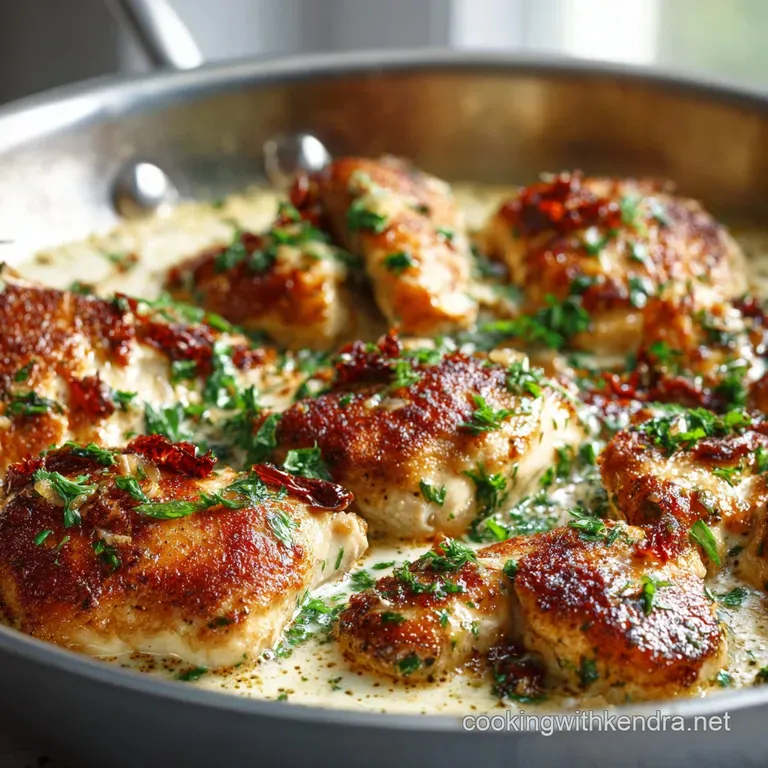
Get everything prepped sliced, minced, and measured before you turn on the heat. This dish moves fast once the pan is hot!
Stage 1: Achieving the Golden Crust
- Season and Dredge: Take those dried chicken cutlets and dredge them lightly in the seasoned flour mix. Shake off all the excess; we want a thin coating, not a thick batter.
- Heat the Pan: Set your skillet over medium high heat. Add the olive oil and 2 Tbsp of butter. Wait until the butter foams and the foam subsides slightly, indicating the fat is hot and ready.
- Sear: Place the chicken in the hot pan, leaving space between pieces. Sear for 3– 4 minutes, undisturbed, until a beautiful crust forms. Flip them, cook for 2– 3 minutes more until just undercooked (160°F / 71°C internal temp).
- Remove and Rest: Transfer all the seared protein to a plate and cover loosely with foil. This resting period is crucial for juicy results.
Stage 2: Deglazing and Building the Sauce Base
- Garlic Sauté: Reduce the heat to medium low. Add the remaining 2 Tbsp of butter. Add the minced garlic and dried herbs. Sauté for one minute, stirring constantly. The garlic should smell nutty and sweet, not look brown.
- Deglaze: Pour in the white wine (or extra stock). Use a wooden spoon to scrape up all those browned bits stuck to the bottom of the pan that is pure flavor magic! Let this liquid reduce by half, which concentrates the flavor.
- Stock: Pour in the chicken stock and bring it to a gentle simmer.
Stage 3: Simmering the Sauce to Richness and Reduction
- Add Cream: Pour in the heavy cream and let the sauce gently simmer on low heat for 3– 5 minutes. You are reducing the sauce slightly until it thickens just enough to coat the back of a spoon. Do not let it boil aggressively!
- Final Flavoring: Remove the pan completely from the heat source. Stir in the grated Parmesan cheese and the splash of lemon juice. Keep stirring until the cheese is totally melted and the sauce is perfectly smooth. Taste and adjust salt and pepper now.
Chef's Note: If you add the Parmesan while the sauce is actively boiling, the milk proteins often shock and clump, creating a grainy texture instead of that signature smooth finish. Always add cheese off the heat.
Stage 4: Finishing the Dish and Resting the Protein
- Return to the Sauce: Slip the seared chicken cutlets and any accumulated juices from the plate back into the creamy garlic sauce. The resting juices are liquid gold!
- Gentle Warm-Up: Simmer gently for 1– 2 minutes only, just enough to bring the protein temperature back up to a safe 165°F (74°C).
- Garnish and Serve: Garnish generously with fresh parsley and serve immediately, ideally with something starchy to mop up the extra sauce.
Professional Tips for Flawless Creamy Garlic Chicken
You asked for my mistakes, and here they are. Learn from my errors and nail this dish every time.
Problem: Crowding the pan during the searing stage. The Fix: You must cook the chicken in batches of four, even if it feels tedious. If the pan temperature drops, you get gray, tough chicken instead of golden, crispy cutlets.
Problem: The sauce is bitter or acrid. The Fix: Your garlic burned! Always keep the heat low when sautéing garlic and watch it like a hawk. Sixty seconds is often all you need.
If you see brown bits forming, pull the pan off the heat immediately and deglaze.
Problem: The sauce looks split, oily, or grainy. The Fix: You likely added the cheese or cream over high heat. The secret is low heat, high fat cream, and removing the pan from the burner before the final addition of Parmesan.
If it happens anyway, sometimes whisking in a tablespoon of cold stock can help re-emulsify it quickly.
Handling Leftovers: Storage, Reheating, and Freezing Guide
Safely Storing the Dish (Refrigeration)
Cream based sauces are best eaten fresh, but leftovers of this creamy garlic chicken are still fantastic. Store tightly sealed in an airtight container in the refrigerator. It is generally safe and delicious for 3 to 4 days.
Best Method for Reheating Cream Based Dishes
Never microwave this unless you want a sad, rubbery result and a split sauce. Reheat gently on the stovetop over low heat. Add a splash of fresh chicken stock or heavy cream to the pan first. This extra liquid helps the sauce stay cohesive and prevents the protein from drying out.
Can I Freeze Creamy Garlic Sauce?
The short answer is technically yes, but I don't recommend it. Heavy cream can separate and take on a grainy, strange texture once thawed, which totally destroys the velvety quality we worked so hard to achieve.
If you must freeze, remove the chicken first, thaw it slowly overnight in the fridge, and then reheat on the stovetop, whisking vigorously and potentially adding a fresh dollop of cream right at the end to save the texture.
Preparation Alternatives and FAQs
Troubleshooting a Broken or Thin Sauce
If your sauce is simply too thin after simmering, you have two options. Option A: Let it simmer longer, uncovered, to reduce naturally. Option B: Create a cornstarch slurry (1 tsp cornstarch mixed with 1 Tbsp cold water).
Remove the pan from the heat, slowly drizzle the slurry in while whisking, and return to a gentle simmer for 30 seconds until thickened.
The Secret to Non-Burning Garlic
Remember the rule: low heat and constant stirring. The second you smell the garlic not the burning butter, but the sweet garlic aroma it’s time to move to the deglazing step. Don't push it!
Why Resting the Seared Protein is Crucial
Meat contracts when exposed to high heat, squeezing all the internal moisture to the center. If you slice it right away, those juices flood out. Resting allows the protein fibers to relax and reabsorb those juices, leaving you with tender, incredibly juicy creamy garlic chicken breast every single time.
Perfect Pairings: What to Serve Alongside This Dish
This rich, luscious dish needs a simple counterpoint. I usually keep the sides straightforward to let the creamy garlic chicken shine.
- Simple Pasta: A good linguine or fettuccine works beautifully, tossed lightly with the sauce.
- Mashed Potatoes: Seriously, if you want peak comfort food, serve this over rich, buttery mashed potatoes. They are ideal for soaking up every last bit of that sauce. If you love ultimate comfort bakes, you might also like my Million Dollar Chicken: The Ultra Creamy Casserole Bake for Dinner .
- Roasted Asparagus or Green Beans: You need a pop of green! Roast the asparagus simply with olive oil, salt, and pepper until slightly tender crisp to cut through the richness.
Recipe FAQs
Why is my Creamy Garlic Sauce too thin or runny?
The sauce needs proper reduction time, which allows excess moisture to evaporate and fat globules to emulsify. Ensure your heat is maintained at a steady simmer after adding the cream, letting it bubble gently for 5 7 minutes until it coats the back of a spoon.
If necessary, you can whisk in a slurry made from one teaspoon of cornstarch mixed with two teaspoons of cold water until the desired thickness is achieved.
How do I prevent the chicken from becoming dry and tough?
The key is to sear the chicken quickly at high heat to achieve color, but avoid cooking it fully in the initial stage. Finish the chicken in the simmering sauce; this gentle braising method locks in moisture and infuses the meat with flavor.
Always use a meat thermometer to verify doneness, pulling the chicken from the heat as soon as it reaches 165°F (74°C).
Can I make this Creamy Garlic Chicken dish dairy-free?
Yes, you can substitute the heavy cream with full fat canned coconut milk (ensure it is unsweetened and well shaken) or a premium cashew cream base. For the savory parmesan element, substitute with nutritional yeast or a high-quality commercially available vegan parmesan substitute.
I don't have heavy cream. Can I use milk or half and-half instead?
While half and-half can be used, the resulting sauce will be thinner and more prone to separating under high heat compared to heavy cream's high fat content. Standard skim or whole milk should be avoided entirely, as the low-fat content means it will curdle easily when reduced or when mixed with acidic ingredients often used in pan sauces, like lemon juice or white wine.
How should I store leftovers and what is the best way to reheat them?
Stored in an airtight container, this dish is safe in the refrigerator for 3 to 4 days. Reheat gently on the stovetop over low heat to prevent the cream from splitting. As the sauce thickens significantly upon chilling, you may need to add a splash of chicken broth or extra cream during reheating to restore its velvety consistency.
Is it safe to freeze Creamy Garlic Chicken?
Freezing is generally discouraged for any dish where the primary component is heavy cream, as dairy tends to separate and adopt a grainy or watery texture upon thawing and reheating.
If freezing is necessary, we recommend cooking the chicken and garlic base without the cream, freezing that portion, and then preparing a fresh cream sauce when you are ready to serve the meal.
How can I make the garlic flavor more intense?
For a deeper, more mellow garlic intensity, increase the quantity of minced garlic that you gently sauté at the start of the sauce building process. If you prefer a sharper, more pronounced garlic flavor, stir in one small clove of fresh, grated raw garlic right at the end, just before you fold in the parmesan.
Pan Seared Creamy Garlic Chicken
Ingredients:
Instructions:
Nutrition Facts:
| Calories | 314 kcal |
|---|---|
| Protein | 13.7 g |
| Fat | 24.5 g |
| Carbs | 9.8 g |
