Pizza Hut Style Pizza: Master the Crispy-Edge Pan Crust
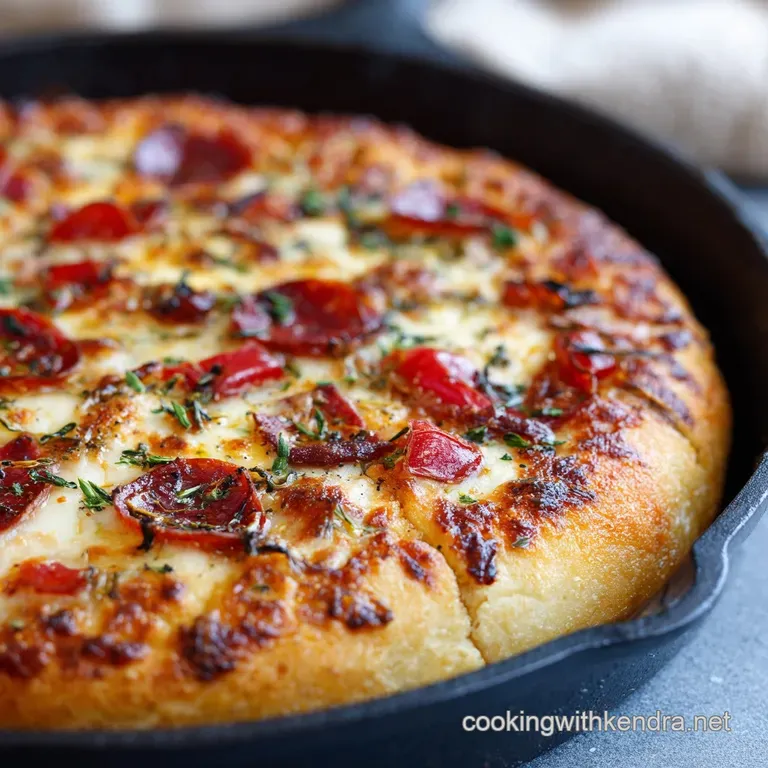
- Achieving Nostalgia: The Secret to Authentic Pizza Hut Style Pizza
- Essential Components for the Ultimate Pan Bake
- Mastering the Technique: Step-by-Step Guide to Baking Your Crispy Crust
- The Science of Texture: Why Our Dough Delivers That Signature Crunch
- Troubleshooting and Optimization: Chef's Tips for Pizza Hut Style Success
- Maximizing Shelf Life: Storage and Freezing Your Homemade Pizza
- The Perfect Pairing: What to Serve Alongside Your Deep-Dish Delight
- Recipe FAQs
- 📝 Recipe Card
Achieving Nostalgia: The Secret to Authentic Pizza Hut Style Pizza
That unmistakable smell hits you the moment it comes out of the oven. We’re talking about the rich, yeasty scent of a deeply browned crust mingled with the sharp aroma of sweet tomato sauce and aggressively melted cheese. This is pan pizza perfection, pure comfort food engineered for maximum flavor and crunch.
I’m sorry, but sometimes a thin, delicate Neapolitan pie just won't cut it. When the craving hits, you need that satisfying, pillowy, deep dish crust that you can really sink your teeth into.
This recipe is a lifesaver for Friday nights because it’s inexpensive, requires minimal skill (mostly patience!), and avoids the $40 takeout bill.
Forget the delivery driver waiting awkwardly at your door. We are going to make the Pizza Hut Style Pizza right here, focusing on the crucial techniques that transform simple dough into that iconic golden, crispy edged masterpiece. Let's crack on.
Decoding the Crispy Edge: What Makes This Pan Pizza Different?
The difference between standard homemade pizza and this glorious deep dish comes down to one thing: fat. We don't just oil the pan; we flood it. This heavy dose of oil allows the bottom and sides of the dough to essentially fry as they bake.
That fat transfer creates an unbelievably crispy texture underneath the soft, airy interior dough structure.
Why Friday Night Demands a Deep Dish: A Comfort Food Classic
I spent my entire childhood saving up allowance money just to grab a slice of this pizza, and that nostalgic flavor is impossible to beat. It’s dense, it’s chewy, and it holds up beautifully under a mountain of mozzarella and pepperoni.
If you need a feel good dinner that delivers maximum reward for minimum stress, this is absolutely your answer.
The Anatomy of Pan Pizza: Dough, Sauce, and Frico
This formula requires a slightly sweeter dough than usual, which helps it achieve that rapid, deep caramelization when it hits the hot oil. The sauce needs to be concentrated, not watery, otherwise you'll get a soggy bottom (and nobody wants that).
The final component, the frico , is crucial: that’s the term for the ring of fried, caramelized cheese that seals the crust edges, offering the perfect salty, crispy bite.
Beyond Delivery: Is Homemade Pizza Hut Style Better?
Yes, a thousand times, yes! Because you control the quality of the oil and the proofing process, the texture will be tighter, lighter, and more consistently crisp. Plus, you can load on exactly as much low-moisture mozzarella as your heart desires. It's truly a win-win situation.
Essential Components for the Ultimate Pan Bake
The Foundation: Choosing the Right Flour and Yeast for Pan Pizza Dough
If you want that perfect chewy interior the kind that resists a little when you bite you need high protein Bread Flour . The higher gluten content builds the strong scaffolding necessary to support this heavy, deep dish dough.
Instant yeast is easiest here; it doesn't need to be dissolved first, saving you a step when you're ready to mix.
Simple is Best: Building Flavor with Canned Tomatoes and Seasoning
We are aiming for that distinct, slightly manufactured but utterly delicious, concentrated tomato flavour. The secret is using a combination of tomato paste and a smooth passata, simmered with a touch of sugar and garlic and onion powder.
Do not use chunky canned tomatoes ; they hold too much moisture, leading straight to sogginess.
The Critical Role of Oil (and the Best Type to Achieve the Frico)
The recipe calls for a generous amount of oil for the pan and I mean generous. This isn't just about greasing; it’s about conduction and crisping. Olive oil gives a nice flavor, but use a standard, inexpensive olive oil here, or even melted vegetable shortening.
That expensive extra virgin oil will just smoke and lose its delicate flavor at 450°F (230°C).
Making It Work: Ingredient Swaps That Won't Compromise Texture
Look, things happen, and sometimes you don’t have exactly what the recipe calls for. Don't panic! Here are the safe substitutions that won't totally ruin your dreams of a perfect Pizza Hut Pan Pizza Recipe .
| Ingredient | Substitute Option | Compromise/Note |
|---|---|---|
| Bread Flour | All-Purpose Flour (Plain) | The crust will be slightly less chewy; handle dough gently. |
| Olive Oil (Pan) | Canola, Vegetable Oil, or Melted Shortening | These are neutral and over high heat resistant, focusing only on texture. |
| Tomato Passata | Canned Crushed Tomatoes (Peeled and Drained) | Must be blended smooth and simmered longer to remove excess water. |
Mastering the Technique: step-by-step Guide to Baking Your Crispy Crust
The process is simple, but the timing is non-negotiable if you want that proper Pizza Hut Dough Recipe Copycat result. The key is allowing enough time for the dough to relax and fill the pan naturally.
Trying to rush the pan proofing step will only result in the dough snapping back on you, giving you thick crust edges but a paper thin center.
Chef's Note: If you want truly complex, savory flavor, do the 12 24 hour cold ferment in the fridge. It’s absolutely worth the wait for developing maximum flavor depth in the crust.
- Develop the Dough: Use warm water (around 110°F) to ensure the yeast is happy and frothy. Knead for the full 8- 10 minutes. A stand mixer is brilliant for this, otherwise, your arms are going to get a workout!
- Pan Prep is Crucial: This is the make-or-break moment. Pour the full amount of oil into your 10 inch pan. It should look like a small puddle, fully covering the bottom and pooling slightly up the sides.
- The Gentle Press: When you place the dough in the oiled pan, only press it out to about 80% coverage. Cover and let it rest for 30 minutes, then press again to the edges. Repeat this process until the dough fills the pan without straining it. This gentle method ensures a soft interior crumb.
- The Final Proof: Let the dough rest in the pan for a full 1.5 to 2 hours at room temperature. It should look noticeably puffier and relaxed.
- Build and Bake: Spread the cooled, thick sauce, then the cheese. Make sure to press the mozzarella right up against the sides of the pan this is the magic touch that guarantees that signature frico edge. Bake at 450°F (230°C) on a lower rack for maximum bottom crisp.
The Science of Texture: Why Our Dough Delivers That Signature Crunch
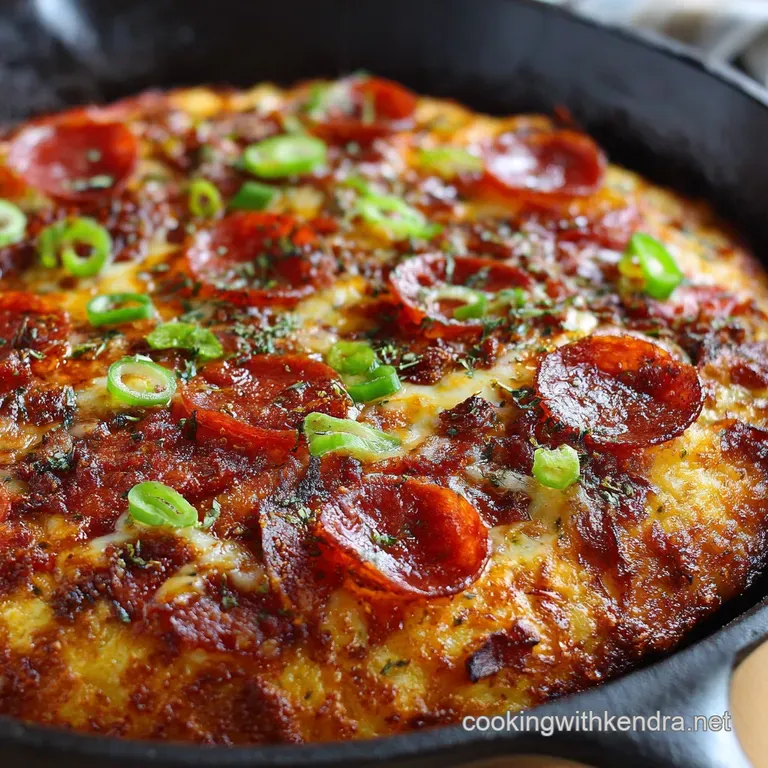
Initial Dough Hydration and Kneading Schedule
We use a relatively high hydration dough here, meaning more water relative to the flour. This keeps the interior incredibly light and fluffy, contrasting beautifully with the dense, crunchy outer shell.
If you skimp on the kneading, the gluten won't be strong enough to trap the yeast gases effectively, resulting in a dense, flat, and sad crust.
Stretching and Dimpling: Setting the Dough in the Oiled Pan
This isn't a toss and stretch situation. After the dough has been placed in the oiled pan, I like to gently press my fingers all over the surface (dimpling it slightly). This helps distribute the air bubbles and relaxes the dough structure.
If the dough starts fighting you or shrinking back, cover it and walk away for 15 minutes. It just needs a break.
Layering and Baking: Optimal Oven Temperatures for Crust Perfection
Baking this style requires high heat and bottom contact. If you bake this on the middle rack, the top will burn before the bottom crust properly crisps. Place the pizza directly on the lower third rack or even the bottom rack of your oven.
That direct heat transfer from the heavy pan is how you achieve the famous pizza hut style pizza crust .
The Frying Effect: How Oil Creates the Golden Base
The copious amount of oil used in this Pizza Hut Pan Pizza Recipe serves as an incredible heat sink. When the pan hits the 450°F oven, that oil rapidly heats up, essentially flash frying the bottom layer of the dough.
This process is key to getting that uniform, golden, and super crispy bottom.
Troubleshooting and Optimization: Chef's Tips for Pizza Hut Style Success
The Dreaded Soggy Bottom: Preventing Moisture Buildup
My worst early mistake was putting cold, watery sauce onto the dough. The water immediately transfers to the flour, turning the crust gummy. Always use cooled, reduced, and very thick sauce.
Also, ensure your toppings, especially pepperoni, are spread evenly and not clustered in one spot, which releases localized moisture.
Fixing the Dough: When Your Pan Pizza Doesn't Rise
If you follow the instruction to gently stretch and dimple, but the dough just won't expand during the final proof, your kitchen might be too cold. Yeast is sluggish below 70°F.
Try this little trick: heat your oven to its lowest setting (or just turn on the oven light), then turn it off and place your covered pan inside for 30 minutes.
Essential Equipment: Why Thickness Matters in Your Pizza Pan
You must use a pan with substance a cast iron skillet, or a thick, dark non-stick cake pan. Do not use a thin, shiny aluminum pan. Those thin pans don't retain heat evenly, and you’ll end up with burned spots on the edges and a pale, undercooked center.
Maximizing Shelf Life: Storage and Freezing Your Homemade Pizza
Reheating Leftover Pan Pizza for Maximum Crispness
Listen, never, ever microwave this pizza. It turns the crust rubbery and defeats the entire purpose of the How To Make Pizza Hut Pizza At Home effort. Place cold slices on a sheet pan and heat them in a 350°F (175°C) oven or toaster oven for 8 minutes.
The crust returns to its original crispy glory.
Best Practices for Freezing Unbaked Dough
Making a double batch of dough is a great idea. After the initial bulk fermentation (step 4), wrap the dough ball tightly in plastic wrap, then seal it inside a freezer bag. Label it and freeze it for up to 3 months.
Thaw it slowly in the fridge overnight, then let it come to room temperature for 30 minutes before starting the oiling and final pan proofing stage (step 8).
The Perfect Pairing: What to Serve Alongside Your Deep Dish Delight
Completing the Experience: Sides That Match This Rich Flavor Profile
Because this pizza is so rich and buttery, you need something sharp or fresh to cut through that intense flavor. A crisp green salad with a vinegar heavy dressing is the classic choice.
However, if you’re leaning into the comfort zone, pair it with something equally hearty but different in texture. We often serve this after a small, rich soup starter like our Italian Sausage Potato Soup: Creamy Zuppa Toscana Style, Easy 55 Minute Recipe . If you’re looking for another bread based, cheesy option that doubles down on the comfort, you absolutely need to check out my recipe for Garlic Bread Pizza: The Ultimate Cheesy, Pillowy Comfort . It’s a carb overload, but entirely necessary sometimes.

Recipe FAQs
How do I achieve that specific crispy, fried cheese edge (the 'frico')?
The "frico" crust requires two things: ample oil and ensuring the dough proofs fully in the pan. The oil heats up around the perimeter, effectively frying the edge of the dough and any cheese shreds that have touched the pan wall.
Use pre-shredded, low-moisture mozzarella, ensuring you push some cheese right to the edges after the sauce layer is applied.
Why is my pan pizza dough dense and not light/fluffy in the middle?
The most common culprit is insufficient proofing time. This dough, especially when cold fermented, needs 1.5 to 2 hours at room temperature for the final rise in the oiled pan before baking. Ensure you have allowed the dough to fully relax and puff up, as this traps the necessary air bubbles for a light interior crumb.
Can I make the dough ahead of time or freeze it?
Yes, the dough benefits greatly from a cold ferment; after the initial mix, you can place the covered dough ball in the refrigerator for 24-48 hours to deepen the flavor. If freezing, proof the dough halfway, then tightly wrap it and freeze for up to three months.
Thaw overnight in the fridge and complete the final room temperature proofing in the pan before topping.
Why is so much oil needed for this recipe compared to other pizza styles?
The generous amount of oil (usually 3-4 tablespoons per 10 inch pan) is critical for replicating the “Pizza Hut Style” signature texture. This oil prevents sticking, but more importantly, it heats up during baking to essentially fry the bottom crust.
This technique creates that characteristic golden brown, uniform crispy base while keeping the interior dough soft.
What is the ideal temperature and time for baking this specific deep dish crust?
A higher heat is necessary to properly set the crust and melt the cheese before the dough over bakes. Preheat your oven to 450°F (232°C) and bake the pizza low in the oven (or on a pizza steel/stone if using) for 15 to 20 minutes.
The high temperature ensures the exterior crisps perfectly while the center cooks through.
Can I use a regular thin baking sheet instead of a deep dish pan or cast iron skillet?
For true "pan pizza" results, a deep dish container (like a 9x13 or a heavy cast iron skillet) is essential. A standard thin baking sheet will not retain the necessary heat around the edges or provide the depth required for the thick, soft, chewy center crust.
Using a thin sheet will result in a much thinner, dryer crust that lacks the distinct rise.
Should I use raw tomato sauce or cook it first before topping the pizza?
For this specific deep dish recipe, a simple, concentrated, uncooked sauce is highly recommended. Cooking the sauce first can reduce its moisture content, which can lead to a drier top crust during the long bake time required for the thick dough.
Mix high-quality crushed tomatoes with seasonings and spread cold onto the proofed dough immediately prior to baking.
Pizza Hut Style Crispy Pan Pizza
Ingredients:
Instructions:
Nutrition Facts:
| Calories | 600 kcal |
|---|---|
| Fat | 35 g |
| Fiber | 4 g |
