Prime Rib Side Dish with Garlic Mashed Potatoes
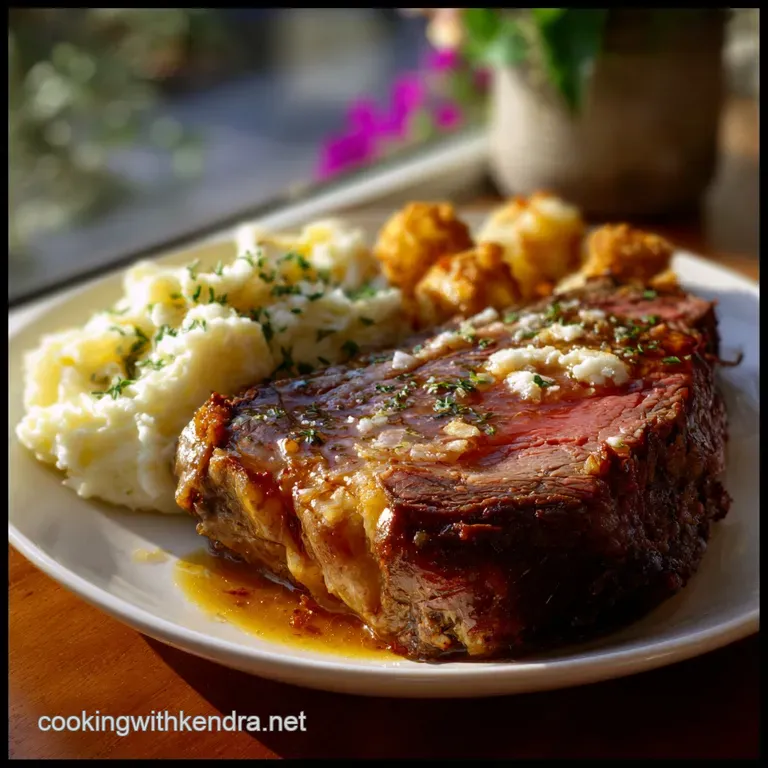
- Effort/Time: 45 minutes total (Low-effort prep)
- Flavor Hook: Smoked garlic meets zesty horseradish.
- Perfect for: Holiday gatherings and budget-conscious Sunday roasts.
- Architecting the Ultimate Prime Rib Side Dish with Garlic Mashed Potatoes
- The Physics of Fluffiness: Why This Method Wins
- Precision Timing and Thermal Benchmarks for Success
- Selecting the Building Blocks for Luxurious Texture
- Essential Tools for Mastering Professional Potato Textures
- The 45 Minute Workflow from Peel to Plate
- Solving the Starch Struggle: How to Avoid Gluey Mash
- Creative Flavor Profiles to Customize Your Feast
- Protocols for Freshness and Sustainable Kitchen Habits
- Curating the Perfect Vibrant Community Table
- The Math of Multiplication: Scaling for the Holidays
- Debunking Kitchen Folklore
- Unlocking Final Secrets for Effortless Entertaining
- Recipe FAQs
- 📝 Recipe Card
Architecting the Ultimate Prime Rib Side Dish with Garlic Mashed Potatoes
Hosting a large gathering often brings the stress of balancing high end proteins with affordable, crowd pleasing accompaniments. This recipe focuses on a delicious Prime Rib side dish featuring creamy garlic mashed potatoes.
We solve the common problem of heavy, gluey mash by manipulating starch through temperature control and smart hydration. You don't need expensive heavy cream to achieve a vibrant, luxurious result that complements a rich roast.
When we serve a massive cut of beef, the side dish must act as a functional palate cleanser while standing its own ground. By incorporating tangy non-fat Greek yogurt and a hint of pungent horseradish, we cut through the intense fat of the meat.
The vibrant green of fresh chives adds a visual pop that brightens the entire plate. This isn't just a filler; it is a structural component of the meal designed for the community table.
The secret to this budget smart version lies in the "steam dry" method and the use of low-sodium broth for depth. We move away from the traditional high fat dairy bomb in favor of a nuanced flavor profile.
The result is a velvety, mahogany flecked side dish that guests will assume required hours of labor and premium ingredients. Let’s break down the culinary physics that makes this possible.
The Physics of Fluffiness: Why This Method Wins
Traditional mashed potatoes often fail because the starch cells rupture, releasing amylose into the water and creating a sticky, glue like paste. We prevent this by using a "cold start" boiling method, which allows the potato cells to strengthen before the interior cooks.
This results in a cleaner break during the mashing process.
- Starch Retrogradation: By allowing the potatoes to steam dry for two minutes after boiling, we evaporate excess moisture, ensuring the potatoes absorb the butter and milk rather than becoming waterlogged.
- Emulsion Stability: Using 2% milk and Greek yogurt provides a stable emulsion that holds the fat from the grass fed butter in suspension, creating a silky mouthfeel without the grease.
- Aromatic Infusion: Roasting the garlic head transforms harsh, pungent sulfur compounds into sweet, mellow diallyl trisulfides, which permeate the mash more effectively than raw cloves.
Precision Timing and Thermal Benchmarks for Success
Achieving the right texture requires hitting specific checkpoints during the cooking process. Over boiling leads to a soggy mess, while under boiling prevents the necessary gelatinization of starches. Use these metrics to ensure your Prime Rib side dish with garlic mashed potatoes is consistent every time.
| Checkpoint | Target Metric | Visual/Sensory Cue |
|---|---|---|
| Initial Simmer | 100°C (Boiling) | Large, rolling bubbles; pungent potato aroma. |
| Doneness Test | 20 25 minutes | A paring knife slides in with zero resistance. |
| Steam Dry Phase | 120 seconds | Potatoes look dull and matte; no visible moisture. |
| Internal Temp | 98°C | Optimal for absorbing warm dairy infusions. |
The Stovetop vs. Oven Comparison
| Feature | Stovetop Method (Recommended) | Oven Roasting (Alternative) |
|---|---|---|
| Texture | Fluffy, light, and airy. | Dense, sweet, and caramelized. |
| Time | 25 minutes cooking. | 45 60 minutes cooking. |
| Budget | Low energy usage. | Higher energy/utility cost. |
Selecting the Building Blocks for Luxurious Texture
Choosing the right potato is non-negotiable for this Prime Rib side dish with garlic mashed potatoes. We use Yukon Gold because they possess a medium starch content and a naturally buttery flavor, which allows us to use less actual butter.
This is a smart budget swap that yields a more vibrant, golden color than starchy Russets.
| Ingredient | Chemical/Physical Role (Science) | The Pro Secret (Why This Matters) |
|---|---|---|
| Yukon Gold Potatoes | Medium amylopectin content for creaminess | Naturally yellow flesh mimics a high butter look. |
| Roasted Garlic | Maillard reaction products (Melanoidins) | Provides a deep, umami base without added salt. |
| Greek Yogurt | Lactic acid protein denaturation | Adds tang that cuts through beef fat richness. |
| Fresh Thyme | Volatile oil infusion (Thymol) | Brightens the earthy potato notes naturally. |
- 1.5 kg Yukon Gold Potatoes: Why this? Medium starch provides a creamy texture without the graininess of Russets.
- 60 g Grass fed butter: Why this? Higher beta carotene content for a richer flavor and color.
- 120 ml Low-sodium chicken broth: Why this? Adds savory depth (umami) without the expense of cream.
- 2 tbsp Prepared Horseradish: Why this? Provides a sinus clearing heat that balances the Prime Rib.
Essential Tools for Mastering Professional Potato Textures
To get that restaurant quality finish, your equipment matters as much as your ingredients. While a fork works in a pinch, these specific tools help manage the starch molecules effectively.
- Lodge Cast Iron Enamel Pot: Provides even heat distribution, preventing the bottom potatoes from scorching while the top ones remain raw.
- OXO Good Grips Potato Ricer: This is the "gold standard." It pushes the potato through small holes, separating the cells without crushing them into a gluey mess.
- KitchenAid Silicone Spatula: Essential for folding in the Greek yogurt and chives without overworking the starch.
- Microplane Grater: Used if you need to zest any citrus or finely grate the garlic if not roasting.
The 45 Minute Workflow from Peel to Plate
Follow these steps with precision. The timing of when you add the dairy is critical adding cold milk to hot potatoes will shock the starches and cause a grainy texture.
- Peel and cube 1.5 kg Yukon Gold potatoes into 2.5 cm uniform chunks. Note: Uniformity ensures all pieces reach gelatinization simultaneously.
- Place potatoes in a pot and cover with cold water. Note: Starting cold prevents the outside from disintegrating before the inside cooks.
- Add 1 tbsp Sea Salt and bring to a rolling boil for 25 minutes until a knife enters with no resistance.
- Roast the garlic head in foil at 200°C for 30 minutes until cloves are translucent and mahogany brown.
- Drain potatoes thoroughly and return them to the hot pot for 120 seconds until visible steam subsides and surfaces look matte.
- Warm the 120 ml milk and 60 g butter in a small saucepan until butter melts and tiny bubbles form at the edges.
- Pass potatoes through a ricer or food mill into a large bowl until a light, snowy pile forms.
- Whisk in the warm milk, butter, and broth until the liquid is fully absorbed and the mixture is velvety.
- Fold in 120 g Greek yogurt, smashed roasted garlic, and 2 tbsp horseradish until just combined.
- Garnish with 1 tbsp finely snipped chives and thyme leaves until the aroma of fresh herbs is released.
Solving the Starch Struggle: How to Avoid Gluey Mash
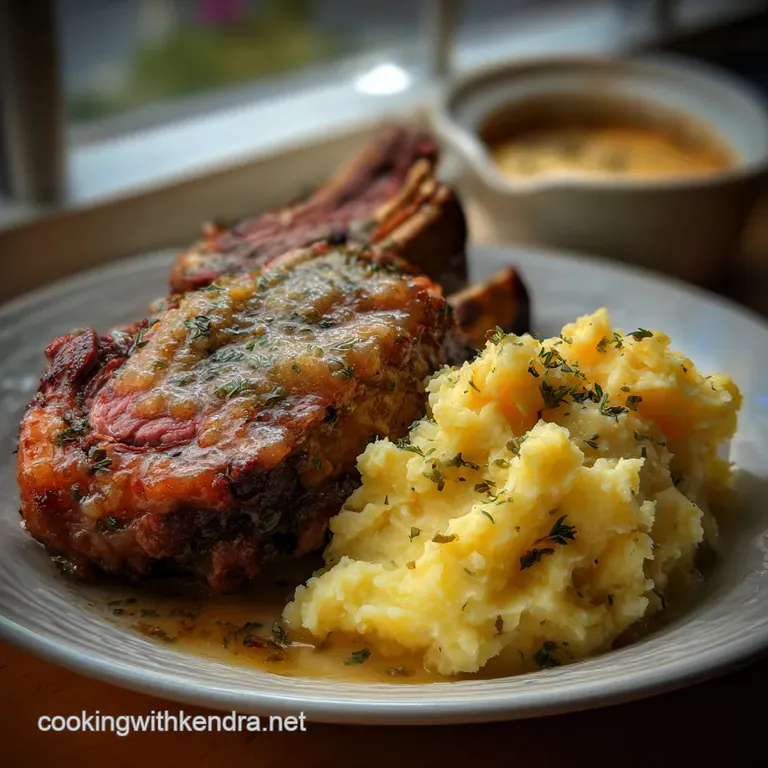
The most common failure in a Prime Rib side dish with garlic mashed potatoes is a gummy, sticky texture. This usually happens when you use a food processor or over mash with a hand mixer. Similar to the delicate balance required for a Green Bean Casserole recipe, texture is everything here.
Why Your Mash is Gummy
When potato cells are overworked, the cell walls rupture. This releases starch (amylose) which, when mixed with liquid, creates a literal edible glue. To fix this, always use a ricer and never use a high speed blade.
| Problem | Root Cause | The Fix | Pro Protocol |
|---|---|---|---|
| Gluey Texture | Ruptured starch cells from over mixing | Add a splash of warm milk; do not over whisk | Use a ricer or food mill only |
| Lumpy Mash | Uneven cooking or cold start skipped | Boil 2 3 mins longer; start with cold water | Cut potatoes into exact 2.5cm cubes |
| Watery Flavor | Potatoes absorbed too much boiling water | Steam dry in the hot pot for 2 full minutes | Always drain in a colander first |
Creative Flavor Profiles to Customize Your Feast
While the garlic and horseradish version is the standard accompaniment for beef, you can pivot the flavor profile based on your budget and pantry.
1. The Mediterranean Swap
Swap the butter for high-quality extra virgin olive oil and replace the chives with fresh rosemary. This version is dairy-free and offers a lighter, peppery finish.
2. The Sharp Cheddar Fold
If you have a bit of extra budget, fold in 100g of aged sharp cheddar. The protein in the cheese binds with the potato starch, creating a decadent, stretchy texture similar to the cheese sauce in our Baked Ziti recipe.
3. The Cauliflower Blend
For a lower carb option, replace 500g of the potatoes with steamed cauliflower florets. Blitz the cauliflower until smooth before folding it into the riced potatoes. You get the volume without the heavy starch load.
Protocols for Freshness and Sustainable Kitchen Habits
Managing leftovers is key to a budget smart kitchen. Potatoes can be tricky to reheat because the starch undergoes "retrogradation," where it turns hard and crystalline when cooled.
Fridge: Store in an airtight container for up to 3 days. To reheat, add a tablespoon of milk and heat on the stovetop over low heat, stirring constantly to re-emulsify the fats. Freeze: This recipe freezes surprisingly well due to the fat content in the butter and yogurt.
Freeze in individual portions for up to 2 months. Thaw in the fridge overnight before reheating.
Zero Waste Philosophy: Don't discard Potato Peels. Transform: Toss with oil and salt, then bake at 200°C until crispy.
Science: The skins contain the highest concentration of potassium and fiber; roasting creates a "chip" that is a perfect snack. Don't discard Garlic Skins. Transform: Add them to your next vegetable stock.
Science: The skins hold concentrated aromatics that add a golden hue and depth to broths.
Curating the Perfect Vibrant Community Table
When serving this Prime Rib side dish with garlic mashed potatoes, think about the plate's architecture. The creaminess of the potatoes should act as a base for the beef juices. This dish pairs excellently with a Creamy Lemon Chicken recipe if you are doing a "land and sea" or multi protein buffet.
"A great side dish doesn't compete with the main; it frames it. The horseradish in these potatoes acts as a bridge between the savory beef and the earthy potatoes." Chef Kendra
The 3 Bullet Decision Shortcut: If you want Maximum Fluff, use a ricer and Yukon Golds. If you want Maximum Tang, increase the Greek yogurt by 50g.
If you want make-ahead Ease, prepare them 4 hours early and keep them in a slow cooker on 'warm' with a splash of broth.
The Math of Multiplication: Scaling for the Holidays
When you are doubling this recipe for a party of 16, physics changes the rules. You cannot simply double the salt and spices without risking "flavor saturation."
- Flavor Saturation: Scale salt and horseradish to 1.5x initially. Taste after mixing, then add more if needed.
- The Evaporation Paradox: In a larger pot, the potatoes at the bottom can become crushed by the weight of those above. Use two separate pots to ensure even boiling.
- Thermal Mass: A double batch of mashed potatoes will hold heat much longer. If you are serving buffet style, this is a benefit, but be careful not to "scald" the dairy when mixing in large quantities.
- Pan Crowding: If you are roasting two heads of garlic instead of one, ensure they are not touching in the oven to allow for proper airflow and caramelization.
Debunking Kitchen Folklore
Myth: Adding oil to the boiling water prevents the potatoes from sticking. Truth: Oil just floats on top and does nothing for the potatoes. The "stickiness" is caused by starch release, which is only controlled by temperature and gentle handling.
Myth: You must peel potatoes after boiling for the best flavor. Truth: While some argue it preserves flavor, peeling before boiling allows the salt to penetrate the potato flesh more deeply, seasoning it from the inside out.
Unlocking Final Secrets for Effortless Entertaining
Can I make these a day in advance?
Yes, but they will thicken. Reheat them with an extra splash of warm broth or milk to bring back the velvety texture. Avoid the microwave if possible, as it can create "hot spots" that dry out the starch.
What if I don't have a potato ricer?
A heavy duty balloon whisk is your next best friend. Avoid the "masher" with large holes if you want a smooth texture. Whisking incorporates air, but be careful not to go too fast or you'll trigger the gluey starch reaction.
Why is there horseradish in the potatoes?
Horseradish is a traditional Prime Rib accompaniment. By folding it into the Garlic Mashed Potatoes, you ensure every bite has that classic flavor pairing without needing a separate sauce. It’s a budget smart way to simplify the plate.
Is this really a "healthier" version?
By using Greek yogurt instead of heavy cream and grass fed butter (which is higher in Omega-3s), we reduce the saturated fat while maintaining the "mouthfeel" of a luxury dish. The fiber from the Yukon Golds also provides better satiety. This is a balanced, vibrant way to enjoy a holiday classic.
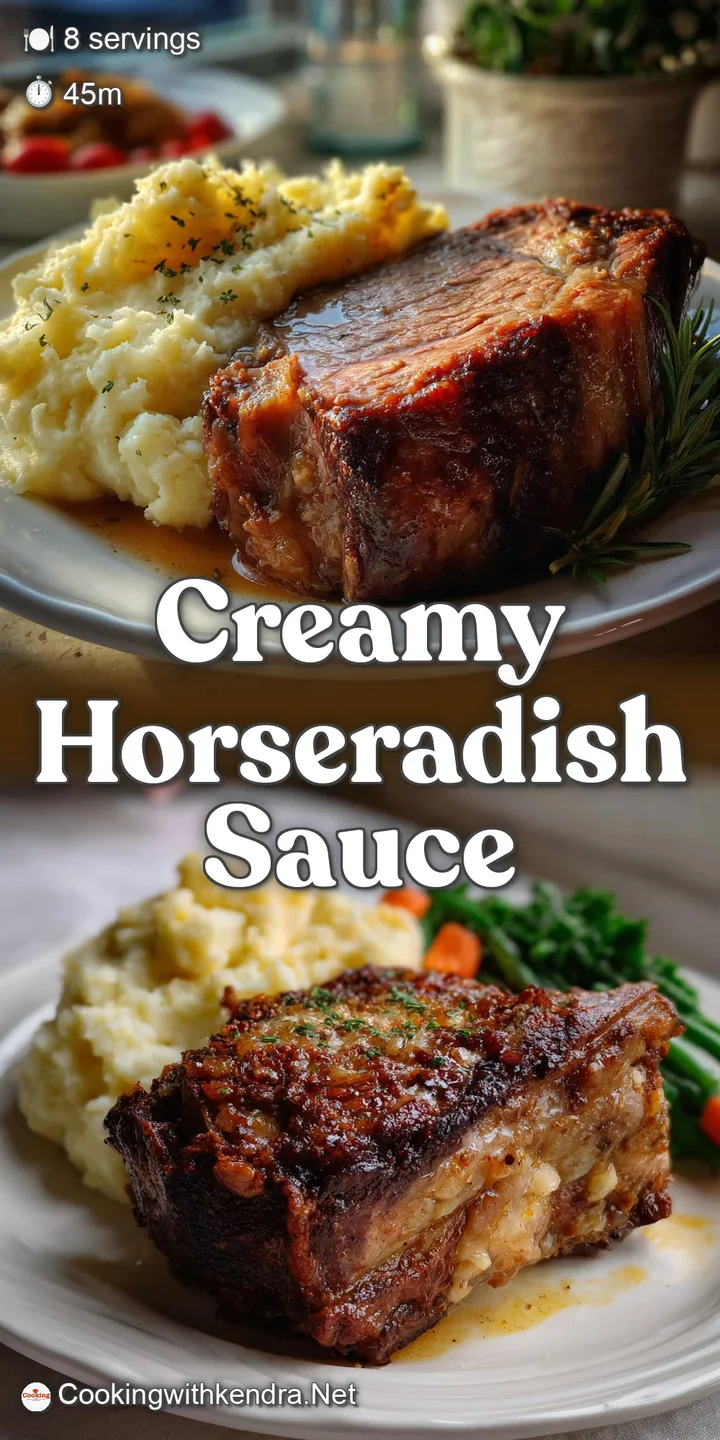
Recipe FAQs
Simple faqs for prime rib side dish with garlic mashed potatoes?
Steam dry potatoes 2 minutes after boiling. This evaporates excess water, ensuring potatoes absorb the dairy infusion rather than becoming gluey. This technique is crucial for velvety texture.
Best faqs for prime rib side dish with garlic mashed potatoes?
Use a potato ricer for airiness. A ricer gently separates starch cells without rupturing them, preventing the gluey texture common with over worked potatoes. If you enjoyed mastering texture control here, see how the same principle applies to stabilizing dough in our Cream Puffs Classic Profiteroles Recipe with Fluffy Vanilla Cream.
Simple sides for prime rib roast?
Roasted asparagus or glazed carrots. These offer brightness and minimal prep time, perfectly complementing the rich beef flavor. They require little active cooking time while the roast rests.
Simple prime rib dinner menu ideas?
Roast, potatoes, and crisp green beans. This trio offers classic textures and flavors that frame the main protein perfectly. For a slow cooked alternative to roasting the prime rib, check out similar low-and-slow techniques in our Italian Beef Stew Classic Spezzatino with Tender Braised Beef.
make-ahead sides for prime rib?
Garlic mashed potatoes can be refrigerated. Store for up to 3 days, reheating slowly with added milk to re-emulsify the starches. This makes day-of prep significantly faster for busy hosts.
Starch vs. Dairy: Which matters more for texture?
Starch handling dictates texture reliability. While dairy adds richness, the physics of starch cell rupture determines if the mash is fluffy or gluey. Gentle mixing prevents the release of amylose, which creates the sticky matrix.
Myth Buster: Must I use heavy cream for creaminess?
Myth: Heavy cream is mandatory for luxurious mash texture. Reality: We use Greek yogurt and warm low-fat milk, as the acid in yogurt helps stabilize the potato starch emulsion without adding excessive saturated fat.
Prime Rib Potatoes Side Dish
Ingredients:
Instructions:
Nutrition Facts:
| Calories | 226 kcal |
|---|---|
| Protein | 5.8 g |
| Fat | 6.8 g |
| Carbs | 36.2 g |
| Fiber | 4.1 g |
| Sugar | 2.1 g |
| Sodium | 485 mg |
