Smoky Tandoori Chicken: the Ultimate Indian Classic for Your Grill or Oven
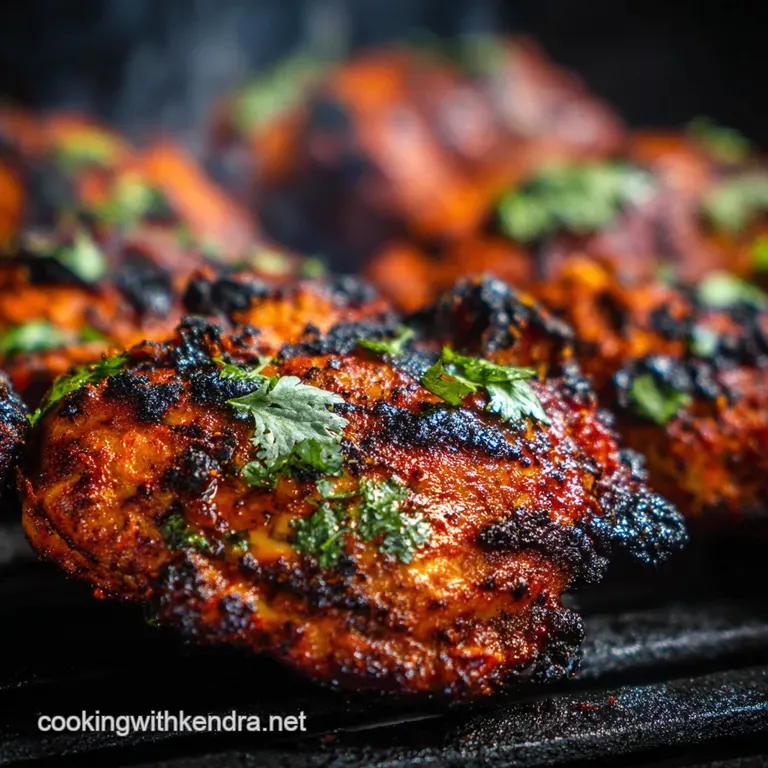
Unlocking the Restaurant and Quality Smoke of Authentic Tandoori Chicken
Okay, friend, let’s talk Tandoori. Seriously, I used to think the only way to get that vibrant colour, that smoky char, and that impossibly tender texture was to own a five and foot tall clay oven fired by charcoal. Spoiler alert: You don't need the clay oven. You just need extreme heat, deep cuts, and patience.
Lots of patience.
This is the real deal. No compromises on flavour. We're not making baked chicken here. We are making Winner Winner Chicken Dinner Tandoori style.
From Mughlai Royalty to Your Modern Kitchen: The Dish's Legacy
Tandoori Chicken isn't just a recipe; it's a foundation of Indian cuisine, originating from the Mughal Empire. It’s legendary for a reason. Traditionally, it’s always bone and in. Why?
Because bone and in meat handles the shock of high heat way better than breast meat, keeping everything juicy inside while the outside crusts up beautifully.
Think of that street food aroma. That intense flavour absorption. That’s what we are chasing in our oven or on our grill today. This recipe focuses on maximizing that deep, rich colour and guaranteeing tender results, even if your oven only goes up to 450°F (230°C).
The Essential Trick: Why Scoring the Chicken Matters
If you skip this step, I will know. Honestly, it makes all the difference. Scoring means taking a sharp knife and making three or four really deep slashes into the thickest parts of the chicken, going right down to the bone.
Why bother? Because the skin is gone, but we need pathways for the marinade. The Stage One acidic bath (lemon juice and salt) and the Stage Two yogurt blend must penetrate deep past the surface. If you don't score, you end up with perfectly seasoned skin but bland meat near the bone. We want flavour saturation.
Cut it up. Don't be timid.
Natural Colouring vs. Traditional Red Dye (And Why We Choose Natural)
You know that eye and popping, almost neon red Tandoori Chicken you see at some restaurants? That’s traditional food colouring (usually Allura Red). It certainly looks dramatic, but I stopped using artificial dyes years ago.
You can get an incredibly deep, rich red and orange hue naturally, and it tastes better. The secret weapon here is Kashmiri Chili Powder. It has a beautiful, saturated colour but a relatively mild heat. It’s the essential ingredient for that complex colour and mild spice level.
Crucial Colour Note: If you want the deepest red colour without the dye, don't skimp on the Kashmiri chili powder. It's truly mandatory for aesthetics and complexity.
If you can't find Kashmiri, use a combination of sweet paprika and a tiny pinch of cayenne. But trust me, try to source the Kashmiri. It’s brilliant.
Assembling Your Arsenal: Ingredients and Prep Tools
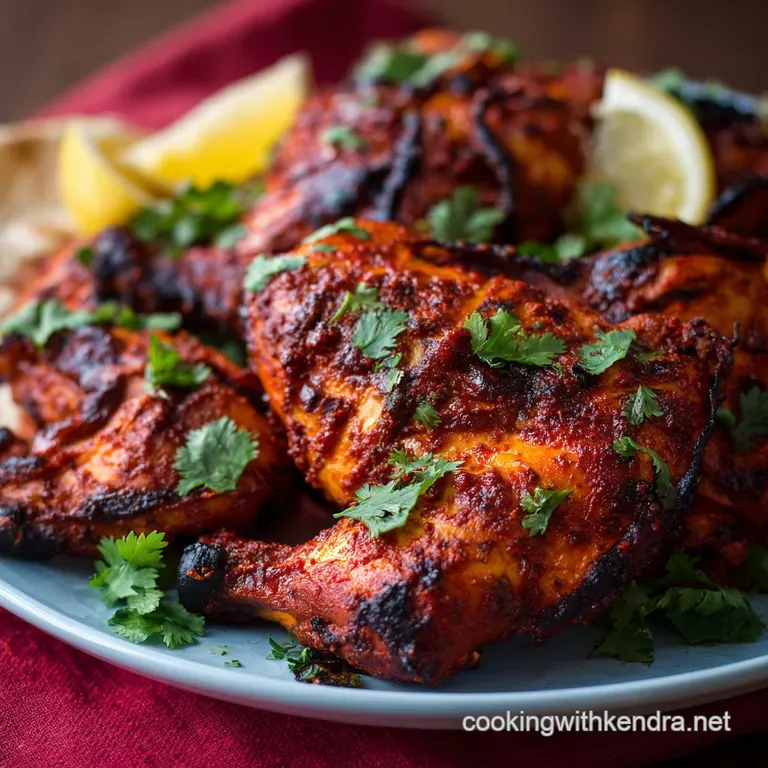
This whole recipe hinges on quality ingredients and high and fat content. This is not the time to look for low and fat dairy. Just embrace the richness.
Selecting the Perfect Chicken Cuts for Maximum Juiciness
We need chicken that can withstand over high heat warfare.
| Cut | Recommendation | Why It Works |
|---|---|---|
| Chicken Leg Quarters | Highly Recommended | Bone and fat keep the meat succulent and resist drying out under the broiler. |
| Boneless Thighs | Good Alternative | Faster cooking time, still plenty of fat and flavour. |
| Chicken Breast | Avoid (High Risk) | Too lean. Will likely dry out before you achieve a proper char. |
We are using large, bone and in leg quarters today. Always remove the skin before marinating, or the marinade just slides right off the fat.
The Flavor Base: Key Spices for the Signature Tandoori Marinade
This is where the magic happens. We’re building layers. You need standard stuff like ginger, garlic, turmeric, coriander, and cumin. But there are two non and negotiables:
- Garam Masala: This is the warming, aromatic blend. Use fresh stuff, not the jar that’s been sitting in your cupboard since 2017.
- Kasuri Methi (Dried Fenugreek Leaves): If you skip this, your Tandoori will taste fine, but it won’t taste authentic . Crush these dried leaves between your palms before adding them. They add an unforgettable, slightly bitter, savory depth. It’s essential.
Dairy and Acid: Mastering the Two and Stage Tenderizing Process
This is the actual science behind Tandoori Chicken. We use a two and stage marinade to get maximum flavour without turning the meat into mush (a risk if you use too much acid for too long).
Stage 1: Acid Bath. We use lemon juice and salt immediately after scoring the meat. This acid starts to break down the tough outer proteins. A quick 30 minutes in the fridge is all you need for this.
Stage 2: Yogurt Blanket. Once the acid has done its initial work, we introduce the yogurt. Yogurt is key because it contains lactic acid (gentle tenderizer) and fat.
The fat and thickness of the yogurt (use full and fat Greek or strained yogurt) adhere to the chicken, creating a protective coating that seals in the moisture and flavor compounds during over high heat cooking. It stops the chicken from steaming and helps it char instead.
Essential Kitchen Gear for over High heat Cooking
You need equipment that can handle extreme heat.
- A wire rack and sheet pan setup: You absolutely cannot let the chicken sit directly on a sheet pan. It will steam in its own juices and burn the marinade on the bottom. The wire rack allows air circulation and heat to hit the bottom of the chicken.
- A broiler (or a proper grill): If you’re using the oven, the broiler function is your best friend for achieving that beautiful, slightly blackened char in the last few minutes.
- Instant and read thermometer: I harp on this constantly, but seriously, stop guessing. Tandoori Chicken needs to hit 165°F (74°C) internally. Pull it out exactly then.
Related Recipes Worth Trying
- Skillet Chicken with Garlic Herb Butter Sauce: Easy 30-Minute Recipe — Skillet Chicken with Garlic Herb Butter Sauce is the ultimate weeknight winner. This easy skillet chicken recipe delivers restaurant quality flavor in just...
- Chicken Marsala Recipe RestaurantQuality Silky Sauce at Home — Chicken Marsala is the Italian classic you need Master this chicken marsala recipe with mushrooms featuring perfectly pan seared chicken cutlets and a rich...
- Chicken Salad The Creamiest Crunchiest Classic Recipe with Pecans — This is the Best Chicken Salad Recipe youll ever make Our healthy low carb version combines creamy mayo Greek yogurt fresh herbs and toasted pecans for the...
The Method: Creating Exceptional Tandoori Chicken at Home
Right then, let's crack on with the execution. Remember, this recipe requires planning. You cannot rush the long rest.
Stage One Marination: The Critical Acid Bath
After scoring the chicken pieces deeply, combine your lemon juice, salt, garlic paste, and ginger paste. Get your hands dirty and really rub this mix into every cut and crease of the chicken.
This is a quick, initial step. Cover it up and let it rest for a minimum of 30 minutes in the fridge. This first rest is short, but crucial. It opens the pathways for the flavor molecules coming next.
The Long Rest: Infusing Flavor During Stage Two
While the chicken is resting, mix all your Stage Two ingredients the yogurt, oil, Kashmiri chili, garam masala, turmeric, everything. Make sure it's thick and smells incredible.
Now, take the Stage One chicken and dump it into this beautiful yogurt mixture. Coat everything. Push the yogurt deep into the scored cuts. This is the flavor infusion process. Cover it tightly and back into the fridge it goes.
The ideal time here is 12 to 24 hours. Yes, a full day. You will lose some of the deep tenderness if you only marinate for four hours. Overnight is truly best for this classic.
Oven Roasting Techniques for That Signature Charred Finish
When you are ready to cook, preheat your oven to its absolute max setting (usually 450°F or 230°C). If you have a powerful broiler, line that rack high up.
Pull the chicken out of the marinade and arrange it on the wire rack.
DO NOT WIPE OFF THE MARINADE. The thick yogurt coating is what protects the chicken and chars beautifully. Excess marinade can drip, but leave the coating intact.
Start baking at the high temperature for about 10– 12 minutes. Flip the pieces, then cook for another 8– 10 minutes. If you want that black char and trust me, you do switch to the broiler (grill) for the last 3– 4 minutes, turning the chicken frequently.
Watch it like a hawk. Those edges should be crisp and blackened, not just brown.
The Smokeless Secret: Finishing the Chicken with Actual Smoke
This is the insider trick I learned from a chef friend. It gives you the tandoor aroma without the oven.
Once the chicken is cooked and resting, get a tiny piece of charcoal (like from a natural briquette). Light it until it’s glowing red hot (you can use your gas stove burner or a torch).
Place the hot coal in a tiny, heatproof metal bowl (like a measuring cup) inside your serving pot or sheet pan alongside the chicken. Drizzle half a teaspoon of ghee or oil over the coal to make it smoke heavily. Immediately cover the whole thing tightly with foil or a lid.
Let it smoke for 3 minutes. That smoky aroma is now infused into the chicken. It’s insane how much difference this small step makes.
Troubleshooting, Serving Suggestions, and Recipe Optimization
Preventing Dryness: Temperature Control and Internal Doneness Checks
The risk of over high heat cooking is, of course, dryness.
Your instant and read thermometer is your life insurance policy here. Do not rely on visual cues. The target temperature is 165°F (74°C). Once you hit that mark in the thickest part of the meat (avoiding the bone), pull it immediately. The residual heat will carry it slightly higher during the resting phase.
Right after you pull it, baste it generously with melted butter. This adds flavor and immediately helps lock in any surface moisture.
Speeding It Up: Air Fryer and Stovetop Adaptations
I get it. Sometimes you didn't plan 24 hours ahead. If you're using the minimum 4 hour marinade, here are ways to speed up the cooking.
- Air Fryer Method: This is great for crispiness. Set the air fryer to 400°F (200°C). Cook boneless thighs for 15 minutes or bone and in pieces for 20 minutes, flipping halfway. Check the internal temperature.
- Grilling: If you have a grill, use it! Preheat to medium and high (about 400°F / 200°C). Grill the chicken pieces over indirect heat first, then move them to the direct flame for the last few minutes to achieve the char.
- Stovetop (Less Ideal): You can use a very hot cast and iron skillet (lightly oiled) to sear marinated chicken pieces, then finish them in a 350°F (175°C) oven. You won't get the char, but the flavour will still be there.
Pairing Perfection: What to Serve Alongside Classic Tandoori Chicken
You need cooling agents to balance the spice and acidity.
- Raita: A cooling dip made of yogurt, grated cucumber, and mint. It’s non and negotiable.
- Naan: Warm, charred naan bread is perfect for soaking up the butter and chicken juices.
- Kachumber Salad: A super simple chopped salad (tomato, cucumber, red onion, lime juice, cilantro). It provides a necessary fresh crunch.
Storage and Reheating Tips for Leftovers
If you happen to have leftovers (it's rare, I know), Tandoori Chicken keeps beautifully in the fridge for up to three days in an airtight container.
To reheat, avoid the microwave. It’s guaranteed to dry the chicken out.
Instead, wrap the chicken loosely in foil and reheat in the oven at 350°F (175°C) until warm, or better yet, slice it up and quickly reheat the slices in a hot skillet for about 90 seconds to retain moisture. Leftover Tandoori Chicken is incredible sliced cold on a salad the next day, by the way. Just saying.
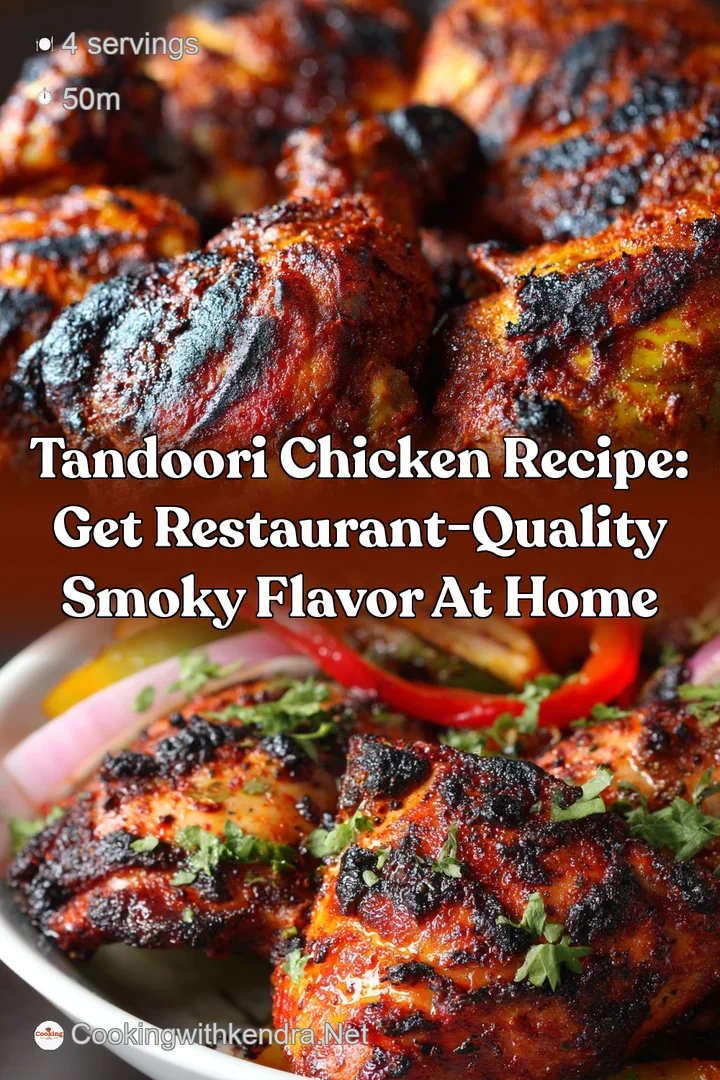
Recipe FAQs
I don't have a tandoor oven. How do I get that smoky char on my Tandoori Chicken at home?
The secret weapon is your oven's broiler (or "grill" setting in the UK); place the chicken high up under the element on its highest setting for the last 3 4 minutes to get that crucial, blistering char without overcooking the meat.
My chicken is delicious but lacks the vibrant red colour I see in takeaways. Am I missing a trick?
That stunning, deep red shade usually comes from high-quality Kashmiri Chili Powder, which provides colour without intense heat, or alternatively, a tiny pinch of traditional red food colouring is often used for maximum vibrancy.
Can I use chicken breast for this Tandoori Chicken recipe, or must I stick to the bone-in leg quarters?
While you can use breast meat, it’s prone to drying out under the necessary high heat, so we highly recommend sticking to bone-in leg quarters or thighs as the bone and fat content ensure a much juicier, spot-on result.
I need to make this dairy-free is there a reliable substitute for the yogurt marinade?
Absolutely; the key is using a thick, unsweetened substitute like coconut or soy yogurt, ensuring it provides the necessary acidity and body to cling to the meat and tenderize it just like traditional dairy yogurt.
I made too much! Can I safely store leftover Tandoori Chicken, and for how long?
Leftovers keep brilliantly; store them in an airtight container in the fridge for up to four days, or freeze the cooked chicken for up to three months, ensuring it is thoroughly reheated to 74°C (165°F) before serving again.
Proper Tandoori Chicken Recipe For Oven
Ingredients:
Instructions:
Nutrition Facts:
| Calories | 221 kcal |
|---|---|
| Protein | 20.0 g |
| Fat | 13.0 g |
| Carbs | 5.0 g |
