Easy Korean Lunchbox Idea for Quick | Speedy Meal Prep
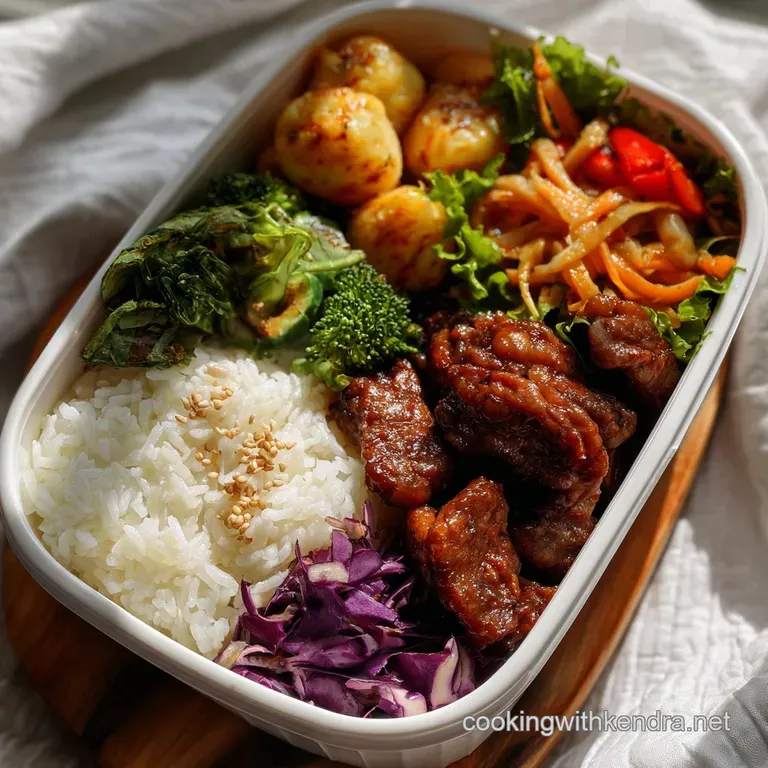
- Effort/Time: Low-effort assembly with a 15 minute active cook time.
- Flavor Hook: Salty-sweet bulgogi beef paired with nutty sesame rice balls.
- Perfect for: Busy professionals needing a grab-and-go lunch that resists staling.
- Designing the Perfect Easy Korean Lunchbox Idea for Quick
- The Molecular Synergy of Korean Flavor Architecture
- Technical Benchmarks for Your Midday Meal
- The Alchemy of Umami: Sourcing Superior Elements
- Precision Tools for High-Performance Home Cooking
- The Thermal Execution and Assembly Protocol
- Why Your Rice Crumbles and Meat Toughens
- Flavor Iterations and Nutritional Pivot Points
- Preservation Dynamics and Texture Retention Strategies
- Aesthetic Composition and Final Texture Refinement
- Recipe FAQs
- 📝 Recipe Card
Designing the Perfect Easy Korean Lunchbox Idea for Quick
We have all been there. You open your lunch container at noon only to find a sad, gray puddle of moisture and beef that has the structural integrity of a pencil eraser. I spent months packing lunches that looked great at 7:00 AM but turned into a soggy, unappealing mess by lunchtime.
I once ruined an entire week of prep by using long grain rice that refused to hold its shape, leaving me with a container of loose grains and rubbery meat.
The secret to a successful Easy Korean Lunchbox Idea for Quick meals isn't just about the recipe; it is about engineering for delayed consumption. We are looking for a specific synergy between protein denaturation and starch gelatinization.
When you nail the sear on your beef and the moisture content of your rice, you create a meal that tastes as vibrant at your desk as it did in the Lodge Cast Iron Skillet.
This masterclass focuses on the Easy Korean Lunchbox Idea for Quick through the lens of thermal stability. We are going to use the Maillard reaction to lock in flavor and utilize short grain rice's high amylopectin content to ensure your rice balls (Jumeok bap) stay "shatter proof" yet tender.
Let's stop settling for mediocre desk lunches and start building better flavor architecture.
The Molecular Synergy of Korean Flavor Architecture
- Amylopectin Adhesion: Using 2 cups cooked Korean short grain rice is vital because its high amylopectin levels create a sticky, branched starch network that holds its shape without becoming a dense block.
- Maillard Reaction Optimization: The 1 tbsp brown sugar in the marinade doesn't just add sweetness; it acts as a catalyst for browning, allowing the 300g beef sirloin to develop a deep, mahogany crust in mere minutes.
- Cellular Osmosis Control: Sweating the Persian cucumber with 0.5 tsp salt draws out excess water through osmotic pressure, ensuring the vegetable remains "snap crisp" and doesn't leak fluid into the rice.
- Enzymatic Tenderization: Garlic and ginger contain proteolytic enzymes that begin breaking down the beef's connective tissue during the brief marinade, resulting in a velvety mouthfeel.
Technical Benchmarks for Your Midday Meal
Creating an Easy Korean Lunchbox Idea for Quick requires precision. This recipe yields 2 servings, making it ideal for a couple's meal or two days of personal prep.
| Metric | Value |
|---|---|
| Prep Time | 20 minutes |
| Cook Time | 15 minutes |
| Total Time | 35 minutes |
| Yield | 2 Servings |
| Serving Temp | Room Temperature or Warm |
This Idea for Quick meals is designed to be eaten at room temperature, which is why the fat content must be managed carefully. We use 1 tbsp toasted sesame oil for flavor and lubrication without the greasy residue found in heavier oils.
The Alchemy of Umami: Sourcing Superior Elements
Ingredient Chemistry Breakdown
| Ingredient | Chemical/Physical Role (Science) | The Pro Secret (Why This Matters) |
|---|---|---|
| 300g Beef Sirloin | Myoglobin and protein denaturation | Thin slicing increases surface area for maximum Maillard reaction and faster heat transfer. |
| 2 tbsp Soy Sauce | Glutamate rich umami booster | Provides the salt needed for protein seasoning while the amino acids deepen the savory profile. |
| Korean Short Grain Rice | High amylopectin starch | Creates the necessary "stick" for rice balls; long grain rice lacks the molecular branches to hold. |
| Toasted Sesame Oil | Volatile aromatic compound | Acts as a hydrophobic barrier on rice to prevent it from drying out or absorbing too much ambient moisture. |
Selecting Your Elements
- 300g beef sirloin, very thinly sliced: Why this? Sirloin offers the ideal lean-to-fat ratio for quick searing without excessive rendered grease. Use a sharp Wüsthof Chef's Knife to slice while slightly frozen for paper thin results.
- 2 cups cooked Korean short grain rice, warm: Why this? Short grain rice contains the starch structure needed for Jumeok bap assembly.
- 2 tbsp soy sauce: I prefer Lee Kum Kee Premium Soy Sauce for its consistent salinity and deep color.
- 1 tbsp toasted sesame oil: Look for Kadoya brand; it has a higher smoke point than unrefined oils and a more pungent, nutty aroma.
- 1 clove garlic, minced: Freshly minced garlic releases allicin, providing a sharp bite that offsets the sugar.
- 1 sheet dried seaweed (Nori/Gim), crushed: Adds a "shatter" texture and oceanic saltiness.
- 1 Persian cucumber, sliced into rounds: Why this? Thin skins and low seed counts prevent the lunchbox from becoming watery.
- 1 tbsp brown sugar: Provides the glucose necessary for rapid caramelization.
Precision Tools for High Performance Home Cooking
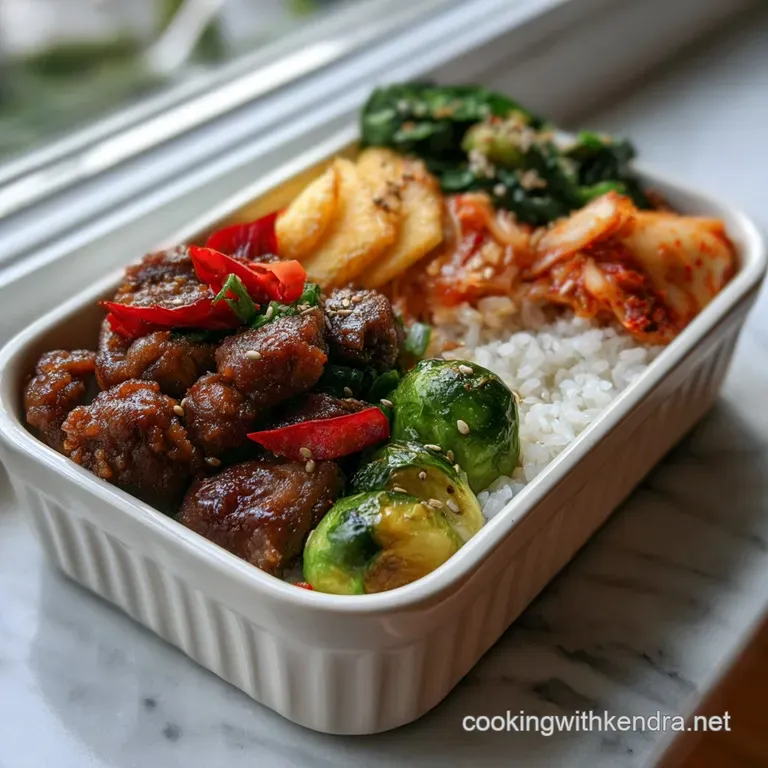
To execute this Easy Korean Lunchbox Idea for Quick, your equipment must facilitate rapid heat recovery.
- Lodge Cast Iron Skillet: Essential for the beef. Its high thermal mass prevents the temperature from dropping when the 300g beef sirloin hits the pan, ensuring a sear rather than a steam.
- Zojirushi Rice Cooker: Provides consistent starch gelatinization. If you are a fan of great rice, you know this is the gold standard for achieving that "pearly" texture.
- Large Stainless Steel Mixing Bowl: For the rice ball assembly. It allows for rapid cooling and even distribution of the 1 tbsp roasted sesame seeds.
- Japanese Mandoline: For the Persian cucumber rounds. Consistency in thickness (1.5mm) ensures even salt absorption during the sweating process.
The Thermal Execution and Assembly Protocol
This Easy Korean Lunchbox Idea for Quick relies on a specific sequence to maintain ingredient integrity. For more inspiration on efficient meal prep, you might enjoy my Slow Cooker Spaghetti recipe.
1. Marinate and Prep
Whisk the 2 tbsp soy sauce, 1 tbsp brown sugar, 1 tbsp toasted sesame oil, minced garlic, and grated ginger in a bowl. Add the 300g beef sirloin. Note: The salt in the soy sauce begins the process of protein denaturation, allowing flavor to penetrate deeper into the fibers.
2. Searing the Protein
Heat your Lodge Cast Iron Skillet over high heat until it wisps smoke. Add the beef in a single layer. Sauté for 3 minutes until the edges are charred mahogany and the liquid has evaporated into a glossy glaze.
3. Vegetable Dehydration
Toss the Persian cucumber rounds with 0.5 tsp salt. Let sit for 10 minutes until the slices are pliable and a small pool of water forms at the bottom of the bowl. Rinse and pat bone dry. Toss with 1 tsp rice vinegar.
4. Flavoring the Rice
Place the 2 cups cooked Korean short grain rice in a bowl. Add 1 tsp sesame oil, 0.5 tsp sea salt, and the crushed sheet of dried seaweed. Mix using a folding motion until the grains are evenly coated and the aroma of toasted nuts is prominent.
5. Assembling the Rice Balls
Wet your hands slightly to prevent sticking. Take 2 tablespoons of rice and compress firmly. Rotate and squeeze for 30 seconds until the ball feels structural and does not crumble when lightly pressed.
6. Final Box Assembly
Arrange the rice balls on one side of your container. Place the seared beef in the center. Add the cucumber salad to a separate compartment until the box looks vibrant and balanced.
7. Finishing Touches
Sprinkle the 1 tbsp roasted sesame seeds over the beef and rice. Add the chopped green onion for a final hit of fresh sulfurous flavor.
8. Cooling Phase
Leave the lid off for 5 minutes until the steam subsides and the internal temperature of the beef reaches room temperature. This prevents condensation from making the seaweed soggy.
Why Your Rice Crumbles and Meat Toughens
A common pitfall in this Lunchbox Idea for Quick Meals is the rice falling apart. This usually happens due to moisture loss or incorrect grain selection. Much like the precision needed for a Homemade Au Jus recipe, the balance of liquid and solids is everything.
Why Your Rice Balls Shatter
When rice is too cold or too dry, the starch molecules crystallize (retrogradation), losing their "sticky" branched structure. If the rice is under hydrated during the cooking phase, there isn't enough gelatinized starch to act as a biological glue.
| Problem | Root Cause | The Fix | Pro Protocol |
|---|---|---|---|
| Rice balls fall apart | Retrogradation of starch | Use warm rice (around 100°F) | Squeeze rice firmly 5 6 times to activate surface starches |
| Beef is tough/dry | Over coagulation of proteins | Pan wasn't hot enough, leading to long cook times | Sear on MAX heat; remove as soon as color changes |
| Cucumber is soggy | Osmotic failure | Skipping the "sweat and dry" step | Use a paper towel to squeeze every drop of moisture out |
Flavor Iterations and Nutritional Pivot Points
This Korean Lunchbox Idea for Quick Meals is a versatile template. You can adjust the protein or the "stick" factor based on your dietary needs.
Plant Based Swap
Replace the 300g beef sirloin with firm tofu pressed for 20 minutes. Why this? Tofu has a high porous surface area that absorbs the soy-ginger marinade similarly to beef. Note: Tofu will not brown as deeply without additional oil.
Spicy Kick (Jeyuk style)
Add 1 tbsp Gochujang (Korean chili paste) to the marinade. This adds a fermented depth and a lingering heat. This version pairs excellently with a cooling drink, such as learning How to Make recipe for banana milk to balance the spice.
Grain Alternatives
| Original Ingredient | Substitute | Why It Works |
|---|---|---|
| Short Grain Rice | Quinoa (mixed with 20% rice) | Quinoa alone won't stick; the rice starch provides the necessary glue. |
| Beef Sirloin | Chicken Thighs | Higher fat content keeps the meat "velvety" even when eaten cold. |
| Soy Sauce | Tamari | A 1:1 gluten-free alternative with a slightly saltier profile. |
Preservation Dynamics and Texture Retention Strategies
Storage is where most Idea for Quick Meals fail. To maintain the "Masterclass" quality, follow these strict timelines.
- Storage: Keep in an airtight Glasslock container in the fridge for up to 3 days. The rice will harden slightly due to starch retrogradation.
- Freezing: Not recommended for the cucumber salad (cells will rupture and turn to mush). However, the marinated beef can be frozen raw for up to 3 months.
- Reheating: If you must reheat, do so at 50% power in the microwave for 1 minute 30 mins. Place a damp paper towel over the rice balls to re-introduce moisture and soften the starch.
💡 ZERO WASTE PHILOSOPHY: Don't discard green onion roots. Transform: Place them in a jar of water on your windowsill to regrow. Science: The basal plate contains meristematic tissue that allows for rapid regeneration with just light and water.
Aesthetic Composition and Final Texture Refinement
When assembling your Easy Korean Lunchbox Idea for Quick, think about the sensory experience of the first bite. The contrast between the "shatter" of the roasted sesame seeds and the "velvety" texture of the beef is what makes this meal addictive.
Chef's Note: If your rice balls feel too sticky while rolling, keep a small bowl of water mixed with a pinch of salt nearby. Lightly dampening your palms prevents the starch from adhering to your skin instead of the ball.
The Easy Korean Lunchbox Idea for Quick is more than just food in a box; it is a calculated balance of hydration, temperature control, and umami. By focusing on the science of short grain rice and the over high heat mechanics of sirloin, you ensure that your lunch is the highlight of your day, not a soggy afterthought.
Grab your Lodge Cast Iron Skillet and start prepping your future self will thank you.
Recipe FAQs
What is the single most important rice choice for this lunchbox?
Korean short grain rice. Its high amylopectin content creates the necessary branched starch network for structural integrity when compressed into balls. Long grain varieties lack this adhesive quality.
Can I prepare all components the night before?
Yes, but moisture management is key. Prepare the beef and rice fully, but salt and prep the cucumbers right before packing to preserve their cellular crispness. If you master controlling moisture in dressings, you'll excel here.
Why does my beef taste dry after cooling?
Searing temperature was too low, causing slow coagulation. Insufficient heat leads to protracted cooking times, forcing water out of muscle fibers and toughening the protein structure.
- Use a cast iron skillet
- Ensure pan is smoking before adding meat
- Do not overcrowd the surface area
Is it possible to substitute the beef with a plant based protein?
Yes, use pressed extra firm tofu. Tofu absorbs marinades effectively due to its porous structure, similar to how meat accepts flavor during the initial cure in my [Creamy Garlic Butter Chicken: The 35-Minute Weeknight Comfort Classic] preparation. Remember to press out excess water first.
Does the sugar in the marinade burn easily?
Myth: Adding sugar guarantees scorching ruins the meal. Reality: The 1 tbsp of brown sugar promotes rapid Maillard reaction browning at high heat for optimal crust development, reducing overall cooking time necessary to achieve flavor.
What is the best temperature for rolling the rice balls?
Warm, slightly above body temperature. Rice that is too hot causes steam burns, while completely cold rice has undergone retrogradation, reducing its natural stickiness. If you are learning thermal stability in cooking, this concept applies to batters too.
Should I use salted or unsalted butter for flavor adaptation?
Use unsalted butter if adapting flavor profiles. Salted butter introduces inconsistent sodium levels depending on the brand, complicating the balancing of the marinade's soy sauce and sugar ratio. Unsalted butter provides a clean slate for precise seasoning control.
Quick Korean Bento Lunch Solution
Ingredients:
Instructions:
Nutrition Facts:
| Calories | 642 kcal |
|---|---|
| Protein | 38.6 g |
| Fat | 24.5 g |
| Carbs | 63.2 g |
| Fiber | 2.1 g |
| Sugar | 7.4 g |
| Sodium | 1380 mg |
