Tuna in a Salad Recipe: Flaky & Zesty
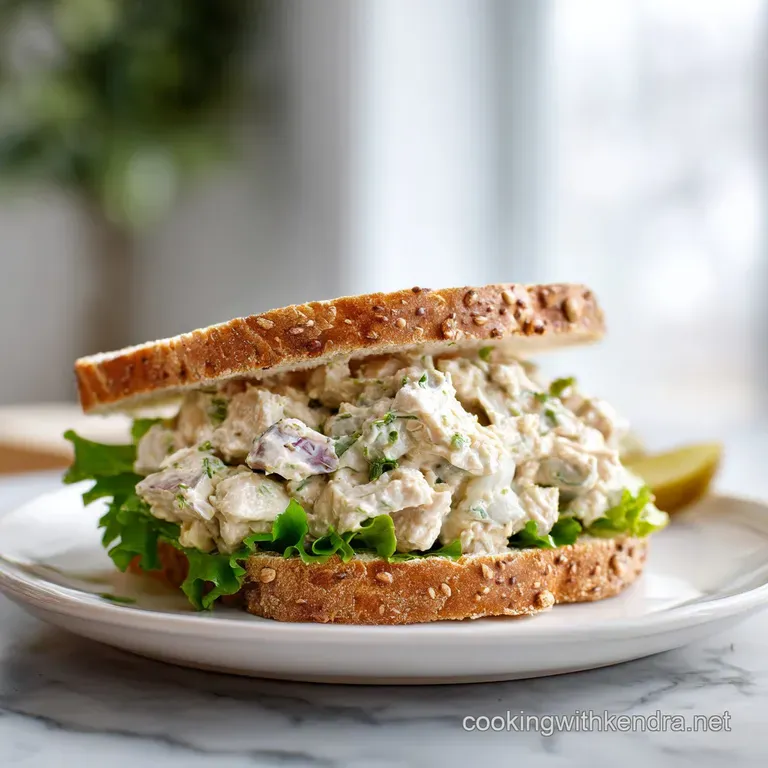
- Time: Active 10 minutes, Passive 0 minutes, Total 10 minutes
- Flavor/Texture Hook: Flaky albacore paired with a velvety dressing and the sharp snap of diced celery.
- Perfect for: Quick weeknight lunches, budget conscious meal prep, or a reliable family staple.
- Making the Best Tuna in a Salad Recipe
- The Science of Crunch and Creamy Textures
- Cooking Times and Nutritional Breakdown at a Glance
- Selecting the Right Components for Every Budget
- Simple Kitchen Tools for Faster Prep Work
- Mastering the Mix with Easy Assembly Steps
- Solving Common Texture and Flavor Balance Issues
- Swaps for Healthy Tuna Pasta Salad Recipe Ideas
- Storage Guidelines and Using Every Scrap
- Serving Suggestions for Family Lunches and Picnics
- High in Sodium
- Recipe FAQs
- 📝 Recipe Card
Making the Best Tuna in a Salad Recipe
You know that specific "click whirr" sound of a manual can opener? For me, it’s the sound of a rainy Tuesday afternoon when the fridge looks bare, but I’m craving something that feels like a real meal. I used to just dump a can of tuna into a bowl, stir in a massive glob of mayo, and call it a day.
It was fine, but it was also kind of sad, watery, and honestly, a bit boring.
Everything changed when I started treating this like a real dish rather than an afterthought. I started playing with the "crunch factor" and realized that the secret isn't more mayo, it’s better contrast.
Now, whenever I pull out a tin of albacore, I’m thinking about how to get that perfect "snap" from the celery and that briny kick from the capers. It’s the kind of comfort food that makes you actually look forward to lunch.
We've all had those soggy sandwiches where the bread turns to mush before you even take a bite. This version is designed to stand up to the bread (or the cracker, or the lettuce cup). We’re going for big flakes of fish, perfectly diced eggs, and a dressing that coats everything without drowning it.
Trust me, once you try it with the Dijon and lemon juice, you’ll never go back to the plain stuff.
The Science of Crunch and Creamy Textures
Understanding how these basic ingredients interact is what separates a soggy mess from a masterpiece. It isn’t just about mixing things in a bowl; it’s about managing moisture and fat.
- Emulsion Stability: The Dijon mustard acts as a natural emulsifier, helping the avocado oil mayo and lemon juice bind together into a velvety sauce that won't break or leak water.
- Osmotic Pressure: Salt draws moisture out of vegetables; by mixing the dressing separately before adding the celery and onion, we keep the aromatics crisp for a longer period.
- Protein Denaturation: Using cold tuna straight from the fridge keeps the muscle fibers firm, which allows for larger, satisfying flakes rather than a pulverized paste.
- Acid Fat Equilibrium: The citric acid in the lemon juice cuts through the heavy lipids in the mayo and egg yolks, brightening the flavor profile and preventing a "filmy" mouthfeel.
| Component | Fresh Choice | Shortcut Option | Outcome Shift |
|---|---|---|---|
| Protein | Canned Solid White Albacore | Canned Chunk Light Tuna | Chunk light is softer and has a stronger "fishy" flavor; albacore stays flakier. |
| Aromatics | Fresh Red Onion & Celery | Dried Onion Flakes & Celery Salt | Shortcuts lose the vital "crunch" and provide a more muted, salty flavor profile. |
| Acid | Fresh Squeezed Lemon | Bottled Lemon Juice | Bottled juice often has a metallic aftertaste; fresh provides a floral, bright aroma. |
When you're trying to save a few dollars at the grocery store, leaning on pantry staples is a total win. While fresh is usually king, knowing how to balance your Tuna and Sweetcorn Pasta recipe or this classic salad with smart swaps ensures you never have a dull meal.
Cooking Times and Nutritional Breakdown at a Glance
Since this is a no cook recipe, the "timing" is all about your knife skills and organization. I like to get my eggs boiling while I prep the rest, though for this specific 10 minutes total time, we're assuming you've got those eggs ready to go.
| Ingredient | Science Role | Pro Secret |
|---|---|---|
| Albacore Tuna | Structural Base | Drain it until it's "bone dry" to prevent a watery dressing. |
| Avocado Oil Mayo | Lipid Binder | Use room temp mayo for easier whisking with the mustard. |
| Dijon Mustard | Flavor Sharpener | The vinegar content adds a hidden layer of tang that regular mustard lacks. |
| Hard Boiled Eggs | Texture Contrast | Dice them while slightly chilled to keep the yolks from crumbling into dust. |
The beauty of this dish is how much protein you get for very little effort. With over 50 grams of protein per serving, it’s a powerhouse that keeps the family full until dinner. It's one of those recipes where the nutrition actually matches the satisfying taste.
Selecting the Right Components for Every Budget
Building a great tuna in a salad recipe doesn't require a trip to a specialty market. Most of these items are already in your pantry or are very affordable at any local shop.
- 12 oz canned solid white albacore tuna, packed in water: Why this? Albacore has a mild flavor and firm texture that holds up to mixing. (Substitute: Chunk light tuna for a budget friendly, softer texture).
- 2 large hard boiled eggs, diced: Why this? They add creamy richness and extra protein to the mix. (Substitute: Chickpeas for a different kind of bite).
- 1/2 cup celery, finely diced: Why this? Provides the essential "shatter" crunch in every single bite. (Substitute: Diced cucumber with the seeds removed).
- 1/4 cup red onion, minced: Why this? Adds a sharp, pungent bite that balances the rich mayo. (Substitute: Scallions or shallots for a milder flavor).
- 2 tbsp fresh Italian parsley, chopped: Why this? Brings a necessary earthy freshness to the heavy protein. (Substitute: Fresh dill or cilantro).
- 1 tbsp capers, drained: Why this? These little salt bombs provide pops of briny flavor. (Substitute: Finely chopped green olives or dill pickles).
- 3 tbsp avocado oil mayo: Why this? A clean tasting fat source that binds the salad beautifully. (Substitute: Greek yogurt for a tangier, lower fat option).
- 1 tbsp Dijon mustard: Why this? Adds depth and helps the dressing stay perfectly emulsified. (Substitute: Spicy brown mustard).
- 1 tbsp fresh lemon juice: Why this? The acid wakes up all the other flavors instantly. (Substitute: Apple cider vinegar).
- 1/2 tsp cracked black pepper: Why this? Freshly cracked provides a floral heat that pre ground lacks.
- 1/4 tsp sea salt: Why this? Enhances the natural flavors of the fish and aromatics.
Chef's Tip: If the red onion feels too "loud" or sharp, soak the minced pieces in cold water for 5 minutes then drain. This removes the sulfurous bite while keeping the crunch.
Simple Kitchen Tools for Faster Prep Work
You don't need a fancy food processor for this. In fact, doing it by hand keeps the texture exactly where you want it. I've found that using the right basic tools makes the 10 minute prep a breeze.
- A sharp Chef's Knife: Essential for getting that tiny, uniform mince on the onion and celery.
- Fine mesh strainer: This is my favorite trick for the tuna. Press the fish against the mesh to get every drop of water out.
- Medium glass mixing bowl: Glass doesn't hold onto fishy odors like plastic can.
- Small whisk or fork: For "beating" the mayo, mustard, and lemon juice into a smooth sauce before adding the solids.
Actually, if you’re looking for a similar vibe but with a bit more heat, you might want to see How to Make recipe for a grilled version. But for this cold salad, simple hand tools are your best friend.
Mastering the Mix with Easy Assembly Steps
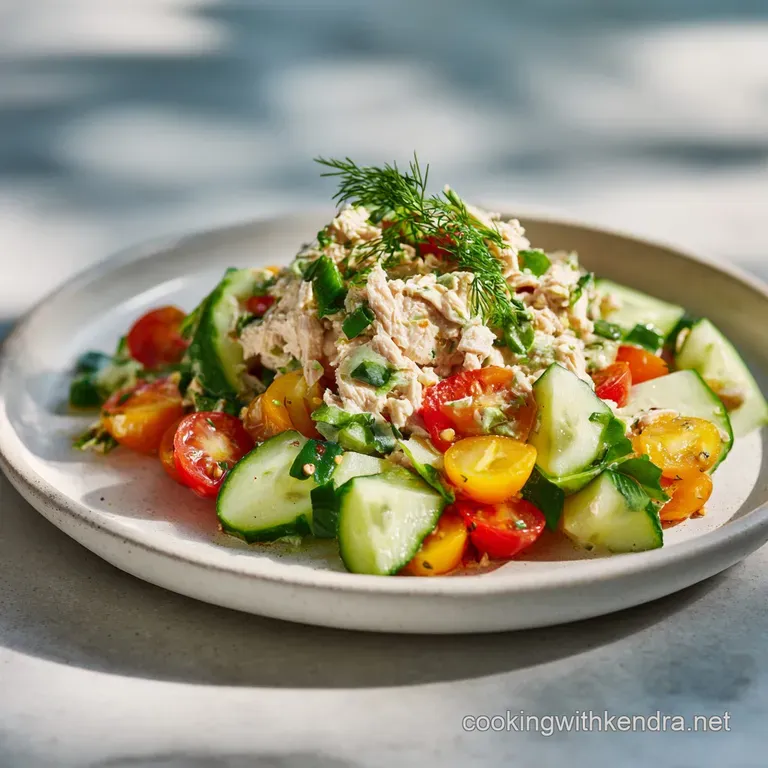
The order of operations matters here. We want to avoid over mixing the tuna into a mushy paste. Follow these steps for that "bistro style" texture.
- Drain the tuna thoroughly. Use a strainer to squeeze out the liquid until the fish looks matte and flaky. Note: Excess water will ruin the creamy dressing.
- Whisk the dressing base. In your bowl, combine the 3 tbsp avocado oil mayo, 1 tbsp Dijon mustard, and 1 tbsp lemon juice until velvety and pale yellow.
- Season the binder. Stir in the 1/2 tsp black pepper and 1/4 tsp sea salt into the mayo mixture.
- Prep the aromatics. Mince the 1/4 cup red onion and dice the 1/2 cup celery into uniform, small pieces.
- Add the "pops" of flavor. Toss in the 1 tbsp drained capers and 2 tbsp chopped Italian parsley.
- Incorporate the eggs. Gently fold in the 2 diced hard boiled eggs until the yolks are just coated.
- Add the star ingredient. Place the drained tuna into the bowl.
- The "Big Fold". Using a fork, gently flake the tuna into the dressing until it's just combined but still chunky. Note: Don't overwork it or it will turn into a spread rather than a salad.
- Taste and adjust. Give it a quick try; you might want an extra squeeze of lemon or a pinch more pepper.
- Chill briefly. Let it sit in the fridge for 5 minutes until the flavors have "shaken hands" and the salad is cold.
Solving Common Texture and Flavor Balance Issues
Sometimes things go sideways even with a simple recipe. If your salad feels a bit "off," it’s usually an easy fix involving one of three things: moisture, salt, or acid.
Why Your Salad is Watery
This usually happens if the tuna wasn't drained well or if you added high moisture veggies like tomatoes directly into the mix. As the salad sits, salt draws water out of the celery, adding to the pool at the bottom of the bowl.
| Problem | Root Cause | Solution |
|---|---|---|
| Soupy Texture | Insufficient tuna draining. | Fold in an extra hard boiled egg yolk to absorb the excess liquid. |
| Bland Flavor | Too much mayo, not enough acid. | Add a teaspoon of caper brine or an extra splash of lemon. |
| Aggressive Onion | Large onion chunks. | Mince finer next time or soak onions in ice water before adding. |
Common Mistakes Checklist
- ✓ Don't skip the Dijon; it provides the structure that keeps the mayo from sliding off the fish.
- ✓ Pat the capers dry before adding them so they don't introduce extra vinegar water.
- ✓ Use "Solid White" tuna if you want big, steak like flakes; "Chunk Light" is better for sandwiches.
- ✓ Wait to add the salt until the very end if you're making this ahead of time to keep the celery crisp.
- ✓ Always use a fork, not a spoon, to mix the tines help keep the tuna from being crushed into a paste.
Swaps for Healthy Tuna Pasta Salad Recipe Ideas
If you want to stretch this meal further or change the vibe, there are plenty of ways to adapt the base. This is a very "forgiving" recipe that works well with whatever is in the crisper drawer.
The Healthy Tuna Pasta Salad Recipe
To turn this into a heartier meal, cook up 8 oz of rotini or farfalle. Rinse the pasta in cold water to stop the cooking and remove excess starch. Toss the pasta with the completed tuna salad, adding an extra tablespoon of mayo and a splash of olive oil to ensure everything stays lubricated.
It’s a classic for a reason!
The Mediterranean Clean Eating Variation
For those looking for a "no mayo" version, swap the 3 tbsp of mayo for 2 tbsp of high-quality extra virgin olive oil and 1 tbsp of tahini. This creates a nutty, earthy profile. Swap the parsley for fresh basil and add some halved cherry tomatoes right before serving.
It feels much lighter and works beautifully over a bed of arugula.
Storage Guidelines and Using Every Scrap
Tuna salad is one of those rare things that often tastes better after a few hours in the fridge, as the onions mellow and the parsley infuses into the dressing. However, there are limits to how long it stays "prime."
Storage: Keep this in an airtight glass container in the fridge for up to 3 days. I don't recommend freezing it; the mayo will separate and the celery will lose its structure, resulting in a very unappealing texture once thawed.
If you find the salad has dried out a bit by day two, just stir in a tiny teaspoon of lemon juice or water to loosen the dressing back up.
Zero Waste: Don't throw away that leftover celery heart or the onion ends! Finely mince the celery leaves they have an intense, peppery flavor that is incredible when added to the salad.
If you have leftover tuna liquid, and you’re feeling adventurous (and have a cat), they’ll love the treat. Otherwise, use any leftover parsley stems in your next batch of vegetable broth.
Serving Suggestions for Family Lunches and Picnics
There’s no wrong way to eat this, but some methods definitely provide a better experience than others. It’s all about what you’re craving in the moment.
- The Bistro Wrap: Spread a thick layer of the salad onto a large flour tortilla. Add a handful of baby spinach and a few slices of cucumber for extra "snap." Roll it up tight and slice on the bias.
- The Classic Toasted Melt: Pile the salad onto a slice of sourdough, top with a thick slice of sharp cheddar, and broil until the cheese is bubbling and golden brown.
- The Low Carb Boat: Scoop the mixture into hollowed out bell pepper halves or large romaine lettuce leaves for a crunchy, refreshing lunch.
If you’re looking for a more "composed" feel for a brunch, you could serve this alongside a Tuna Nicoise Salad recipe to show off different ways to handle the same protein. It’s amazing how a few small changes in prep can make the same tin of fish feel like a totally different meal.
Scaling for a Crowd
If you're making this for a weekend picnic or a large family gathering, it’s easy to double.
- To Double (4 servings): Use 24 oz of tuna and 4 eggs. However, only use 1.5x the salt and pepper at first. You can always add more, but with the capers, it can get salty quickly.
- To Quadruple (8 servings): Work in a very large bowl to ensure you have enough room to fold the tuna gently. If you're doubling the mayo, add the lemon juice 1/2 tablespoon at a time to ensure the consistency stays thick enough to scoop.
Whether you're eating this straight out of the bowl (no judgment, I've done it!) or serving it on fancy crackers for guests, the key is the care you put into the prep. Enjoy your lunch!
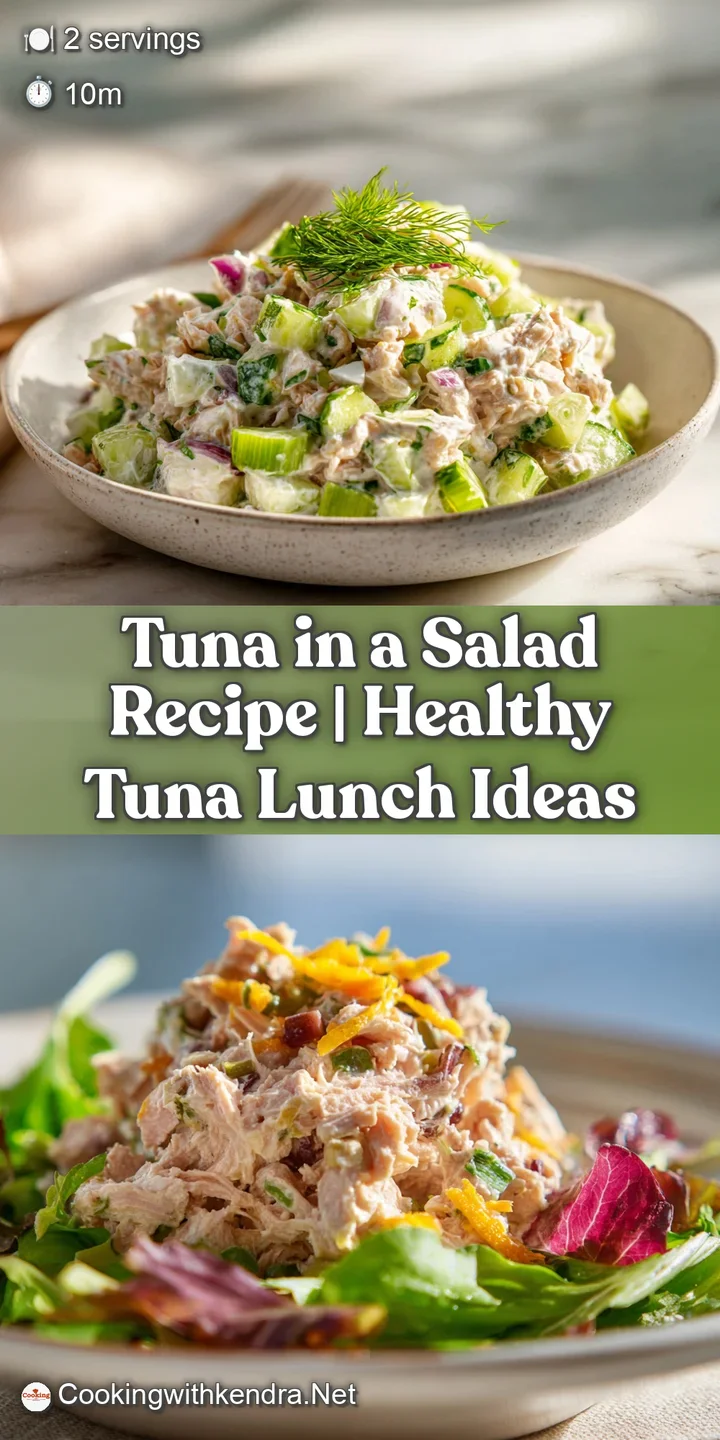
High in Sodium
1023 mg mg of sodium per serving (44% % of daily value)
The American Heart Association recommends limiting sodium intake to about 2,300mg per day.
Sodium Reduction Tips for Tuna Salad
-
Choose Low-Sodium Tuna-20%
Opt for no-salt added canned tuna or fresh tuna. Rinse the tuna thoroughly to remove any residual salt. This can reduce sodium significantly.
-
Reduce Added Salt-25%
Eliminate the 1/4 tsp of sea salt entirely. Taste the tuna salad after mixing all other ingredients and only add salt if absolutely necessary.
-
Lower Sodium Mayo-15%
Use a reduced sodium mayonnaise or make your own avocado oil mayo from scratch to control the sodium content. Check the label and compare brands.
-
Fresh Herbs & Spices
Enhance the flavor of your tuna salad with fresh herbs like dill, chives, or tarragon, and spices like garlic powder or onion powder to reduce the need for salt.
-
Fresh Lemon is Key-5%
Use fresh lemon juice as described, instead of a store-bought version which may include added sodium. This adds zest, and acidity, and brightens the dish.
-
Skip the Capers-10%
Capers are naturally high in sodium. Omit them to significantly reduce the sodium content of the tuna salad.
Recipe FAQs
How to make a nice tuna salad?
Drain the tuna until it is bone dry before mixing. This is the most critical step to avoid a watery dressing, which leads to a sad, mushy texture.
What does Matthew McConaughey put in his tuna salad?
There is no confirmed public recipe for his tuna salad. However, many celebrity chefs add a touch of acid and sharp mustard to cut through the richness of the mayo.
Is canned tuna good on salad?
Yes, canned tuna makes an excellent base for salad. Stick to solid white albacore for the flakiest texture, which holds up well when mixed with dressing and vegetables.
Can you mix tuna with lettuce?
Yes, mix tuna directly with crisp lettuce like romaine or butter lettuce. For a low-carb option, use lettuce cups instead of bread, which requires you to drain the tuna base very thoroughly first.
What is the secret to getting a creamy tuna salad texture?
Use Dijon mustard as an emulsifier in your dressing base. The mustard helps bind the fats (mayo/oil) and the acid (lemon juice) into a smooth, velvety coating, preventing the dressing from separating.
How do I prevent the celery from getting soggy when I make this ahead of time?
Mix the celery in last, right before chilling or serving. By keeping the crunchy elements separate until the last minute, you minimize exposure to the salt and acid, preserving their crispness better than if you mixed everything hours ahead.
Should I use mayonnaise or Greek yogurt for a healthier mix?
You can substitute Greek yogurt for a tangier, lower fat option. This swap mimics the richness of the yolks but introduces more acid, similar to how we balance fats and acids in the Egg Salad Recipe.
Quick Tuna Salad Recipe
Ingredients:
Instructions:
Nutrition Facts:
| Calories | 476 kcal |
|---|---|
| Protein | 52.9 g |
| Fat | 26.7 g |
| Carbs | 3.8 g |
| Fiber | 1.1 g |
| Sugar | 1.4 g |
| Sodium | 1023 mg |
